

Baghdad is a city where deep ancient history meets vibrant modern resilience. As a traveller, exploring this cradle of civilization is an unforgettable experience but it requires careful planning and local insight. We aim to make your journey smooth from the moment you land. This guide covers everything you need to know for a safe, respectful and deeply enriching trip to Baghdad.
1. Before You Go to Baghdad
While Baghdad has grown significantly more stable and welcoming in recent years, staying informed about the security situation remains a top priority. We always recommend checking your home country’s latest travel advisories before booking your flights. Once you are on the ground, you will notice various checkpoints across the city. These are standard safety measures designed to keep everyone secure, so you can navigate them with peace of mind. To ensure a smooth entry, keep in mind that most nationalities can now obtain a Visa on Arrival directly at Baghdad International Airport. However, because international regulations and entry hours change frequently, it is crucial to verify the latest requirements with your flight provider before departure, ensuring your passport has at least six months of validity.
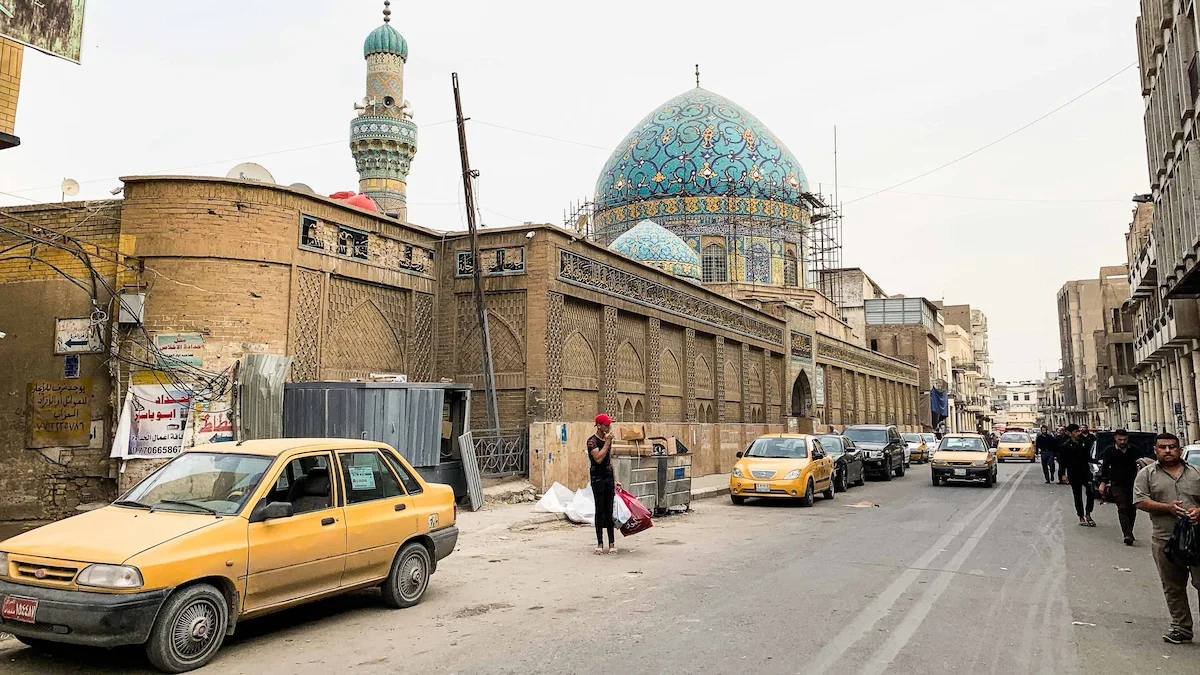
Timing your trip is just as essential for a comfortable journey. The ideal period to visit Baghdad is from November to March, when the winter weather is pleasantly cool and perfect for city exploration. Traveling during the summer months means facing temperatures that easily soar past 45°C, which can severely limit your daytime plans. Finally, mental preparation is key. Baghdad is a deeply traditional and predominantly Muslim city, so displaying a respectful attitude toward local customs, religious symbols and societal norms from day one will set a wonderful tone for your entire trip.
2. Getting Around the City
When it comes to exploring the city streets, traditional yellow taxis are widely available but they do not operate on meters. This means you must always negotiate and agree on the fare with the driver before stepping inside the vehicle. For a much more secure, predictable and modern experience, we highly recommend downloading local ride-hailing applications like Baly or Karim. These apps show you the exact price upfront, track your route via GPS and eliminate any language barriers or fare disputes.
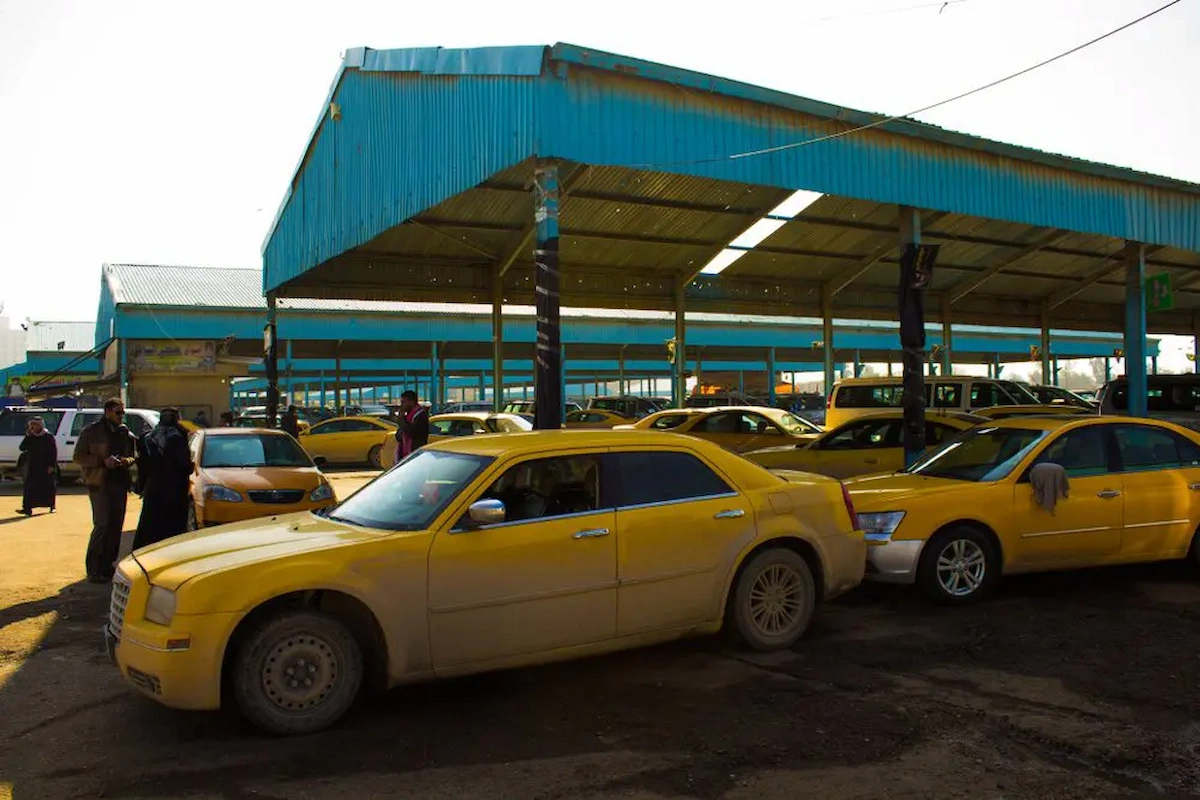
Navigating the local traffic requires some patience, as Baghdad is famous for heavy congestion. Security checkpoints, bustling rush hours and narrow historic alleys can cause major delays, so a smart traveler should always add an extra 30 to 45 minutes to any travel estimate. This planning becomes especially vital when traveling from Baghdad International Airport to the city center. Due to strict airport security protocols, regular city taxis are not allowed to drive directly to the terminal doors. Upon arriva l, you will take an authorized airport taxi or a dedicated shuttle bus from the terminal to the main gate square, where you can then easily transition to your pre-arranged ride or a standard city taxi.
3. What to Wear in Baghdad
Dressing appropriately is one of the easiest ways to show respect and blend in with the local community. For female travellers, the general guideline is to wear loose-fitting clothing that fully covers the shoulders, elbows and ankles. While wearing a headscarf or hijab is not legally mandatory on regular city streets, keeping a light scarf in your handbag is a smart habit for whenever you enter more conservative neighborhoods.
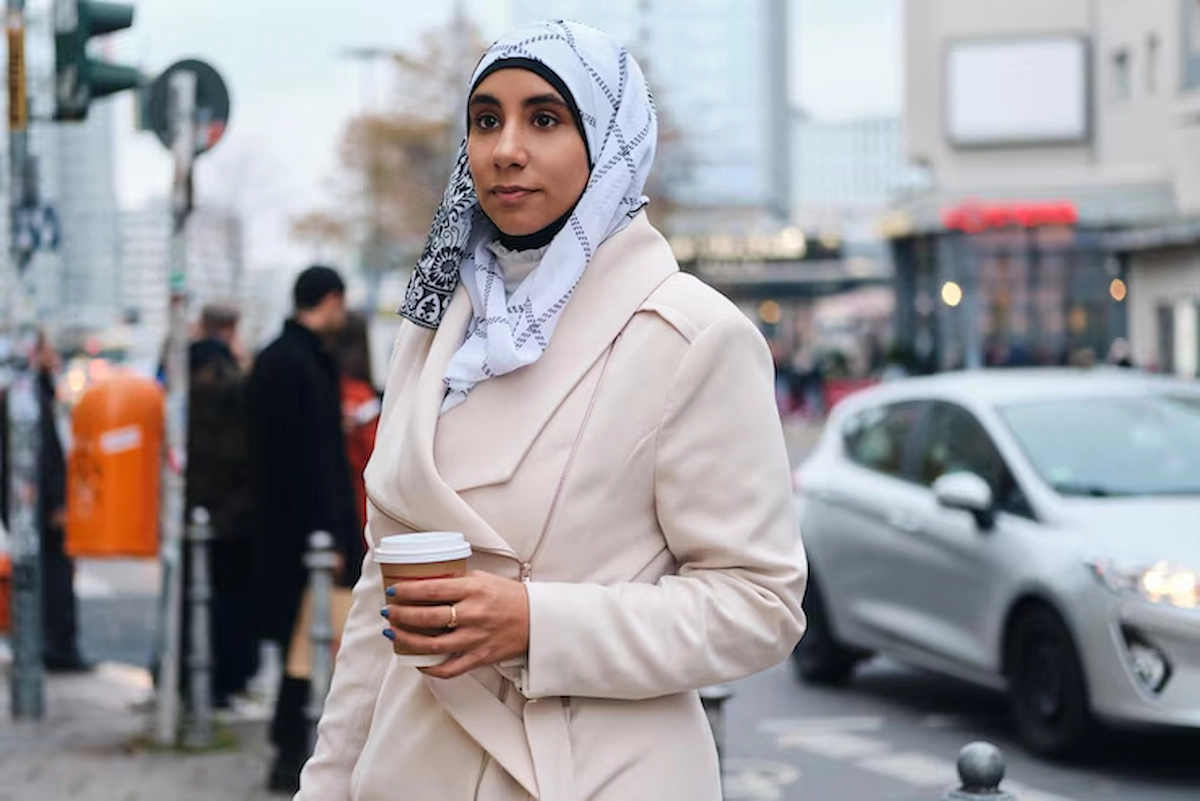
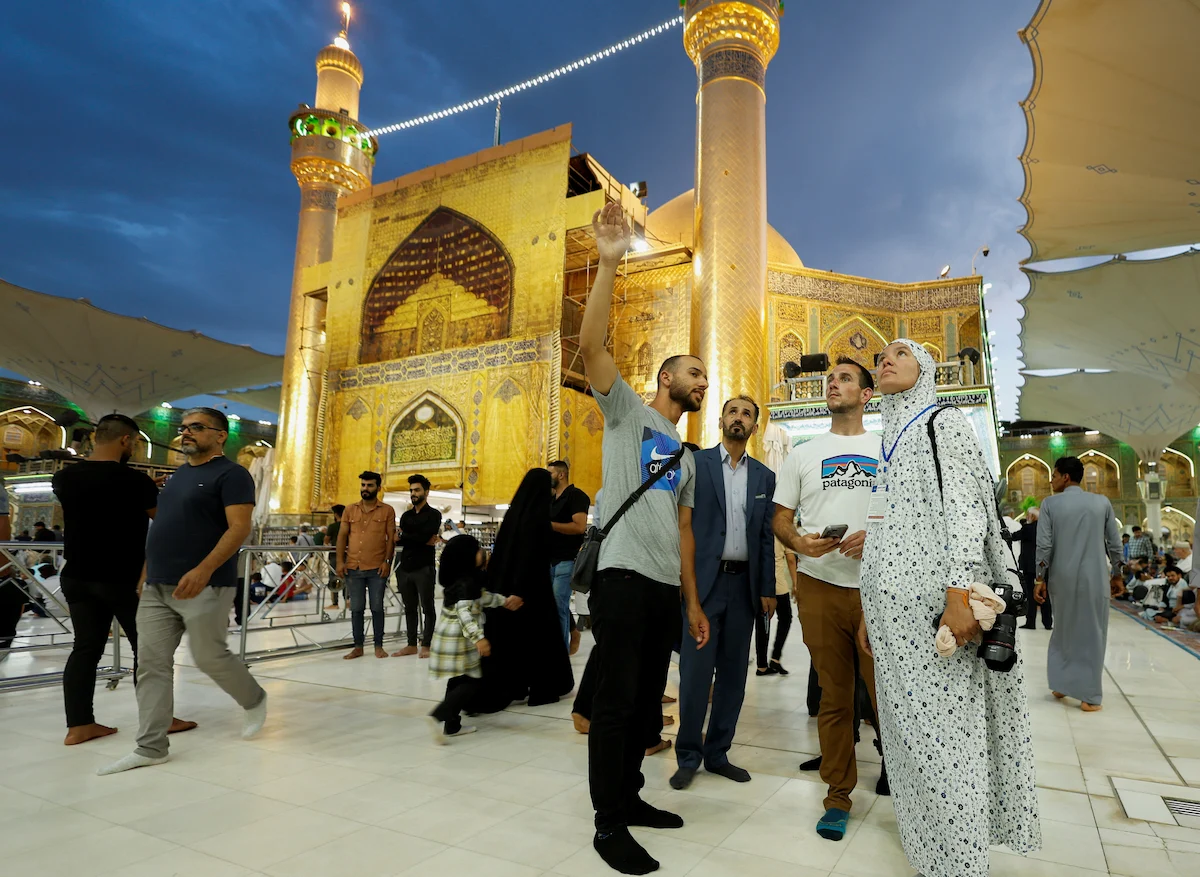
Male travellers should also lean toward modest attire. Long trousers and clean jeans are the standard choice across the city. Even during the hottest months, it is best to avoid wearing shorts or sleeveless tank tops in public spaces, as this is viewed as overly casual and culturally inappropriate. If your itinerary includes visiting stunning mosques or holy shrines, strict dress codes apply to everyone. Women are required to wear a full-length traditional cloak, known as an Abaya, and cover their hair completely while men must opt for long trousers and long-sleeved shirts. Everyone will also be asked to remove their shoes before stepping onto the sacred carpets.
4. Money Matters
Financial logistics in Baghdad require explicit planning because the city operates almost strictly as a cash-based society. International credit and debit cards are rarely accepted outside of high-end global hotel chains, meaning you will need to carry physical cash for almost all your daily expenses. The local currency is the Iraqi Dinar and utilizing it for everyday items, meals and transportation ensures you always receive accurate local pricing and correct change.
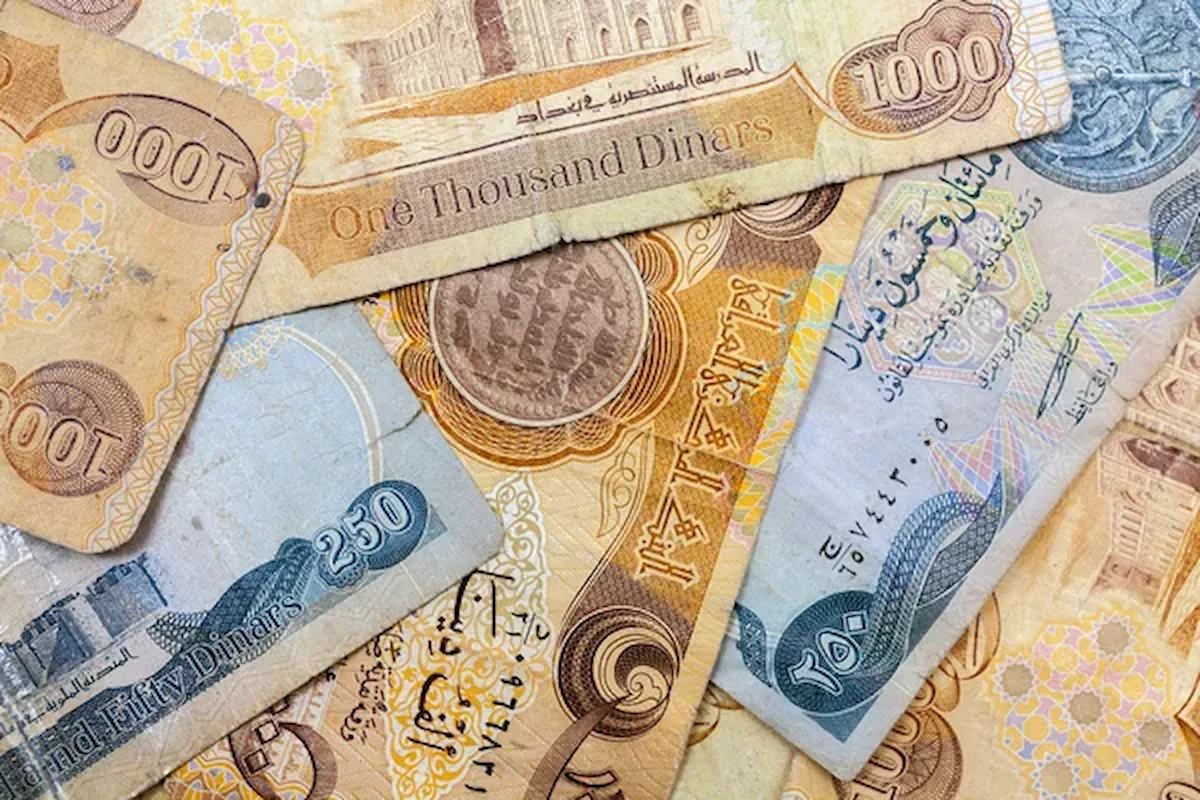
If you choose to bring US Dollars to exchange upon arrival, make sure your bills are clean, crisp and printed after 2013, as older or damaged paper currency is routinely rejected by local businesses. It is safest to exchange your money at official exchange offices located within secure commercial districts rather than using unofficial street changers. Once you have cash in hand, you are ready to experience the vibrant traditional souks, where haggling is a natural and expected part of the shopping culture. Always approach bargaining with a warm smile, treating the interaction as a friendly conversation while remaining fair to the vendor’s livelihood.
Key Logistics Summary at a Glance:
Cash & Currency Policy
Baghdad operates strictly on cash. Bring clean, unwrinkled US Dollars printed after 2013 to exchange for Iraqi Dinars at secure commercial exchange offices.
Weather Precautions
Summer heat soaring past 45°C can cause physical exhaustion. Plan sightseeing for early mornings or late evenings and stay constantly hydrated.
5. Staying Safe as a Tourist
While the main tourist and commercial hubs are highly secure, practicing general situational awareness is always recommended. It is wise to avoid political rallies, military installations and remote border districts. Baghdad actually boasts a lively evening culture, particularly along the scenic riverbanks but solo walks late at night in unfamiliar or poorly lit neighborhoods should be avoided. Stick to well-known social districts where families gather.
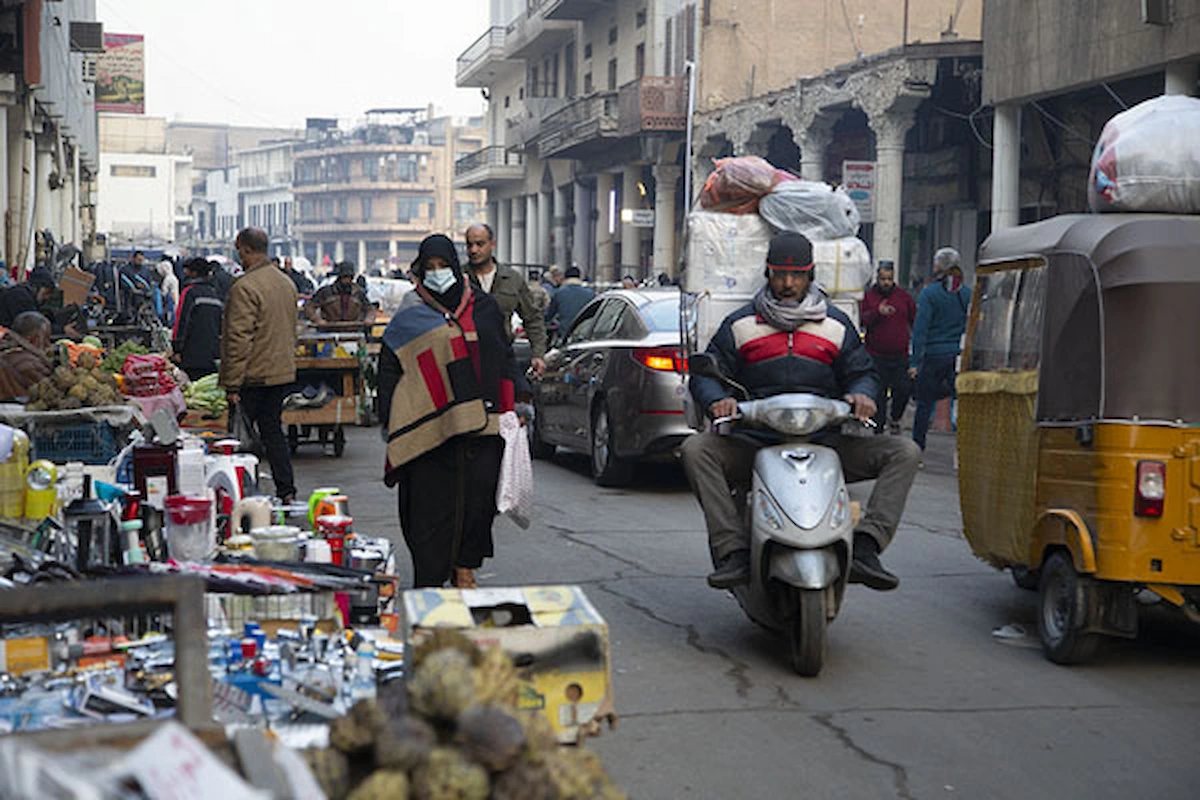
To protect your valuables, leave your luxury items, expensive jewelry and backup cash locked securely in your hotel safe. When you are out exploring, carry only what you need for the day in a secure, front-facing cross-body bag to prevent any chance of petty theft. Photography is another area that requires careful attention. Always ask for polite permission before taking photos of local residents, especially women. Most importantly, never photograph or video military personnel, police officers, security checkpoints or government infrastructure, as doing so can lead to immediate questioning by authorities.
6. Local Etiquette You Should Know
Understanding the social fabric of Baghdad will instantly win the hearts of the people you meet. Traditional greetings among individuals of the same gender typically involve a warm handshake. However, when greeting someone of the opposite sex, the most respectful approach is to place your right hand gently over your heart and nod politely, allowing them to initiate a handshake first if they feel comfortable.
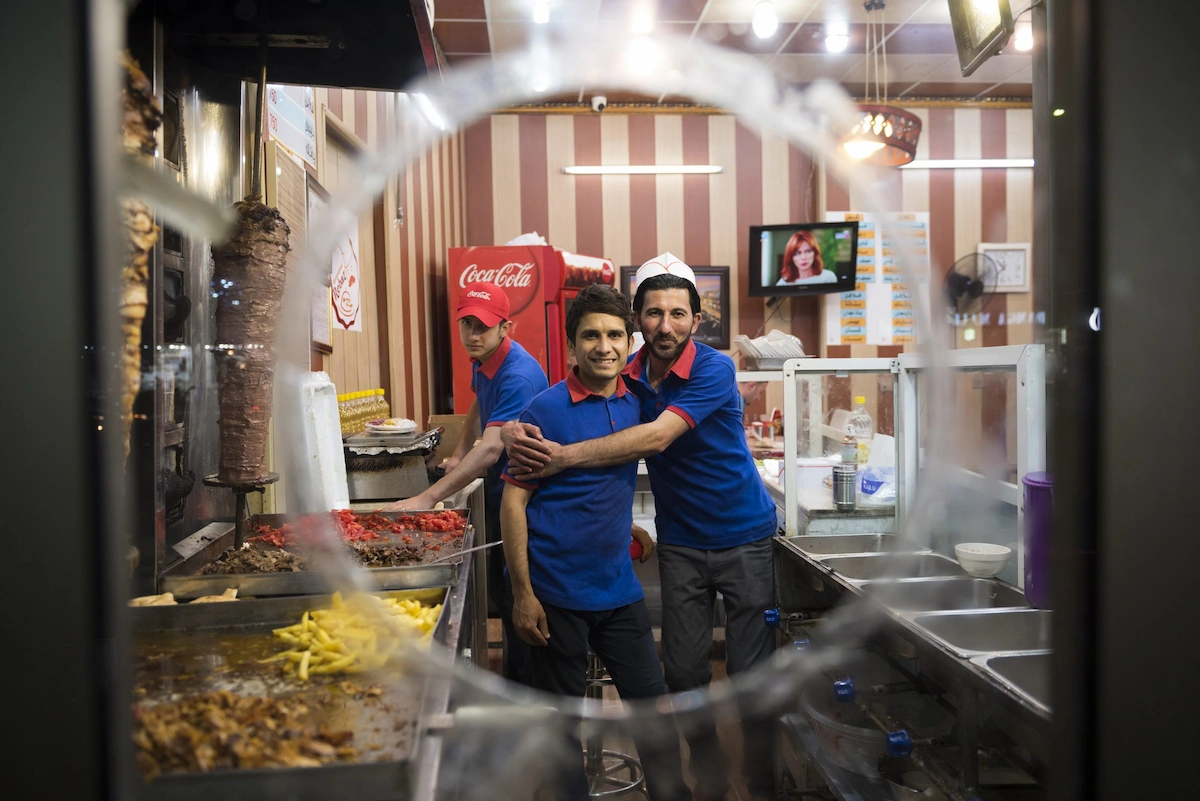
Iraqi hospitality is genuinely legendary and it is very common for locals to warmly invite a traveler for tea or a home-cooked dinner. Accepting these invitations is a beautiful way to experience the authentic culture but if you must decline, do so with utmost courtesy by placing your hand over your heart and offering a kind explanation. In daily life, always use your right hand when eating, drinking or passing items to someone else. Additionally, avoid public displays of affection, as they are considered highly inappropriate and keep conversations light by avoiding sensitive political or religious topics.
7. Places Worth Visiting
Your cultural journey should definitely begin at Al-Mutanabbi Street, the historic heart of Baghdad’s intellectual life. Famous for its historic bookstores, street vendors and bustling outdoor cafes, it serves as the ultimate gathering spot for artists and travellers especially during its famous Friday gatherings. To truly comprehend the depth of human civilization, a visit to the National Museum of Iraq is mandatory, as it houses invaluable treasures from the ancient Mesopotamian, Babylonian and Persian eras.
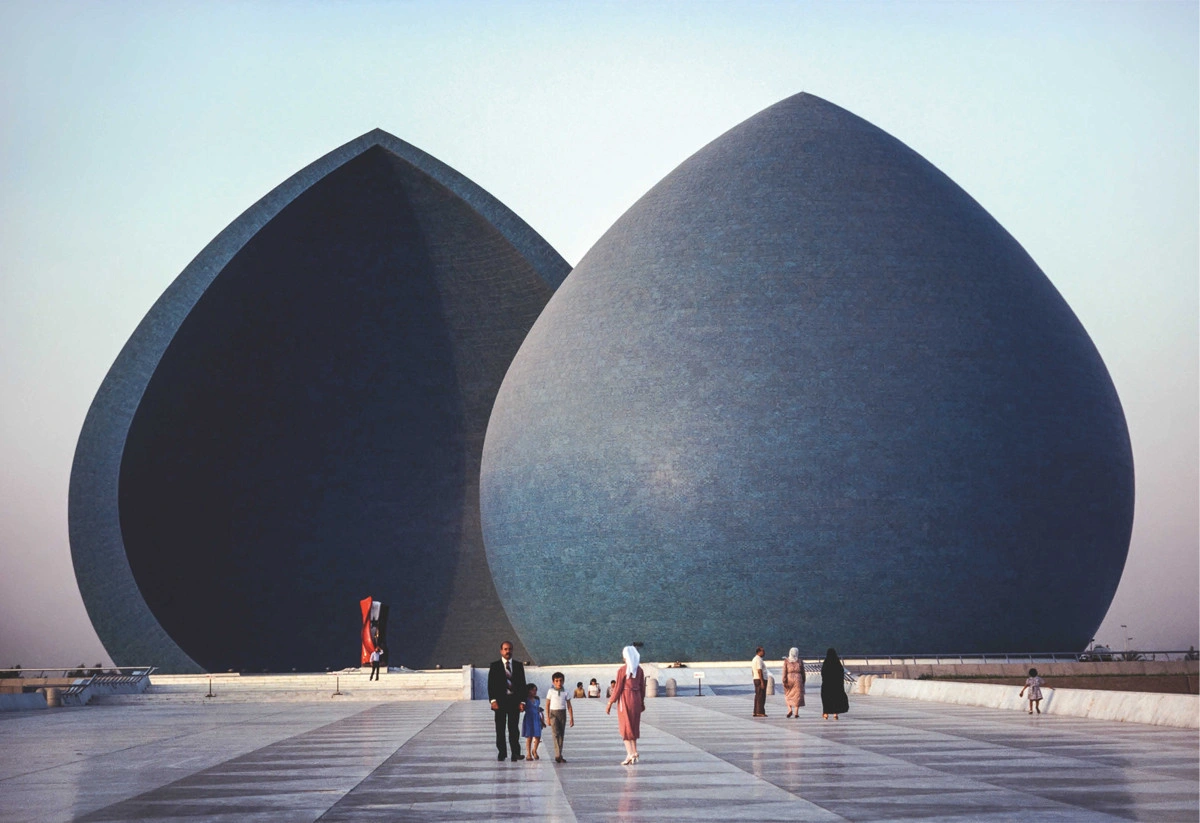
For a modern perspective, the Al-Shaheed Monument is an absolute masterpiece. This striking, turquoise split-dome structure stands beautifully as a tribute to Iraqi soldiers, offering a profound look into the country's modern history and a quiet space for reflection. To conclude your sightseeing, spend a vibrant afternoon exploring the historic crafts at Souk al-Saray, followed by a relaxing stroll along the Tigris Riverfront to watch a classic Baghdad sunset.
8. Must-Try Iraqi Food
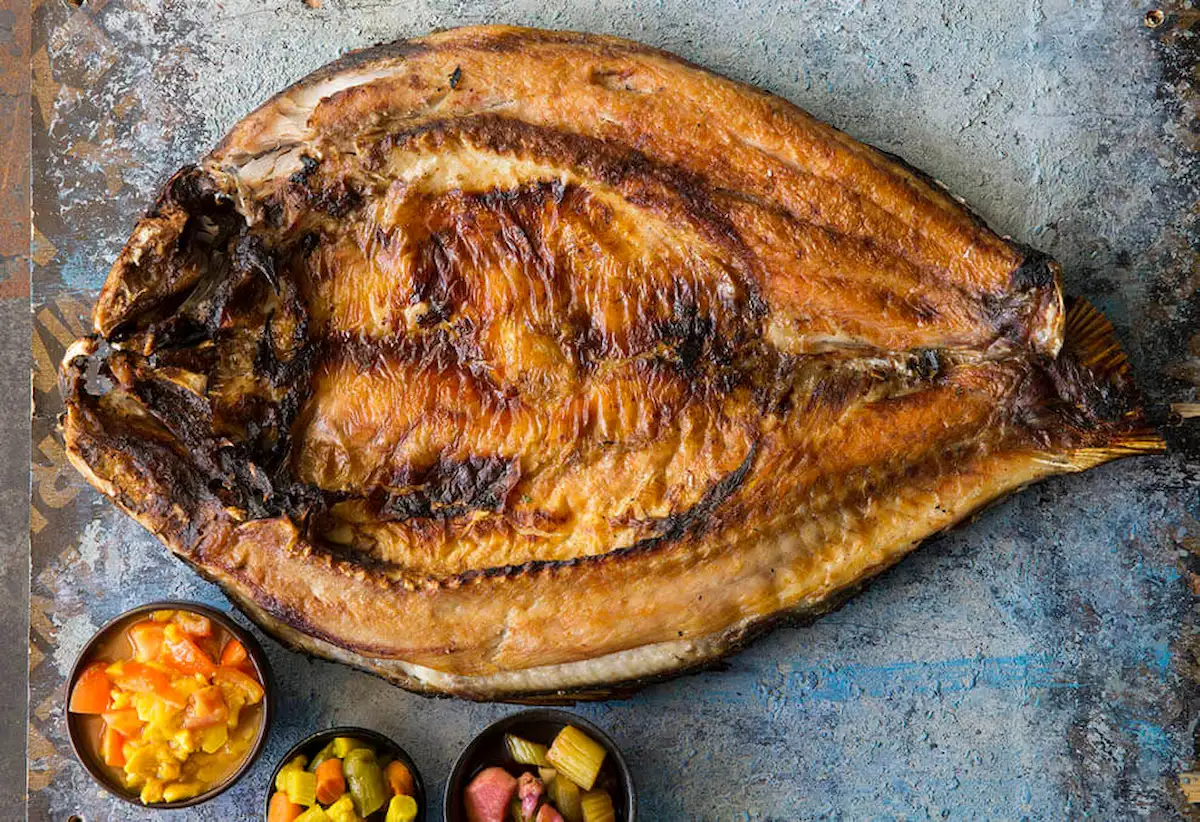
The culinary scene in Baghdad is incredibly rich, savory and full of character. Your absolute first stop must be trying Masgouf, the undisputed national dish of Iraq. For this meal, fresh carp from the Tigris River is seasoned beautifully, split open and slow-smoked sideways next to an open wood fire, resulting in incredibly tender and flavorful fish. Another household staple is Iraqi Dolma, which stands out because of its rich spice profile. Onions, zucchini and grape leaves are tightly packed with minced meat and rice, then slow-cooked to perfection.
If you enjoy grilled meats, the local kebab varieties are exceptionally juicy, typically crafted from high-quality minced lamb mixed with local herbs and grilled over hot charcoal. These are always accompanied by fresh flatbread and grilled tomatoes. To wrap up your culinary adventure, always indulge in a glass of heavy sweetened Iraqi cardamom tea, known locally as Chai. Pair it with Kleicha, a traditional date cookie flavored with rosewater, which represents the true taste of Iraqi hospitality.
9. Common Tourist Mistakes to Avoid
One of the most frequent errors travellers make is not carrying enough physical cash, which can leave you stranded since international ATMs are incredibly rare across the city. Another mistake is completely ignoring local dress codes and traditions, which can cause unintended offense near sacred spaces. Always remain mindful of your surroundings and adapt to the local environment.
Unpreparedness for the intense weather can also derail a trip. Traveling during the peak heat without constant hydration or sun protection can easily lead to physical exhaustion, so it is best to plan your heavy sightseeing for the early mornings or late evenings. Lastly, failing to plan your transportation beforehand can turn a simple outing into a stressful experience. Walking long distances across Baghdad is rarely practical due to the urban layout and heat, so always arrange your ride-hailing app or taxi logistics before leaving your hotel room.
10. Essential Arabic Phrases for Travelers
Speaking a few words in the local Iraqi Arabic dialect bridges cultural gaps instantly and shows immense respect. Memorizing just a handful of basic phrases will transform your daily interactions and bring smiles to the faces of the locals you encounter.
Marhaba
General hello used for greeting anyone.
Shlonak
How are you? (When speaking to a man).
Shlonich
How are you? (When addressing a woman).
Shukran
Thank you (Expressing gratitude).
Bi-shesh hadi?
How much does this item cost?
Momkin tisa'idni?
Polite way to ask: Can you help me?
Chai
Heavy sweetened Iraqi cardamom tea.
Kleicha
Traditional Iraqi date cookie.