Planning a trip to Baghdad is an exciting venture into one of the world's most historic cities. As you prepare for your journey to this vibrant cultural hub, understanding the local financial landscape is just as important as packing your bags. Navigating the financial side of a foreign country can feel daunting but with the right information, you can focus entirely on soaking in the rich history and warm hospitality that Baghdad has to offer. In this guide, we will walk you through everything you need to know about currency, payments, and smart financial habits while exploring the capital of Iraq. From understanding the local dinar to mastering the art of tipping, we have gathered all the practical advice you need to feel confident and prepared during your stay.
What Currency Is Used in Baghdad?
The official currency of Iraq is the Iraqi Dinar, abbreviated as IQD. As a visitor, you will be using this currency for almost all of your daily transactions, from buying a quick cup of traditional tea at a local café to paying for museum entry fees and souvenirs at the markets.
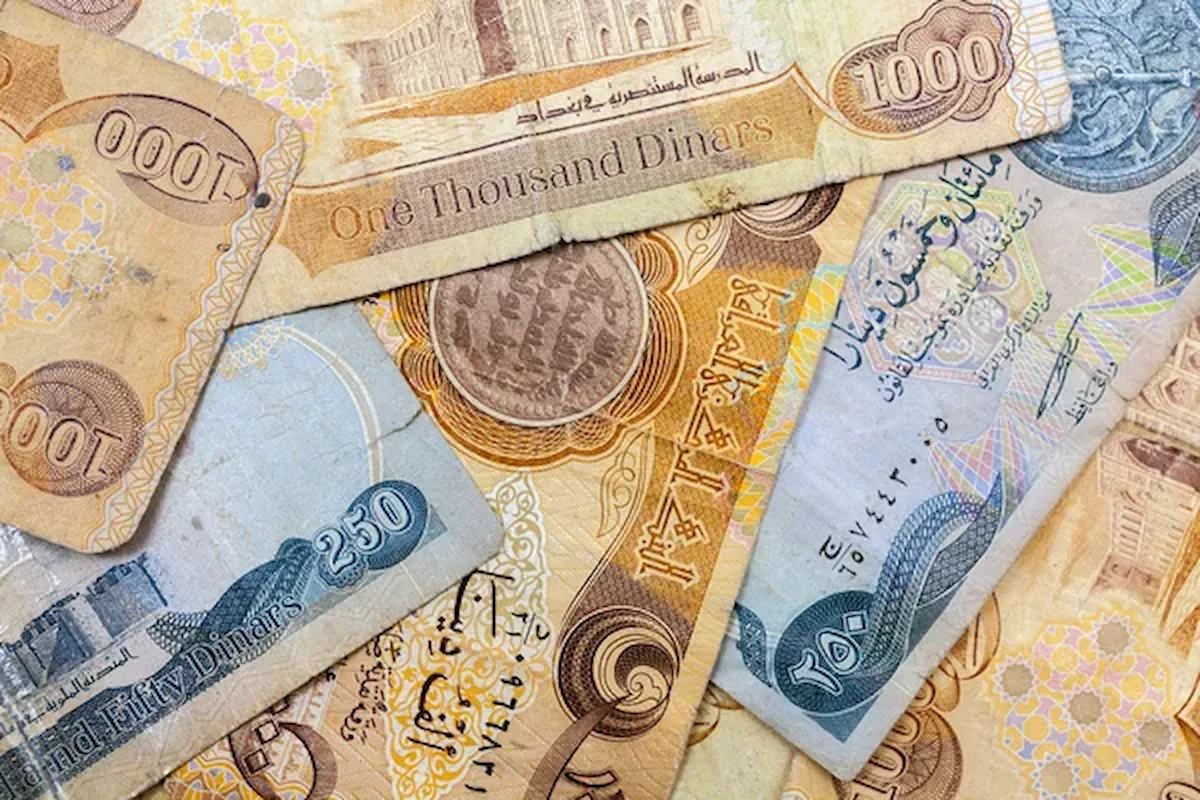
The Iraqi Dinar comes in various banknotes, typically ranging from 250 to 50,000 dinars. It is helpful to familiarize yourself with these notes early in your trip. While larger notes are common for bigger expenses like hotel bills or restaurant meals, you will find that smaller denominations are essential for daily life. Having smaller notes handy makes your interactions at markets, taxi rides and local shops much easier and more convenient for both you and the shopkeepers.
Cash or a Card?
Cash is king in Baghdad. While the city is modernizing, it remains a primarily cash-based economy. Relying solely on your bank cards will likely leave you frustrated, as many local businesses, traditional markets and small service providers do not have card payment terminals.
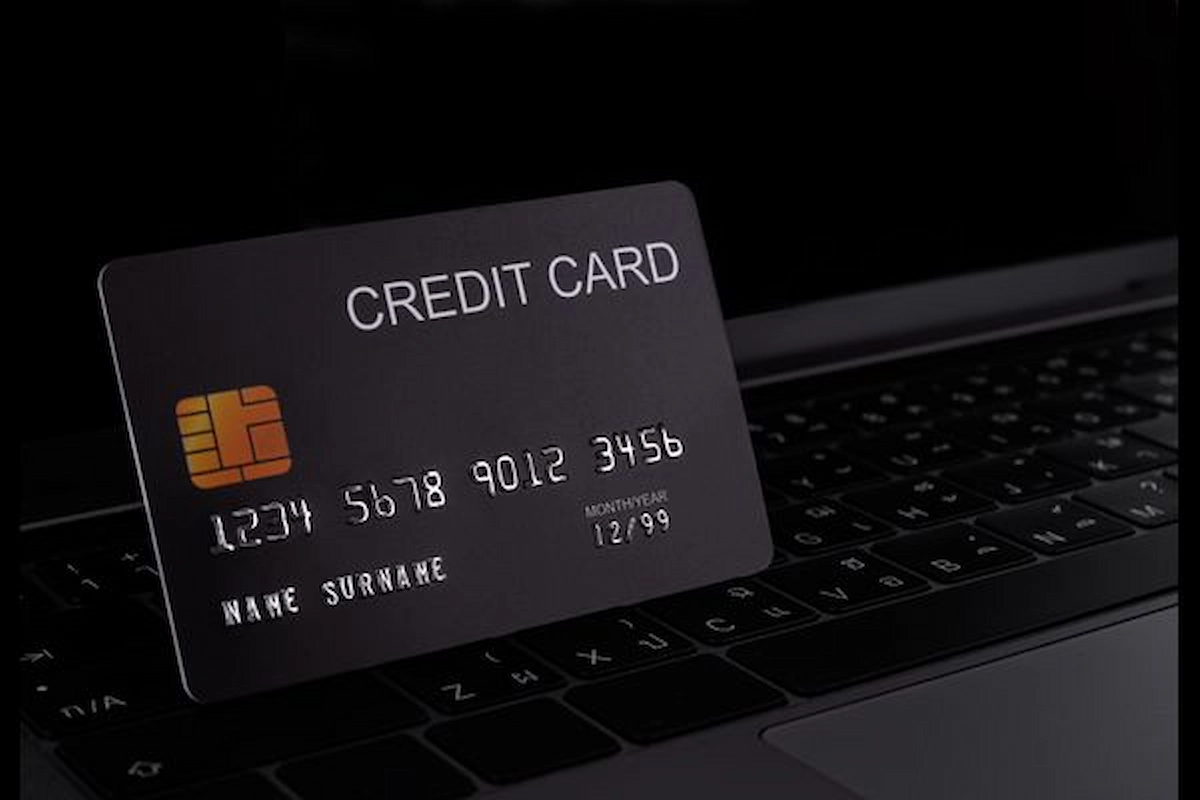
You should definitely bring your credit or debit cards, as they are useful for withdrawing cash or paying at high-end establishments but do not rely on them for your day to day shopping. Small businesses and neighborhood shops rarely accept cards and even in some mid-range restaurants, a card machine might be unavailable. Keeping a sufficient amount of physical cash on you at all times is the best strategy to ensure you are never caught in an inconvenient situation.
Exchange Money in Baghdad
Exchanging your foreign currency into Iraqi Dinars is a straightforward process if you know where to go. You will find exchange counters at Baghdad International Airport, which are convenient for your immediate needs upon arrival. However, keep in mind that airport rates may not always be the most competitive. So, it is best to exchange only a small amount there to get you to your hotel or cover your first few expenses.
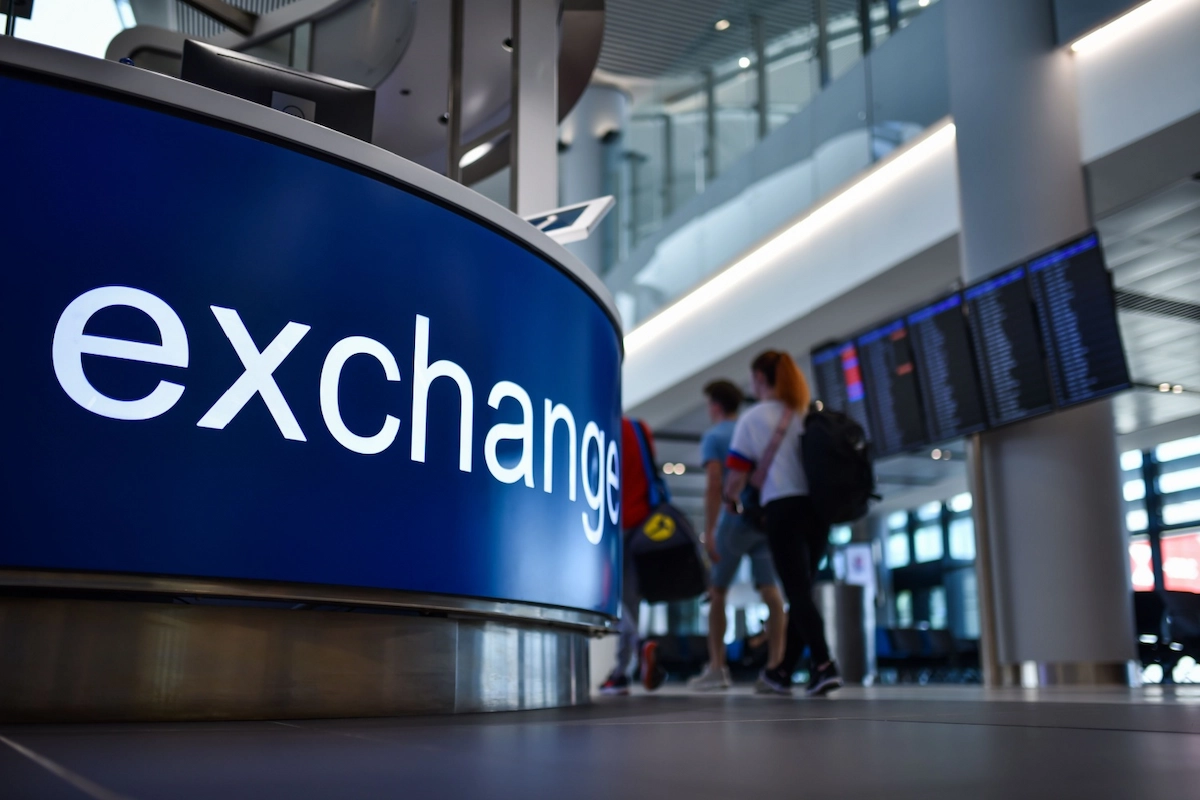
For larger amounts, head to authorized exchange offices located throughout the city. These offices are very common. You can usually find them in major commercial districts. Banks are also an option, though they often have more limited hours compared to private exchange offices. When exchanging money, always count your bills carefully before leaving the counter, ensure that the notes are in good condition and double-check the current exchange rate beforehand so you know exactly what to expect.
Are ATMs Easy to Find?
Yes, ATMs are becoming increasingly common throughout Baghdad, especially in areas with hotels, malls and banking districts. If you are staying in a central or tourist-friendly area, you will likely find an ATM within a short walking distance from your accommodation.
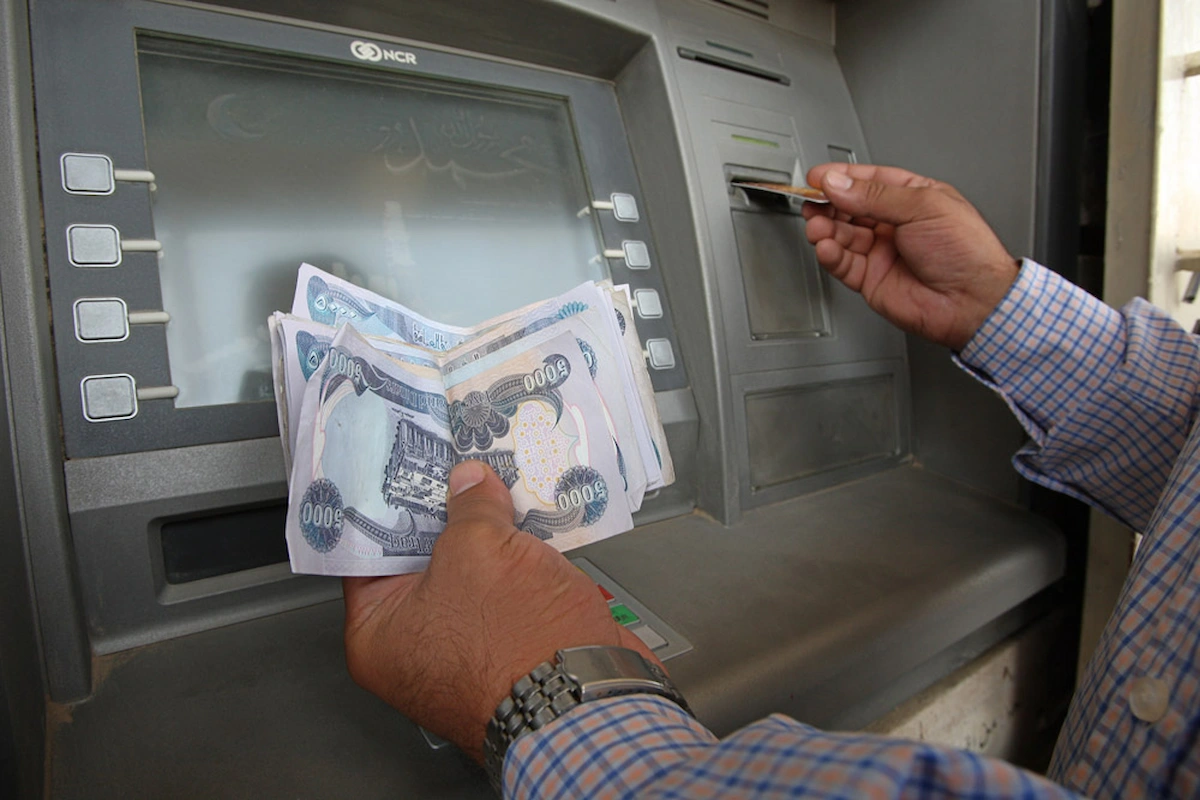
Most ATMs in Baghdad are connected to international networks, meaning they will accept major international debit and credit cards. However, it is always a good idea to notify your bank before you travel to ensure your card is cleared for international withdrawals in Iraq. Also, be aware that some ATMs might have daily withdrawal limits. It is a smart move to withdraw larger amounts of cash at once to minimize the number of times you have to visit an ATM and to avoid multiple service fees.
Can You Pay With Credit Cards?
The acceptance of credit cards in Baghdad is selective. You can confidently use your credit card at international-chain hotels, some high-end restaurants and large shopping malls. These establishments cater to business travelers and tourists, so they are fully equipped to handle electronic payments.
Conversely, once you step out into the local markets, smaller independent restaurants or neighborhood shops, you should assume that credit cards will not be accepted. Even in places that do display a card machine, there might be technical glitches or power interruptions that make card processing impossible. Always have enough cash as a backup plan so you can enjoy your shopping or dining without worry.
How Much Cash Should You Carry?
Deciding how much cash to carry is a balance between convenience and security. A good rule of thumb is to carry enough to cover your anticipated expenses for the day, plus a modest amount for emergencies. For a typical tourist, carrying a moderate amount is usually sufficient.
Security is always a priority when traveling. We strongly recommend that you do not keep all your cash in one wallet or bag. Keep a portion of your money in a secure place at your hotel, such as a room safe or a locked suitcase, and carry only what you need for the day in your wallet or a hidden money belt. This way, if your day bag is lost or stolen, you have not lost your entire travel budget.
Tipping Culture in Baghdad
Tipping is not mandatory in Baghdad but it is highly appreciated as a gesture of gratitude for good service. In restaurants, if you receive excellent service, leaving around 5% to 10% of the total bill is a kind way to show your appreciation. If a service charge is already included in the bill, you are not expected to leave an additional tip, though rounding up is always a nice touch.
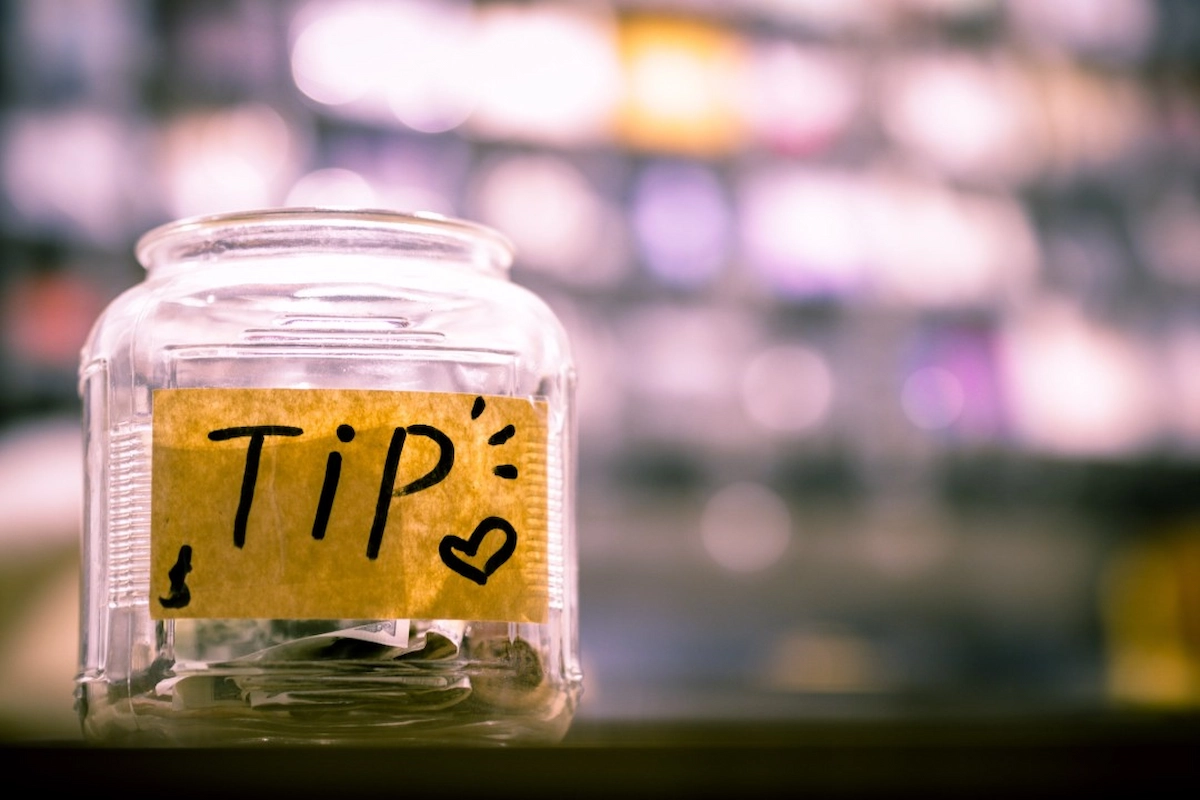
For taxi drivers, tipping is not expected but it is common practice to round up the fare to the nearest thousand dinars, especially if the driver helps with your luggage or provides helpful local tips. For hotel staff, such as bellboys or housekeeping, a small tip for their services is always well-received. Remember that tipping is entirely at your discretion and should always reflect your satisfaction with the service you received.
Typical Travel Costs in Baghdad
To help you budget for your trip, here is a general overview of average daily costs in Baghdad. Please note that prices can fluctuate based on location, quality, and your personal travel style.
Common Money Mistakes Tourists Make
One of the most common mistakes travellers make is arriving with no local currency and expecting to pay for everything with a card. Another frequent error is failing to carry small bank notes. If you only have high-denomination bills, you will find it difficult to pay for small purchases as local vendors may not have change.
Furthermore, many tourists make the mistake of exchanging all their money at the airport upon landing. As mentioned earlier, airport rates are often less favorable than those you can find in the city. Finally, not checking the current exchange rate means you might not realize if a shopkeeper is giving you a poor rate. A little bit of preparation goes a long way.
Money-Saving Tips
To save money and enjoy a smoother trip, prioritize exchanging your money at reputable offices in the city rather than at the airport. Try to use ATMs at established banks to reduce the risk of high fees and potential security issues.
One of the best ways to stay within your budget is to always carry a mix of notes. Having small bank notes allows you to pay for smaller, everyday items without needing to ask for large amounts of change. Lastly, take the time to compare prices. In markets, it is common to browse different stalls before making a purchase. You will quickly get a feel for the fair value of goods.