

Guangzhou Baiyun Airport: The Ultimate Gateway Guide
Guangzhou Baiyun International Airport stands as the premier aviation hub of Southern China and the primary logistical engine of the Pearl River Delta. Strategically located in the Huadong District, this massive complex serves as the operational base for China Southern Airlines and a critical junction for global trade and tourism. Navigating its expansive terminals requires an understanding of advanced transit protocols, digital connectivity requirements, and the sophisticated lounge networks designed for the international executive. This guide provides a comprehensive analysis of the airport's infrastructure to ensure your passage through the Canton region is defined by efficiency and absolute comfort.
Terminal Architecture: Navigating the Complex
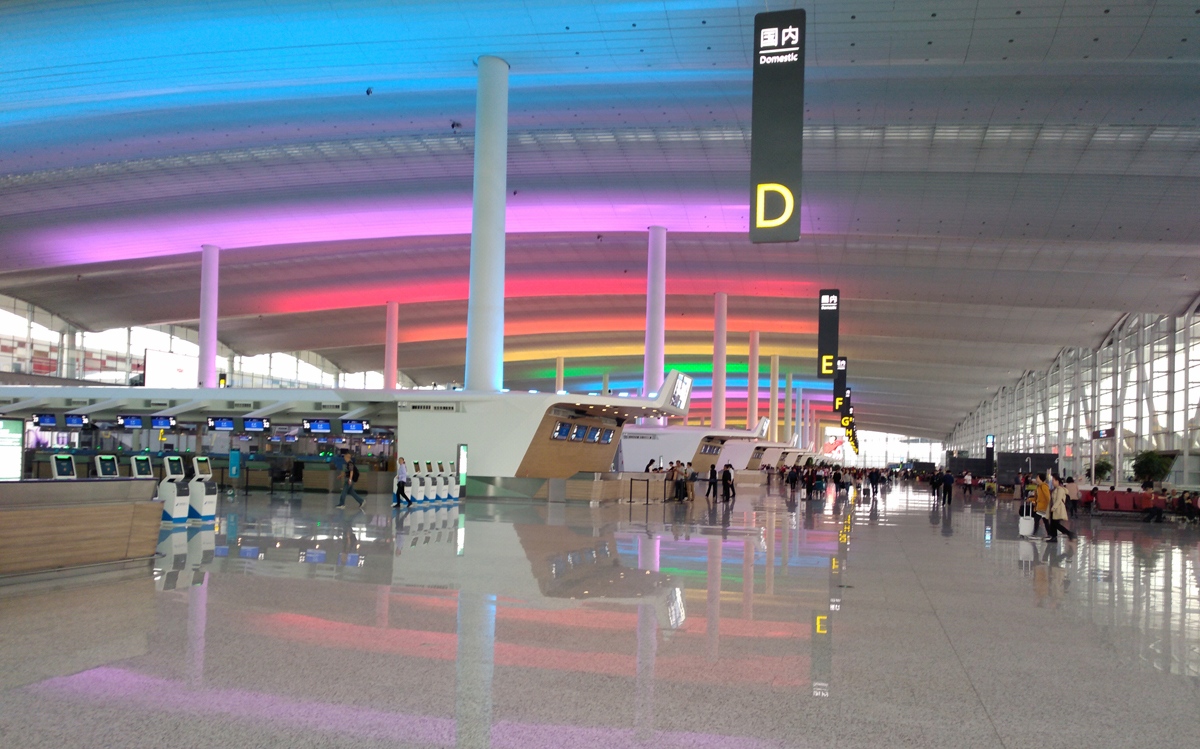
Guangzhou Baiyun International Airport operates through two primary terminal structures, each tailored to specific airline alliances and logistical requirements. Terminal 1, distinguished by its iconic curved roof and expansive glass facades, primarily handles a mix of domestic and international carriers. The terminal is divided into Main Terminal, Area A, and Area B, with a complex network of boarding piers. Understanding which pier your flight departs from is essential, as the transit times between security and the final gate can be significant during peak travel hours. The facility has undergone continuous renovation to integrate modern self service check in kiosks and automated baggage drop systems, significantly reducing the administrative friction for departing passengers. The layout is designed to handle high density foot traffic, but travelers should allow ample time for the walking distances between the check in islands and the various gates in the north and south concourses.
Terminal 2 is the newer, more advanced addition to the Baiyun complex, serving as the dedicated hub for China Southern Airlines and its SkyTeam partners. This terminal represents the pinnacle of Chinese aviation architecture, featuring a massive, light filled departure hall and a streamlined immigration process. The transition between Terminal 1 and Terminal 2 is managed by a free automated people mover and shuttle buses, ensuring that passengers with connecting flights can move between structures without exiting the secure zone. For those arriving from international destinations, Terminal 2 offers an optimized flow that leads directly to the ground transportation center, where taxis, buses, and the metro are all accessible within a short walk. The interior design prioritizes natural light and intuitive wayfinding, making it one of the most user friendly large scale terminals in Asia. Retail sectors and dining zones are strategically placed to ensure that passengers have access to premium services regardless of their gate position. The terminal also features advanced environmental controls to maintain a consistent temperature, which is a vital relief from the humid outdoor climate of the Guangdong province.
Sovereign Entry: 144-Hour Visa-Free Transit
One of the most significant advantages for international travelers passing through Guangzhou Baiyun is the 144-hour visa-free transit policy. This sovereign protocol allows citizens from over 50 countries to exit the airport and explore the Guangdong province for up to six days without a traditional visa, provided they have a confirmed onward ticket to a third country. Upon arrival at CAN, passengers must proceed to the dedicated temporary entry permit counters located before the main immigration line. The process involves submitting a landing card, providing proof of accommodation, and undergoing biometric verification. This policy has transformed Guangzhou into a premier layover destination, allowing business and leisure travelers to experience the cultural and economic depth of the Canton region during their transit. It serves as a vital tool for those wanting to sample Cantonese cuisine or visit historical sites like the Chen Clan Ancestral Hall without the administrative burden of a full visa application. The efficiency of this system is a testament to the airport's role as a major international gateway, fostering increased global connectivity and regional tourism development.
To maximize the efficiency of this entry protocol, it is recommended to have all digital confirmations for onward travel and hotel stays readily available for inspection. The immigration officers at Baiyun are highly experienced in managing these permits, but accuracy in your documentation is vital. Once the temporary entry permit is stamped in your passport, you are free to utilize the airport's diverse ground transportation options to reach the city center. This flexibility is particularly valuable for corporate travelers attending meetings or visiting manufacturing facilities in the nearby industrial zones of Foshan or Dongguan, providing a seamless bridge between international flight legs. The policy covers the entire Guangdong administrative area, allowing for significant regional movement during the allocated stay period. This makes it an ideal choice for visitors attending the Canton Fair, as it eliminates the lead time normally required for traditional consular processing.
Digital Readiness Intelligence:
China's digital landscape requires specific preparation. Before landing at Baiyun, ensure you have an active e-SIM and that your mobile payment applications like Alipay or WeChat Pay are fully verified. The airport offers high speed Wi-Fi, but native data via e-SIM remains the most reliable method for accessing international communication tools and local map services during your transit. This digital autonomy is essential for navigating the cashless ecosystem of Guangzhou. Without a functioning mobile data connection, simple tasks like hailing a car or interpreting a restaurant menu can become significant logistical hurdles.
Executive Sanctuary: VIP Lounge Logistics
The lounge network at Guangzhou Baiyun is designed to provide an executive environment for rest, productivity, and culinary indulgence. These facilities are strategically positioned across both terminals to cater to international departures and high density transit windows. Each lounge offers a unique blend of traditional Cantonese hospitality and modern corporate amenities. For those on extended layovers, these lounges provide essential services such as hot showers, private nap areas, and diverse dining options that range from local dim sum to international continental fare. The quiet atmosphere acts as a vital counterpoint to the energetic pace of the terminal floors, allowing travelers to maintain their professional momentum or recover from the physical toll of air travel. These spaces are often the preferred headquarters for international business delegations looking for a secure and quiet environment to coordinate their regional activities.
Premium First Class Lounge Terminal 1
Located in the international departure zone of Terminal 1, this lounge provides a sophisticated escape from the main concourse. It features private work pods, a high quality buffet featuring local dim sum, and quiet relaxation zones. The facility is equipped with shower suites, allowing long haul passengers to refresh before their next leg. The professional staff ensures that boarding announcements are clearly communicated, providing peace of mind in a busy terminal environment. The interior decor reflects a minimalist luxury, prioritizing space and tranquility for every guest.
SkyPearl VIP Lounge Terminal 2
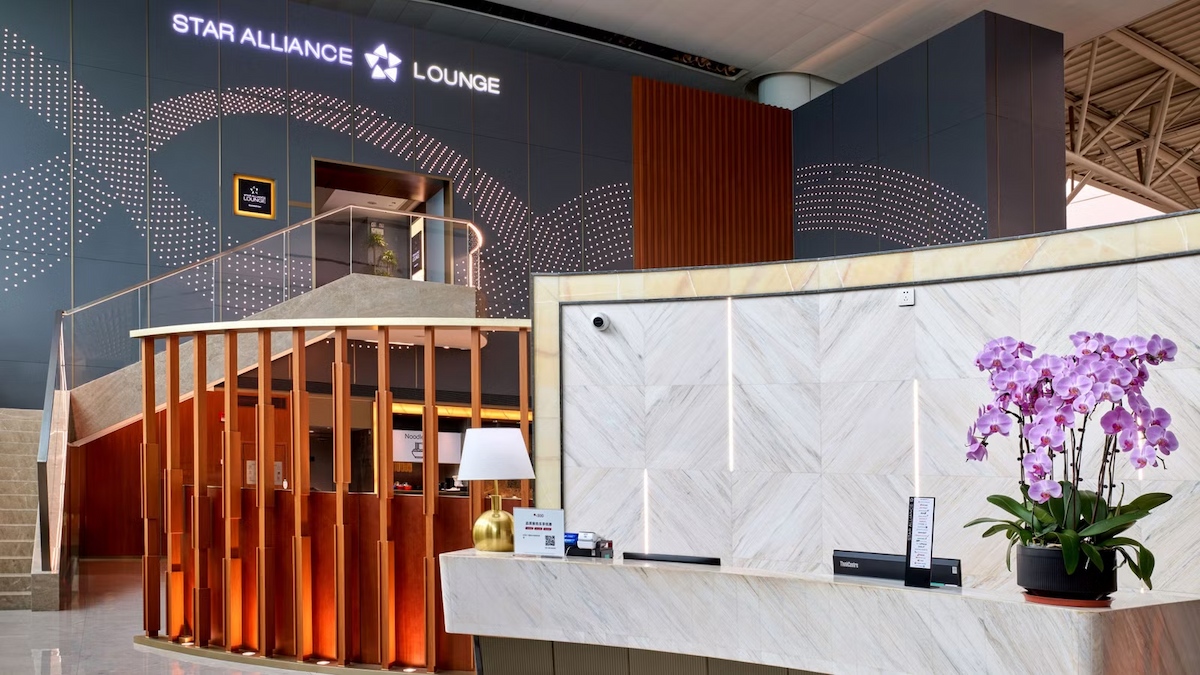
The flagship lounge for China Southern Airlines in Terminal 2 is a masterpiece of modern design. Spanning multiple levels, it offers a dedicated tea art area, gourmet dining stations, and expansive views of the runway. For the business traveler, the lounge provides high speed connectivity and private meeting rooms. The atmosphere is one of refined luxury, making it the ideal choice for those connecting through the SkyTeam network in Guangzhou. Its grand layout ensures that even during peak occupancy, passengers can find a private corner to rest or focus on administrative tasks. The dedicated staff provides personalized assistance, including flight status updates and luggage handling support.
Ground Logistics: Connecting to the Canton Region
Transitioning from the arrival hall at Guangzhou Baiyun to your final destination is supported by one of the most efficient ground transportation networks in Asia. The Airport Ground Transportation Center (GTC) is the central node for all outbound movement. For speed and direct access to the city center, the Guangzhou Metro Line 3 is the primary choice for many travelers. The metro stations are located directly beneath both Terminal 1 and Terminal 2, providing a cost effective and rapid connection to major districts like Tianhe and Zhujiang New Town. Trains run frequently, and the network is easy to navigate with bilingual signage throughout the stations. It is an ideal method for solo travelers wanting to reach the central business district without dealing with the complexities of road traffic. The metro system is clean, secure, and integrated with the wider urban rail network, allowing for easy transfers to other lines.
For those requiring a higher level of comfort and privacy, the private transfer network remains the undisputed gold standard. Pre booking a private executive car ensures that a professional chauffeur is waiting at the terminal exit, eliminating the need to navigate the taxi queues or public transit during peak hours. Private transfers utilize the Airport Expressway, a dedicated high speed corridor that bypasses much of the urban congestion. This is particularly valuable for travelers heading to regional manufacturing hubs or those arriving with substantial baggage. Whether you choose a luxury sedan or a spacious minivan, the reliability of a private service provides the peace of mind necessary for a successful visit to Southern China. Chauffeurs are typically familiar with the specific entrances of major hotels and the Canton Fair complex, saving valuable time upon arrival. This direct service is essential for travelers who prioritize confidentiality and security in their ground movements.
Airport Services: Baggage, Banking, and Connectivity
Maintaining administrative efficiency during your stay at Baiyun is made possible by a wide array of passenger services. Baggage storage facilities are available in both terminals, allowing transit passengers to store their luggage securely while they explore the city. Banking and currency exchange services are prominent in the arrival halls, though most transactions in China are now performed digitally. It is advisable to withdraw a small amount of local currency for emergency use, but focusing on mobile payment setup is more critical for daily movement. The airport also features several postal and courier stations, which are useful for business travelers needing to ship documents or samples internationally. Medical services are available 24/7 with clinics located in the departure areas to assist with any travel related health concerns. The airport's retail sector is equally impressive, offering everything from local Guangdong specialties to international high fashion brands.
Connectivity is another pillar of the Baiyun experience. The airport offers free high speed Wi-Fi, accessible through a quick SMS verification or a scan of your passport at dedicated kiosks. For those needing more consistent data, several telecommunication desks in the arrival areas offer local SIM cards. However, as previously emphasized, a pre activated e-SIM is the most efficient way to maintain an uninterrupted digital presence. These services, combined with the airport's extensive retail and dining options, ensure that every passenger's logistical and personal needs are met with professional precision. The terminal also features many charging stations and workstations equipped with power outlets, allowing you to maintain your device's battery levels while you wait for your boarding call. For families, dedicated nursing rooms and children's play areas are available to make the travel experience more manageable for those with young children.
Strategic Blueprint for Guangzhou Baiyun
Success at Guangzhou Baiyun International Airport is the result of strategic preparation and an understanding of the terminal dynamics. From selecting the appropriate lounge for your layover to utilizing the 144-hour visa-free transit policy, every decision impacts the quality of your journey. By prioritizing professional ground transport and ensuring your digital tools are ready for the local environment, you can transform a complex transit into a streamlined executive experience. Guangzhou is a city that never stops moving, and Baiyun Airport is the perfect reflection of this energy, providing a world class gateway to the limitless opportunities of Southern China. The airport continues to expand its global reach, reinforcing its position as a central pillar of international aviation and a vital link in the global supply chain. By utilizing the insights provided in this guide, travelers can navigate the terminal complex with absolute certainty and professional poise.
CAN Fast Facts
- T2 is the main China Southern hub.
- Metro Line 3 reaches city in 40 mins.
- 144-hour transit visa available on arrival.
- Free shuttle connects T1 and T2 terminals.
Wait in Comfort
Escape the terminal crowds. Book your VIP Lounge access now for a peaceful wait before your flight.