

Discover the Hidden Charms of Guangzhou's Vibrant District
Beyond Guangzhou's famous landmarks lies Baiyun, a dynamic district where modern city life meets green landscapes, local traditions and authentic southern Chinese culture.
When travelers think of Guangzhou, they often picture towering skyscrapers, bustling shopping streets, Cantonese restaurants and rich cultural heritage. Whether you are visiting for the first time, planning a weekend getaway or looking beyond the usual tourist sights, this Baiyun city guide will help you discover what makes the district worth exploring.
1.Getting to Know Baiyun District
Guangzhou's green northern gateway
Baiyun District lies in the northern part of Guangzhou, one of southern China's most important commercial and cultural centres. It takes its name from Baiyun Mountain, a celebrated landmark whose name means "White Cloud Mountain".
The district offers a fascinating mix of urban development and nature: busy commercial areas sit alongside quiet parks, residential neighbourhoods, traditional food spots and green spaces that offer a break from city life.
Easy to Reach
Guangzhou Baiyun International Airport lies on Baiyun's northern edge, at the border with Huadu District, making the area a convenient gateway for international visitors.
2.Explore Baiyun Mountain
Guangzhou's favourite natural escape
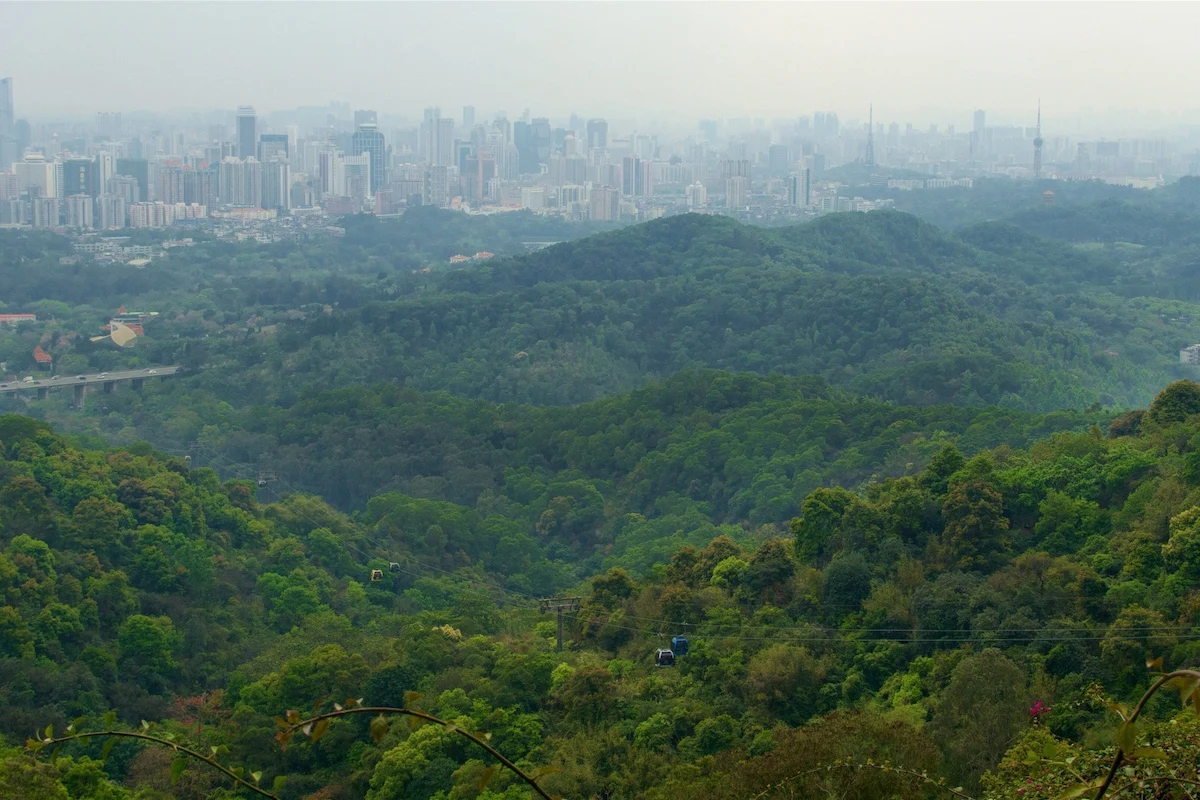
No visit to Baiyun is complete without exploring Baiyun Mountain, one of Guangzhou's best-known natural attractions and a national 5A-rated scenic area.
It is famous for its forested slopes, scenic walking trails, peaceful viewpoints and fresh air, letting you swap crowded streets for nature and panoramic city views. Early morning and late afternoon are especially good times to visit, with cooler temperatures and softer light for photography.
Things to Do at Baiyun Mountain
- Walk scenic trails surrounded by greenery.
- Take in the views over Guangzhou from the mountain's viewpoints, including Moxing Ling, the highest peak at about 382 metres.
- Ride the cable car for an easy way up and sweeping views on the way.
- Enjoy a relaxing morning in nature, exploring at a comfortable pace and stopping to appreciate the scenery.
Wear comfortable walking shoes and bring water, especially during Guangzhou's hot and humid months.
3.Discover Baiyun's Local Food Scene
A taste of authentic Cantonese cuisine
Food is an essential part of the Guangzhou experience. From neighbourhood eateries to busy restaurants, Baiyun is full of regional favourites and everyday dishes enjoyed by local residents. Here are some worth trying:
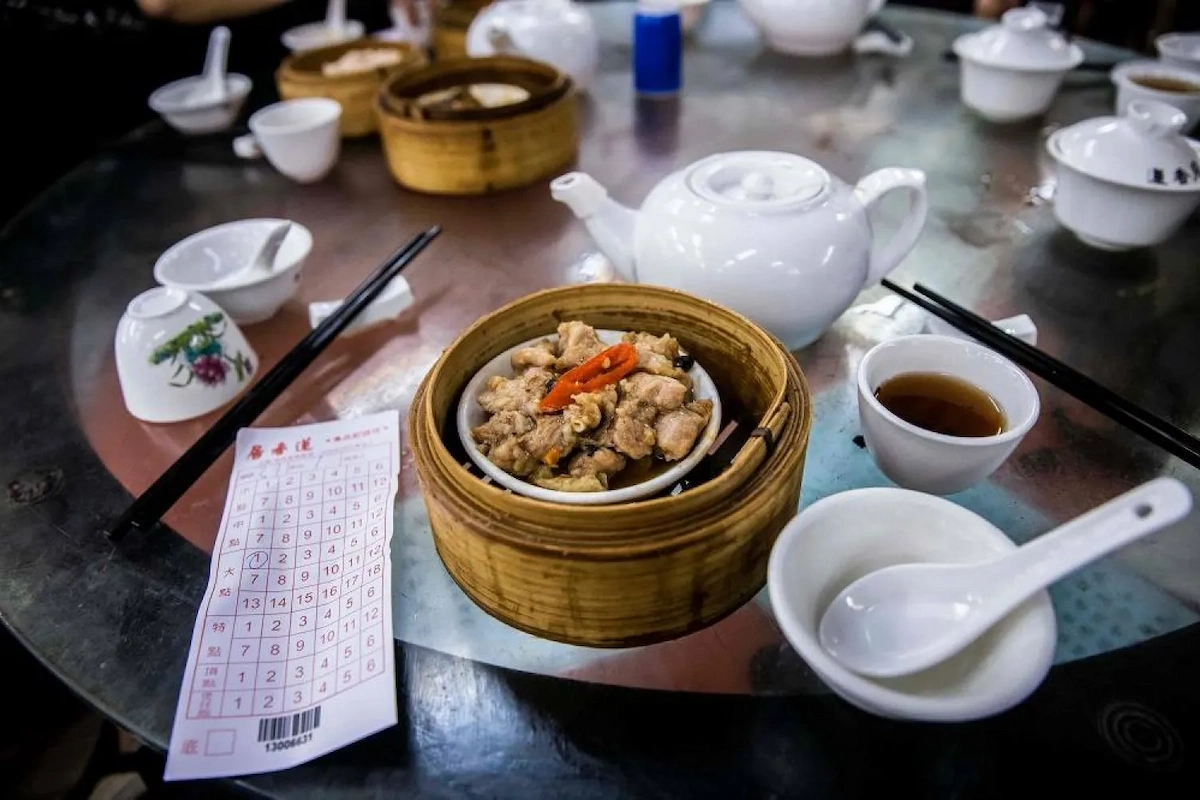
Dim sum
Small steamed, baked or fried dishes traditionally enjoyed with tea (yum cha).
Cantonese roast meats
Succulent roast duck, char siu pork and other meats served with rice.
Wonton noodles
Thin egg noodles and delicate shrimp wontons in a flavourful broth.
Clay pot rice
Rice cooked with savoury toppings in a traditional clay pot, with a prized crispy crust.
Cantonese soups
Slow-simmered soups that reflect the region's long culinary traditions.
For a more authentic experience, explore local dining streets and neighbourhood restaurants rather than only shopping-centre food courts. Busy dining rooms and menus full of regional specialties are good signs.
4.Shopping and Modern City Life in Baiyun
Malls, local shops and everyday Guangzhou
Baiyun is not only about nature and food. It is a lively urban district where shopping centres offer fashion, electronics, beauty products and international brands, while smaller local shops reveal daily life in Guangzhou. It is also a good place to pick up Chinese snacks, tea, souvenirs and contemporary lifestyle products.
If you enjoy observing local culture, spend time in public squares, cafés and neighbourhood streets. These everyday spaces often show a more personal side of a destination than its major attractions.
5.Green Spaces and Outdoor Escapes
Slow down between sightseeing
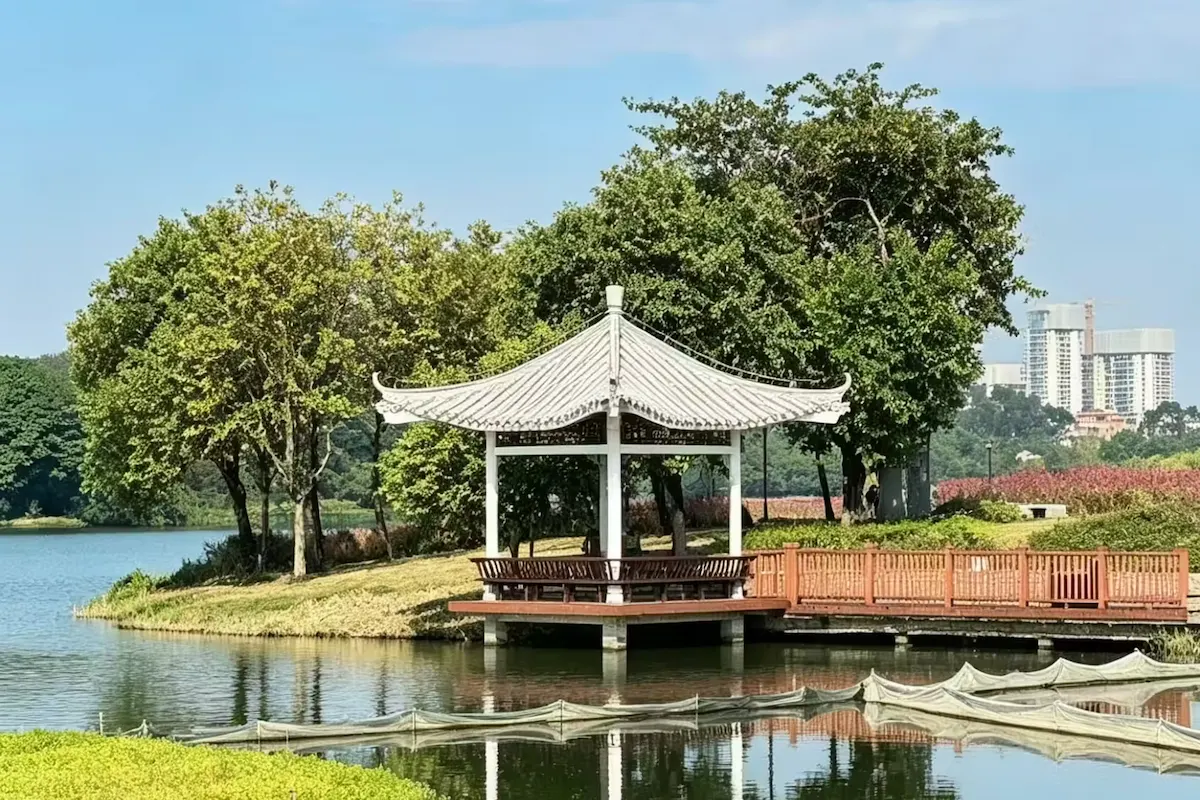
One of Baiyun's most appealing qualities is the contrast between its busy streets and its quieter outdoor spaces. Beyond Baiyun Mountain, the district's parks and green areas are ideal for leisurely walks, exercise or simply relaxing between sights.
They suit travelers who prefer a slower itinerary: families enjoy the open space, while photographers and nature lovers can look for changing light, local plants and scenes of everyday Guangzhou life. On a multi-day trip, set aside a morning for the outdoors rather than filling every hour indoors.
6.How to Get Around Baiyun
Metro, taxis and walking
Getting around Baiyun is relatively convenient thanks to Guangzhou's extensive transport network.
Metro
Guangzhou Metro connects much of the district with the rest of the city, and Line 3 runs to both airport terminals. It is usually the best way to avoid road traffic.
Taxi & ride-hailing
Useful with luggage, for places away from metro stations or for late returns. DiDi can also be booked inside Alipay.
Airport connections
Guangzhou Baiyun International Airport serves domestic and international routes. Check your terminal and transport options before departure, as facilities and connections can change.
Walking
Ideal for exploring neighbourhoods, shopping areas and parks, though distances between attractions can be considerable.
Save destination names in Chinese as well as English to make navigation and communication with drivers easier.
7.Where to Stay in Baiyun
Choose your base by the purpose of your trip
-
Near the airportLayovers & early flightsConvenient for overnight layovers, early departures or short business trips.
-
Near a metro stationExploring the cityIdeal if you plan to explore Baiyun and other parts of Guangzhou.
-
In a commercial areaShopping & diningEasy access to shops, restaurants and everyday conveniences.
-
Near natural attractionsOutdoors & quietWorth it if outdoor activities and a calmer atmosphere are your priorities.
Baiyun is a large district, so a hotel listed as being in Baiyun may still be a long way from Baiyun Mountain or the airport. Check the actual distance before booking.
8.The Best Time to Visit Baiyun
Subtropical weather through the year
Autumn
Oct – NovOften the most comfortable season, with drier, sunny days ideal for mountain walks.
Winter
Dec – FebGenerally mild and dry, though some days turn surprisingly cool.
Spring
Mar – MayPleasant but humid, with frequent rain.
Summer
Jun – SepHot and humid, with heavy downpours and a risk of typhoons.
For mountain walks, cooler mornings are best. During major Chinese holidays such as Golden Week (1–7 October), allow extra travel time and check attraction arrangements. Pack light clothing, a compact umbrella and an extra layer for cool evenings and air-conditioned spaces.
9.A Simple One-Day Baiyun Itinerary
Nature, food and city life in one day
Baiyun Mountain
Start with a walk through the scenic areas, enjoy the greenery, take photos and stop at a viewpoint if the weather allows.
Cantonese Cuisine
Head to a nearby dining area for dim sum, roast meats or a traditional noodle dish.
Shopping & Local Life
Explore a shopping centre, browse local shops or relax in a park, depending on your interests and route.
A Relaxed Dinner
Finish with a Cantonese meal and a leisurely walk through a lively commercial neighbourhood.
The plan is flexible, so adjust it to the weather, your arrival time and the sights you most want to see.
10.Practical Travel Tips for Baiyun
Simple recommendations before you set off
Plan your distances
Baiyun covers a large area; places that look close on a map may still be a long journey.
Check opening hours
Confirm current hours, tickets and access conditions for each attraction.
Prepare for the weather
Heat, humidity and rain can affect outdoor sightseeing.
Use translation tools
A translation app helps with menus, directions and transport.
Set up mobile payment
Alipay and WeChat Pay are used almost everywhere and now accept foreign Visa and Mastercard cards; keep some cash as a backup.
Respect local customs
Be considerate in religious, cultural and residential spaces, and follow posted rules.
Stay flexible
Traffic, weather and crowds can all affect travel times.
Check entry rules
Many nationalities can visit visa-free or use the 240-hour visa-free transit; confirm the latest rules for your passport.
Why Baiyun Belongs on Your Guangzhou Itinerary
A destination of contrasts
Nature lovers
Baiyun Mountain is a memorable outdoor escape.
Food enthusiasts
Local restaurants showcase Guangzhou's celebrated cuisine.
City explorers
Shopping areas and public spaces reveal the rhythm of modern southern China.
The best way to experience Baiyun is not to rush between attractions but to balance sightseeing with moments of discovery: a quiet mountain trail, a satisfying local meal or an afternoon exploring an unfamiliar neighbourhood.
Final Thoughts on Visiting Baiyun
Baiyun is more than an airport district or a place to pass through on the way to central Guangzhou. It has its own character, combining easy transport, urban convenience, cultural experiences and inviting green spaces. Whether you are planning a short stopover or a longer stay, use this guide as a starting point to explore at your own pace.
Add Baiyun Mountain to your itinerary, try authentic Cantonese dishes and leave room for the unexpected.
Before your trip, verify attraction details, transport routes and local conditions with current official sources, as information can change.