
Guangzhou is a city where centuries-old traditions meet the energy of modern southern China. From the graceful movements of Cantonese opera to the quiet rituals of traditional tea drinking, the city offers international visitors many ways to discover its distinctive cultural identity. For travellers arriving at Guangzhou Baiyun International Airport (CAN), exploring these traditions can transform an ordinary visit into a meaningful cultural journey.
Known historically as Canton, Guangzhou has developed a rich heritage shaped by Lingnan architecture, Cantonese language, traditional craftsmanship, religious landmarks and a long history of international trade. Its cultural experiences are not limited to museums and historical buildings; many can still be found in neighbourhoods, gardens, theatres and everyday social customs.
Did You Know? Guangzhou is the heart of Lingnan culture, a regional tradition known for its distinctive architecture, Cantonese performing arts, cuisine, handicrafts and strong connections to southern China's trading history.
Whether you enjoy watching traditional performances, discovering historic streets or learning the customs behind a Chinese tea ceremony, Guangzhou offers cultural experiences for different interests and travel styles. Some are ideal for a dedicated sightseeing day, while others can be incorporated into a shorter city visit.
Here are 10 cultural experiences worth exploring in Guangzhou, China, for travellers who want to discover more than the city's modern skyline.
Exploring Guangzhou During a Stopover?
If you are arriving at Guangzhou Baiyun International Airport (CAN), consider how much time you have before planning a cultural excursion. Guangzhou has metro connections between the airport and central districts, but travel time, immigration procedures and airport return arrangements should all be included in your plans. For a short transit, prioritise one nearby cultural area rather than trying to visit several attractions.
Top 10 Cultural Experiences in Guangzhou
Guangzhou's cultural identity is expressed through both historic landmarks and living traditions. Click any item below to jump directly to its detailed overview.
Experience Cantonese Opera
Discover one of southern China's best-known performing art traditions through its music, elaborate costumes, stylised movements and dramatic storytelling.
Discover Chen Clan Ancestral Hall
Admire traditional Lingnan craftsmanship, intricate decorative details and the architectural heritage of the Guangdong region.
Take Part in Cantonese Tea Culture
Learn about the social rituals of tea drinking and the traditional yum cha experience in a local tea house.
Walk Through Yongqing Fang
Explore restored streets, traditional architecture and contemporary creative spaces in one of Guangzhou's heritage districts.
Explore Cantonese Lion Dance
Discover the symbolism, rhythmic drumming and community traditions behind a celebrated southern Chinese folk performance.
Visit Guangxiao Temple
Explore one of Guangzhou's important Buddhist heritage sites and learn about the city's long religious history.
Discover Traditional Cantonese Crafts
Learn about regional embroidery, carving, ceramics and the decorative arts associated with Lingnan heritage.
Explore Shamian Island
Discover a historic riverside district shaped by Guangzhou's international trading history and distinctive architectural influences.
Experience Traditional Chinese Festivals
Learn how Lunar New Year, the Dragon Boat Festival and the Mid-Autumn Festival are celebrated in Guangzhou.
Discover Cantonese Language & Customs
Learn a few Cantonese greetings and discover everyday traditions that make social life in Guangzhou distinctive.
1. Experience Cantonese Opera: A Living Performing Art
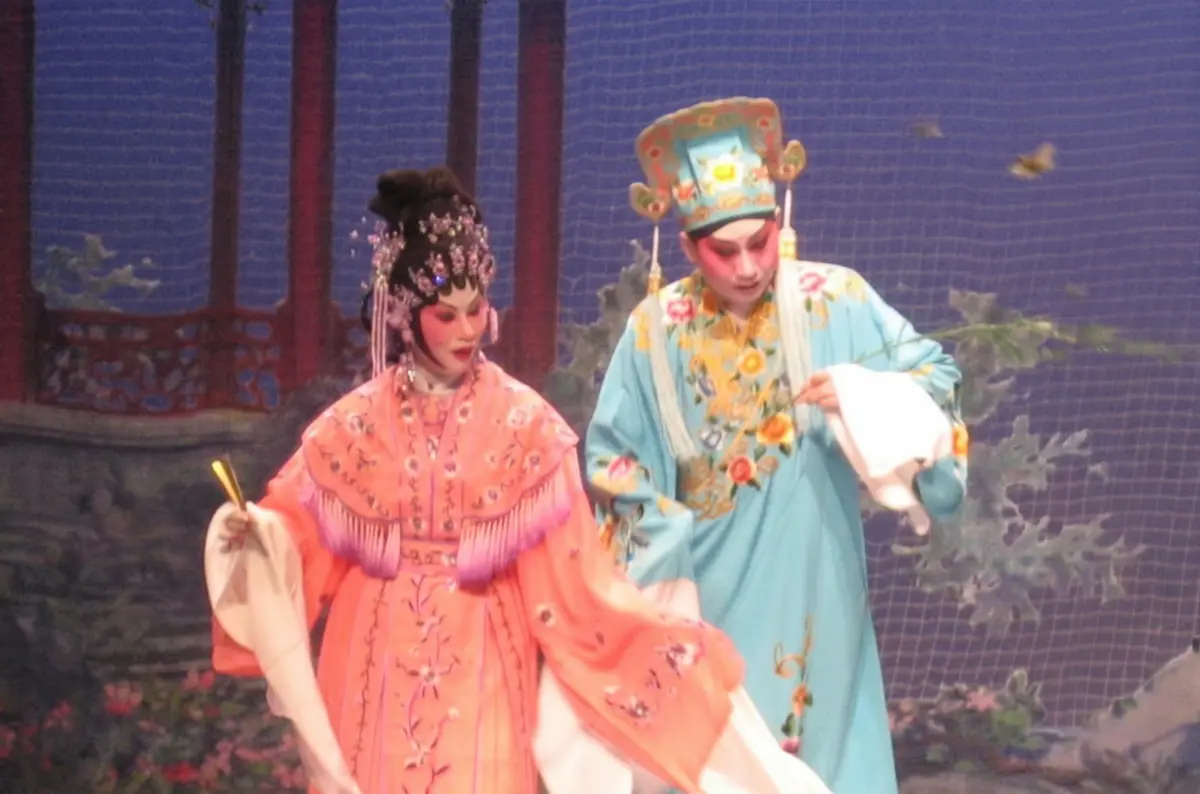
Cantonese opera, known locally as Yueju, is one of the defining performing arts of Guangdong and the wider Cantonese-speaking world. It combines singing, instrumental music, stylised acting, expressive gestures and carefully designed costumes to tell stories drawn from Chinese history, folklore and literature.
For international visitors, watching a performance offers an opportunity to encounter a theatrical tradition that has been passed down through generations. Even if you do not understand Cantonese, the music, visual symbolism and performers' movements can make the experience engaging.
Costumes and makeup often communicate a character's personality, status or role in the story. Traditional performances may include martial arts-inspired movements, dramatic gestures and musical passages that differ considerably from modern Western theatre.
Look for scheduled performances at established theatres or cultural venues in Guangzhou. Some shows may be traditional full-length productions, while others may feature shorter excerpts or introductory performances. Check the programme, language arrangements and ticket availability before visiting.
What to Look For
Traditional costumes, expressive makeup, live music, stylised movement and stories rooted in Chinese heritage.
Visitor Tip
Check whether English subtitles or programme notes are available if you want additional context for the performance.
2. Discover Chen Clan Ancestral Hall: A Masterpiece of Lingnan Craftsmanship
The Chen Clan Ancestral Hall is one of Guangzhou's most celebrated examples of traditional Lingnan architecture. Built in the late nineteenth century, the complex originally served as an ancestral hall and an educational centre for members of the Chen clan visiting the provincial capital.
Today, the building is admired for its elaborate decorative work, including intricate wood carvings, stone sculptures, brick reliefs, pottery figures and colourful architectural details. The craftsmanship offers a close look at the artistic traditions that developed in Guangdong.
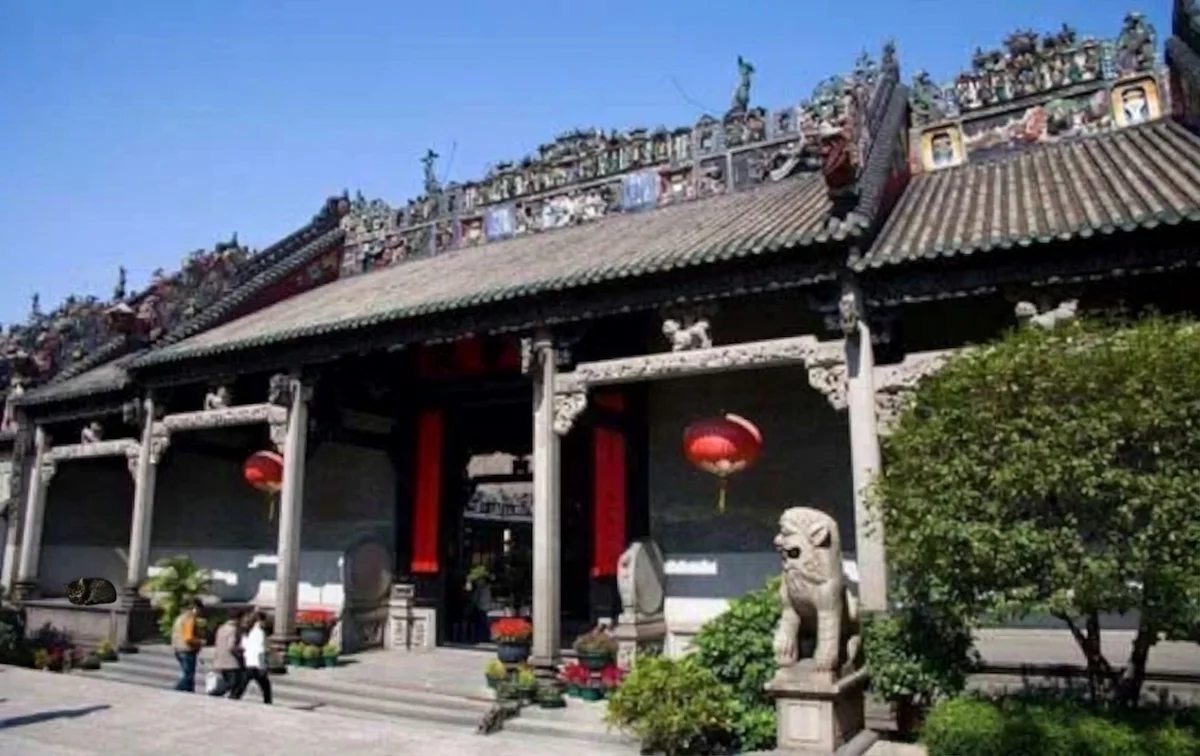
Take time to look beyond the overall structure and notice the smaller details above doorways, along roof ridges and around courtyards. Many decorative elements feature symbolic animals, plants, legends and auspicious motifs that reflect traditional Chinese artistic beliefs.
The complex is also associated with the Guangdong Folk Arts Museum, making it a useful stop for travellers who want to understand regional handicrafts as well as architecture. Allow enough time to explore the courtyards and exhibition spaces at a comfortable pace.
Look Beyond the Architecture
Instead of focusing only on photographs, pay attention to the building's carvings and decorative motifs. These details help explain how traditional craftsmanship, storytelling and cultural symbolism come together in Lingnan architecture.
3. Take Part in Cantonese Tea Culture: More Than a Cup of Tea
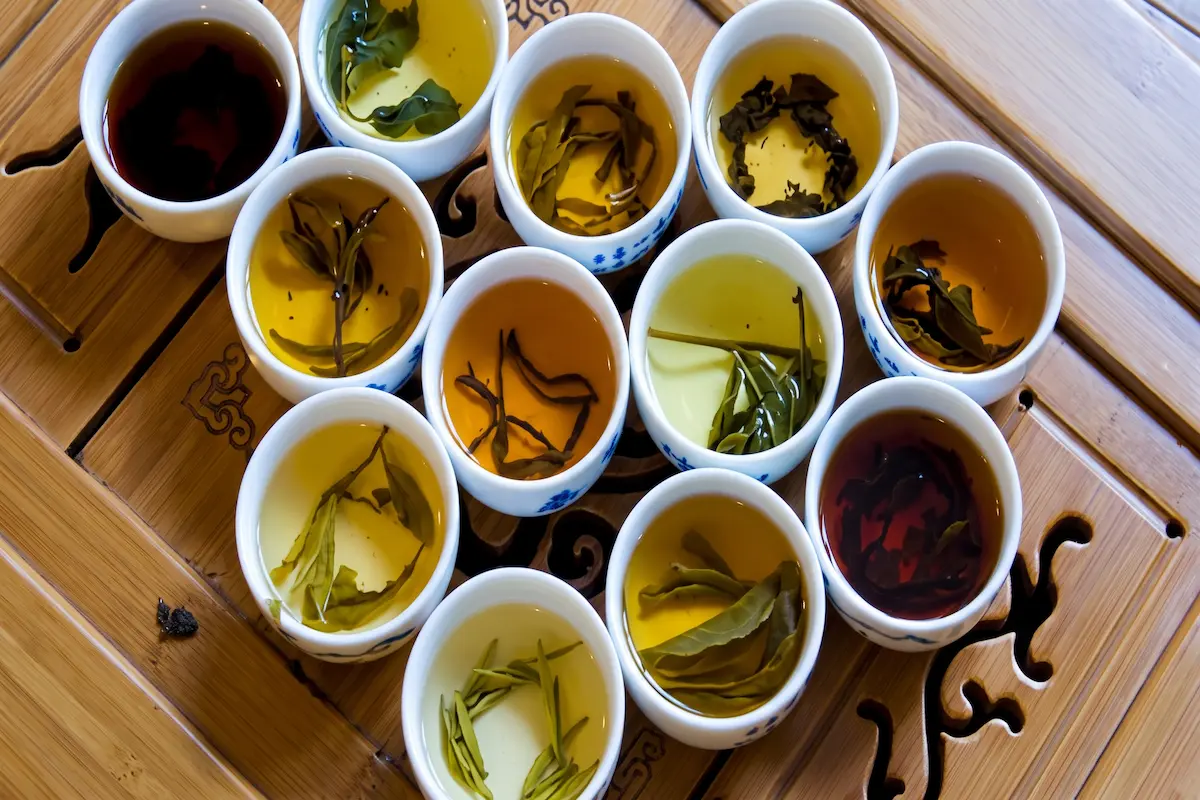
Tea drinking is an important part of everyday social life in Guangzhou. One of the best-known local traditions is yum cha, which literally refers to drinking tea and is commonly associated with enjoying dim sum in a tea house.
A traditional tea-house visit is as much about spending time together as it is about the drink itself. Families, friends and colleagues gather around tables, pour tea for one another and share food while catching up on daily life.
Different teas offer different aromas and flavours. Depending on the establishment, you may encounter varieties such as pu-erh, oolong, jasmine tea or chrysanthemum tea. Observing how tea is prepared and served can introduce visitors to customs that may be unfamiliar outside China.
A useful custom to know is the traditional finger tap. In some Cantonese tea-drinking settings, a person receiving tea may lightly tap two fingers on the table to express thanks when someone pours for them. Practices vary, but this small gesture is a memorable example of the etiquette associated with local tea culture.
What to Experience
Try a locally available Chinese tea, observe the serving ritual and, if you wish, pair it with dim sum.
Local Etiquette
Follow your host's lead, accept or decline additional tea politely and remember that tea houses are social spaces as well as places to eat.
4. Walk Through Yongqing Fang: Heritage in a Modern City
Yongqing Fang is a heritage district in Guangzhou's historic Xiguan area, known for its traditional streets, restored buildings and connection to the city's older urban character. The neighbourhood offers a different perspective on Guangzhou from its contemporary business districts and high-rise skyline.
As you walk through the area, you can observe elements of traditional Lingnan architecture alongside creative businesses, cultural spaces and modern adaptations of historic buildings. This combination makes Yongqing Fang particularly interesting for visitors curious about how a city preserves its heritage while continuing to develop.
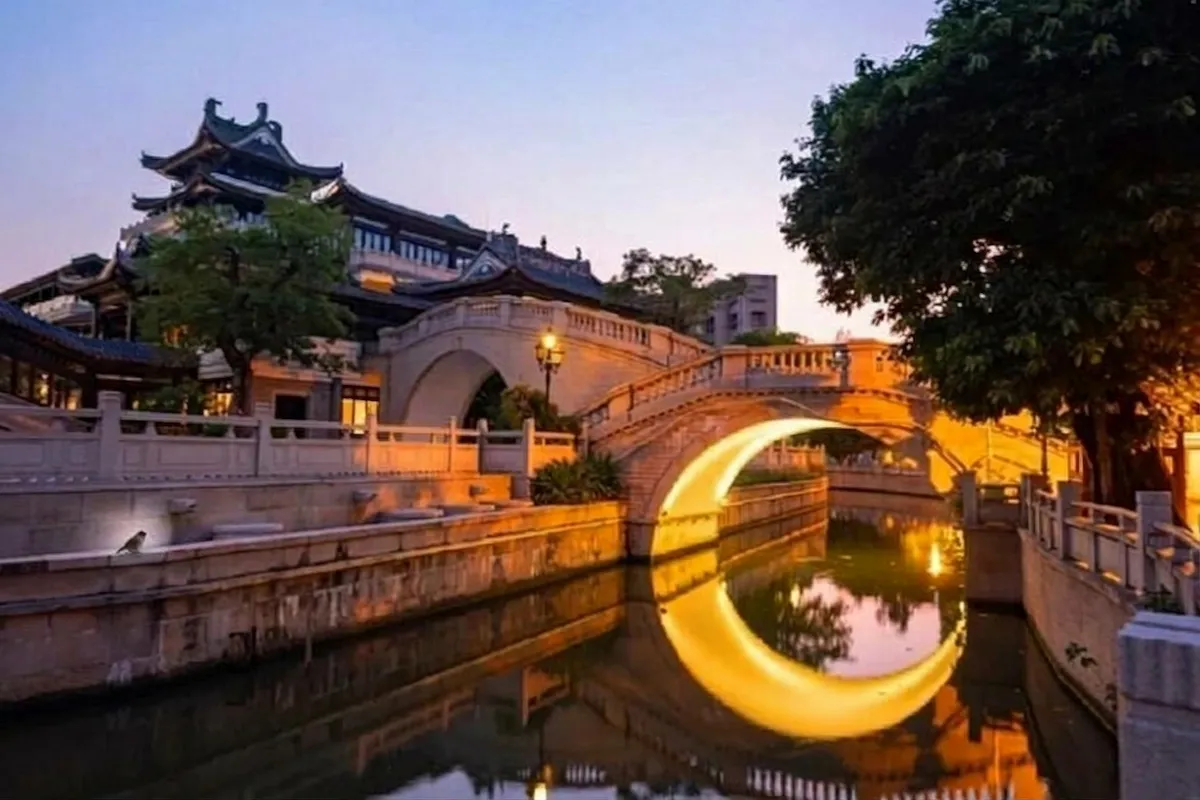
The surrounding Xiguan neighbourhood is associated with traditional Cantonese urban life and historic residential architecture. Depending on your route, you may notice old-style façades, narrow lanes, traditional shopfronts and details that contrast with modern commercial developments.
Yongqing Fang is suitable for a leisurely cultural walk. Visit during daylight if you want to examine architectural details, or check the current opening hours of individual cultural venues if you plan to explore exhibitions and indoor attractions.
Best For
Travellers interested in historic streets, traditional architecture, photography and the relationship between old and new Guangzhou.
Explore at Your Own Pace
Allow time to walk slowly, observe the surroundings and explore any open cultural venues that interest you.
5. Explore Cantonese Lion Dance: Rhythm, Skill and Symbolism
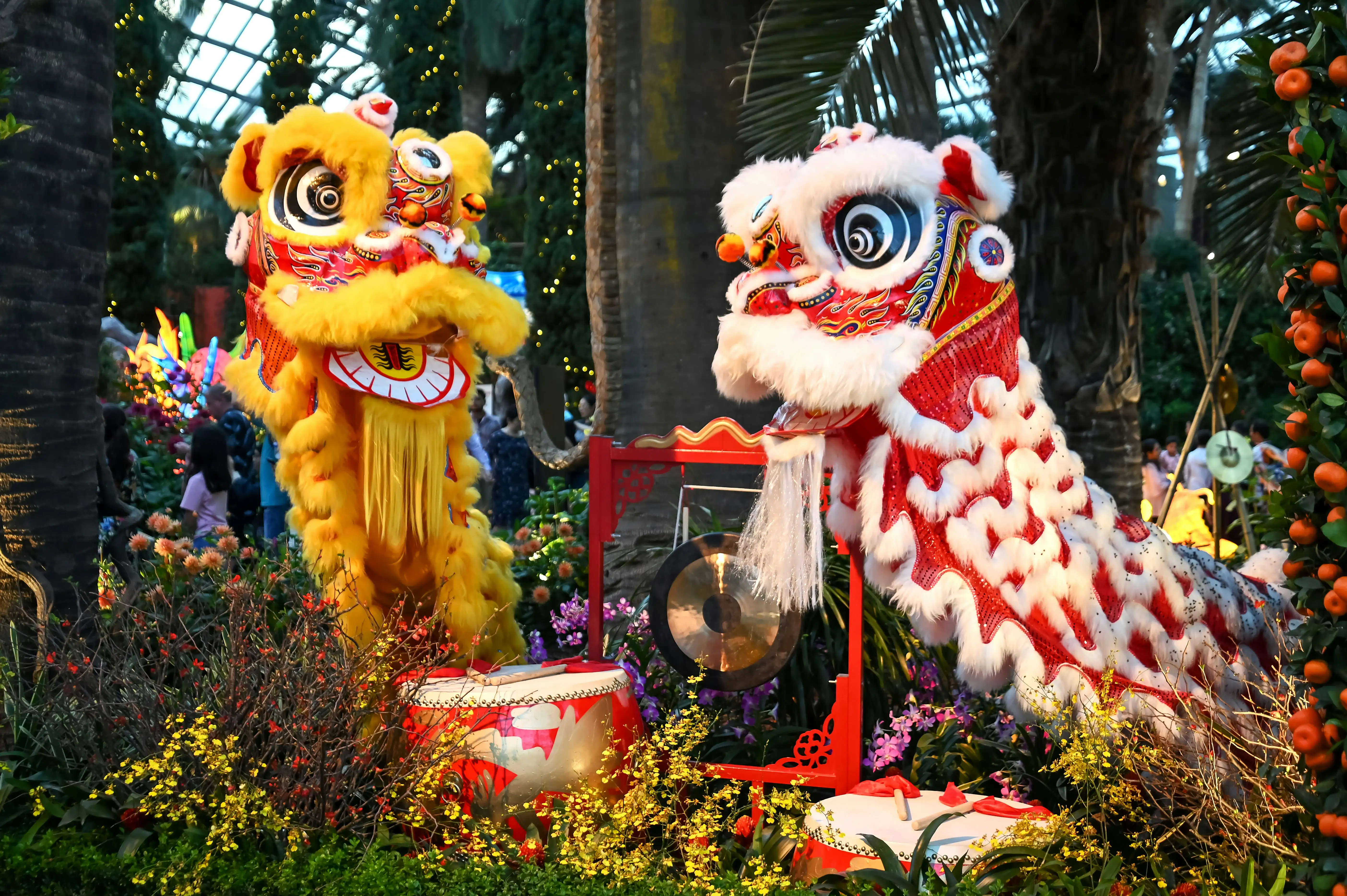
The Cantonese lion dance is a lively folk tradition associated with celebrations, community events and wishes for good fortune. Performers work together inside a colourful lion costume, coordinating movements to the beat of drums, cymbals and gongs.
Southern Chinese lion dance is known for its expressive movements and athletic sequences. The lion may blink, shake its head, explore its surroundings or perform balancing movements that require considerable coordination between the performers.
Lion dance performances are especially associated with Lunar New Year celebrations and the opening of businesses, although appearances vary according to local events and organisers. The performance combines physical skill, music, symbolism and community participation.
If you want to experience lion dance during your visit, look for publicly advertised cultural festivals, community celebrations or performances at established venues. Do not assume that a performance will take place on a particular date without checking the current event schedule.
Listen as Well as Watch
The drumming is central to the performance. Watch how the rhythm changes as the lion shifts from playful movements to more energetic sequences, and notice how the two performers coordinate their actions.
6. Visit Guangxiao Temple: A Journey into Buddhist Heritage
Guangxiao Temple is one of Guangzhou's historically significant Buddhist temples. Its long association with Buddhist learning and religious life makes it an important destination for visitors interested in the spiritual and architectural heritage of southern China.
Temple grounds provide an opportunity to observe traditional religious architecture, courtyards, incense rituals and the quiet routines of worshippers. The atmosphere can feel very different from the activity of the city's commercial streets.
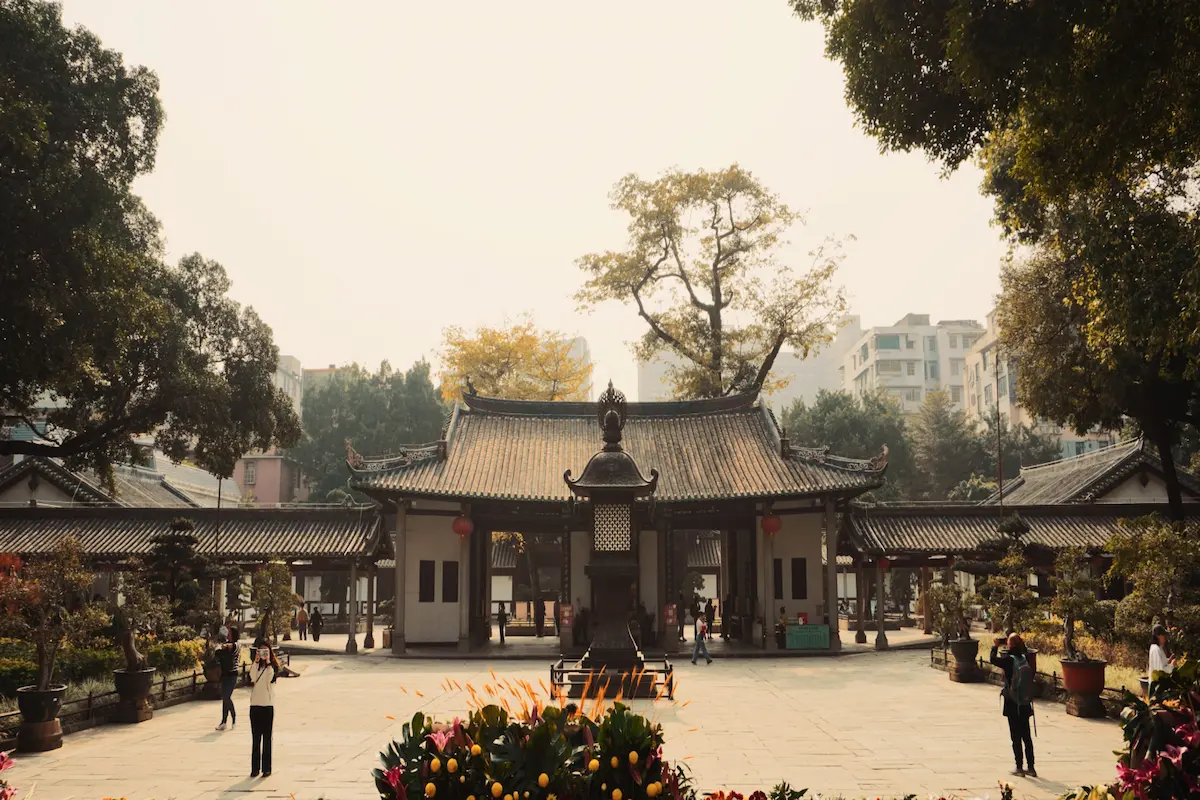
Religious sites can offer insight into the beliefs and practices that have shaped local communities over many generations. Visitors may see people offering incense, praying or spending quiet time in the temple grounds, depending on the day and current arrangements.
Dress respectfully, keep your voice low and follow any signs restricting photography or access. Remember that the temple is an active religious site, not simply a tourist attraction. Check visitor access and opening hours before travelling.
Cultural Highlights
Traditional temple architecture, Buddhist heritage, religious customs and the atmosphere of a historic place of worship.
Respectful Visiting
Observe local practices, respect worshippers' privacy and follow the temple's visitor guidelines.
7. Discover Traditional Cantonese Crafts and Folk Art
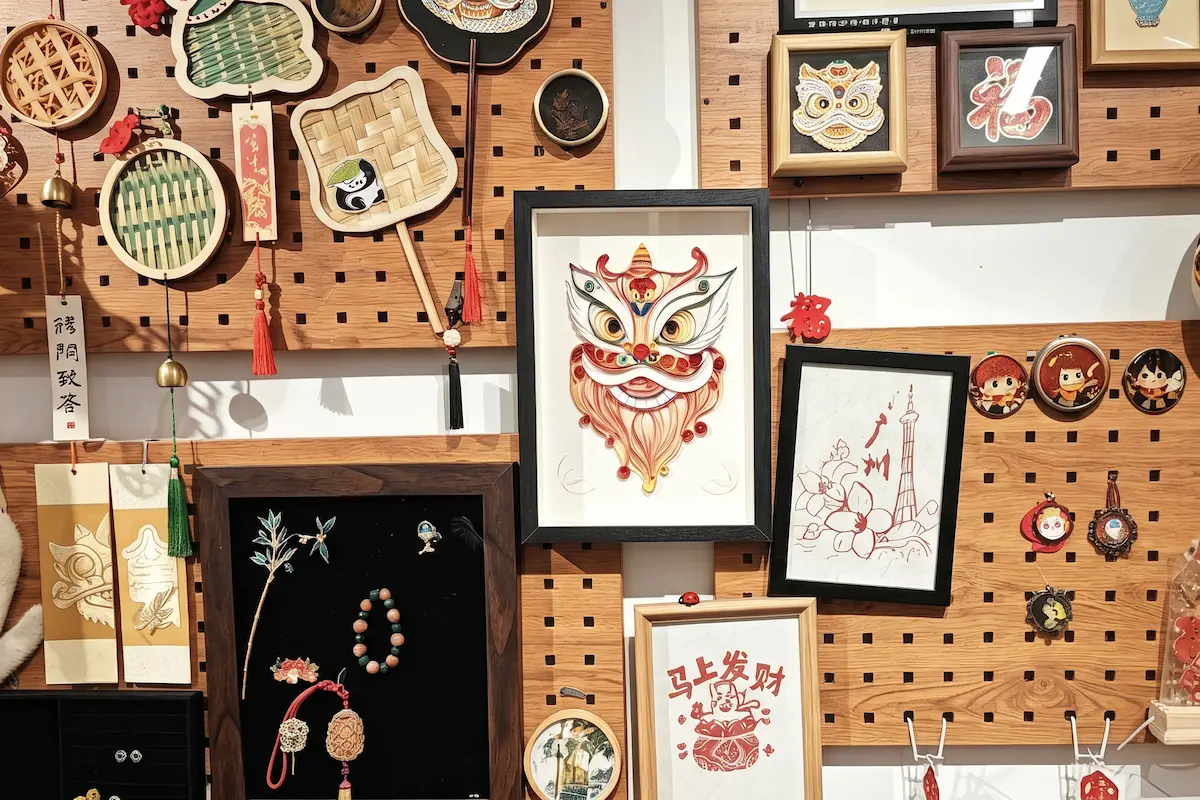
The cultural heritage of Guangzhou extends beyond architecture and performance into a wide range of traditional crafts. Guangdong has developed distinctive decorative arts, including embroidery, wood carving, ceramic work and intricate forms of ornamental craftsmanship.
These art forms reflect generations of specialised knowledge, from selecting materials to shaping delicate patterns and preserving traditional techniques. Many crafts also reveal influences from the region's trading history and its connections with other parts of China and the wider world.
A useful starting point is the Guangdong Folk Arts Museum at Chen Clan Ancestral Hall, where visitors can explore regional artistic traditions and decorative craftsmanship. Depending on the exhibitions available, you may discover how artisans use colour, texture, symbolism and detailed handwork to create distinctive pieces.
If hands-on workshops or craft demonstrations are available during your visit, they can provide a more personal introduction to the techniques involved. Availability varies, so check current programmes rather than assuming that demonstrations take place every day.
Artistic Traditions
Look for examples of regional embroidery, decorative carving, ceramic art and other traditional Guangdong crafts.
What to Notice
Pay attention to intricate details, symbolic patterns, material choices and the time required to produce handmade work.
8. Explore Shamian Island: Architecture and International History
Shamian Island is a historic district beside the Pearl River that offers a distinctive architectural contrast with many other parts of Guangzhou. Its streets feature historic buildings influenced by the area's role in nineteenth- and early twentieth-century international trade.
The neighbourhood's tree-lined streets, older façades and riverside setting make it a rewarding place to explore on foot. Its architecture tells part of the story of Guangzhou's connections with international merchants and the wider history of trade in southern China.
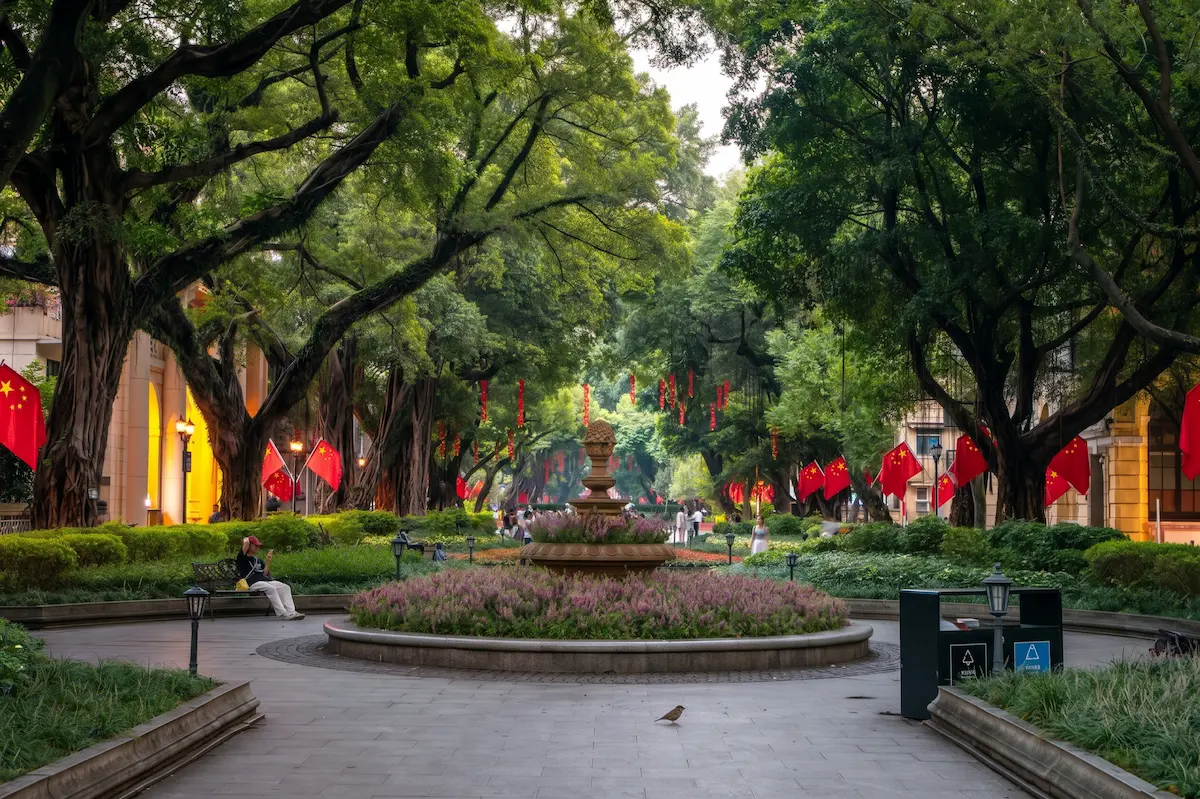
Walking around Shamian Island allows visitors to notice architectural styles, balconies, façades and public spaces that differ from traditional Lingnan buildings. This contrast provides an opportunity to think about the different cultural influences that have shaped Guangzhou over time.
The district is particularly suitable for a relaxed walk and architectural photography. To gain a fuller historical understanding, research the background of individual buildings and the area's role in international trade before your visit.
A Different Side of Guangzhou
Combine a walk through Shamian Island with a broader exploration of Guangzhou's historic districts to compare its different architectural traditions and understand how trade influenced the city's development.
9. Experience Traditional Chinese Festivals and Celebrations
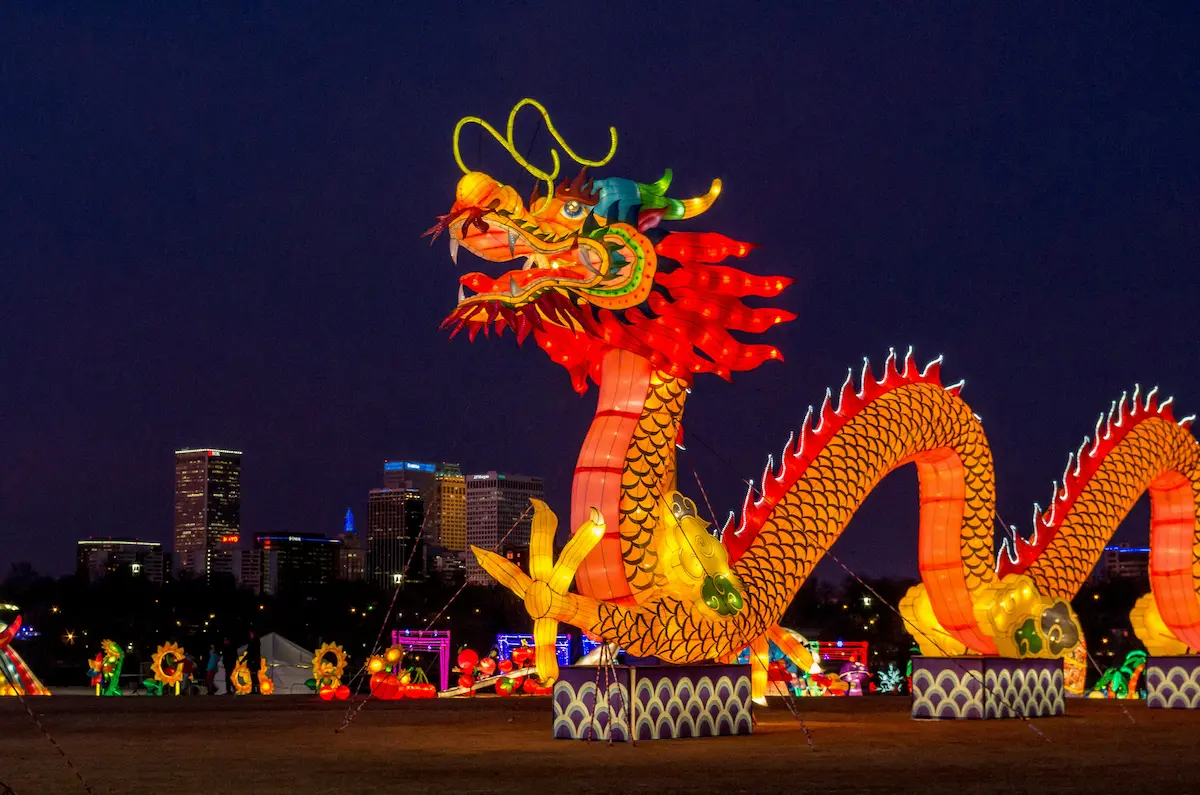
Festivals provide a window into the customs, family traditions and shared celebrations that remain important throughout China. Guangzhou observes major traditional festivals, although specific activities and public events differ from one year to another.
Lunar New Year is associated with family gatherings, festive decorations and wishes for prosperity. The Dragon Boat Festival is linked to dragon boat racing and traditional customs, while the Mid-Autumn Festival centres on family reunions, moon appreciation and seasonal foods.
Guangzhou's Cantonese heritage gives these celebrations their own local character. Depending on the date and location, visitors may encounter festive displays, community activities, cultural performances or special foods connected with the season.
Festival dates follow the traditional Chinese calendar and therefore vary on the Gregorian calendar. If you want to experience a particular celebration, check the dates and official event announcements before booking your trip. Large events can attract crowds and may affect transport arrangements.
Festivals to Learn About
Lunar New Year, the Dragon Boat Festival and the Mid-Autumn Festival are important starting points for discovering traditional Chinese celebrations.
Plan Ahead
Check the local event calendar, transport arrangements and opening hours because festival schedules can affect your itinerary.
10. Discover Cantonese Language and Everyday Local Customs
One of the simplest ways to connect with Guangzhou's cultural identity is to learn a little about Cantonese language and everyday social customs. Cantonese is widely associated with the city's local identity and differs in pronunciation, vocabulary and tones from Mandarin Chinese.
Although Mandarin is also widely used, recognising a few Cantonese expressions can make daily interactions more memorable. Even a short greeting or a polite expression of thanks can demonstrate an interest in local culture.
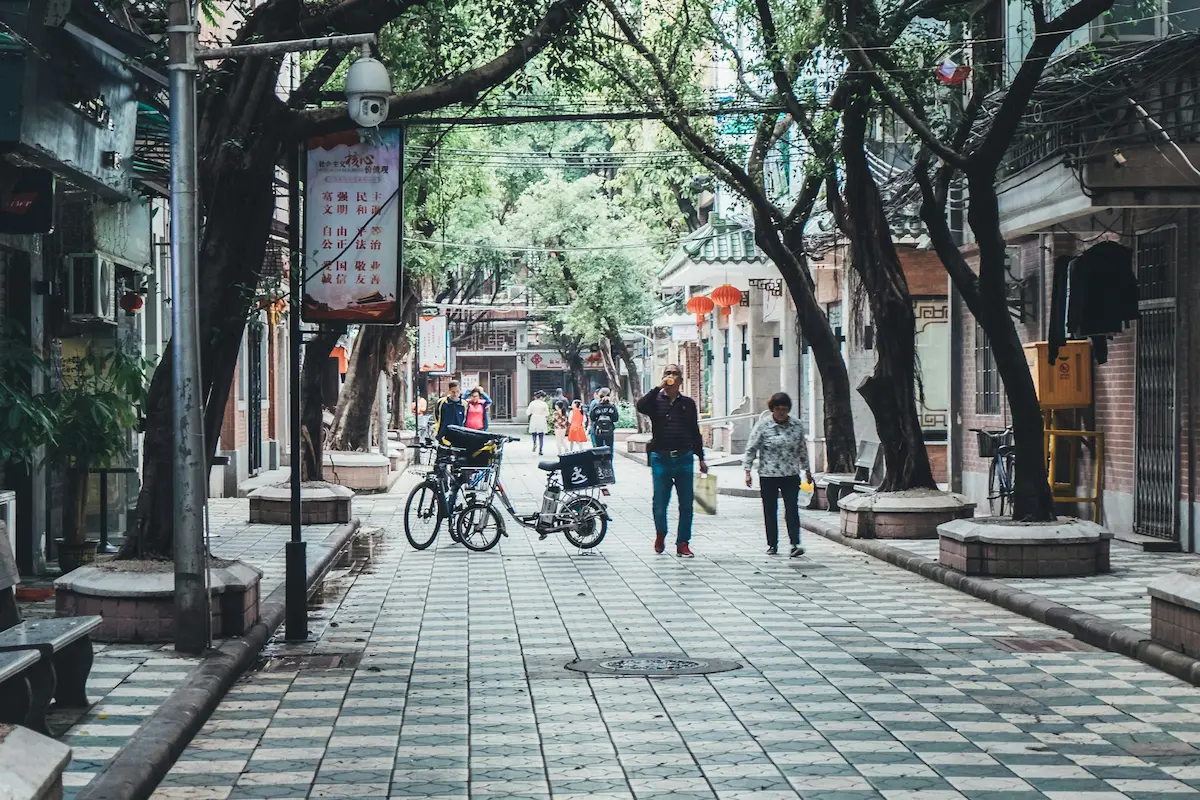
Start with a simple greeting such as néih hóu (hello) or m̀h'gōi (a common expression used for thanks in service situations, or when asking someone to do something). Cantonese pronunciation can be challenging for beginners, but listening carefully and practising respectfully can be a rewarding introduction.
Everyday cultural awareness also means being considerate in temples, asking permission before photographing people in personal or private settings, and following local guidance in public spaces. Observing how residents interact can help you understand customs that may not be explained in guidebooks.
Useful Cantonese Expressions
Néih hóu: Hello.
M̀h'gōi: Thank you in many everyday service situations, or please when requesting a service.
Respectful Travel
Be polite, respect religious and cultural spaces, and ask before taking close-up photographs of individuals.
How to Choose the Right Cultural Experience in Guangzhou
The best cultural activity depends on your interests, available time and travel style. Some experiences are best enjoyed through a guided visit, while others simply require time to walk, observe and appreciate the city.
For History Lovers
Prioritise Chen Clan Ancestral Hall, Guangxiao Temple and Shamian Island for architecture, historical context and heritage.
For Art and Performance Fans
Look for Cantonese opera performances, lion dance events and exhibitions showcasing traditional Guangdong crafts.
For Everyday Local Culture
Experience Cantonese tea culture, explore historic neighbourhoods and learn a few expressions in the local language.
For Transit Passengers
Choose one or two experiences in a practical location and allow sufficient time for transport, airport procedures and your onward flight.
Practical Tips for Exploring Guangzhou's Culture
Check Opening Hours
Museums, temples, theatres and heritage venues may have different schedules. Confirm access before travelling, especially on public holidays.
Prepare for Language Differences
Save destination names in Chinese and keep addresses available on your phone. English-language information may vary by venue.
Wear Comfortable Shoes
Historic districts and cultural sites are often best explored on foot, so comfortable footwear can make a substantial difference.
Plan Around Events
Book ticketed performances in advance where necessary, and check official announcements for seasonal celebrations and workshops.
Planning Your Cultural Visit from Baiyun Airport?
Before leaving Guangzhou Baiyun International Airport, confirm your terminal, onward departure time and transport options. Travellers on a layover should account for immigration, baggage arrangements, traffic and airport security. If your available time is limited, choose a single cultural destination instead of attempting to cover the entire city.
Final Thoughts: Discover the Cultural Soul of Guangzhou
Guangzhou's cultural appeal lies in the variety of traditions that continue to shape its identity. From the elaborate artistry of Cantonese opera and the craftsmanship of Chen Clan Ancestral Hall to the relaxed rituals of tea drinking and the historic streets of Shamian Island, the city offers many opportunities to connect with southern China's heritage.
You do not need to visit every attraction to gain a meaningful impression of Guangzhou. Choose the experiences that match your interests, take time to appreciate the details and remain curious about the customs you encounter. Whether you are spending several days in the city or planning an excursion during a longer stopover, a cultural perspective can make your visit more memorable.