
Everything You Need to Know Before You Visit
Beijing is a city where ancient imperial history and modern Chinese life exist side by side, home to famous landmarks, historic neighbourhoods, impressive museums, modern shopping districts and a food scene that goes far beyond Peking duck.
From walking through the Forbidden City and exploring traditional hutongs to discovering modern neighbourhoods such as Sanlitun, Beijing offers a fascinating mix of old and new. Whether you are visiting for a few days or starting a longer trip through China, this Beijing City Guide will help you understand what to see, where to stay, how to get around and what to expect.
Why Visit Beijing?
History, culture and modern city life in one place
Beijing is one of the best destinations in China for history, culture, architecture and local food. It has served as the capital of several major dynasties, and its historic centre holds some of the country's most important cultural landmarks.
At the same time, modern Beijing is a huge international city with contemporary restaurants, luxury hotels, shopping malls, art galleries, nightlife and fast-growing business districts.
Explore an imperial palace in the morning, eat noodles for lunch, wander a centuries-old hutong in the afternoon and end the day at a rooftop bar.
Best Things to Do in Beijing
Five essentials for your first visit
Explore the Forbidden City
The Forbidden City is one of Beijing's most important attractions and a must-see for first-time visitors.
Located directly north of Tiananmen Square, this enormous former imperial palace was home to China's emperors for centuries. Its courtyards, ceremonial halls, gates and traditional architecture are an excellent introduction to Beijing's imperial history. Allow several hours to explore it properly, especially if you plan to visit the surrounding area afterwards.
Tickets must be booked online in advance with your passport, daily visitor numbers are capped, and the palace is usually closed on Mondays (except public holidays).
Walk Around Tiananmen Square
Tiananmen Square is one of Beijing's most recognizable landmarks and one of the largest public squares in the world.
It is surrounded by major sights, including the Forbidden City, the National Museum of China and the Monument to the People's Heroes. Its central location makes it easy to combine with a visit to the Forbidden City.
Entry to the square requires an advance reservation and a security and ID check, so bring your passport.
Visit the Temple of Heaven
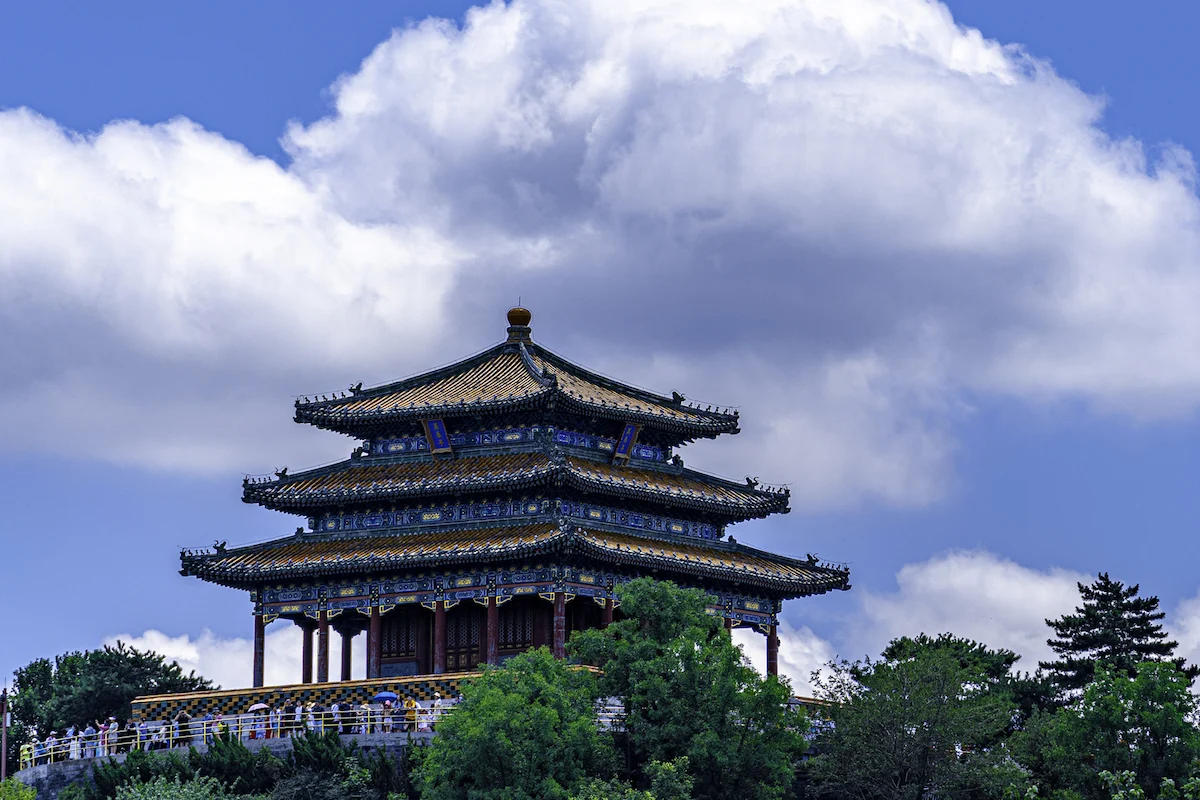
The Temple of Heaven is another essential stop for first-time visitors.
Emperors used this historic religious complex for ceremonies and prayers for good harvests. Today, its beautiful architecture and large surrounding park make it one of the most enjoyable places to experience Beijing's traditional culture.
Go early in the morning, when the park comes alive with locals practising tai chi, dancing, singing and exercising.
Walk Through Beijing's Hutongs
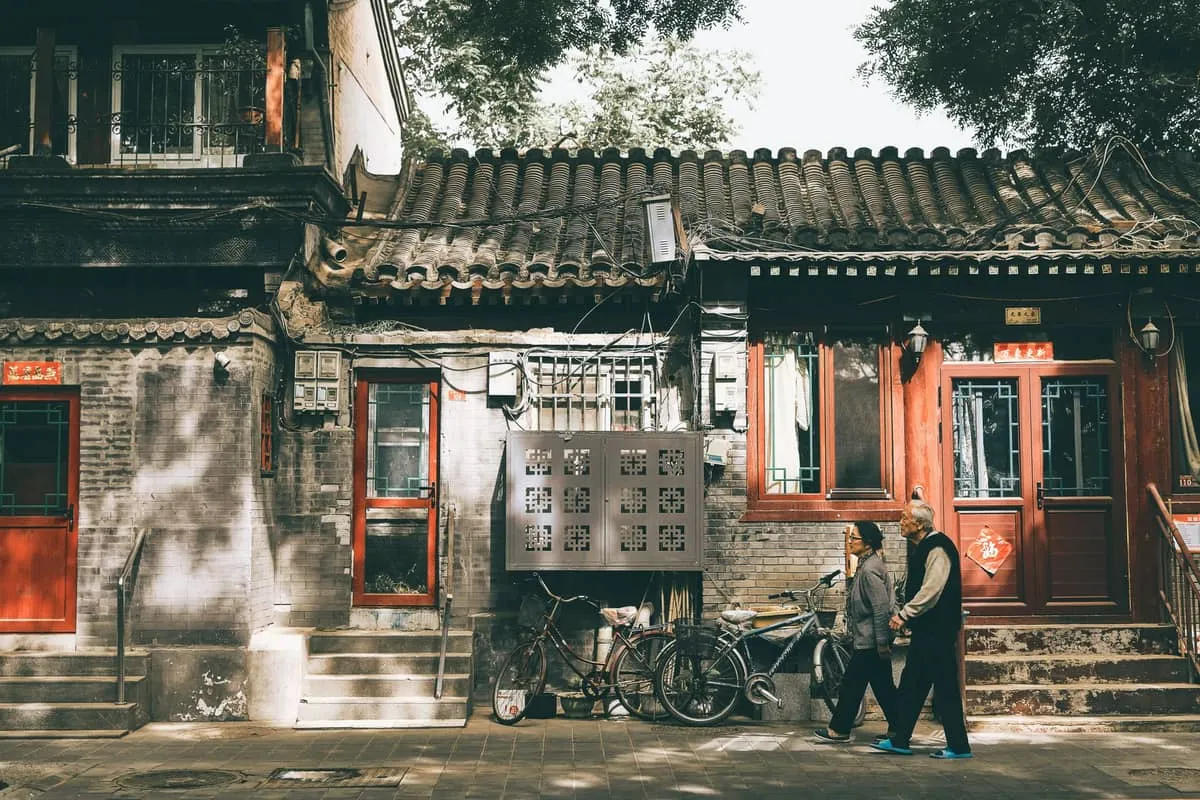
For a different side of Beijing, explore the city's traditional hutongs. These narrow lanes lined with historic courtyard homes offer a glimpse into everyday life in old Beijing.
The areas around Nanluoguxiang, Shichahai, Gulou and Yandaixie Street are particularly popular. Many hutongs are now home to cafés, restaurants, small shops and bars, perfect for a relaxed afternoon or evening walk.
Visit the Great Wall
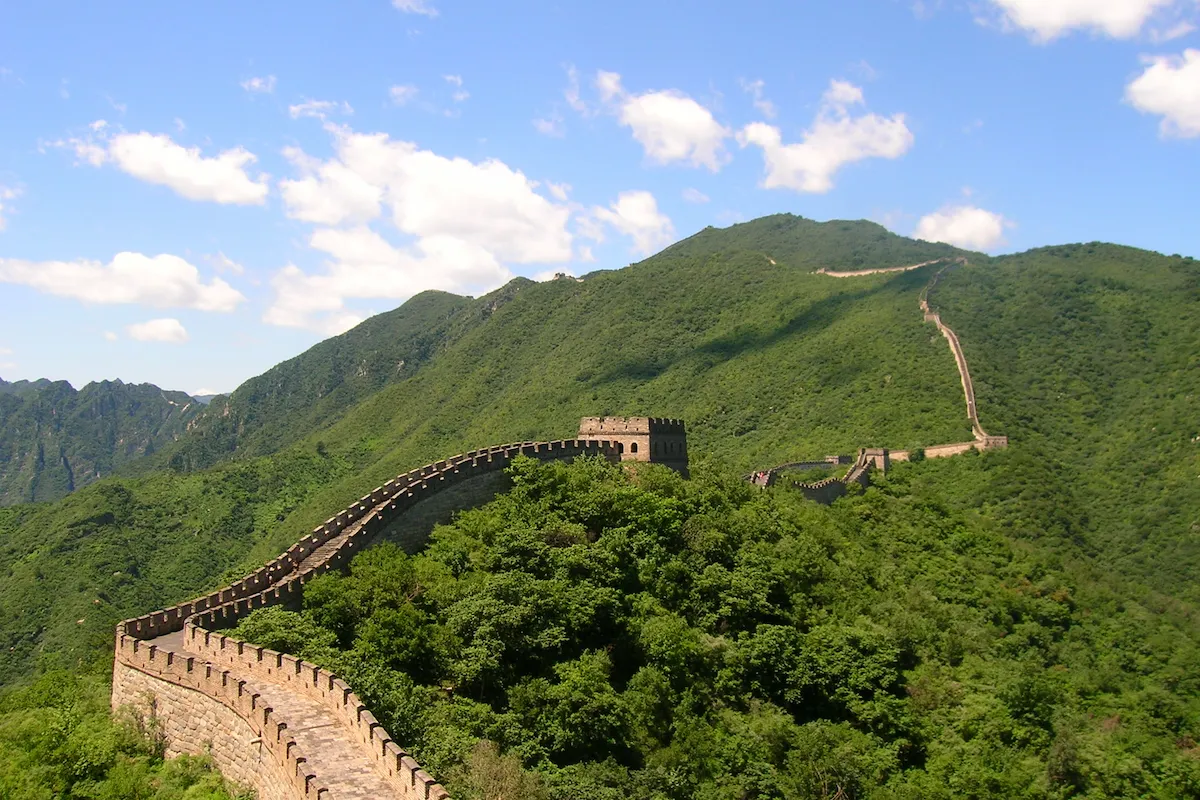
Although the Great Wall lies outside central Beijing, it is an essential part of most itineraries.
Several sections can be visited from the city. Mutianyu is one of the most popular with international travelers, offering impressive mountain scenery and generally fewer crowds than Badaling, the busiest section. Plan at least half a day, ideally a full day if you want to take your time.
Best Areas to Explore in Beijing
Every neighbourhood has its own character
Dongcheng
Home to the Forbidden City, Temple of Heaven, Tiananmen Square and many hutongs. Convenient for sightseeing, with plenty of restaurants and traditional streets.
Wangfujing
One of Beijing's best-known shopping areas, mixing big malls and international brands with restaurants and traditional shopping streets.
Sanlitun
The modern, international side of Beijing, known for contemporary restaurants, bars, cafés, shopping and nightlife.
Qianmen
A historic commercial area south of Tiananmen Square, full of restaurants, shops and historic buildings, and especially lively when lit up in the evening.
Gulou & Shichahai
Hutongs and lakes by day, cafés, restaurants and bars by night: traditional atmosphere with a younger scene.
What to Eat in Beijing
Food is an important part of any Beijing trip. Peking duck, served with thin pancakes, cucumber, spring onions and sweet sauce, is the star, but there is much more: rich soybean-sauce noodles, breakfast crepes, copper-pot lamb hot pot, dumplings, candied fruit and hearty local stews.
For a deeper look, see our guide to the Top 10 Foods in Beijing.
Shopping in Beijing
For modern shopping, Wangfujing, Sanlitun and Beijing APM are popular choices. For traditional products, explore Liulichang Culture Street, while Panjiayuan Antique Market offers a completely different experience.
For details, see our 10 Best Places to Shop in Beijing.
Getting Around Beijing
A huge city with a great public transport network
Beijing Subway
Usually the most practical option, linking major sights, shopping districts, railway stations and both airports. Pay with the transit QR code in Alipay or WeChat, or buy tickets at machines. Trains get very crowded at rush hour.
Taxis & Ride-Hailing
Taxis are widely available, and DiDi (also usable inside Alipay) is handy for places far from a station. Keep your destination written in Chinese.
Walking
The best way to explore hutongs, but distances between major sights are long. Take the subway for longer trips, then explore each neighbourhood on foot.
Where to Stay in Beijing
The best area depends on your trip
-
DongchengFirst-time visitorsCentral location close to the main historic attractions.
-
WangfujingShopping & convenienceShops, restaurants and hotels with easy access to central Beijing.
-
SanlitunNightlife & diningModern restaurants, nightlife, shopping and an international atmosphere.
-
Gulou & ShichahaiLocal atmosphereHistoric surroundings, hutongs, cafés and a more local feel.
How Many Days Do You Need in Beijing?
3 to 4 days is a good starting point
3-Day Itinerary
4 days or more: an extra day lets you add the Summer Palace, museums, more hutong time or a slower pace for food and shopping. If you love Chinese history and culture, five days or more makes for a much more relaxed trip.
Best Time to Visit Beijing
Spring and autumn are the sweet spots
Spring
Apr – MayComfortable temperatures and pleasant sightseeing weather; occasional windy, dusty days.
Summer
Jun – AugHot and humid, with most of the year's rain and busy school-holiday crowds.
Autumn
Sep – OctCool, clear days and the best views. Avoid the Golden Week holiday (1–7 October).
Winter
Nov – MarCold and dry, often well below freezing, but with fewer crowds.
Whenever you visit, check the weather and air-quality forecast before outdoor plans, especially a Great Wall hike.
Practical Tips for Visiting Beijing
A little preparation goes a long way
Prepare your apps
Google services, WhatsApp and many Western social networks do not work normally in China. Set up Alipay or WeChat Pay, a translation app and offline maps, and consider an international roaming eSIM, before you arrive.
Carry your passport
You need it to book and enter major attractions, buy train tickets and check into hotels.
Book ahead
The Forbidden City, Tiananmen Square and major museums have visitor limits or need advance reservations. Check the latest rules before you go.
Learn a few words
English is not widely spoken outside tourist areas. Simple phrases and destinations written in Chinese help a lot.
Allow more travel time
Beijing is much bigger than it looks on a map; sights that seem close can take a long time to reach at rush hour.
Check your entry options
Many nationalities can currently visit China visa-free or use the 240-hour visa-free transit. Confirm the latest rules for your passport before booking.
Is Beijing Good for First-Time Visitors to China?
Absolutely. From one base you can experience imperial history, traditional neighbourhoods, Chinese cuisine, modern city life, museums, shopping and the Great Wall. The city can feel overwhelming at first because of its size, crowds and pace, but once you organize your itinerary by neighbourhood, it becomes much easier to explore.
Final Thoughts
Beijing rewards travelers who take their time. Its landmarks are impressive, but some of the most memorable moments come from wandering a hutong, trying a local breakfast, visiting a neighbourhood market or watching everyday life in a park. Focus on the major sights, leave time for local neighbourhoods and do not try to see everything in one trip.
An unforgettable introduction to China's past and present.