

Dallas/Fort Worth International Airport (DFW) is one of the largest and busiest aviation hubs in the United States. Spread across five massive terminals, an overnight stay here means understanding how terminal transit runs late at night and knowing exactly where to find a quiet gate area to rest.
This guide covers everything you need for an overnight stop at DFW: how the terminals connect after security closes, which concourses stay calmest, how cold it gets indoors, and what to pack to make it through until the shops reopen.
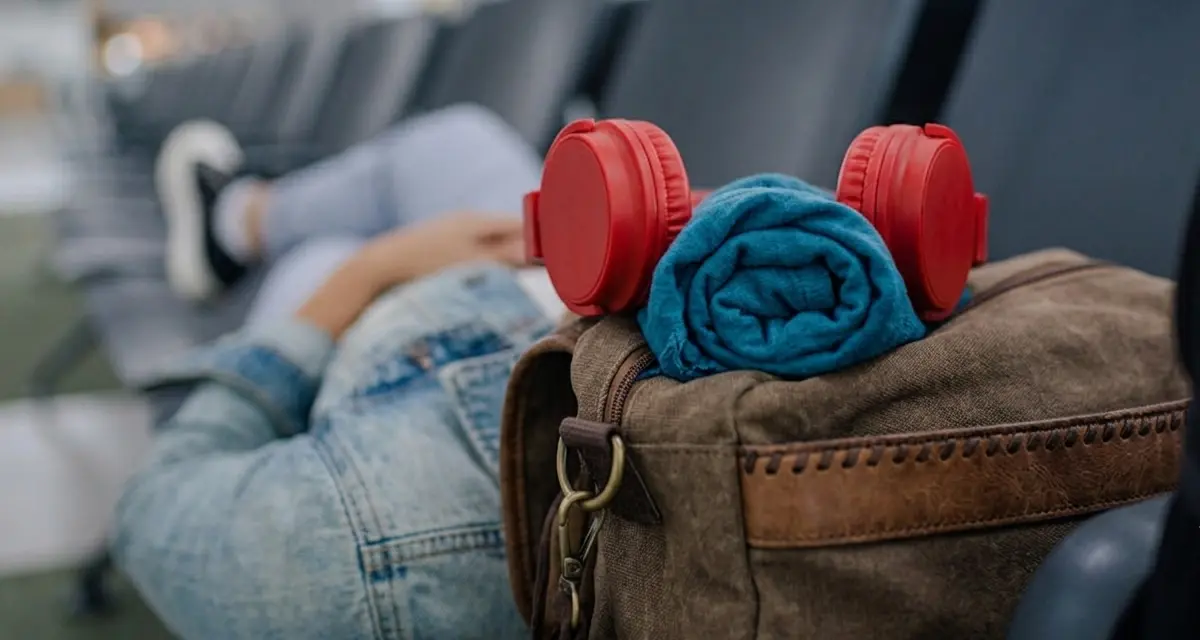
Whether you land in Terminal A, B, C, D, or E, the fundamentals of a DFW overnight stay stay the same: know your terminal, know your security status, and be ready for a cold night indoors.
Security & Terminal Layout Rules
DFW consists of five terminals: Terminals A, B, C, D, and E. Where you're allowed to wait overnight, and how freely you can move, depends entirely on which side of security you're on.
Airside (Post-Security)
Passengers holding a valid boarding pass for a connecting or early-morning flight can remain in the secure airside area overnight, with free movement between terminals via Skylink.
Landside (Pre-Security)
TSA checkpoints close overnight, generally between 10:00–11:00 PM and reopening around 3:30–4:00 AM depending on the terminal. Late arrivals must wait in baggage claim or check-in areas until then.
Skylink Inter-Terminal Transit
The automated Skylink train runs 24/7 on the secure side, connecting every terminal so airside travelers can move freely to search for a quieter rest spot.
Because checkpoint hours vary by terminal, confirm your exact reopening time with your airline before settling in — arriving a few minutes early is far better than missing the first security window of the morning.
Top Rest Areas Inside the Terminals (Airside - Post Security)
Central gate plazas and main concourse areas stay bright and busy all night with maintenance and cleaning crews. For a calmer rest, head toward the designated secondary sections below.
Environment
DFW's modern international terminal. The upper mezzanine level, away from the main concourses, sees significantly less foot traffic overnight.
Seating
Comfortable lounge-style seating, wide window alcoves, and carpeted sections near the upper-level walkways.
Environment
Primary domestic hubs for regional and national flights. Late-night activity clears out quickly once the last domestic arrivals land.
Seating
Carpeted gate areas near the outer ends of the concourses, with some padded benches and lower-lit seating alcoves.
Environment
Handles a mix of domestic carriers. The far wings of the concourse quiet down substantially once evening flight waves finish.
Seating
Family quiet areas and gate seating sections equipped with charging stations and padded chairs.
What to Expect Overnight
Before you settle in for the night, here's exactly what a DFW overnight stay feels like — from the lighting overhead to the last vending machine snack.
Lighting & Sound
Main corridors, gate seating, and concourses stay fully lit 24/7 for safety, with continuous PA announcements, automated safety messages, and floor-cleaning equipment.
Temperature
Air conditioning runs at high capacity through the night across all five terminals, with noticeable drafts near gate doors and glass exterior walls.
Food & Refreshments
Most restaurants and shops close between 10–11 PM and reopen around 5:30 AM. Vending machines near gate clusters are the main overnight option.
Water & Refill Stations
Free drinking water refill stations and fountains sit near restroom blocks in every terminal, so an empty refillable bottle passed through TSA is one of the smartest things to carry overnight.
Overnight Survival Checklist
Pack light, but don't skip these four essentials — they make the difference between a rough night and a genuinely restful one.
- Eye Mask & Noise-Canceling Headphones — essential to block out non-stop terminal lighting, floor scrubbers, and audio broadcasts.
- Warm Layering — a hoodie, heavy jacket or compact travel blanket counters the cold indoor climate control.
- Portable Power Bank — outlets and charging seats exist in most gate areas, but a portable charger lets you sit away from high-traffic zones.
- Empty Refillable Water Bottle — passes through TSA empty and can be filled at water dispensers throughout the airside concourses.