

Travel Tips for Visiting Denver, Colorado
Planning a trip to Denver? The "Mile High City" offers a unique blend of urban sophistication and outdoor adventure. To ensure a smooth and enjoyable visit, here are some essential travel tips covering everything from the best time to visit to navigating local customs and transportation.
Best Time to Visit Denver
Denver boasts distinct seasons, each offering a unique experience for visitors. Summer, from June to August, is highly popular for its warm, sunny weather, perfect for exploring city parks, attending outdoor concerts at Red Rocks Amphitheatre, and easy access to mountain activities like hiking and whitewater rafting. Many attractions extend their hours during this peak season, making it ideal for families and outdoor enthusiasts.
Alternatively, the shoulder seasons of spring (April-May) and fall (September-October) provide milder temperatures and fewer crowds, offering excellent conditions for hiking and enjoying the vibrant fall foliage in the nearby Rockies. Winter (November-March) transforms Denver into a snowy wonderland, catering to ski and snowboard enthusiasts heading to nearby resorts, while the city itself sparkles with holiday lights and offers indoor cultural events.
US Visa
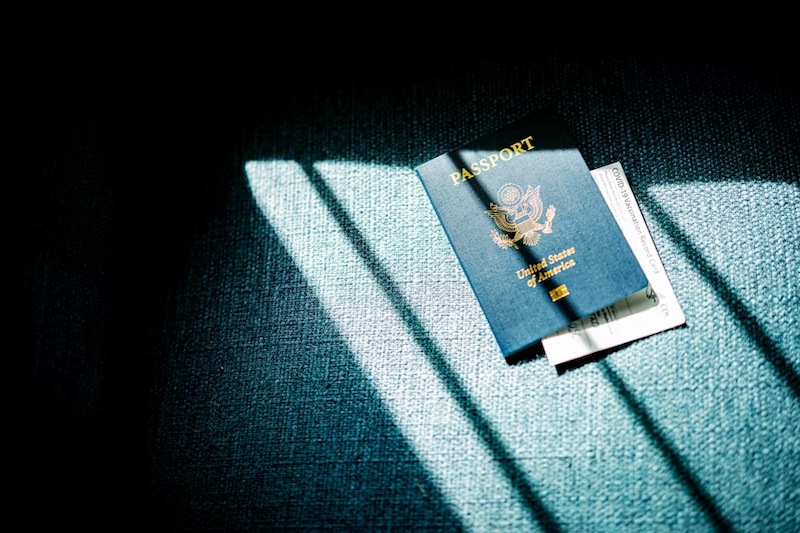
Generally, foreign citizens require a visa to enter the United States, either a nonimmigrant visa for temporary stays (like a B-1 for business or B-2 for tourism) or an immigrant visa for permanent residency. Many visitors may qualify for the Visa Waiver Program (VWP), allowing stays of up to 90 days without a visa, provided they obtain an approved Electronic System for Travel Authorization (ESTA) prior to travel.
For those not eligible for the VWP, a tourist visa application typically involves completing an online Form DS-160, paying a non-refundable fee, and attending an interview at a U.S. embassy or consulate. Applicants must demonstrate ties to their home country and sufficient funds for their trip. It's crucial to apply well in advance and ensure your passport is valid for at least six months beyond your intended stay.

US Currency
The official currency of the United States is the United States Dollar (USD). It is subdivided into 100 cents. Common denominations include bills of $1, $5, $10, $20, $50, and $100, and coins of 1 cent (penny), 5 cents (nickel), 10 cents (dime), and 25 cents (quarter).
Credit and debit cards are widely accepted throughout Denver, including in restaurants, shops, and for transportation services. While it's advisable to carry some cash for smaller purchases or tips, relying primarily on cards is generally convenient. ATMs are readily available for cash withdrawals.
Culture and Customs in Denver
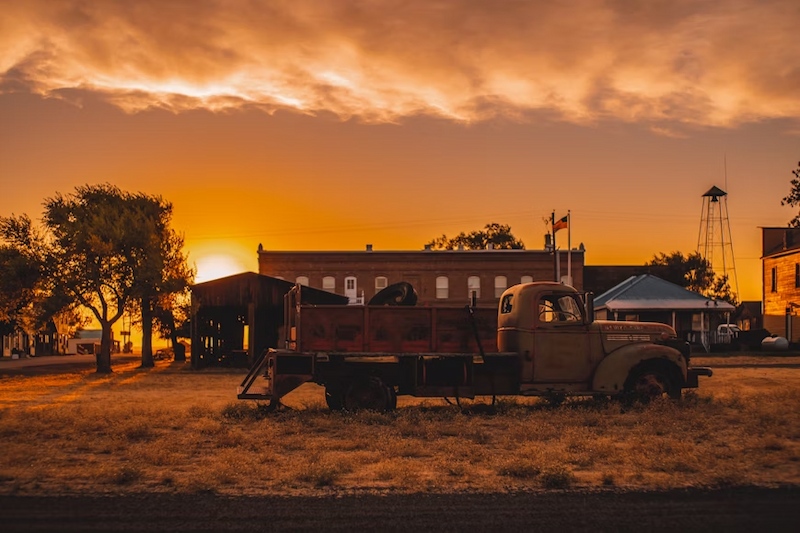
Denver's culture is a vibrant blend of its Wild West heritage, a strong appreciation for the outdoors, and a growing arts and culinary scene. Locals are generally laid-back and friendly, embodying an active and health-conscious lifestyle. It's common to see people engaging in outdoor activities, even within the city limits.
The city embraces sustainability, with efforts in recycling, public transportation, and supporting local businesses. Denver also has a thriving arts and culture scene, featuring numerous museums, art districts, and live music venues like the iconic Red Rocks Amphitheatre. Tipping for services, typically 15-20% in restaurants and for rides, is a common custom.

Safety
Denver is generally considered a safe city for tourists, particularly in popular and busy areas. However, like any major urban center, it's wise to exercise standard precautions against petty crimes such as theft, especially in crowded tourist spots like the 16th Street Mall. Avoiding isolated areas late at night and being aware of your surroundings are recommended.
The city's high elevation can cause altitude sickness in some visitors, so staying hydrated and acclimatizing slowly is important. Denver also experiences varied weather, including severe thunderstorms in warmer months and snow in winter, so checking forecasts and preparing accordingly is advisable for a safe and comfortable visit.
Transportation
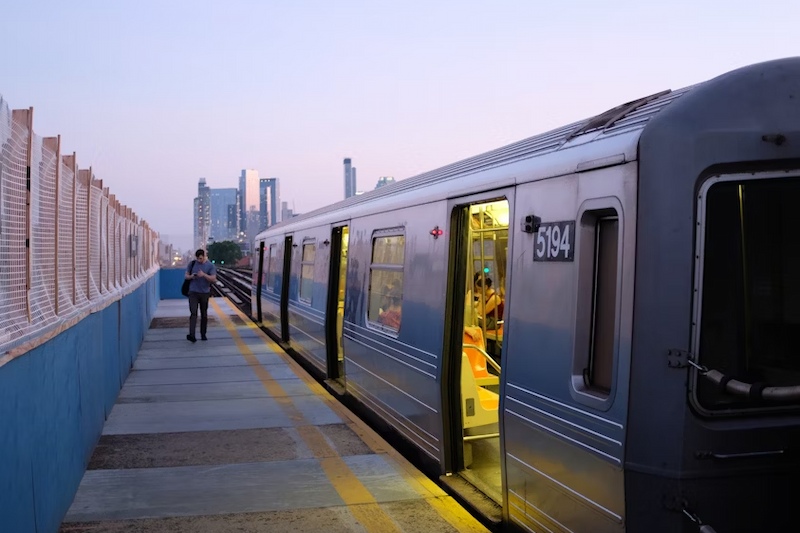
Denver offers a range of efficient transportation options, making it easy to navigate without a car. The Regional Transportation District (RTD) operates an extensive network of buses and light rail lines, connecting downtown with various neighborhoods and attractions. The A Line commuter rail provides a direct 37-minute link between Denver International Airport (DEN) and downtown's Union Station.
Within downtown, the free 16th Street MallRide shuttle offers convenient transport along the pedestrian-friendly mall. For shorter distances, Denver is a walkable city, and bike-sharing programs are available. Taxis and rideshare services like Uber and Lyft are also readily accessible throughout the metropolitan area.
Tourist Attractions
Denver boasts a diverse array of attractions appealing to various interests. Must-visit cultural institutions include the Denver Art Museum, known for its extensive collection, and the Denver Museum of Nature & Science, featuring engaging exhibits. The Denver Botanic Gardens offers stunning horticultural displays year-round.
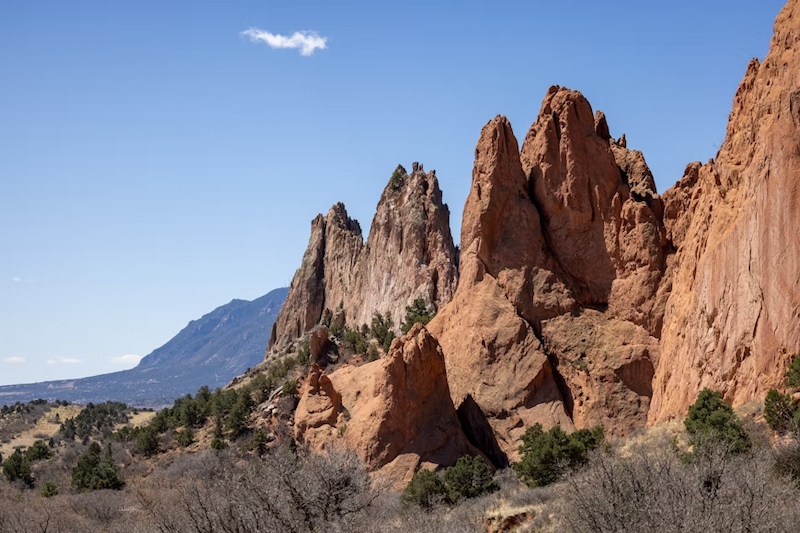
Outdoor enthusiasts will appreciate City Park, Washington Park, and the iconic Red Rocks Park and Amphitheatre, renowned for its natural beauty and concert events. Other popular sites include the historic Larimer Square, the bustling Union Station, and the Denver Mint. For family fun, consider the Downtown Aquarium or Elitch Gardens Theme & Water Park.
Terminals in Denver Airport
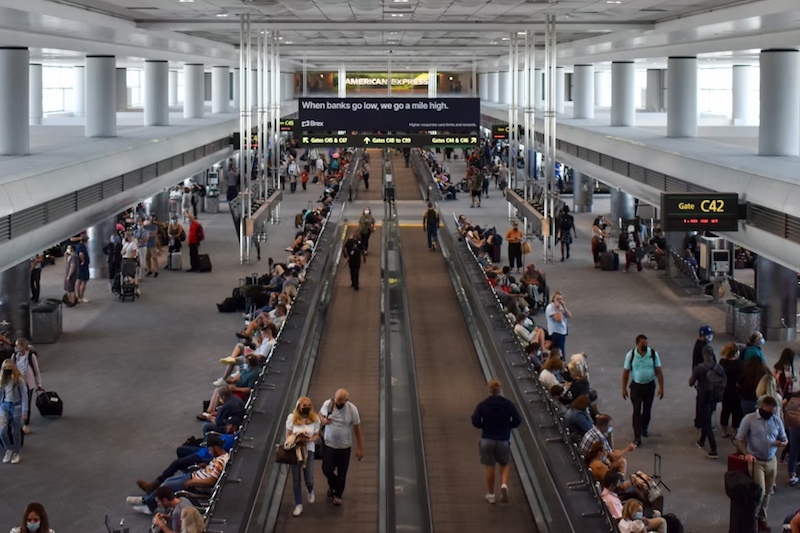
Denver International Airport (DEN) features a unique architectural design and is comprised of one main terminal building, known as the Jeppesen Terminal, and three outlying concourses. The Jeppesen Terminal handles all passenger services, including check-in, security checkpoints, customs, immigration, and baggage claim.
Beyond security, passengers access Concourses A, B, and C, which house the airline gates. Concourse A is accessible via a pedestrian bridge from the terminal or by an Automated Guideway Transit System (AGTS). Concourses B and C are only reachable by the AGTS, which efficiently transports travelers between the terminal and these concourses.
Dining and Shopping
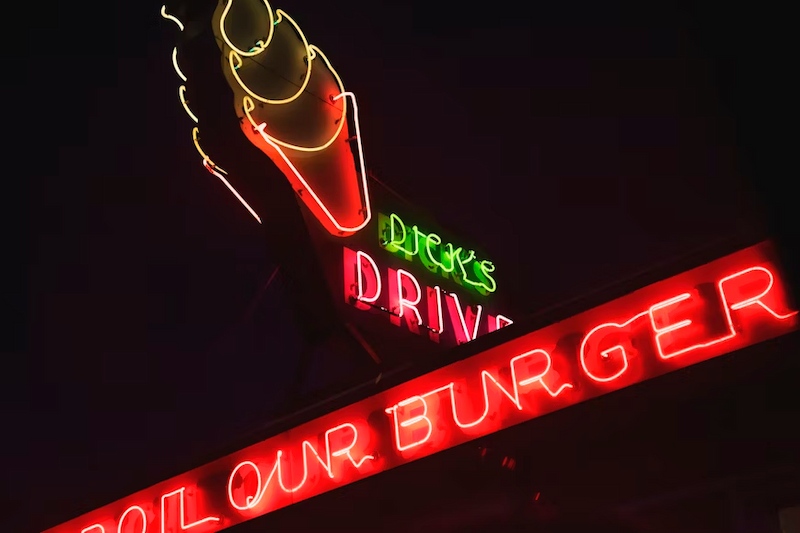
Denver's culinary scene is vibrant and diverse, ranging from upscale restaurants to casual eateries and innovative food halls. Popular dining areas include the LoDo (Lower Downtown) district, Larimer Square, and the RiNo Art District, offering a wide selection of cuisines. The city also embraces a strong craft beer culture, with numerous breweries to explore.
For shopping, Denver provides a variety of options. The 16th Street Mall is a central hub with numerous retail stores and Denver Pavilions. For more upscale boutiques and independent shops, visitors can head to Cherry Creek North. Other popular destinations include the outdoor shopping experience at The Shops at Northfield and the large Colorado Mills indoor outlet mall.
Travel Insurance in Denver Colorado USA
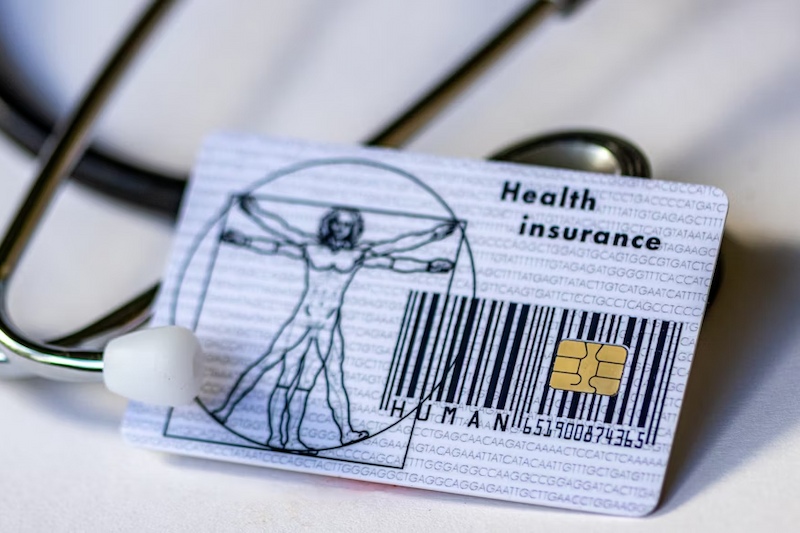
Travel insurance is highly recommended for visitors to the USA due to the high cost of healthcare. While not always a visa requirement, a visitor health insurance plan can provide crucial coverage for unexpected medical emergencies, accidents, or illnesses that may occur during your trip. These plans can cover eligible hospitalization, physician expenses, and emergency medical evacuation.
Many travel insurance policies for the USA also offer benefits for non-medical emergencies such as trip interruption, travel delays, and lost luggage. It’s important to review policy details carefully to understand coverage limits, deductibles, and any exclusions, especially regarding pre-existing medical conditions.
USA Tourist Pass
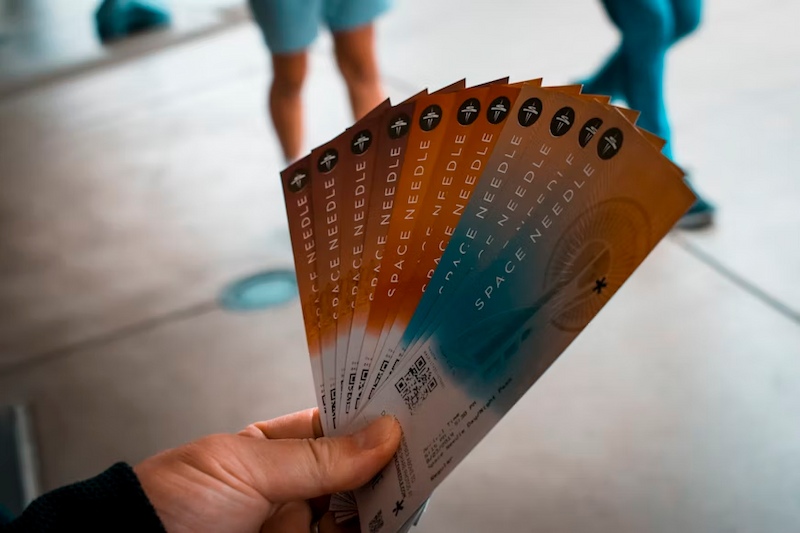
For travelers planning to visit multiple attractions across the United States, several tourist passes can offer significant savings. The "America the Beautiful" National Parks and Federal Recreational Lands Pass provides access to over 2,000 federal recreation sites, including national parks, for one year, making it ideal for those exploring multiple natural wonders.
Additionally, CityPASS offers discounted bundled admission to top attractions in various major U.S. cities, including Denver. These passes typically allow visitors to save on entry fees by purchasing a single pass for a selection of popular museums, gardens, and other tourist sites. It is advisable to compare the included attractions and prices to your itinerary to determine the most cost-effective option.