

John F. Kennedy International Airport (JFK) is New York's primary international hub, running 24/7 with a steady flow of long-haul arrivals and departures. It's also one of the few major hubs where the terminals genuinely don't connect once you're through security — a detail that shapes almost every decision you'll make about where to spend the night.
Here's the practical breakdown of an overnight stay at JFK: why you can't just wander between terminals airside, which gate areas actually go quiet, how cold it gets, and what's worth having in your bag before the shops shut down.
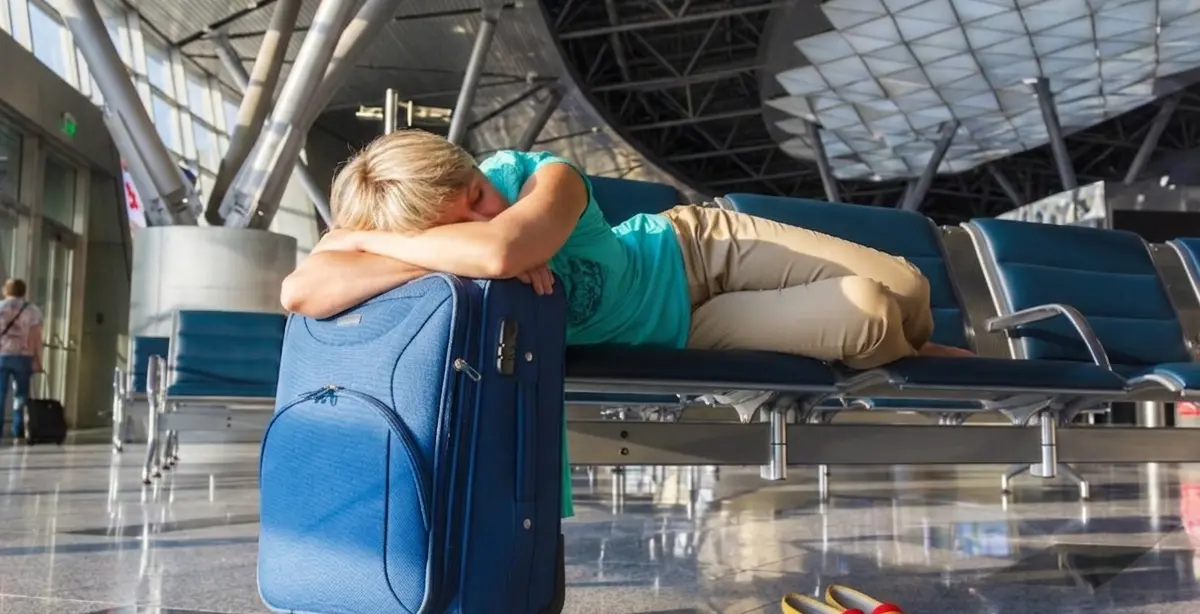
Land in Terminal 4 or connect through Terminal 8, and the overnight math stays the same: figure out your security status, pick your terminal carefully since you're stuck with it, and dress for the AC.
Security & Terminal Layout Rules
JFK operates five active terminals — Terminal 1, Terminal 4, Terminal 5, Terminal 7, and Terminal 8 — after Terminals 2 and 3 were demolished. Unlike most global hubs, these buildings are physically separate, and that single fact drives most of the planning for an overnight stay here.
No Airside Connection
Moving between terminals means exiting security, riding the AirTrain, and going through screening again at your next terminal — there's no walking it airside.
Airside (Post-Security)
Most checkpoints close overnight between 11:00 PM–midnight and reopen around 3:30–4:00 AM. A valid onward boarding pass keeps you airside within that one terminal.
Landside (Public Halls)
Late arrivals or early check-ins wait in the public arrivals halls, where Port Authority police check documents and morning flight tickets throughout the night.
The AirTrain runs all night connecting every terminal, parking area, and subway station, but remember it drops you landside — you'll need to clear security again at whichever terminal you head to next.
Top Rest Areas Inside the Terminals (Airside - Post Security)
The central shopping halls stay lit and busy with cleaning crews well past midnight. The outer concourse wings are where things actually settle down.
Environment
JFK's largest, most modern terminal runs 24 hours. The central hall stays busy, but Concourse A and the far reaches of Concourse B thin out significantly overnight.
Seating
Wide carpeted floor alcoves, padded gate seating, and quieter corners near the closed secondary departure gates.
Environment
JetBlue's home terminal has a spacious design with noticeably lower ceiling noise the further you get from the gate extremities.
Seating
Carpeted seating near Gates 25–30, off-peak food-court seating, and armrest-free benches near the family zones.
Environment
American Airlines' Oneworld hub spans two concourses linked by an underground tunnel. Concourse B's outer ends quiet down once transcontinental departures wrap up.
Seating
Carpeted gate alcoves, quiet corner seating, and lower ambient noise well away from the central security corridor.
What to Expect Overnight
Once you've claimed your spot, here's what the rest of the night actually feels like at JFK.
Lighting & Sound
Main avenues, gate corridors, and security zones stay lit around the clock. Expect intermittent TSA announcements, safety broadcasts, and floor scrubbers making their rounds.
Temperature
Climate control runs nonstop across every terminal, and it can get genuinely cold overnight near the glass facades and jetbridge doors.
Food & Refreshments
Dining and fast-food chains close between 10–11 PM and reopen around 5 AM, leaving vending machines near the gate clusters as your main option overnight.
Water & Refill Stations
Free bottle-refill stations and fountains sit near the restroom corridors in every active terminal, so bring an empty bottle through TSA rather than paying gate prices for water.
Overnight Survival Checklist
A short list, but skip any of these and the night gets a lot harder to get through.
- Eye Mask & Earplugs / Noise-Canceling Headphones — the lighting never dims, and there's a steady stream of PA announcements and maintenance noise to block out.
- Warm Layering — a hoodie, heavy sweater or compact blanket helps against the cool indoor air conditioning.
- Portable Power Bank — charging posts exist near most gates, but a battery pack lets you settle somewhere quiet instead of camping by an outlet.
- Empty Refillable Water Bottle — pass it through TSA dry and refill it at any airside dispenser.