
The Neighbourhoods That Shaped New York’s Sound
New York City’s music history is written block by block: smoky jazz basements in Harlem, street parties in the Bronx, and cramped folk cafés in Greenwich Village. Each neighborhood didn’t just host a scene it changed the sound of the world.
Category: Cultural / History
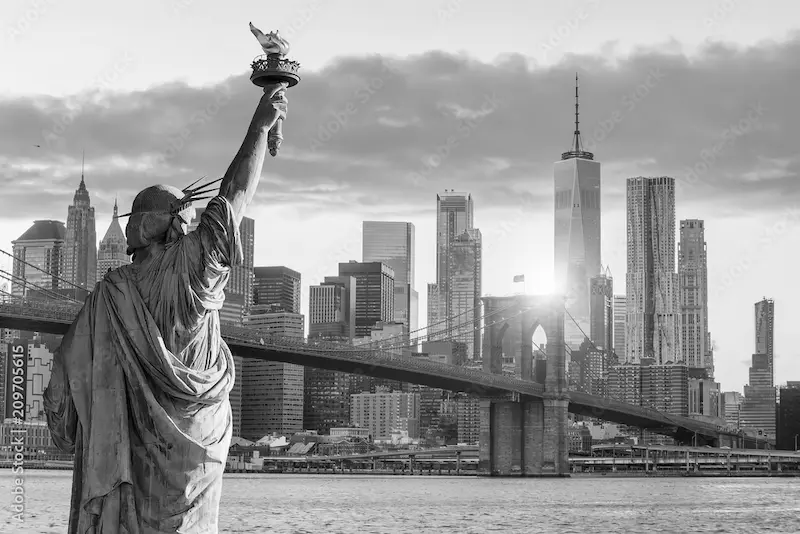
In New York, music is not a backdrop, it’s infrastructure. You hear it in subway tunnels, on brownstone stoops, and in neon-lit clubs that never fully sleep. From Harlem’s brass-soaked jazz nights to Bronx block parties birthing Hip-Hop and Greenwich Village’s smoky folk stages, each neighborhood became a laboratory where the next sound of America, and the world, was quietly being rehearsed.
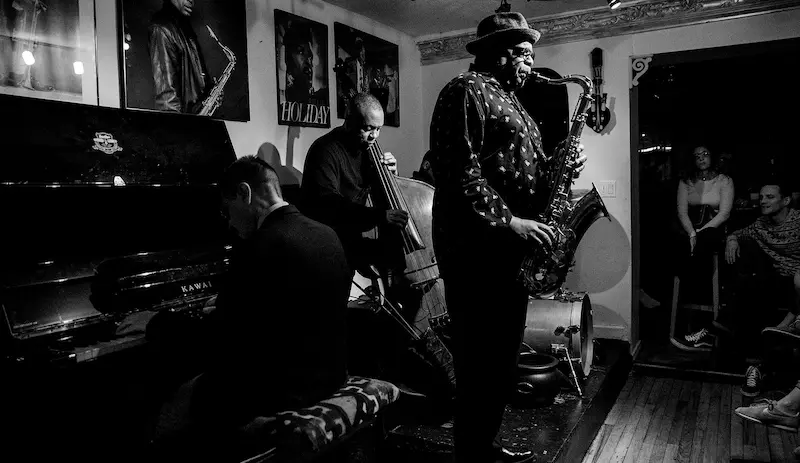
Harlem & Jazz: The Night the Horns Took Over
In the early 20th century, Harlem became the beating heart of African American culture. During the Harlem Renaissance, jazz wasn’t just entertainment – it was a language of identity, pride and resistance echoing through brownstone streets and late-night clubs.
- Apollo Theater: A legendary stage where icons like Ella Fitzgerald, Billie Holiday and James Brown turned Harlem into a global reference point for live performance.
- Jazz Clubs & Big Bands: From elegant ballrooms to intimate basements, swing and bebop grew here – horns, pianos and walking bass lines rewriting the rules of rhythm.
- Life in the Neighborhood: By day, Harlem explored poetry, politics and art; by night, it turned into a glowing corridor of clubs where musicians tested new harmonies until sunrise.
Editor’s note: Standing under the Apollo’s marquee today, you’re not just in front of a venue you’re at the front door of 20th-century Black music history.
Harlem jazz night
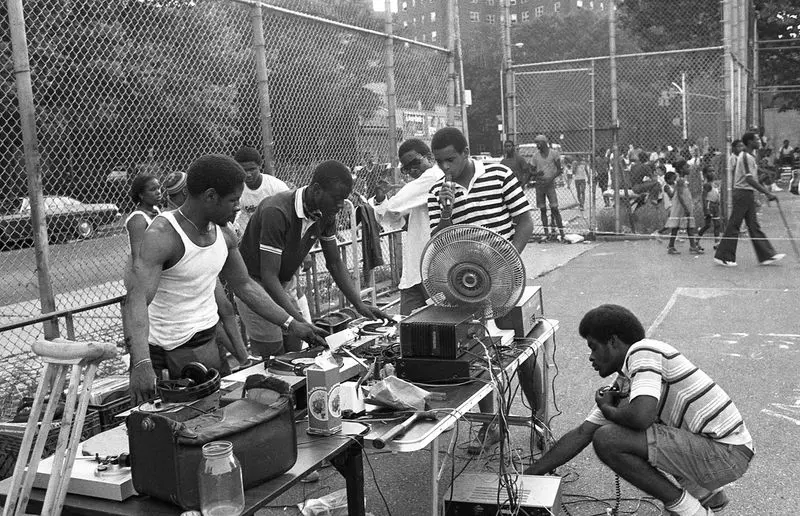
Bronx block party
Bronx & Hip-Hop: When the Streets Became a Studio
In the 1970s, as the Bronx wrestled with fires, poverty and neglect, young residents rewired the city’s sound system. Instead of recording studios, there were park jams, community centers and high-rise courtyards. Hip-Hop was born not as a product, but as a survival tool.
- DJs & Turntables: Innovators began looping the “breaks” of funk and soul records, stretching a few seconds of rhythm into endless danceable grooves.
- MCs & the Voice of the Block: Over those breaks, MCs told stories of buildings, trains, tension and hope – giving global listeners a front-row seat to Bronx life.
- Culture, Not Just Music: Graffiti, breakdance and DJ battles turned Hip-Hop into a full culture – style, movement and sound, exported from Bronx sidewalks to every continent.
Today, when a Hip-Hop track tops the charts in any language, a part of that victory still belongs to a turntable, two speakers and a borrowed power line in the Bronx.
Greenwich Village & Folk: Songs of Protest and Poetry
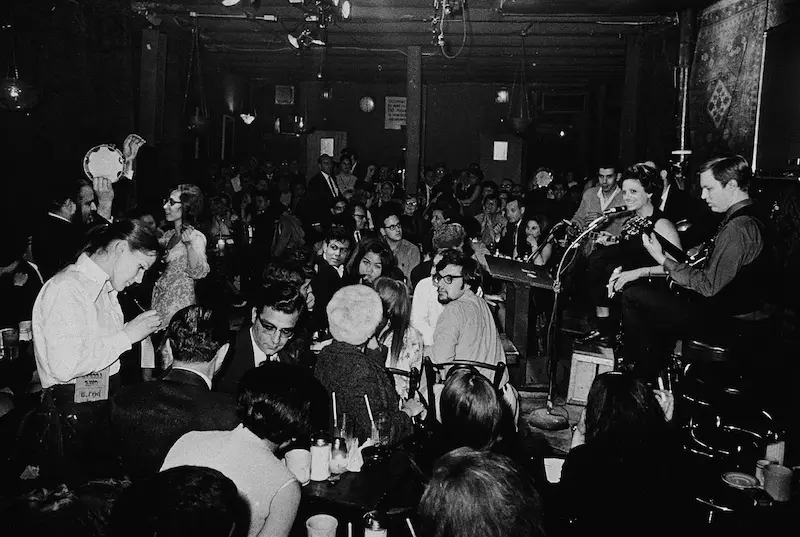
While Harlem swung and the Bronx scratched records, downtown Greenwich Village whispered and shouted through guitars. In the 1950s and 60s, its cafés and cramped basements became the unofficial parliament of American folk music.
- Cafés & Tiny Stages: Venues like Café Wha? and other Village haunts hosted emerging voices – including a young Bob Dylan – who sang of war, injustice and change.
- Lyrics as Headlines: In an era before social media, folk songs carried news and opinion. A guitar and a notebook could travel further than any newspaper.
- Community of Outsiders: Beat poets, activists, students and dreamers gathered here, turning the Village into a crossroads of ideas that shaped the soundtrack of the 60s.
The Village didn’t invent the folk tradition – but it gave it a microphone, a smoky room and an audience ready to listen.
Greenwich Village café stage
A Sound Map of New York City
How to Experience New York’s Music Neighborhoods Today
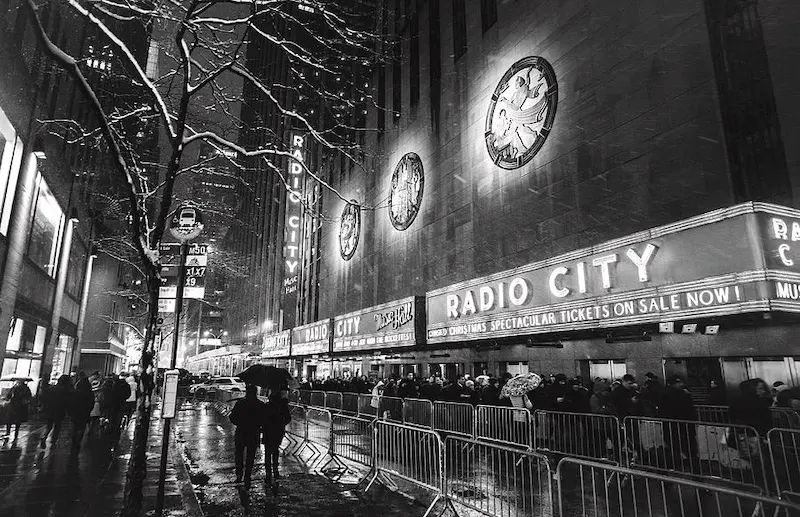
New York’s music isn’t locked in museums it still leaks from open windows, club doors and subway cars. Whether you’re standing under Harlem’s neon, tracing lyrics in the Bronx, or sipping coffee in a Village café, remember: you’re not just visiting a city, you’re walking through the living archive of modern music.