

Ashura Day is observed on the 10th day of Muharram, the first month of the Islamic lunar calendar, and holds a profound place in the hearts of millions of Muslims worldwide. It serves as both a remembrance of historical events and a reminder of universal moral values. In Shia tradition, the day centers on the martyrdom of Imam Hussain, the grandson of Prophet Muhammad, at the Battle of Karbala; a symbol of justice and resistance against oppression. In Sunni tradition, Ashura is also associated with the deliverance of Prophet Moses and the Israelites from Pharaoh, and it is recommended to fast on this day. Despite different interpretations and practices, Ashura’s core message is loyalty to truth, patience in adversity, and compassion for others. This makes Ashura not only a memorial of the past but also a call to live by noble principles today.
Historical Background of Ashura
The historical roots of Ashura lie in the tragic events of Karbala in 680 CE. Imam Hussain, refusing to legitimize injustice by pledging allegiance to Yazid ibn Muawiya, chose to stand firm for truth even against overwhelming odds. The battle ended in martyrdom for Hussain, his family, and his companions, but their sacrifice became an enduring moral compass for generations. Ashura also connects to earlier prophetic history; notably, the deliverance of Prophet Moses and the Israelites from Pharaoh’s army. This dual historical link bridges the narratives of resistance, faith, and divine justice. As a result, Ashura is remembered across the Islamic world with varying traditions but shared reverence.
What Happened on Ashura Day:
On Ashura Day in the year 680 CE, the Battle of Karbala reached its heartbreaking climax. Imam Hussain, the grandson of Prophet Muhammad, stood with a small group of family members and companions, facing the massive army of the Umayyad ruler Yazid ibn Muawiya. For days, they had been denied water under the scorching desert sun, causing unbearable thirst, especially among the children. Refusing to surrender to an unjust regime, Hussain fought with unmatched courage until he and nearly all of his male supporters were killed by the afternoon of the 10th of Muharram. The women and children were taken captive, marking the day as one of the most painful yet inspiring moments in Islamic history; a timeless symbol of sacrifice, justice, and steadfast faith.
Religious Significance in Islam
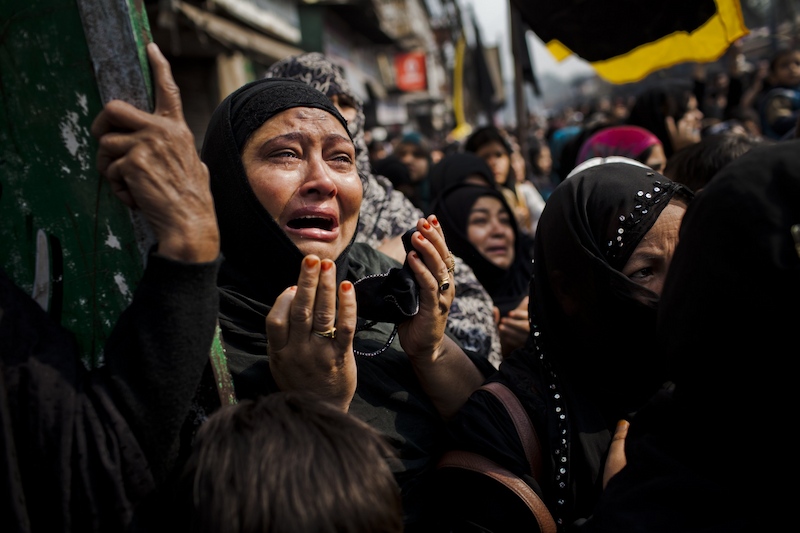
Ashura is a day to demonstrate faith through action, not just belief. For Shia Muslims, it is a time of mourning, reflection, and preserving the moral legacy of Karbala. For Sunni Muslims, it is an opportunity to observe voluntary fasting following the Prophet Muhammad’s example. The essence of the day lies in devotion to God, resistance against injustice, and respect for the rights of others. Many also use the day for acts of charity, Quran recitation, and self-improvement. This makes Ashura a spiritual checkpoint that nurtures both personal growth and social conscience.
Key virtues of Ashura include:
- Willingness to sacrifice for justice
- Loyalty to truth and integrity
- Patience, perseverance, and steadfastness
- Compassion, generosity, and sharing
Commemoration Practices Around the World
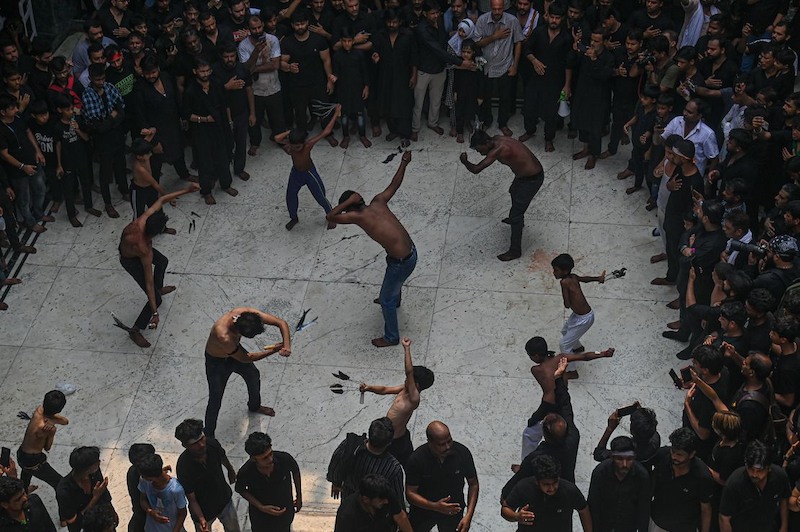
The way Ashura is observed varies by region and religious tradition, but the intention is often similar. In Shia communities, mourning rituals such as processions, recitation of elegies (marsiya), and public gatherings are common. Acts of charity, such as distributing food and water to commemorate the thirst of Karbala’s martyrs, hold special meaning. In Sunni communities, voluntary fasting, prayer, and reflection on prophetic history are central practices. Across the globe, Ashura serves as a reminder to strengthen faith, honor sacrifice, and uphold moral values.
Common observances include:
- Fasting, prayer, and Quran recitation
- Mourning ceremonies and elegy recitations
- Offering food and water to others
- Charity and community service
Lessons and Values from Ashura
The message of Ashura transcends religious boundaries and speaks to universal ethics. Karbala teaches that power is temporary, but justice is eternal; numbers may be against you, but truth remains undefeated. The day reminds believers of the moral responsibility to speak against injustice, even at great personal cost. It also strengthens empathy; remembering the thirst of Karbala’s martyrs encourages us to help those in need today. On a personal level, it emphasizes honesty, integrity, and sacrifice over short-term gain. In this way, Ashura connects personal moral growth with the pursuit of justice in society.
Practical takeaways:
- Stand firm against injustice
- Share resources and avoid waste
- Support those in distress
- Choose long-term ethical values over short-term benefits
From Karbala to Today: Keeping the Spirit of Ashura Alive
Ashura shows that history’s pain can be kept alive with hope, not just sorrow. The tragedies of the past guide present responsibilities and inspire the pursuit of a more just future. The greatest gift of Ashura is its call to raise our moral voice and turn compassion into action. Whether through fasting, mourning, or charitable deeds, the sincerity of intention defines the spirit of the day. Each year, Ashura offers a chance to realign our moral compass toward justice and mercy. This makes it not just a date in the calendar, but an ongoing journey of ethical living.
