

Religious Feasts in Karbala: Traditions, Faith, and Unity
Karbala, located in central Iraq, is one of the most sacred cities in Shia Islam. It holds immense historical and spiritual importance due to the Battle of Karbala in 680 CE and the martyrdom of Imam Hussein, the grandson of the Prophet Muhammad. Every year, millions of pilgrims from across the world travel to Karbala to participate in its religious feasts, which are deeply rooted in mourning, reflection, and unity. These gatherings are not only spiritual but also social events, where people come together to share food, prayers, and emotions. The city’s streets during these times are filled with banners, black flags, and processions that symbolize grief and resilience. For visitors, witnessing these feasts can be a moving experience that offers deep insights into the faith and traditions of Shia Muslims.
Arbaeen - The Forty Days of Mourning
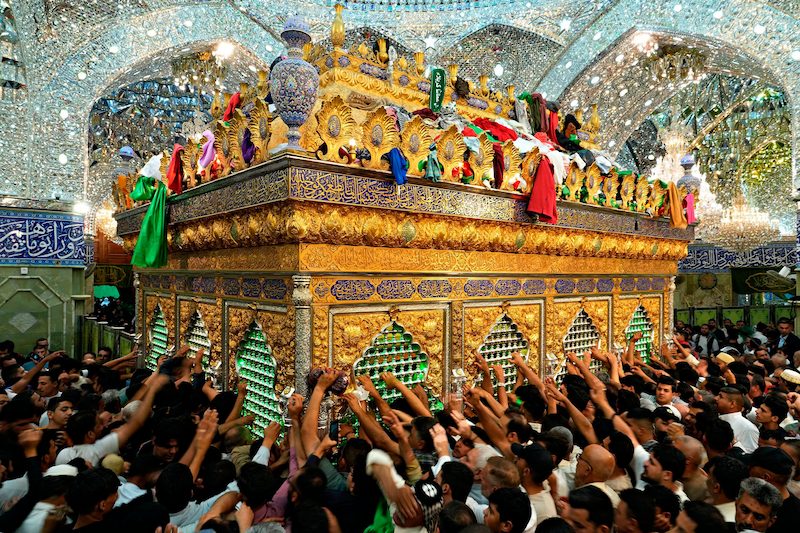
Arbaeen is the largest religious gathering in the world, surpassing even the Hajj in numbers. It marks the end of the forty-day mourning period after Ashura, the day Imam Hussein was martyred. Millions of pilgrims, many on foot, travel from various cities and countries to Karbala to pay their respects at the Imam Hussein Shrine. The journey is often seen as a spiritual cleansing, where hardship is embraced as a form of devotion. During Arbaeen, the city becomes a place of free hospitality; locals set up tents (mawakib) offering food, water, and rest to travelers. This generosity reflects the values Imam Hussein stood for, such as sacrifice, compassion, and justice.
Notable traditions during Arbaeen include:
- Long-distance pilgrimages often taking several days or weeks.
- Recitations of elegies and religious poetry.
- Serving free meals to pilgrims.
- Visiting both Imam Hussein’s and Abbas ibn Ali’s shrines.
Ashura - The Day of Martyrdom
Ashura is the most solemn day in Karbala, commemorating the tragic events of the Battle of Karbala. It is observed on the 10th day of Muharram in the Islamic calendar. The day is marked by mourning rituals, processions, and passionate recitations of the story of Imam Hussein’s stand against tyranny. Many participants wear black as a symbol of grief, and some reenact parts of the battle to keep its memory alive. The atmosphere is filled with chants and tears, as believers reflect on the values of courage, justice, and sacrifice. For many, being in Karbala on Ashura is the ultimate spiritual goal, offering a powerful connection to history and faith.
Ashura rituals often include:
- Majlis (gatherings) where the story of Karbala is retold.
- Latmiya (rhythmic chest-beating) as a sign of mourning.
- Processions carrying symbolic replicas of the battle’s standards.
- Acts of charity in memory of the martyrs.
Eid al-Ghadir - Celebration of Leadership
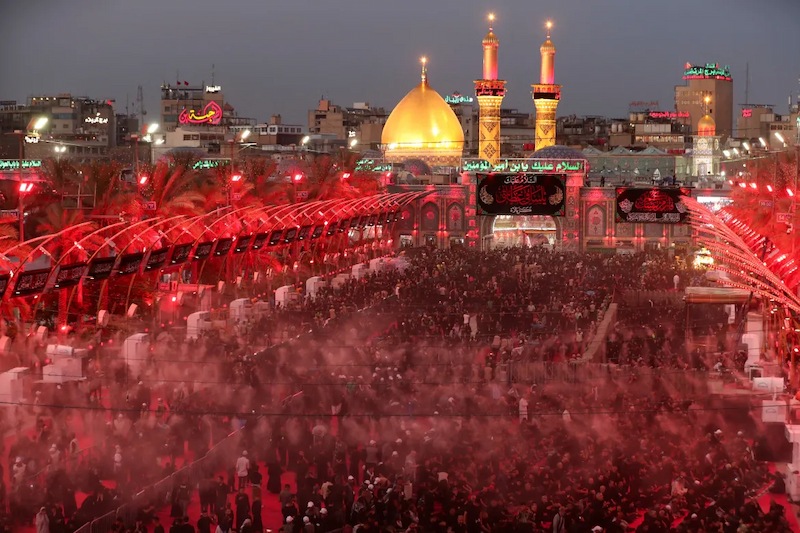
While Karbala is best known for its mourning rituals, it also hosts celebrations such as Eid al-Ghadir. This feast commemorates the event at Ghadir Khumm, where Prophet Muhammad is believed to have declared Imam Ali as his successor. Unlike Ashura and Arbaeen, Eid al-Ghadir is a joyous occasion filled with light, decorations, and public gatherings. In Karbala, believers visit the shrines, exchange greetings, and often prepare special meals. Sermons and lectures focus on the virtues of Imam Ali and the importance of rightful leadership in Islam. The atmosphere is one of pride and unity, highlighting the positive side of Shia heritage.
Sha’ban Celebrations - Birth of Imam Mahdi
Mid-Sha’ban is a significant date in Karbala, marking the birth of Imam Mahdi, the awaited savior in Shia belief. The city becomes beautifully illuminated with colorful lights and banners, creating a festive spirit. Pilgrims gather in large numbers, performing special prayers and offering charity. Many believe that visiting Karbala on this night carries great spiritual rewards. The shrines of Imam Hussein and Abbas ibn Ali become the focal point of celebration, with recitations, speeches, and acts of kindness. This event blends joy with deep spirituality, reminding believers of hope and divine guidance.
The Spiritual and Social Impact of Karbala’s Feasts
Religious feasts in Karbala are more than rituals; they are expressions of identity, unity, and faith. For locals, these events strengthen community bonds and provide opportunities to serve others selflessly. For pilgrims, they offer a life-changing experience filled with reflection, learning, and emotional connection. Businesses, charities, and religious organizations all work together to ensure visitors are cared for, reflecting a deep culture of hospitality. Beyond their spiritual value, these gatherings also contribute to the city’s economy and global recognition. Whether marked by grief or joy, the feasts of Karbala continue to inspire millions, carrying forward the timeless message of Imam Hussein.
