

Understanding the Core of Shia Beliefs
Shia Islam is one of the two main branches of Islam, alongside Sunni Islam, followed by an estimated 10–15% of Muslims worldwide. The largest Shia populations are in Iran, Iraq, Lebanon, Bahrain, and parts of Pakistan, Afghanistan, and India. Shia Muslims share the fundamental Islamic beliefs of all Muslims, the oneness of God, the Prophet Muhammad as the final messenger, and the Qur’an as the divine revelation. What sets them apart is their unique interpretation of leadership in Islam, focusing on the Prophet’s family and their role in guiding the community. Over centuries, these beliefs have shaped distinct religious traditions, legal interpretations, and cultural practices. This combination of shared pillars and unique theology gives Shia Islam a strong yet distinctive identity in the Muslim world.
Key points:
- About 10–15% of Muslims worldwide are Shia.
- Major Shia populations in Iran, Iraq, Lebanon, and Bahrain.
- Share core beliefs with all Muslims.
- Distinct focus on leadership within the Prophet’s family.
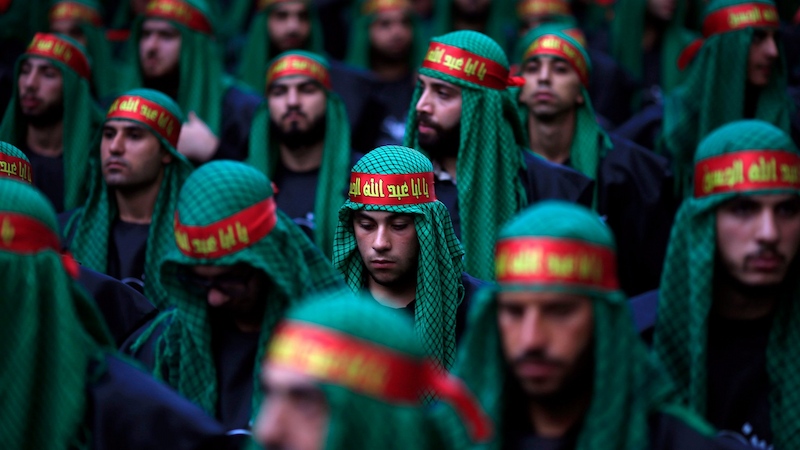
The Concept of Imamate
The Imamate is at the heart of Shia belief, representing the divinely appointed leadership of the Muslim community after the Prophet Muhammad’s death. Shia Muslims believe this leadership was meant to stay within the Prophet’s family, starting with Imam Ali, his cousin and son-in-law. The Imams are considered infallible in religious matters, acting as both political and spiritual leaders. Their mission is seen as a continuation of the Prophet’s role: to preserve the purity of Islamic teachings and guide the community on the path of justice. For Shia Muslims, loyalty to the Imams is a religious duty, tied to their understanding of divine guidance. The concept of Imamate deeply influences Shia legal rulings, spirituality, and community organization.
Key points:
- Leadership after the Prophet should remain in his family.
- Imam Ali is the first Imam in the Shia tradition.
- Imams are infallible in religious matters.
- Seen as spiritual guides and political leaders.
The Significance of Karbala
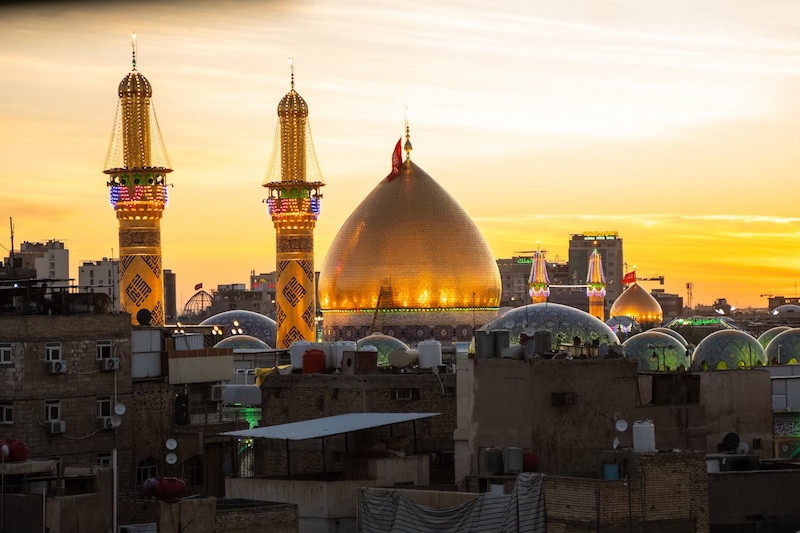
The Battle of Karbala in 680 CE is one of the most defining events in Shia history. In this battle, Imam Hussain, the Prophet’s grandson, stood against the unjust Umayyad ruler Yazid and was martyred along with his small group of followers. This event is remembered not just as a tragedy but as a timeless example of courage, sacrifice, and resistance to tyranny. Each year during the month of Muharram, Shia Muslims hold processions, recite elegies, and gather for sermons to honor Imam Hussain’s stand. The 10th day of Muharram, known as Ashura, is the climax of these commemorations and carries deep emotional and spiritual meaning. Karbala remains a symbol of the eternal struggle between truth and injustice in Shia thought.
Key points:
- Battle of Karbala occurred in 680 CE.
- Imam Hussain martyred resisting tyranny.
- Commemorated annually in Muharram.
- Ashura is the most important day of remembrance.
Unique Religious Practices
While Shia Muslims perform many of the same religious duties as other Muslims, some practices are unique to their tradition. One is praying on a turbah, a small clay tablet often from Karbala, during prostration. This symbolizes humility and remembrance of Hussain’s sacrifice. Shia communities also hold majlis, special gatherings where the lives and teachings of the Imams are recounted through sermons, poetry, and recitation. The Shia call to prayer (adhan) includes an additional phrase affirming Imam Ali’s leadership, reflecting their theological focus. Another distinct practice is Mut’ah (temporary marriage), which is permissible in Shia law under specific conditions. These customs serve to strengthen spiritual identity and reinforce core beliefs.
Key points:
- Turbah: a clay tablet used in prayer.
- Majlis: commemorative religious gatherings.
- Call to prayer includes an affirmation of Imam Ali.
- Mut’ah is allowed under certain conditions.
The Awaited Mahdi
Twelver Shia Muslims, the largest Shia sect, believe in the return of the 12th Imam, known as the Mahdi. They believe the Mahdi entered occultation centuries ago and will reappear at the end of times to establish justice and peace. This belief inspires patience, resilience, and hope, even in times of hardship. The Mahdi is expected to lead the faithful against oppression, ensuring a world governed by fairness and divine guidance. Shia Muslims often include supplications in their prayers asking for his return. This messianic belief is a central part of Shia eschatology and fuels their spiritual readiness to follow his leadership.
Key points:
- 12th Imam is believed to be in occultation.
- Will return to bring justice and peace.
- Symbol of hope and perseverance.
- Central figure in Shia end-times belief.
The Last Word on Shia Beliefs
Shia Islam is a rich spiritual tradition rooted in a deep sense of history, sacrifice, and divine leadership. Its focus on the Imamate, the legacy of Karbala, unique practices, and belief in the Mahdi give it a distinct place within the Muslim world. While sharing the foundational pillars of Islam, Shia Muslims interpret and live their faith through unique historical and theological lenses. Understanding these beliefs can build bridges between different communities, fostering respect and reducing misconceptions. In learning about Shia Islam, we not only gain knowledge about a religious tradition but also about a way of life centered on justice, devotion, and spiritual integrity.
