

A Story of Courage and Faith
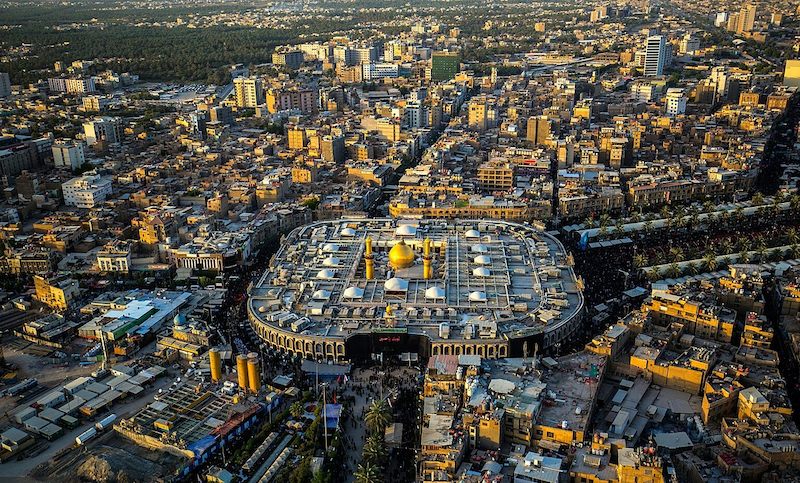
The Battle of Karbala, fought on October 10, 680 CE (10th of Muharram, 61 AH), is one of the most tragic and defining moments in Islamic history. It took place in present-day Iraq, near the Euphrates River, and is deeply remembered by Shia Muslims worldwide. At its core, the event was not just a military conflict but a moral and spiritual stand against injustice and tyranny. The grandson of Prophet Muhammad, Imam Hussain ibn Ali, led a small group of companions and family members against the massive army of the Umayyad Caliph Yazid ibn Muawiya. Despite being vastly outnumbered and deprived of water, Imam Hussain’s group refused to pledge allegiance to what they saw as an illegitimate and oppressive ruler. This battle has since become a symbol of sacrifice, resistance, and standing for truth even in the face of certain death.
The Historical Background
To understand Karbala, one must look at the political and religious tensions of the time. After Prophet Muhammad died in 632 CE, leadership disputes divided the Muslim community, eventually forming Sunni and Shia branches. By 680 CE, the Umayyad dynasty ruled, with Yazid as caliph, but many, including Imam Hussain, viewed him as corrupt and unjust. Imam Hussain’s refusal to pledge allegiance was both a political defiance and a religious duty.
- The Umayyad rule was accused of abandoning Islamic principles.
- Yazid’s leadership represented political tyranny to many Muslims.
- Hussain’s stand was about preserving the Prophet’s moral legacy.
- Karbala became the point where principle confronted power.
The Journey to Karbala
Imam Hussain, his family, and a small group of supporters set out from Mecca towards Kufa, in present-day Iraq, after receiving invitations from the people of Kufa to lead them against Yazid’s rule. However, before they could reach Kufa, Yazid’s forces intercepted them. The caravan was forced to camp on the barren land of Karbala, where they were surrounded by the enemy army. In the days leading up to the battle, Yazid’s commander cut off access to the Euphrates River, leaving Hussain’s camp without water in the scorching desert heat. Despite the dire conditions, Imam Hussain rejected offers of safety that required him to submit to Yazid’s authority. His stance made it clear that the conflict was not for personal gain, but for the preservation of justice and faith.
The Day of Ashura
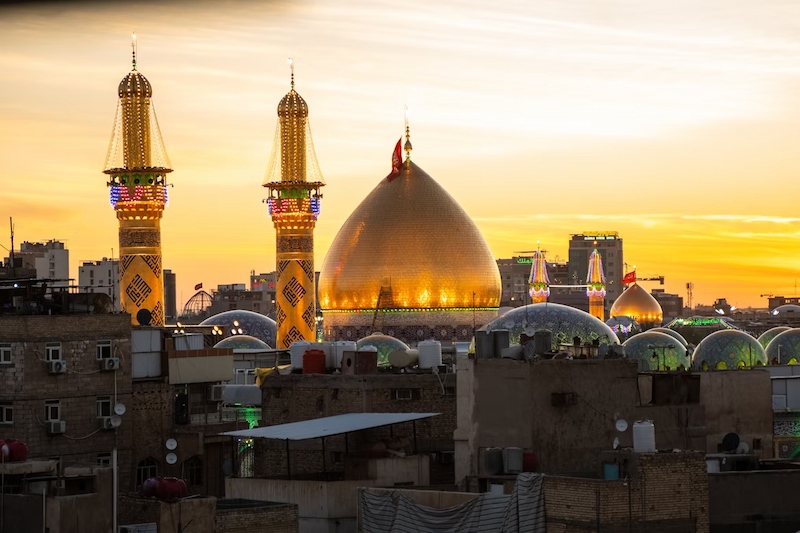
The battle took place on the 10th of Muharram, known as Ashura, a day now marked with mourning among Shia Muslims. Imam Hussain’s forces numbered around 72 men, including his close relatives, against Yazid’s army of thousands. The fighting was fierce but short-lived; Hussain’s companions fought valiantly despite being exhausted, thirsty, and vastly outnumbered.
Key points of the day include:
- Many of Imam Hussain’s family members, including his brothers and sons, were martyred early in the battle.
- Abbas ibn Ali, Hussain’s half-brother, made a heroic attempt to bring water to the camp but was killed.
- Imam Hussain fought bravely until he was surrounded and killed in the afternoon.
- The survivors, mainly women and children, were taken captive and marched to Yazid’s court in Damascus.
The Aftermath and Legacy
The aftermath of Karbala was both tragic and transformative. Yazid’s army desecrated the bodies of the martyrs, leaving them unburied until local tribes gave them proper burials. The surviving women and children, including Zaynab bint Ali (Hussain’s sister), became powerful voices against the injustice, speaking out in public assemblies despite their captivity. Over time, Karbala became a rallying point for those who opposed tyranny and corruption in Muslim societies.
Today, millions of Shia Muslims commemorate Ashura every year with mourning processions, recitations of the tragedy, and acts of charity. For many, Karbala is not just history; it is a timeless lesson about the cost of standing for truth and the enduring value of moral courage.
The Timeless Message of Karbala
The story of Karbala transcends time and place. It is not merely a historical event but a universal message about sacrifice, resistance, and faith. Imam Hussain’s stand reminds people that sometimes, defending justice requires immense personal loss. Whether one is Muslim or not, the principles embodied in Karbala, integrity, honor, and courage, speak to the human spirit’s highest ideals. As long as oppression exists, the cry of “Every day is Ashura, every land is Karbala” will continue to inspire generations.
