

Kuala Lumpur Airport (KUL): Definitive Guide
Kuala Lumpur International Airport stands as the primary aeronautical gateway to Malaysia and a critical hub for the Southeast Asian aviation network. Located in the Sepang district, approximately 50 kilometers from the capital city, KUL is a masterpiece of modern infrastructure designed with the concept of an airport in the forest. The facility is divided into two major terminal complexes: KLIA Terminal 1, catering to full service international carriers, and KLIA Terminal 2, which serves as the largest low cost carrier hub in the region. Navigating this massive complex requires a sophisticated understanding of terminal connectivity, immigration requirements such as the Malaysia Digital Arrival Card, and the diverse array of executive services available to the global traveler. This guide provides a technical analysis of KUL operations to ensure your transit through Malaysia is managed with absolute efficiency and professional poise.
Terminal Infrastructure: Analyzing KLIA 1 and KLIA 2
Kuala Lumpur International Airport operates a dual terminal system that is physically separated but logistically integrated. KLIA Terminal 1, the original structure designed by Kisho Kurokawa, features a main terminal building and a satellite building connected by an automated people mover system. This terminal primarily handles Malaysia Airlines and major international carriers belonging to global alliances. The architecture prioritizes natural light and tropical greenery, creating a tranquil environment for high level travelers. The satellite building is the heart of international operations, housing the majority of duty free retail sectors and premium airline lounges. Navigating between these buildings is a streamlined process, but passengers should account for the transit time required for the internal shuttle services during peak hours.
KLIA Terminal 2 is a massive dedicated facility for low cost carriers, significantly larger than its predecessor. It is designed as a standalone ecosystem with its own integrated shopping complex known as Gateway@klia2. While it serves budget airlines, the infrastructure is modern and capable of handling high passenger volumes with executive precision. Transitioning between Terminal 1 and Terminal 2 is facilitated by the KLIA Ekspres and KLIA Transit train services, which provide a three minute journey between the two buildings. This inter terminal connectivity is essential for passengers with complex itineraries that involve multiple carriers. Understanding the specific operational requirements of each terminal is the first step toward a successful Malaysian transit.
Transit Protocols: Immigration and MDAC Requirements
The entry process at Kuala Lumpur International Airport is governed by the Malaysian Immigration Department and requires all foreign nationals to comply with digital registration protocols. The Malaysia Digital Arrival Card (MDAC) is a mandatory requirement that must be completed online prior to arrival. This digital framework replaces traditional paper forms and is integrated with the biometric scanning systems at the immigration counters. For international travelers, the immigration hall in Terminal 1 and Terminal 2 features dedicated lanes for business class passengers and VIP service holders. These priority corridors are essential for maintaining professional momentum, especially when multiple wide body aircraft arrive simultaneously.
Transit passengers at KUL fall into two categories: those with through checked baggage and those requiring a self transfer. For international to international connections within the same terminal, passengers typically remain within the secure zone and do not need to clear immigration. However, if your connection involves moving from Terminal 1 to Terminal 2, or vice versa, you must clear immigration, collect your baggage, and check in again at the departing terminal. This process requires a valid entry permit or visa, depending on your nationality. The airport provides clear signage and dedicated transit desks to facilitate these movements, but utilizing a professional meet and greet service is highly recommended for managing tight connection windows with absolute certainty.
Operational Readiness Intelligence:
Kuala Lumpur Airport utilizes advanced biometric identification technology at all major checkpoints. It is vital that your MDAC registration matches your passport details exactly to avoid technical delays. The airport also provides high speed Wi-Fi across all terminals, allowing you to access digital travel documents and payment applications without interruption. This digital autonomy is a key factor in navigating the modern Malaysian border.
VIP Amenities: Executive Lounges and Relaxation Zones
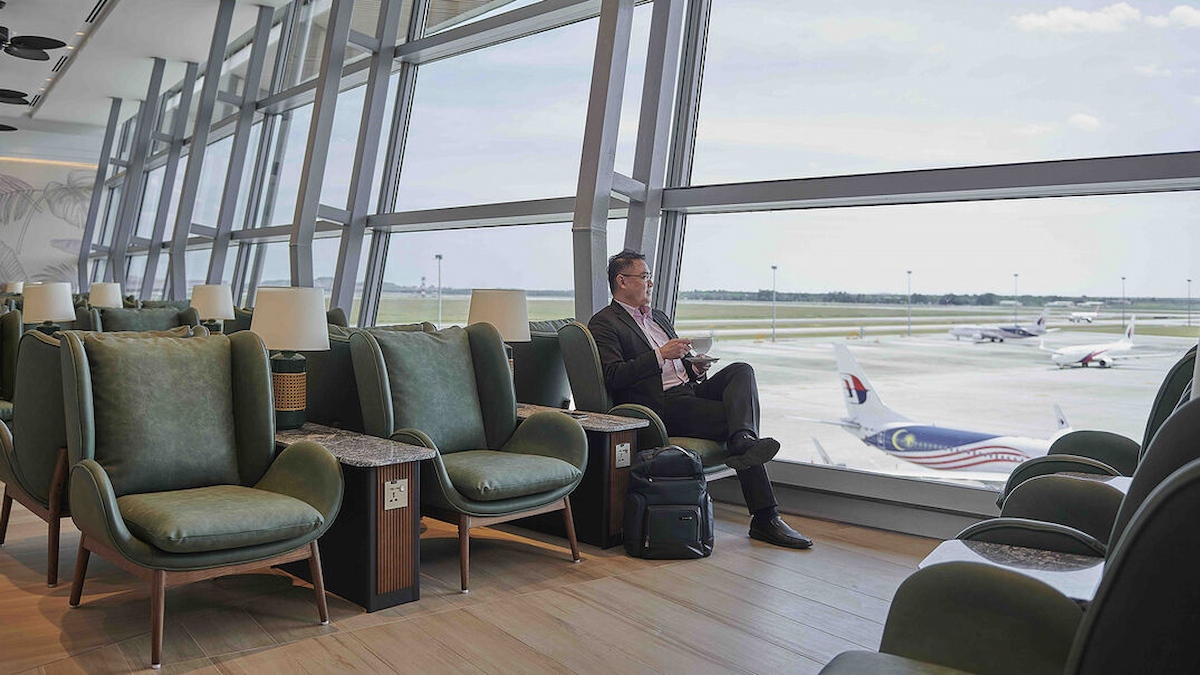
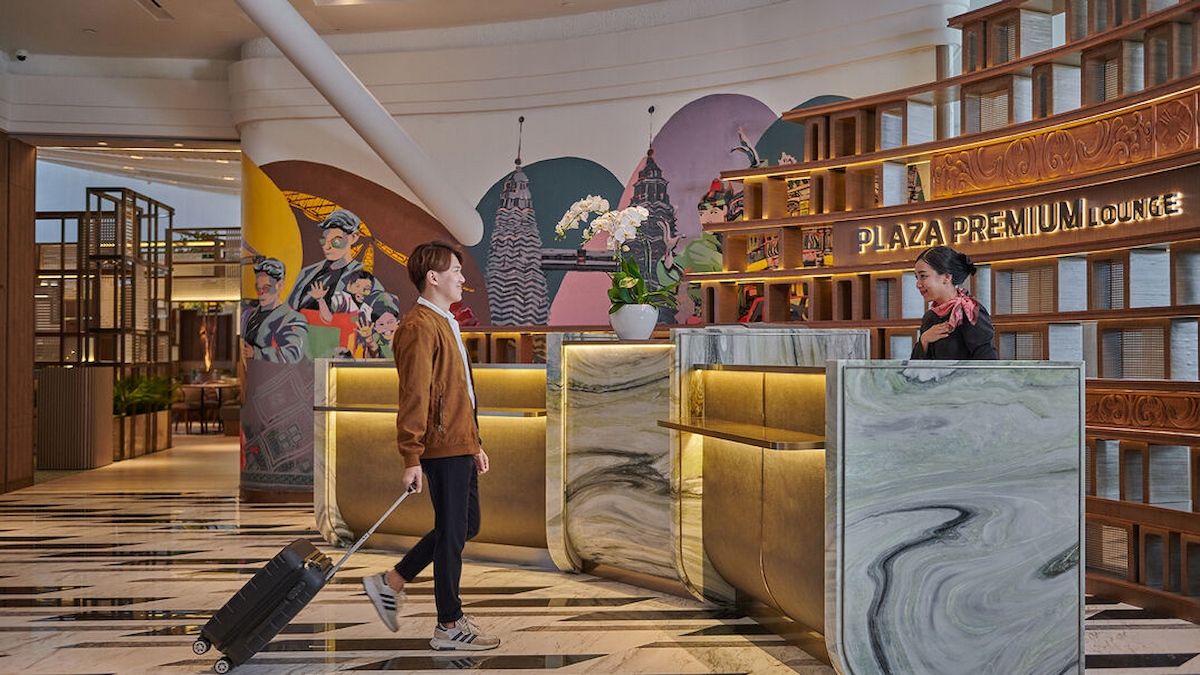
The lounge network at Kuala Lumpur International Airport is designed to provide an executive sanctuary for the global traveler. Terminal 1 Satellite building is home to the flagship Malaysia Airlines Golden Lounges, which offer a range of services from fine dining to private rest suites and shower facilities. These lounges provide a quiet environment for productivity, equipped with high speed connectivity and professional business centers. Many international carriers and independent operators also provide lounge access for priority passengers, ensuring that regardless of your airline, a premium space is available for rest and coordination during your transit.
In Terminal 2, the lounge options are equally sophisticated, catering to the needs of travelers on shorter regional flights. These facilities offer buffet dining, comfortable seating, and flight monitoring services. For those seeking a higher level of luxury, the Sama Sama Express hotels located airside in both terminals allow for hourly room bookings, providing a private space for sleep without needing to clear immigration. These amenities are critical for travelers on long haul routes between Europe, Australia, and the Americas, providing the necessary infrastructure for physical recovery and professional readiness between flight segments.
Ground Logistics: Connecting to the Heart of Malaysia
Kuala Lumpur International Airport is connected to the city center via a world class ground transportation network. The KLIA Ekspres is the fastest public option, reaching the KL Sentral transport hub in exactly 28 minutes from Terminal 1 and 33 minutes from Terminal 2. The service is reliable, climate controlled, and offers on board Wi-Fi, making it a preferred choice for solo executives. For those requiring a door to door experience, the private transfer network provides the ultimate in comfort and efficiency. Pre booking a private executive car ensures that a professional chauffeur is waiting at the arrival exit, managing your baggage and navigating the MEX Highway directly to your hotel or corporate headquarters.
The airport also offers a range of bus services and metered taxis, though these are subject to the variable traffic conditions of the Klang Valley. Taxis at KUL operate on a coupon or metered system, and travelers are advised to use the official taxi counters in the arrival halls to ensure fixed rates and professional standards. For the international traveler, the predictability of a pre arranged transfer or the high speed rail link is often the most strategic choice. Each transport mode is integrated into the terminal arrival zones, with clear bilingual signage directing you to the appropriate platforms. Managing your exit from KUL with a pre planned strategy is the final step in a successful airport experience.
The Strategic Blueprint for KUL Mastery
Success at Kuala Lumpur International Airport is the result of logistical preparation and a technical understanding of the terminal ecosystem. From the mandatory MDAC registration to the selection of the correct transport corridor, every detail contributes to a seamless journey. By utilizing the VIP amenities and executive services available at KUL, travelers can transform a potentially complex transit into a streamlined professional experience. Kuala Lumpur is a city of immense growth and administrative significance, and KUL serves as the perfect reflection of this modern energy. By following the protocols outlined in this guide, you ensure that your passage through Malaysia is defined by absolute efficiency and executive poise.
KUL Fast Facts
- Terminal 1 for full service airlines.
- Terminal 2 for low cost carriers.
- KLIA Ekspres connects to city in 28m.
- MDAC registration is mandatory.
Average Transit Times
Reserve Your VIP Pass
Eliminate the terminal fatigue. Book your VIP Meet & Greet or Private Transfer service now for a seamless KUL experience.