

Kuala Lumpur Layover Guide: Maximizing Transit
Transforming a layover at Kuala Lumpur International Airport (KUL) into a productive cultural or professional excursion requires meticulous planning and a sophisticated understanding of Malaysian transit infrastructure. As a primary aviation nexus in Southeast Asia, KUL offers high speed connectivity to the capital city via the KLIA Ekspres and a flexible immigration framework for international passengers. Whether your connection window is six hours or several days, navigating the logistics of the Malaysia Digital Arrival Card, luggage storage, and terminal transitions is essential. This guide provides a technical blueprint for managing your interval in Kuala Lumpur, ensuring that every hour of your layover is optimized for efficiency and executive comfort. From the architectural marvel of the Petronas Towers to the administrative elegance of Putrajaya, Kuala Lumpur offers a limitless array of opportunities for the well prepared transit traveler.
The Mechanics of Entry: Navigating Malaysian Transit
The primary logistical requirement for any layover at Kuala Lumpur International Airport is the transition from the international secure zone to the public municipal area. Malaysia maintains a welcoming immigration policy for most nationalities, often granting visa free entry for short term stays. However, the mandatory requirement for all international arrivals is the completion of the Malaysia Digital Arrival Card (MDAC) within three days prior to arrival. Upon landing at KLIA Terminal 1 or Terminal 2, passengers wishing to exit the airport must proceed to the immigration counters. The process involves biometric verification and a technical review of your onward flight itinerary. This administrative sequence typically requires between thirty and fifty minutes depending on passenger volume, a factor that must be integrated into your layover schedule.
For those with shorter connection windows, staying within the terminal complexes is a viable alternative. KLIA Terminal 1 and Terminal 2 are standalone ecosystems, but movement between them for a specific layover activity requires clearing immigration and using the inter terminal train link. It is vital to note that your return to the departure gate involves a secondary pass through security and emigration, so maintaining a strict timeline is mandatory for ensuring you do not miss your onward flight leg. The efficiency of the Malaysian Immigration Department at KUL is commendable, but the sheer physical scale of the terminals requires ample buffer time for all movements. Strategic planning ensures that your entry into the Klang Valley is managed with professional poise.
Luggage Management: Secure Storage Infrastructure
A successful layover excursion in Kuala Lumpur is predicated on physical mobility, which is impossible when burdened by international scale luggage. Kuala Lumpur International Airport provides professional baggage storage facilities in both major terminals. In KLIA Terminal 1, these counters are located in the arrival hall on Level 3, offering both locker based and counter based storage solutions. In Terminal 2, storage facilities are integrated within the Gateway@klia2 shopping complex. The storage process is governed by strict security protocols, requiring a passport for identification and a technical scan of the baggage contents. Rates are typically calculated on a twenty four hour basis, providing a cost effective alternative to carrying bags through the city transit network.
For those with luggage checked through to their final destination, the process is significantly simplified. However, if your transit involves an airline change that requires a self transfer, the storage facility becomes a critical logistical node. By utilizing these secure zones, you can navigate the KLIA Ekspres or private transfer vehicles with total ease. It is recommended to keep essential documents and electronic devices in a small carry on bag, leaving the bulk of your belongings in the airport controlled storage environment. This strategy ensures that your movement through high density areas like Bukit Bintang or the Batu Caves is managed with maximum efficiency and comfort.
Strategic Timing Intelligence:
The KLIA Ekspres train connects KUL to the city center hub of KL Sentral in exactly 28 minutes from Terminal 1. When calculating your layover window, always subtract five hours from your total connection time to account for immigration entry, luggage storage, transportation, and the required two hour early return for international boarding. This ensures your city excursion remains within safe operational parameters and eliminates the risk of missing your flight.
Layover Itineraries: Optimized Kuala Lumpur Excursions
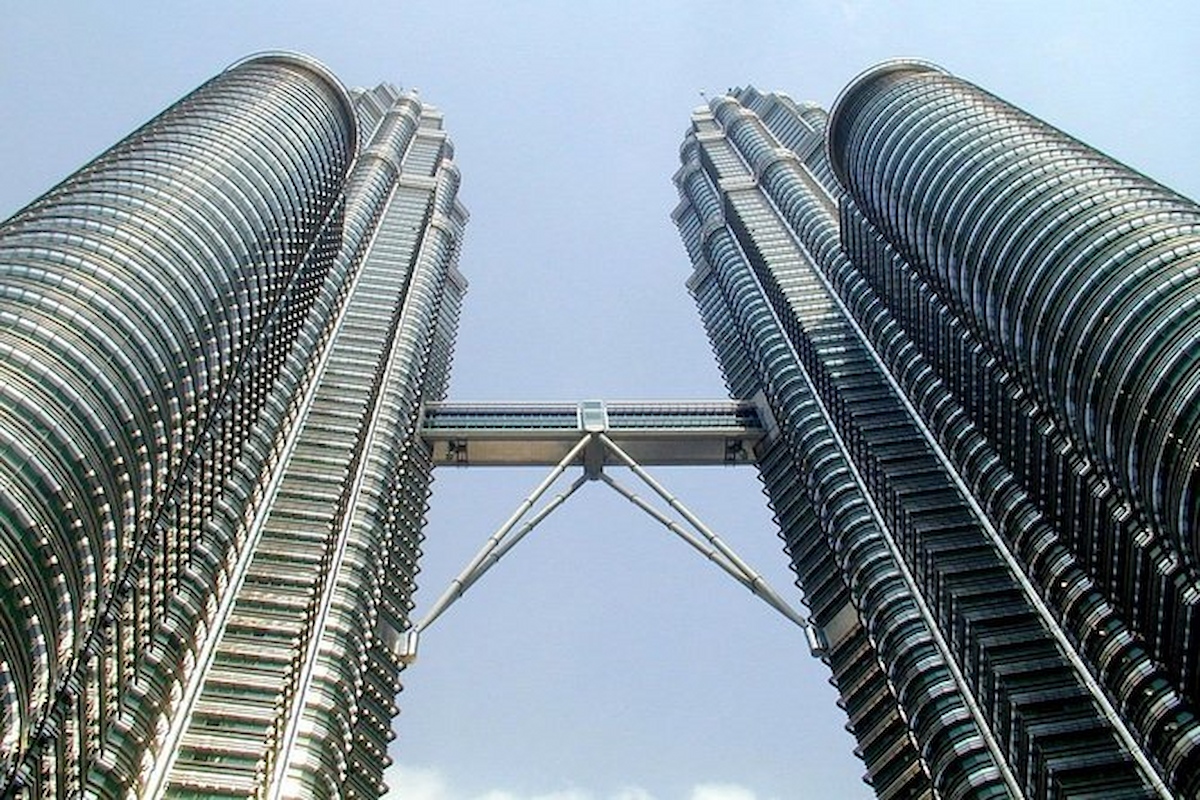
The selection of your layover itinerary depends entirely on the duration of your connection. For a medium duration layover of eight to ten hours, the most efficient destination is the Petronas Twin Towers and the surrounding KLCC area. This district represents the commercial and architectural heart of Malaysia and is accessible via the KLIA Ekspres followed by a short taxi or LRT transfer from KL Sentral. Exploring the Suria KLCC park and the iconic bridge between the towers provides a profound cultural and modern experience without the need for extensive travel to the city outskirts. It is essential to book tickets for the Skybridge in advance via their digital platform, as daily visitor capacities are strictly managed.
For passengers with a layover exceeding twelve hours, a visit to the Batu Caves is a definitive choice. Located north of the city, this limestone hill featuring several caves and Hindu temples is accessible via the KTM Komuter train from KL Sentral. However, utilizing a private executive car service for this trip is highly recommended to maximize your time. Alternatively, the administrative capital of Putrajaya is located halfway between the airport and the city center. It offers a unique look at modern Islamic architecture and expansive botanical gardens, making it an ideal stop for those with six to eight hour windows. A private transfer can facilitate a rapid tour of Putrajaya before returning you to the terminal, ensuring a high level of productivity during your transit.
In-Terminal Layover: Facilities for Short Connections
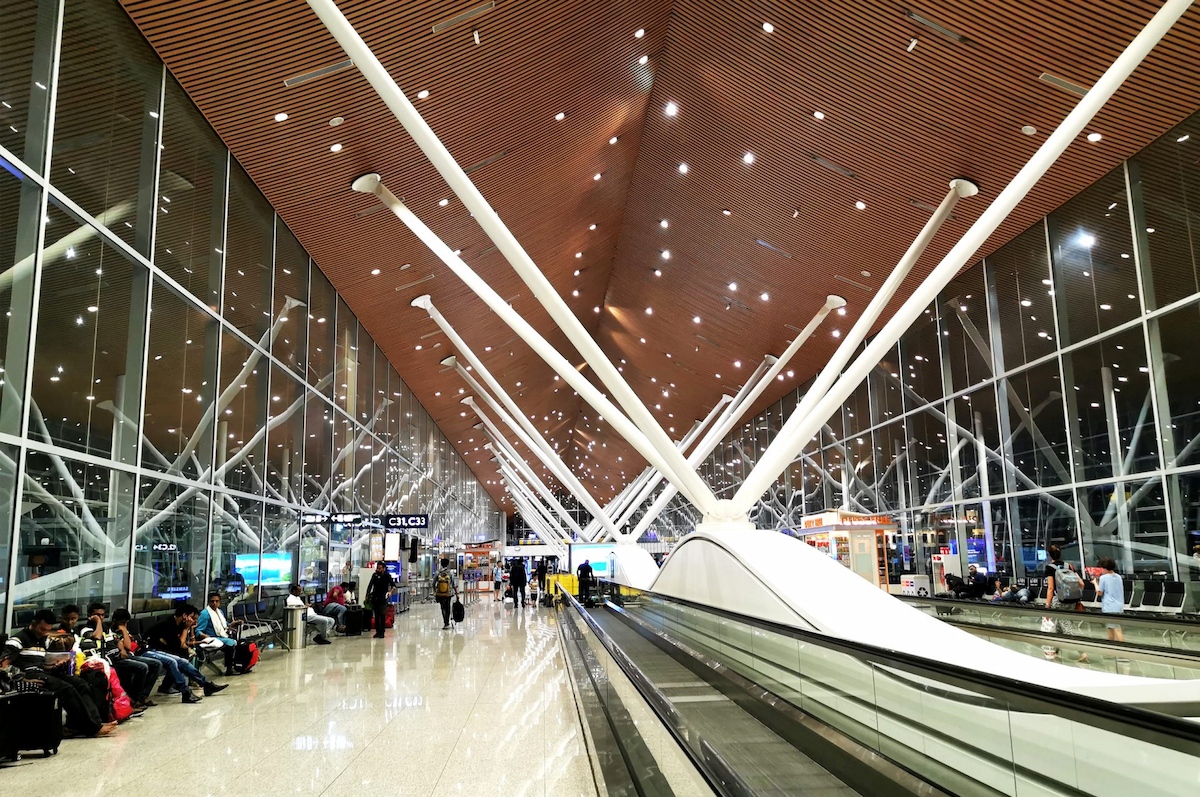
Not every layover allows for a city excursion. For connections under six hours, the focus should remain on utilizing the extensive amenities within the Kuala Lumpur Airport terminals. KLIA Terminal 1 features several VIP lounges that provide essential services such as hot showers, high speed Wi-Fi, and executive dining. The Satellite Building is particularly well equipped, housing the flagship Golden Lounges. These facilities are designed to mitigate the fatigue of long haul travel, providing a quiet sanctuary away from the main concourse noise. Hourly hotels like the Sama Sama Express are also available airside, providing private sleep facilities without needing to clear immigration.
The retail sectors of KUL are expansive, especially in Terminal 2 Gateway shopping complex, which features international brands and local Malaysian craft boutiques. For those interested in nature, the KLIA Jungle Boardwalk in Terminal 1 allows you to experience a piece of the Malaysian rainforest within the terminal. Technical workstations with universal power outlets are distributed throughout the gate areas, allowing you to maintain your professional productivity. Regardless of your layover length, Kuala Lumpur International Airport is engineered to provide a comfortable and efficient environment, ensuring that your time on the ground contributes positively to your overall international travel experience.
The Strategic Layover Blueprint
Navigating a layover at Kuala Lumpur International Airport is a study in logistical optimization. By understanding the MDAC requirements and utilizing professional services such as baggage storage and private transfers, you can transform a routine connection into a significant cultural or professional event. The capital of Malaysia is a city of immense scale and historical importance, and the airport serves as the perfect launchpad for its discovery. Success requires a proactive approach to documentation and a conservative management of time. Whether you are viewing the city from the Petronas Towers or resting in a premium lounge, your layover at KUL is a vital component of your international journey, demanding the same level of professional attention as your primary destination.