

Bullfighting in Madrid: Art, Pride, and Protest
Madrid remains the beating heart of Spain’s bullfighting tradition. From the red sand of Las Ventas to the crescendo of the San Isidro Festival, the city embodies a cultural ritual that inspires devotion and sparks debate.
A Tradition That Defines Madrid
For centuries, Madrid has stood at the center of Spain’s bullfighting story. Trumpets, embroidered suits, and a choreography of risk have turned the capital into a stage where skill and spectacle collide. Whether admired as an art form or questioned on ethical grounds, bullfighting in Madrid is inseparable from the city’s cultural identity.
Travelers and locals converge on Plaza de Toros de Las Ventas, where the season’s most coveted cards draw intense crowds during spring’s San Isidro. Even visitors who do not support the corrida often tour the monument to understand a ritual that has shaped Spanish imagery in painting, film, and literature.
Las Ventas: The Cathedral of Bullfighting
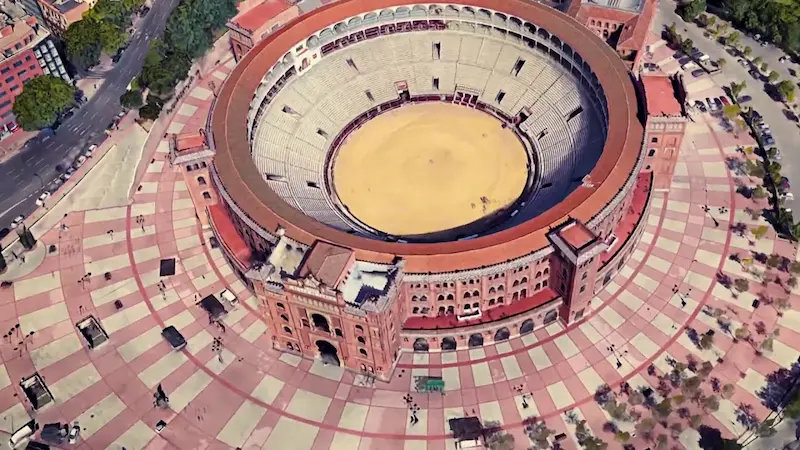
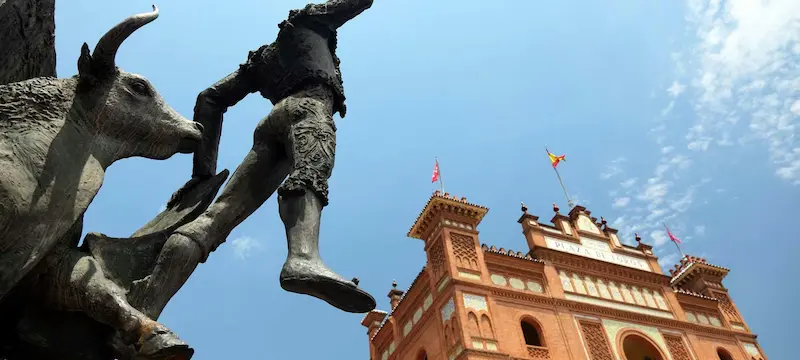
Opened in 1930 and seating more than twenty thousand spectators, Las Ventas is widely known as La Catedral del Toreo. Its brick arches and azulejos frame a vast arena where matadors seek prestige and redemption in front of a demanding crowd. The atmosphere is disciplined and emotional. Silence can fall across the tiers before a single trumpet calls the first act.
- Capacity and layout designed for clear sightlines across the ring
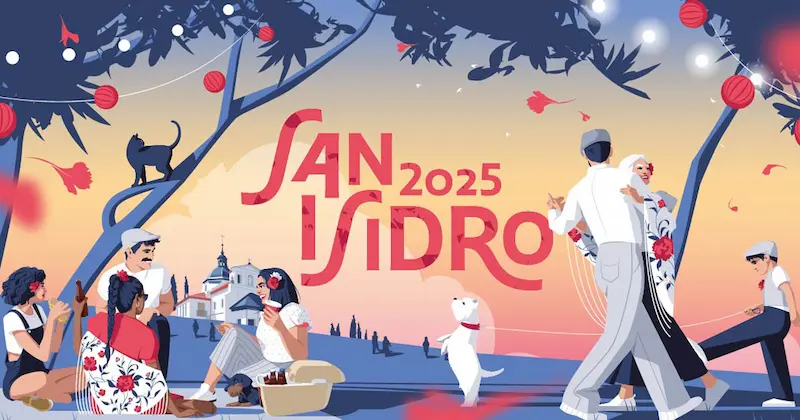
- Season anchored by the San Isidro Festival in May and June
- On-site Museo Taurino with costumes, posters, and historic trophies
What Visitors See and Feel
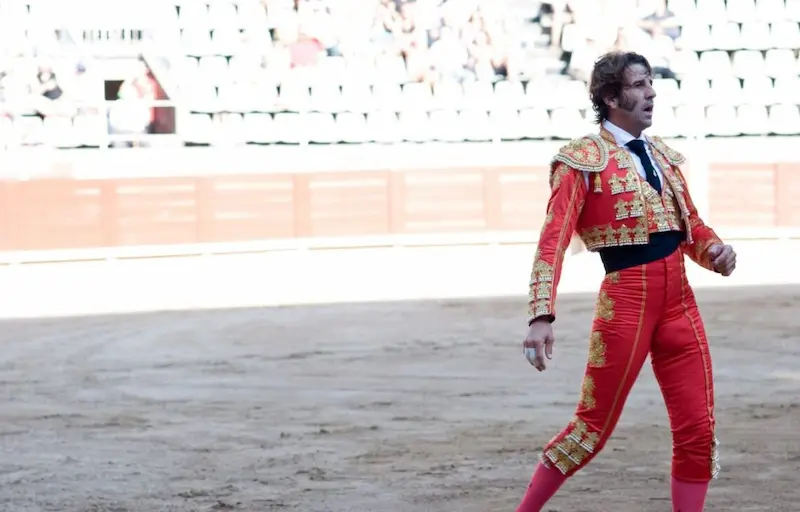
A visit to Las Ventas is a lesson in ritual. The paseíllo introduces the matadors. Capes flash. Trumpets answer. The orchestra shifts tempo as the drama builds. Beyond the choreography, spectators read subtle signs in body language and footwork. The tension is collective. The release can be thunderous applause or a wave of white handkerchiefs that signal approval.
Tours and Exhibits
Guided tours explain the arena’s architecture and the evolution of costumes, music, and rules. The museum’s displays trace Madrid’s role in shaping national imagery.
Tickets and Seating
Prices vary by card and seat. Shade is prized on summer afternoons. Weeknight events can be quieter yet still intense for first-time visitors.
Tradition Meets Modern Values
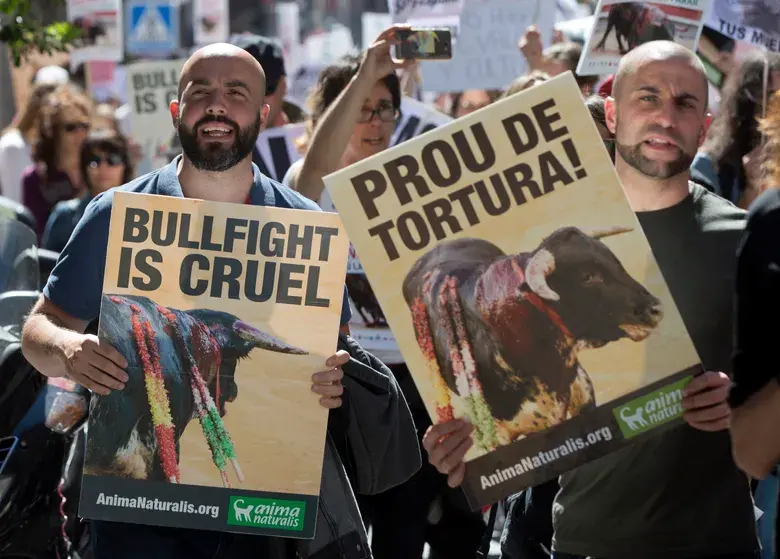
Madrid is also a focal point for the ethical debate. Supporters argue that the corrida is an art with strict codes and a lineage tied to Spanish identity. Critics emphasize animal welfare and call for reform or abolition. Public opinion is diverse. Demonstrations can appear outside major events, and conversations spill into cafés and cultural centers across the city.
- Supporters: heritage, craft, and symbolism
- Opponents: welfare standards and changing social expectations
- Common ground: museums, lectures, and exhibits that frame bullfighting as history and debate
When to Visit
The calendar peaks during San Isidro in late spring. Autumn cards also attract renowned matadors. Tours run most days outside major events.
Getting There
Las Ventas sits in the Salamanca district with easy metro access. Signage around the ring helps first-time visitors navigate entrances and sections.
Good To Know
Photography rules vary by event. Bring water on hot days. If you prefer a non-event visit, the museum and guided tours offer a quieter introduction.
Madrid’s Changing Legacy
Whether admired or condemned, bullfighting remains part of Madrid’s story. Las Ventas stands as both an arena and a museum of memory. The city is writing a new chapter where heritage and ethics share the same stage. Visitors leave with vivid images and more questions than answers. That tension is part of Madrid’s appeal and part of Spain’s ongoing conversation.
