

Moscow Airport Private Transfer: City Center Logistics Guide
Navigating the transition from Moscow international terminals to the heart of the capital requires a strategic understanding of urban mobility. Whether arriving at Sheremetyevo, Domodedovo, or Vnukovo, travelers must choose between high speed rail arteries, executive private transfers, and the intricate local metro network. This guide provides the technical and logistical framework necessary for a seamless arrival in the world’s most energetic northern megalopolis.

Why Strategic Transfer Planning is Critical
Time Efficiency
Aeroexpress trains bypass heavy urban traffic with 35 minute city center access.
Premium Comfort
Executive private cars provide door to door service with professional chauffeurs.
Fixed Pricing
Prepaid vouchers and cash optimized apps eliminate currency concerns.
Safety First
Verified airport taxi stands ensure legal compliance and secure transit.
The Infrastructure of Moscow Airport Logistics
Arriving at a Moscow air hub serves as the first touchpoint in a sophisticated urban journey. The city is served by three primary international airports: Sheremetyevo (SVO), Domodedovo (DME), and Vnukovo (VKO). Each facility is integrated into the city center via a tiered transport system designed to handle millions of passengers annually. The cornerstone of this system is the Aeroexpress high speed rail network. These trains connect the airport terminals directly to the central metro ring, specifically to major railway stations like Belorussky, Paveletsky, and Kievsky. For the international traveler, the Aeroexpress is the most predictable method of transit, as it operates on a fixed schedule and is unaffected by the dynamic traffic patterns of the Moscow Ring Road.
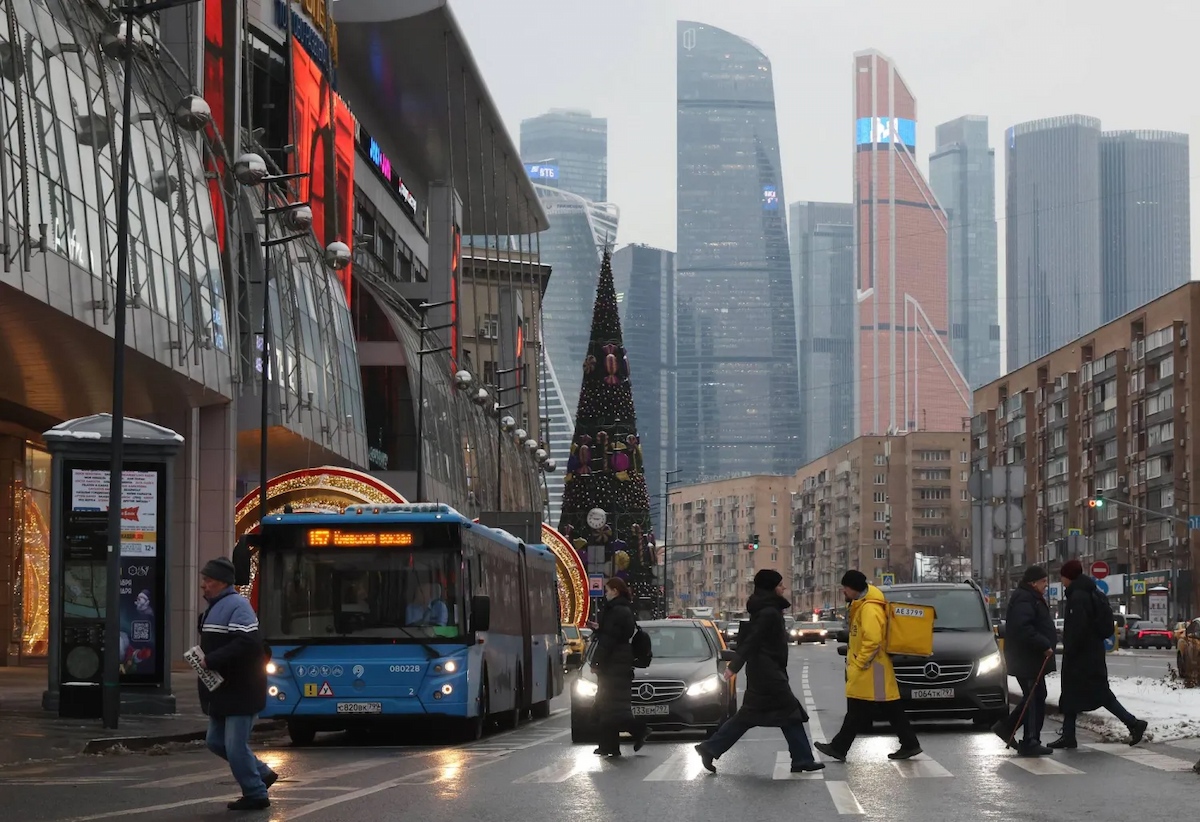
While rail is efficient, the demand for executive mobility has led to a highly developed private transfer market. For those arriving with significant luggage or requiring direct transit to specific districts like Presnensky or Yakimanka, a private car is the logical choice. Moscow utilizes a localized digital infrastructure for ride hailing, primarily dominated by the Yandex ecosystem. It is vital for travelers to understand that global applications often have limited utility here. Accessing the city center by road allows for a panoramic introduction to the city architecture, provided the journey is timed to avoid the morning and evening rush hours.
Aeroexpress: The High Speed Rail Arteries
The Aeroexpress system represents the gold standard for airport to city connectivity. Departing every 30 to 60 minutes, these trains offer a two tier service: standard and business class. Business class provides reserved seating and additional space, which is often preferred by professionals needing to work during the 35 to 50 minute transit. Upon reaching the city railway terminus, travelers are immediately positioned within the Moscow Metro system. This allows for a quick transition to any part of the capital. It is important to purchase tickets via automated kiosks or online portals before boarding to ensure a smooth exit at the city gates.
Intermodal Connectivity Detail:
Moscow transit is built on a radial circular design. The Metro Ring Line serves as the primary distribution hub for all airport rail arrivals. By utilizing a physical Troika card, travelers can transition from the Aeroexpress platform to the subterranean metro stations in under five minutes. This intermodal efficiency is a hallmark of the city transit strategy.
Private Transfers and Digital Ride Hailing
For the traveler who prioritizes privacy and door to door convenience, the private transfer market in Moscow offers a range of options from standard sedans to luxury executive vehicles. Unlike many global cities, street hailing is discouraged for international guests. Instead, travelers should utilize verified airport taxi desks or the Yandex Go application. When using digital apps, it is critical to have a local data connection via eSIM to manage the booking. Because international credit cards may face processing restrictions, the app should be set to cash mode, allowing you to settle the fare with the driver in local currency at the destination.
Geographic Logistics: SVO, DME, and VKO
Understanding the location of your arrival airport is the first step in planning your city center route. Sheremetyevo is located to the north and is the primary hub for international flag carriers. Domodedovo lies to the south and serves a wide range of international and domestic routes. Vnukovo is situated to the southwest and is often the choice for business aviation and low cost carriers. Each airport has its own dedicated highway and rail link. Travelers should account for at least 90 minutes of travel time when using road transport to ensure they reach their city center hotel comfortably, regardless of the specific airport.
- Sheremetyevo (SVO): Link to Belorussky Station via Aeroexpress and M11 highway.
- Domodedovo (DME): Link to Paveletsky Station via Aeroexpress and Kashirskoe highway.
- Vnukovo (VKO): Link to Kievsky Station via Aeroexpress and Kievskoe highway.
- Metro Integration: All termini connect directly to the Brown Ring Line.
Financial and Payment Protocols for Transit
The financial infrastructure of Moscow transit is highly digitized but currently localized. For airport rail and metro usage, the Troika card is the universal key. This physical card can be purchased and topped up at any airport station using cash. For taxis and private cars, it is advised to carry smaller denominations of local currency. While QR code payments via the SBP system are popular among residents, international visitors find cash the most reliable method for settling transport fares. Strategic travelers exchange a portion of their currency at airport bank kiosks immediately upon arrival to cover these initial transit costs.
Safety and Security in Urban Transit
Moscow is noted for its high standards of public safety within the transport network. Major airports and railway stations feature multi layered security screenings. The metro is well lit, heavily patrolled, and equipped with comprehensive surveillance. For private transfers, always verify the vehicle plate number against the data provided in your booking app. Official airport taxis are clearly marked and operate with regulated meters. By adhering to these verified transport channels, travelers can enjoy a secure and professional transit experience from the airport tarmac to their final city destination.
Transfer Checklist
- Identify your specific arrival terminal.
- Prebook private transfers for peak hours.
- Obtain local currency for taxi cash payments.
- Acquire a Troika card for metro transitions.
Estimated Times
24/7 Logistics
Our support team assists with booking executive airport transfers and navigating rail schedules.