

A Glimpse into Nasiriyah’s Past
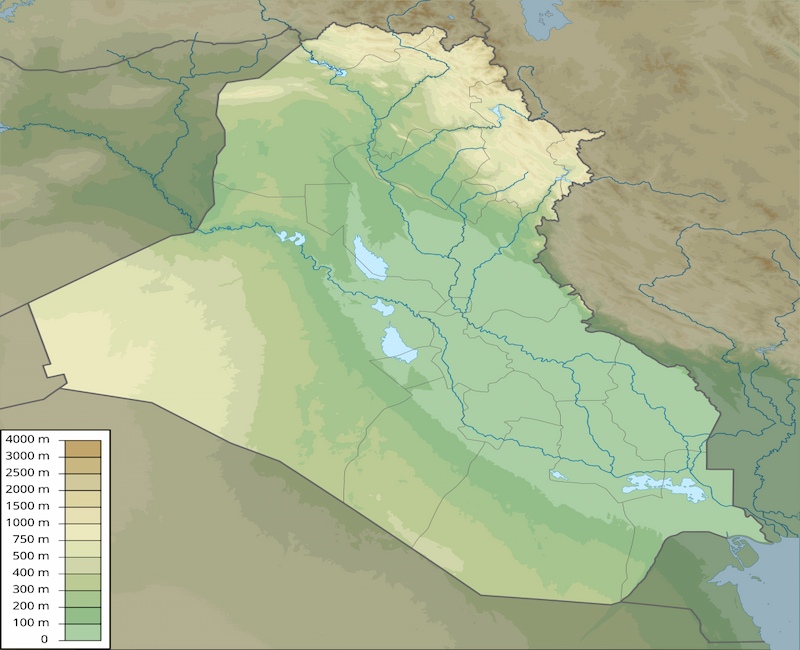
Nasiriyah, the capital of Iraq’s Dhi Qar Governorate, holds a unique place in the country’s history and cultural identity. Established in the late 19th century, the city sits on the banks of the Euphrates River, surrounded by fertile plains that have sustained life for millennia. It is not only a modern urban center but also a gateway to some of the world’s most ancient archaeological treasures, including the Ziggurat of Ur. Over time, Nasiriyah has witnessed political transformations, social changes, and economic challenges, yet it continues to retain its deep-rooted traditions. Understanding the city’s history offers insights into both Iraq’s heritage and the resilience of its people.
Foundation and Ottoman Era
Nasiriyah was founded in 1872 by Sheikh Nasir al-Sadoon, a leader of the Muntafiq tribal confederation. Its strategic location on the Euphrates made it an important trading hub for goods moving between Basra, Baghdad, and the Arabian Peninsula. During the late Ottoman era, the city developed as a commercial and administrative center, benefiting from river trade and agriculture. Markets flourished, and the town became known for its hospitality toward merchants and travelers. The Ottoman administration brought limited infrastructure improvements, including administrative offices and basic public services. Despite political tensions of the time, Nasiriyah maintained a relatively stable environment for trade and cultural exchange.
British Occupation and the Early 20th Century
The British captured Nasiriyah in 1915 during World War I, marking a new chapter in the city’s history. Under British control and later the Kingdom of Iraq, the city saw the introduction of modern administrative systems and improved road connections. The presence of the British also influenced local politics, as tribal leaders navigated between cooperation and resistance. Nasiriyah’s economy remained largely agricultural, but it began to integrate more with national markets. Education slowly expanded, with new schools opening for boys, though opportunities for girls remained limited in this early period. These decades set the stage for the city’s gradual modernization.
Role in Modern Iraq
Following Iraq’s independence in 1932, Nasiriyah continued to grow as an administrative and economic hub for the southern provinces. The mid-20th century brought further development in transportation, linking the city more efficiently to Basra and Baghdad. Cultural life began to flourish, with the emergence of local writers, poets, and artists who contributed to Iraq’s literary scene. However, political instability in the latter half of the century, including coups and conflicts, also touched the city. Nasiriyah endured the Iran–Iraq War in the 1980s, with many of its sons serving in the armed forces. Through these challenges, the city maintained a strong sense of community identity.
Archaeological and Cultural Significance
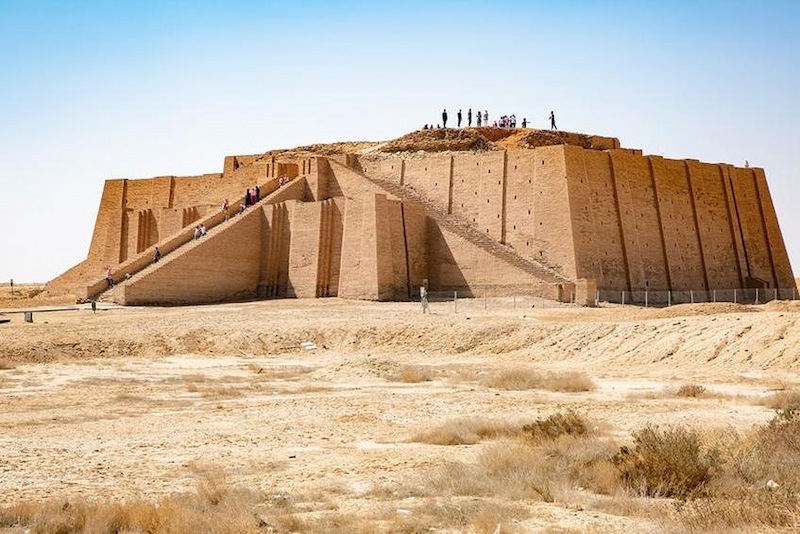
Nasiriyah’s importance extends beyond modern history, as it lies near the site of Ur, one of the world’s oldest cities. The Ziggurat of Ur, dating back to the Sumerian period, stands as a testament to Mesopotamia’s advanced civilization. This proximity has made Nasiriyah a focal point for archaeologists and historians from around the world. Cultural festivals, traditional crafts, and regional cuisine continue to showcase the city’s heritage. Visitors often use Nasiriyah as a base to explore surrounding historical sites. The blending of ancient history with modern life creates a unique cultural landscape that sets the city apart.
Nasiriyah in the 21st Century
In recent decades, Nasiriyah has faced the dual challenges of modernization and conflict. The city played a role in the events following the 2003 Iraq War, experiencing both moments of unrest and reconstruction efforts. Infrastructure projects have aimed to improve water supply, electricity, and transportation, although progress has been uneven. The younger generation is increasingly connected to global culture through technology, while still preserving local customs. Economic activity continues to rely on agriculture, trade, and government services, with growing interest in tourism linked to nearby archaeological sites. Despite hardships, the spirit of resilience remains a defining feature of Nasiriyah’s people.
A City of Endurance and Heritage
The history of Nasiriyah is a story of survival, adaptation, and cultural pride. From its foundation under Ottoman influence to its role in modern Iraq, the city has navigated political shifts and economic challenges while holding on to its identity. Its closeness to the cradle of civilization gives it a special place in both national and global history. Today, Nasiriyah stands as a reminder of Iraq’s deep historical roots and the enduring strength of its communities. For visitors and historians alike, it offers a living connection to the past while continuing to write new chapters in its story.
