

A Journey Through Nasiriyah’s Most Iconic Ziggurats
Nasiriyah, located in southern Iraq, is a region steeped in the history of ancient Mesopotamia. It is home to some of the most significant archaeological sites in the world, including the awe-inspiring ziggurats that once stood as the spiritual and political centers of their cities. These stepped temple towers were not just places of worship; they were also symbols of power, prosperity, and the connection between heaven and earth. Today, visiting these ziggurats offers a rare opportunity to walk in the footsteps of the Sumerians, Babylonians, and Akkadians, experiencing the grandeur and mystery of the world’s first civilizations.
1. The Great Ziggurat of Ur
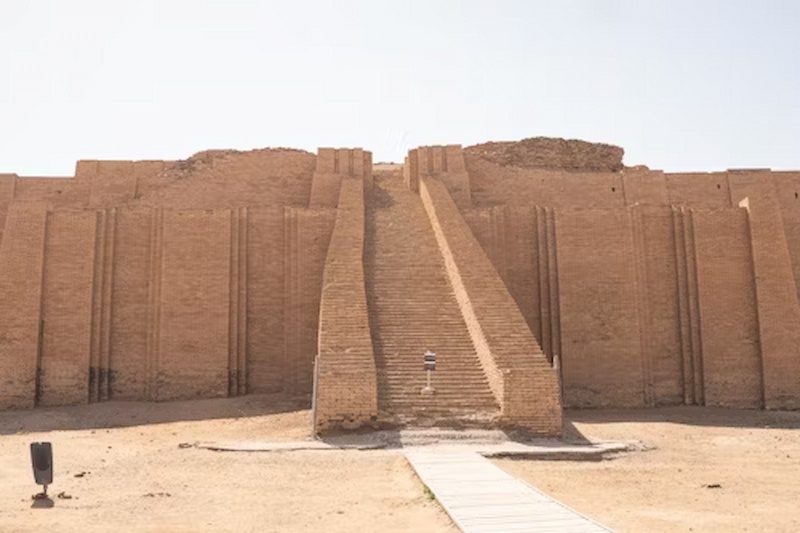
The Great Ziggurat of Ur is perhaps the most iconic ancient structure in Nasiriyah and one of the best-preserved ziggurats in Mesopotamia. Built around the 21st century BCE by King Ur-Nammu, it served as the central temple to the moon god Nanna (Sin). Its massive stepped design once rose high above the flat Mesopotamian plains, symbolizing a link between heaven and earth. Today, although partially reconstructed, the ziggurat still showcases the remarkable engineering skills of the Sumerians. Standing before it, visitors can imagine the grandeur of ancient Ur and its role as a political and spiritual hub.
- Constructed with mud bricks covered in baked bricks for durability
- Served as a religious center for worshipping Nanna, the moon god
- Originally surrounded by a thriving city with marketplaces and homes
2. Ziggurat of Eridu
Eridu, considered by many historians as the world’s first city, was home to an important ziggurat dedicated to the god Enki (Ea). While less preserved than Ur’s ziggurat, its archaeological remains reveal a layered history spanning millennia. The site consists of several superimposed temples, each built over the ruins of its predecessor, illustrating the long-standing religious devotion of the city’s inhabitants. Walking through Eridu, visitors sense the depth of Mesopotamian civilization and its continuous evolution.
- Associated with Enki, the god of water, wisdom, and creation
- Layers of temples built from the Ubaid period to later Sumerian times
- Offers insights into early urban religious practices
3. Tell al-Lahm Ziggurat
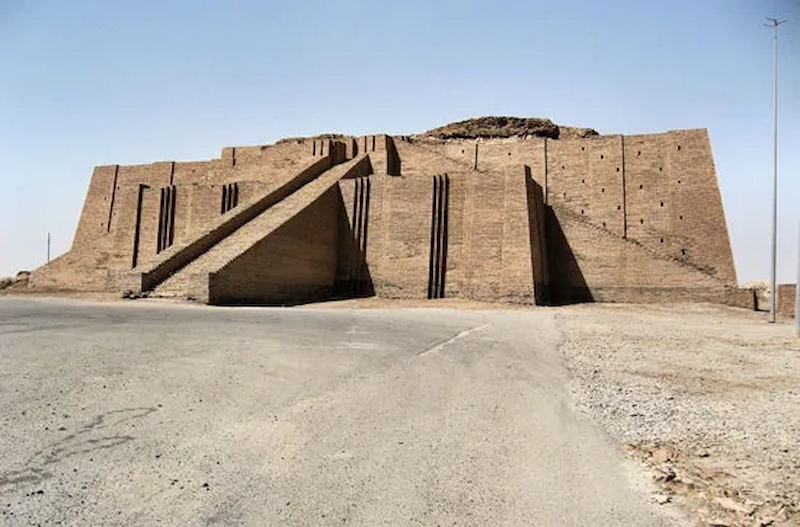
Tell al-Lahm, located near Nasiriyah, is an impressive archaeological site believed to have been a key administrative and religious center in ancient times. Although less restored than Ur, it preserves the authentic ruins of a ziggurat structure that once stood prominently over the surrounding landscape. Its mudbrick walls, though weathered, still evoke the grandeur of Mesopotamian sacred architecture. For archaeology enthusiasts, Tell al-Lahm offers a more untouched and raw experience compared to heavily reconstructed sites.
- Situated strategically along ancient trade routes
- Contains evidence of surrounding settlements and city walls
- Likely served as both a religious and political center
4. Ziggurat of Larsa
Larsa was one of the major city-states in southern Mesopotamia, and its ziggurat was dedicated to the sun god Shamash. Built during the reign of King Rim-Sin I, it reflected the city’s political power and religious significance. Although only fragments of the structure remain today, excavations have revealed a wealth of artifacts and inscriptions. Larsa’s ziggurat once symbolized the city’s wealth, which came from controlling important trade and irrigation networks in the region.
- Linked to Shamash, the god of justice and the sun
- Larsa rivaled Ur and Isin during Mesopotamian history
- Archaeological finds include cuneiform tablets and temple relics
5. Ziggurat of Umma
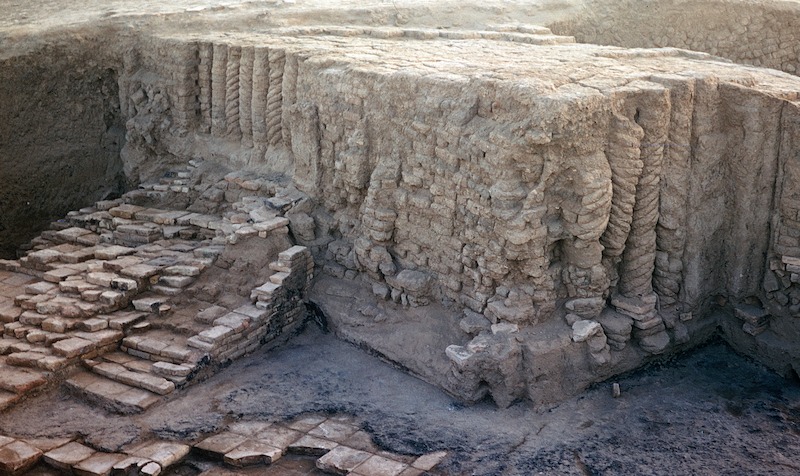
Umma, another prominent Sumerian city near Nasiriyah, had its own ziggurat dedicated to the god Shara. Although heavily eroded, its remains are vital for understanding the religious and political landscape of early Mesopotamia. Umma was known for its long-standing rivalry with neighboring city-states, and its ziggurat would have been a focal point of civic pride. Today, it serves as a testament to the shared yet competitive culture among ancient Mesopotamian cities.
- Dedicated to Shara, a war deity
- Evidence suggests it was part of a larger temple complex
- Highlights the interplay of religion and politics in ancient governance
Preserving the Legacy of Mesopotamia
The ziggurats in and around Nasiriyah are not just ancient ruins but monumental reminders of one of the world’s earliest civilizations. Whether grandly restored or quietly eroding, each structure tells a story of faith, power, and innovation. For travelers and history enthusiasts, visiting these sites offers a journey through thousands of years of human achievement in architecture, religion, and governance. Together, they form a remarkable legacy of Mesopotamia’s enduring influence on world history.
