

Climate in Nasiriyah: Seasonal Changes and What to Expect
Nasiriyah, Iraq’s fourth-largest city, is located in the heart of the southern desert region and is known for its rich history, vibrant culture, and proximity to the ancient Ziggurat of Ur. The city’s climate plays a significant role in shaping daily life, travel plans, and cultural events throughout the year. Understanding the weather conditions in Nasiriyah is essential for anyone planning to visit or stay in the city, as temperatures and seasonal changes can be quite dramatic. From scorching summer heat to pleasantly mild winters, each season brings a unique atmosphere and set of experiences for residents and travelers alike.
Hot and Dry Summers
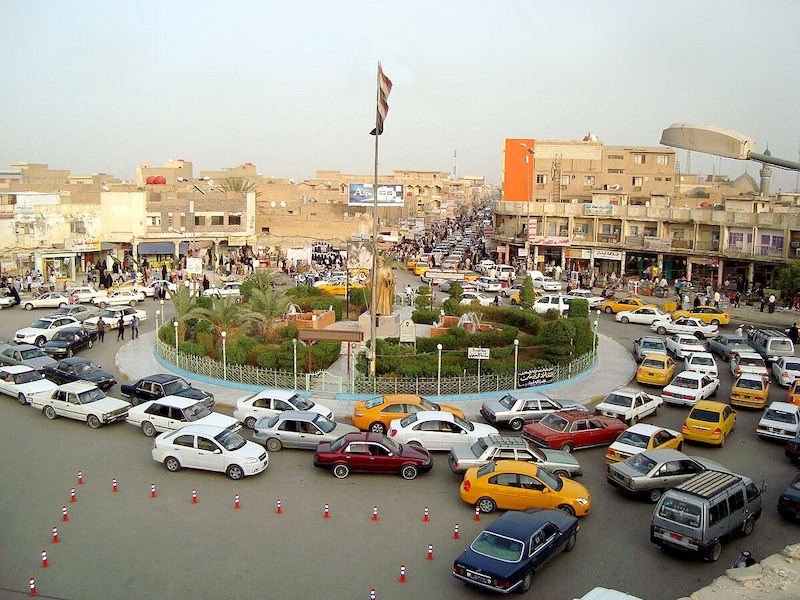
Nasiriyah, located in southern Iraq, experiences extremely hot and dry summers that can be challenging for visitors and locals alike. From June to September, daytime temperatures often exceed 45°C (113°F), with little to no rainfall during this period. The heat is intensified by the dry desert winds, which can make outdoor activities uncomfortable. Locals typically adapt by limiting outdoor work to early mornings or evenings and ensuring access to shaded areas. Visitors are advised to stay hydrated, wear light, breathable clothing, and use sun protection.
Quick tips for summer survival in Nasiriyah:
- Carry plenty of water at all times.
- Avoid outdoor exposure between 11 AM and 4 PM.
- Wear hats, sunglasses, and light cotton clothes.
Mild and Pleasant Winters
In contrast to its intense summers, winters in Nasiriyah are mild and generally pleasant. From December to February, temperatures range between 10°C (50°F) at night and 20°C (68°F) during the day. This makes it the most comfortable season for outdoor activities, sightseeing, and travel. Rainfall, while limited, is more likely during winter, adding some freshness to the air. The milder climate also allows locals to engage in social gatherings and markets without the oppressive heat of summer. Visitors often find this season the best time to explore the city and its cultural sites.
Seasonal Sandstorms
Given its desert surroundings, Nasiriyah is prone to occasional sandstorms, particularly in spring and early summer. These dust storms can reduce visibility, affect air quality, and disrupt travel plans. While they are usually short-lived, they can be intense, with strong winds carrying fine sand over long distances. During such events, residents stay indoors, and drivers take extra caution on the roads. Travelers should monitor weather forecasts and avoid unnecessary travel during these conditions.
Rainfall and Humidity Patterns
Rainfall in Nasiriyah is scarce, averaging less than 150 mm (6 inches) annually, and occurs mainly between November and March. Humidity levels remain low for most of the year, which contributes to the arid environment. However, occasional winter rains bring temporary greenery to the surrounding desert areas. These rare wet periods are crucial for agriculture and local ecosystems. Visitors during these months may enjoy a slightly more vibrant landscape compared to the rest of the year.
Nasiriyah Climate Averages (°C, mm)
| Month | Jan | Feb | Mar | Apr | May | Jun | Jul | Aug | Sep | Oct | Nov | Dec | Year |
|---|---|---|---|---|---|---|---|---|---|---|---|---|---|
| Average high (°C) | 17.0 | 20.2 | 25.4 | 31.8 | 38.5 | 42.7 | 44.8 | 44.8 | 42.0 | 35.4 | 25.9 | 19.0 | 32.8 |
| Average temperature (°C) | 11.6 | 12.9 | 18.9 | 25.1 | 31.0 | 34.5 | 36.4 | 36.1 | 33.1 | 27.3 | 19.2 | 13.4 | 25.0 |
| Average low (°C) | 6.2 | 8.1 | 12.4 | 18.4 | 23.5 | 26.3 | 28.0 | 27.4 | 24.2 | 19.2 | 12.5 | 7.7 | 17.8 |
| Average precipitation (mm) | 27.4 | 18.1 | 20.9 | 13.3 | 4.3 | 0.2 | 0.0 | 0.0 | 0.7 | 6.3 | 14.0 | 22.5 | 127.7 |
Climate Adaptation and Local Life
The people of Nasiriyah have adapted to their climate through architectural design, daily routines, and lifestyle choices. Traditional buildings often feature thick walls and small windows to reduce heat absorption. Markets and public gatherings take place during cooler hours of the day, and water storage systems are essential for households. For travelers, understanding these adaptations can make their visit smoother and more enjoyable. Experiencing the city in harmony with its climate offers a deeper appreciation of life in this unique region.
Best Time to Visit Nasiriyah
The ideal time to visit Nasiriyah is between November and March, when temperatures are mild and comfortable for sightseeing. During these months, daytime temperatures range from 15°C to 25°C (59°F to 77°F), making it pleasant for outdoor exploration and cultural tours. Rainfall is minimal and usually light, so it rarely disrupts travel plans. Winter also offers a lively atmosphere, with markets, outdoor gatherings, and cultural events in full swing. On the other hand, summer should be avoided by those unaccustomed to extreme heat, as temperatures can exceed 45°C (113°F) and limit outdoor activities.
