
More than just a concert hall, Renzo Piano's masterpiece is a modern piazza, a space where Rome's ancient soul meets contemporary art. This is where Rome truly hears its future.
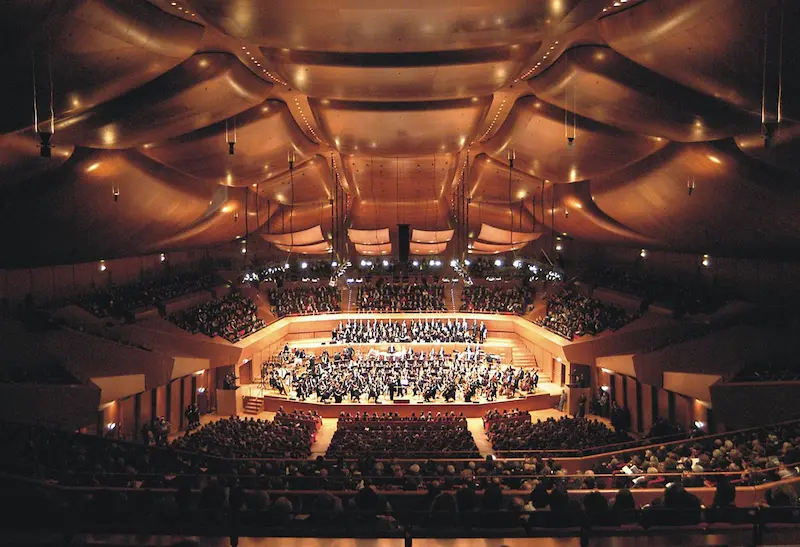
Nestled between the Olympic Village and Parioli, the Auditorium isn't merely a complex of theaters; it's a contemporary landmark. Designed by the globally acclaimed architect Renzo Piano, the three distinct 'beetle' halls (Sala Santa Cecilia, Sala Sinopoli, Sala Petrassi) are functional sculptures, symbolizing the seamless blend of art and engineering.
This deliberate design choice pays homage to the ancient Roman tradition of connecting community, art, and public space.
The Architect's Legacy: A Note on Renzo Piano
Renzo Piano is not just a master of materials but a philosopher of public space. He once said, "Architecture is the art of making cities, not just buildings." His work here ensures that the Auditorium, despite its modern scale, serves the ancient Roman ideal: that culture belongs to the public life of the city.
Born: 1937, Genoa, Italy. | Signature Style: High-Tech, Structural Honesty.
1. Renzo Piano’s Signature: Architecture as Music
The three halls (Sala Santa Cecilia, Sala Sinopoli, Sala Petrassi) are affectionately called "The Beetles" due to their unique, lead-covered roofing structures. They are not built in a building, but are treated as individual buildings themselves, separated by walkways. This separation ensures maximum acoustic independence for each performance space.
-
Acoustic Precision:Each hall is optimized for different musical genres, ensuring perfect sound. The walls and ceilings use modular cherry wood panels for optimal resonance and clarity.
-
The Roofs:The complex features lush, walkable grass roofs, offering a park-like experience and unique viewpoints. This greenery also contributes to the complex's sustainable energy management.
Exterior View Detailing the 'Beetle' Halls
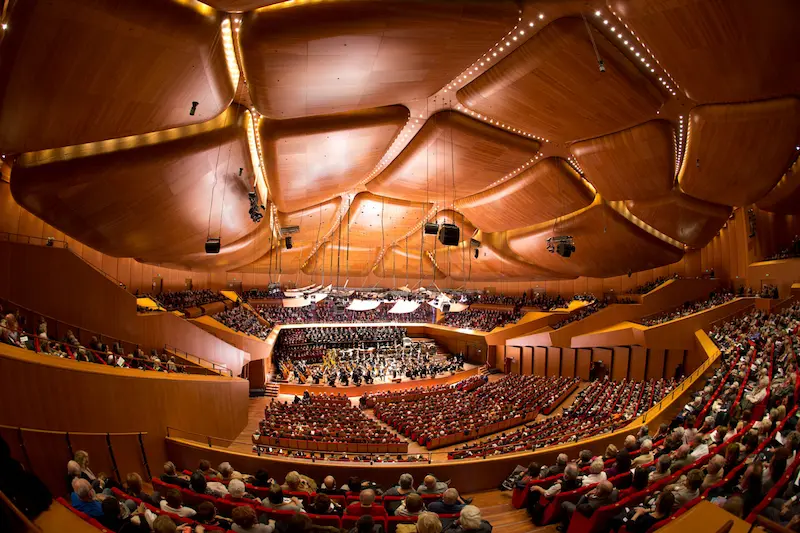
2. Beyond the Stage: Community and Events
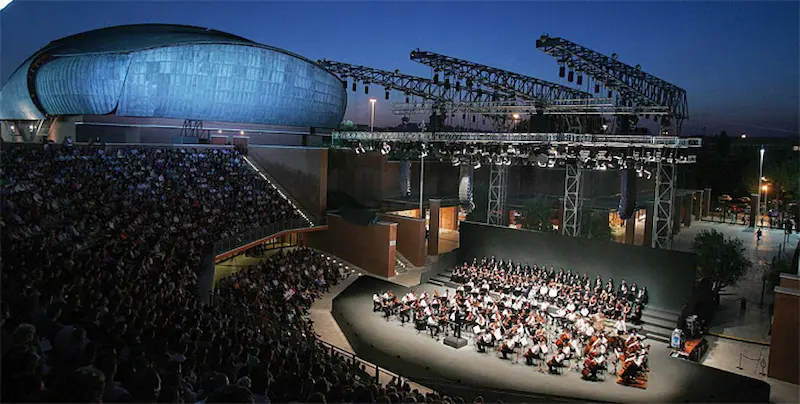
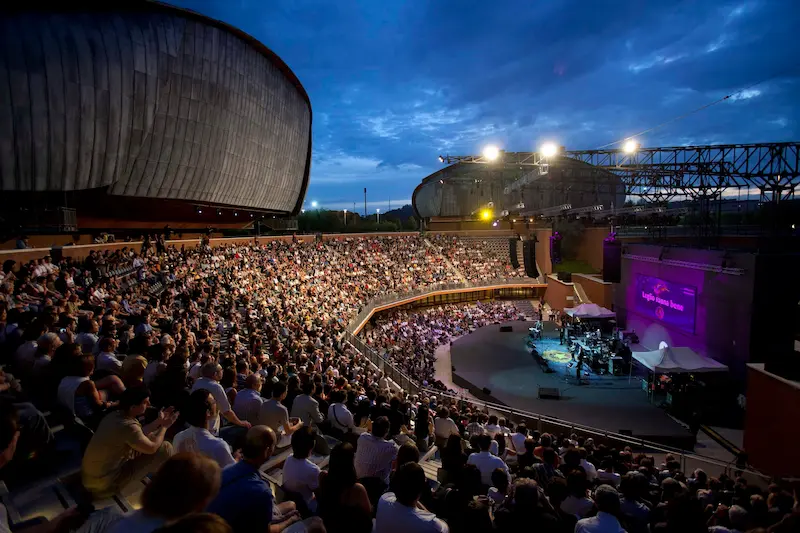
The large central amphitheater, the Cavea, quickly became Rome's modern-day meeting point, a central piazza connecting the complex. It hosts major events, turning the space into a true cultural hub accessible to all Romans. The curved design ensures a fantastic view from every seat, paying tribute to ancient Roman stadiums.
-
Year-Round Calendar:The calendar is packed, featuring the prestigious Rome Film Fest, major international summer concerts, and the family-friendly Christmas Village.
-
Public Space:When no ticketed events are scheduled, the Cavea area functions as a favourite spot for young Romans and local families to relax, study, and socialize.
The Cavea During a Summer Event
3. Your Visit: Practical Tips and Insider Advice
2026 Event Spotlight: A Year of Major Acts
The Auditorium Parco della Musica is more than an acoustic wonder; it is a declaration that Rome is a living, evolving artistic city. Go, listen, and feel the pulse of its modern culture.