

Technical Guide to Rome Private Transfer: Metropolitan Transit Logistics
Intermodal transport between Rome Fiumicino (FCO) and metropolitan zones requires specialized logistics for time-sensitive arrivals. In an environment defined by high-traffic density and complex urban infrastructure, Rome Private Transfer services provide a structured alternative to standard transit nodes. Professional chauffeured operations eliminate logistical delays through real-time flight telemetry and priority lane access from the moment of terminal emersion.
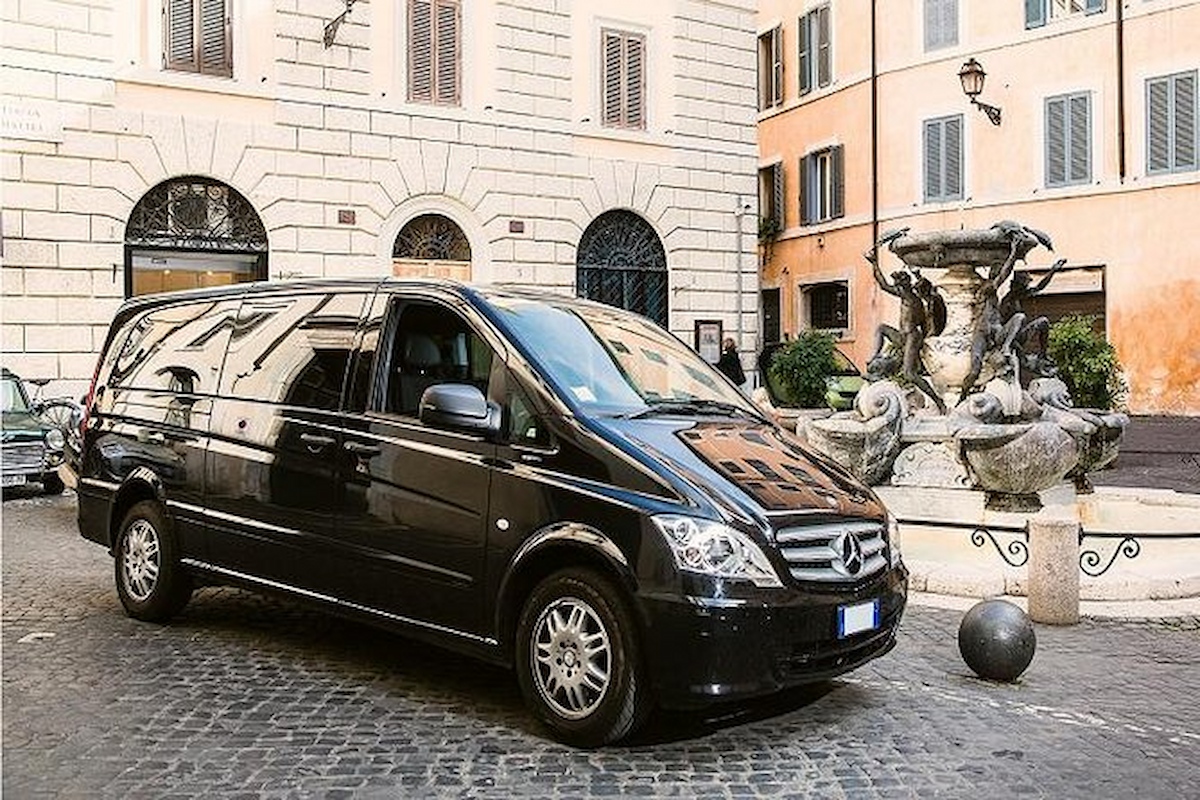
Why Airport.Online Transfer Logistics are Industry Standard
Telemetry Integration
Direct connection to aviation databases for precise arrival synchronization.
ZTL Access
Legal authorization for Limited Traffic Zones in Rome's historic center.
Fixed Tariff
Transparent price modeling independent of traffic duration or surge factors.
Fleet Scalability
Vehicle options ranging from executive sedans to high-capacity shuttle vans.
The Operational Infrastructure of Rome Airport Transit
Rome Fiumicino Airport (FCO) is situated approximately 35 kilometers from the metropolitan core. Efficient transit requires an understanding of the Autostrada A91 corridor and the Grande Raccordo Anulare (GRA) ring road. For international travelers, the transition from flight to urban destination represents a critical logistical phase. Traditional public transit, while functional, adheres to rigid schedules and limited stops. In contrast, a Rome Private Transfer operates on a bespoke schedule, utilizing professional-grade vehicles authorized for "Noleggio Con Conducente" (NCC) operations.
Data-driven flight monitoring is a core component of executive transfer logistics. Chauffeurs utilize aviation telemetry to adjust pickup times based on actual landing data, accommodating for early arrivals or late-stage delays. This synchronization ensures that vehicular assets are deployed precisely at the moment of passenger readiness, optimizing terminal dwelling time and reducing congestion at the FCO arrival curb.
Fleet Classifications and Technical Standards
Standardized vehicle classifications enable passengers to select transport based on volumetric and luxury requirements. All vehicles in the Rome fleet must adhere to national NCC safety standards, including regular mechanical inspections and liability insurance mandates. Fleet diversity is essential for managing the varying needs of solo executives, family units, and corporate delegations.
Technical Vehicle Specifications:
Executive sedans (E-Class or equivalent) provide capacity for 3 passengers and 3 standard luggage units. Minivan classes (V-Class or Vito) support up to 7 passengers with expanded cargo volume for 7-8 suitcases. All vehicles are equipped with Euro 6 emission standard engines and climate control systems optimized for the Mediterranean climate.
Navigating Limited Traffic Zones (ZTL)
Rome's historic center is governed by ZTL (Zona a Traffico Limitato) regulations, which restrict access for private non-resident vehicles. Licensed Private Transfer Rome vehicles possess specific permits to penetrate these zones, delivering passengers directly to hotel entrances located in narrow historic vicoli. This legal authorization is a critical differentiator from standard ride-sharing apps, which may be forced to drop passengers at the perimeter of the restricted zones, necessitating additional pedestrian transit with luggage.
Metropolitan Coverage and Regional Nodes
While the primary corridor connects FCO to the Rome city center, chauffeured transit logistics extend to key regional nodes. Service reach is essential for passengers connecting to intermodal maritime or rail hubs. Coverage parameters include:
- Civitavecchia Port: Direct maritime transit for cruise ship passengers departing from the Latium coast.
- Ciampino (CIA): Inter-airport transfers between Rome's secondary hub and the primary FCO terminal.
- Railway Hubs: Terminal-to-terminal transfers for Roma Termini and Roma Tiburtina.
- Luxury Outlets: Transit to Castel Romano and other major commercial nodes in the Lazio region.
Safety Protocols and Professional Credentialing
Passenger safety in Rome's private transport sector is managed through strict credentialing. Chauffeurs are required to hold a "Certificato di Abilitazione Professionale" (CAP) and must be registered with the regional transport chamber. These professional standards ensure that the operator possesses deep knowledge of Rome's traffic topography and emergency bypass routes. Furthermore, vehicular sanitation and maintenance protocols follow pre-established cycles to ensure passenger comfort and reliability during the 45-60 minute transit window.
Economic Efficiency of Chauffeured Transit
The economic model of a Rome Airport Transfer centers on fixed-price tariffs. Unlike metered taxis, which may be subject to variable pricing based on traffic congestion or specific airport pickup fees, private transfer rates are locked at the point of reservation. This transparency is vital for corporate budgeting and family financial planning. When volumetric luggage capacity and group sizes are considered, the per-passenger cost of a private minivan often parallels or undercuts the total cost of multiple train tickets and subsequent short-haul urban transport.
Transfer Arrival Protocol
- Meeting Point: Proceed to the Meeting Point in the FCO Arrivals Hall after baggage reclaim.
- Identification: Locate the chauffeur holding a sign with the passenger's name or corporate logo.
- Wait Time: Standard 60-minute wait time is included for international flight arrivals.
- Luggage: Assistance with luggage loading is standard for all fleet classes.
Standard Transit Rates (FCO)
Business Solutions
Priority billing and monthly account management for high-frequency corporate travelers at FCO and CIA.
Rome Transfer: Master FAQ & Logistics
Technical details on airport pickup protocols, vehicle standards, and booking parameters.