
Fiumicino and the Genius Who Taught Humanity to Dream of Flight
How often do we think about the name of the airport we fly from? For most travelers, it’s just a line on a ticket. But in Rome’s Fiumicino Airport (FCO), things are different. The name “Leonardo da Vinci” isn’t just a tribute, it’s a national statement, a symbol of Italy’s devotion to science, art, and the eternal pursuit of flight. Every departure from this airport is a quiet salute to the Renaissance mind that first imagined humanity’s ascent into the sky.
This story reveals why FCO is more than a travel hub. It’s a living monument to a dream that began 500 years ago, a dream of human flight that Leonardo sketched long before wings of metal ever touched the clouds.
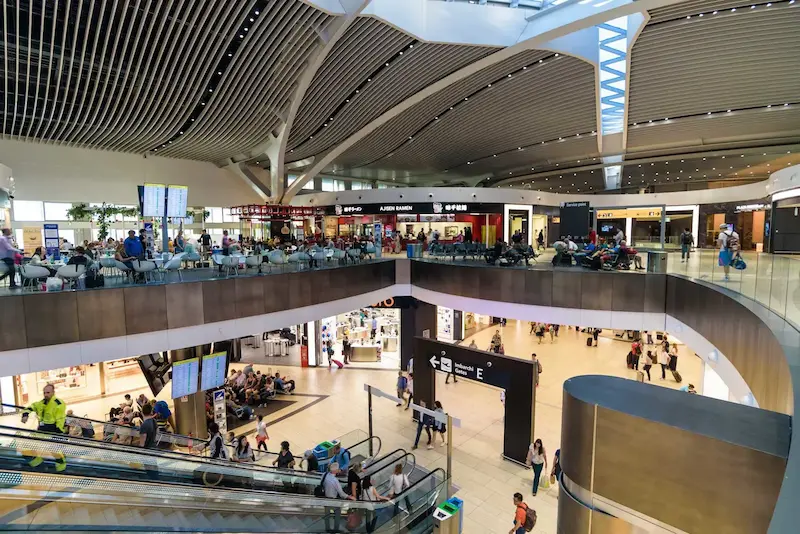
In the Name: Why Leonardo, Why an Airport?
Officially known as Aeroporto Leonardo da Vinci di Fiumicino, Italy’s busiest international airport carries a name chosen with purpose. It’s not just homage, it’s heritage. When Fiumicino opened in 1961, Italy was rebuilding its global image after decades of turbulence. Naming the country’s most important gateway after its greatest visionary declared something clear: the future of flight belonged to a nation that first imagined it.
Leonardo da Vinci was not simply a painter. He was an engineer, anatomist, mathematician, and futurist. His notebooks reveal an obsessive fascination with flight, the mechanics of birds, the invisible geometry of air, the dream of lifting the human body beyond its limits. FCO’s name doesn’t celebrate his art; it celebrates his mind.
For Italians, the name represents a national identity built on creatività and ingegno, creativity and ingenuity. Like Da Vinci’s notebooks, the airport connects imagination with technology, turning ideas into movement. As the first and last impression for millions entering Italy, FCO stands as the country’s most modern shrine to genius.
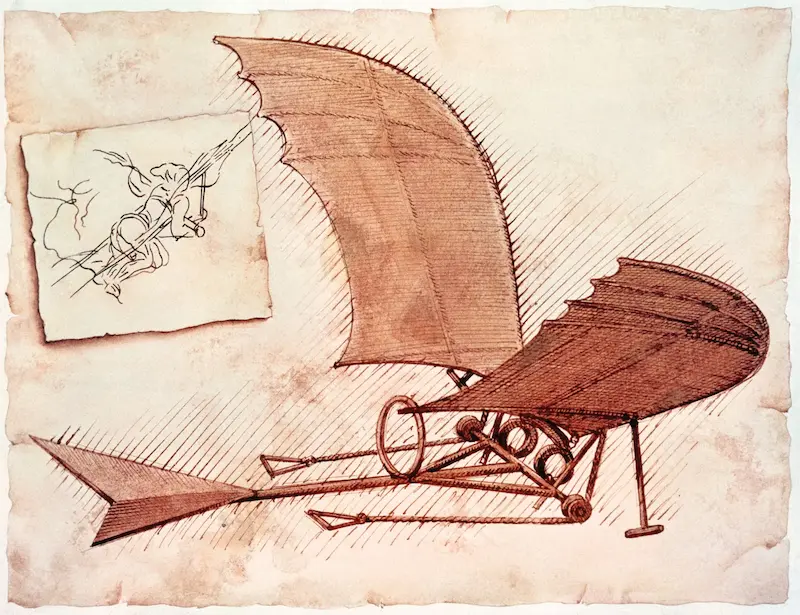
A Dream of Flight: Leonardo’s 500-Year Vision
Centuries before the Wright brothers or Airbus engineers, Leonardo da Vinci filled his pages with sketches of air currents, wings, and aerodynamic experiments. His fascination began with birds. He dissected them, mapped their muscles, and wrote of how lift could be achieved through balance and resistance. His Codex on the Flight of Birds remains one of the earliest scientific treatises on aviation.
Among his many inventions were the ornithopter, a flying machine modeled after a bird’s wings, and the aerial screw, a spiral rotor that prefigured the modern helicopter. These designs, centuries ahead of their time, were born of a relentless curiosity about air, energy, and human potential. Leonardo never built a working aircraft, but his vision was not failure, it was prophecy.
Every aircraft departing from Fiumicino is a silent continuation of that dream. The roar of engines echoes the flutter of the sketches in his notebooks; the precision of modern aviation fulfills a promise that began with ink and imagination. FCO is not just named after Leonardo, it’s the embodiment of his most impossible idea made real.
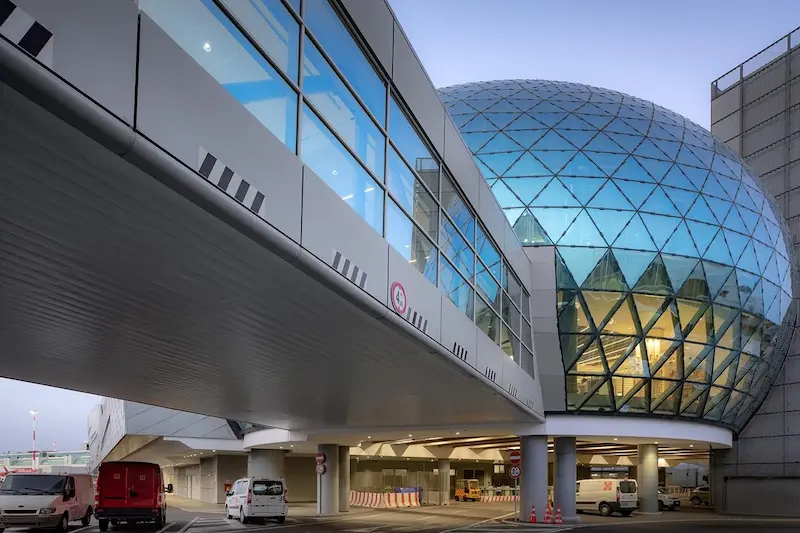
Visible and Invisible Tributes at FCO
Walk through Fiumicino, and you’ll see traces of its namesake everywhere, sometimes overt, sometimes hidden. Sculptures inspired by The Vitruvian Man stand near terminal halls, while digital displays project excerpts from Leonardo’s mechanical sketches. Past exhibitions in Terminal 3 have showcased his notebooks and flight models, connecting passengers not just to destinations but to ideas.
Even the airport’s architecture, vast, orderly, efficient, mirrors the harmony Leonardo sought in his designs. The flow of passengers resembles the engineered elegance of his machines: optimized, functional, and balanced between art and precision.
As travelers pass through passport control and gaze at the runways, few realize they’re walking through a building designed in the spirit of a polymath. Every departure from FCO feels like leaving through what could only be called “The Gate of Genius.”
The Sibling Airports of Genius
Leonardo da Vinci’s legacy doesn’t stand alone in Italy’s skies. FCO is part of a larger national tradition, naming its air gateways after the great minds that shaped both science and culture. Bologna’s Guglielmo Marconi Airport honors the inventor of radio communication. Pisa’s Galileo Galilei Airport celebrates the father of modern astronomy. Together, they form a symbolic constellation of intellect and invention spread across Italy’s map.
Beneath Fiumicino’s runways lies another layer of history. The ancient Roman port of Portus once connected the empire to the world, a harbor built on geometry, logistics, and power. Today, jets take off where ships once sailed, continuing Italy’s 2,000-year dialogue between technology and exploration.
This overlap between past and progress makes FCO unique. It’s not merely a point of departure; it’s a bridge between eras, from Da Vinci’s sketches to the engineers of modern aviation, from Roman docks to global runways.
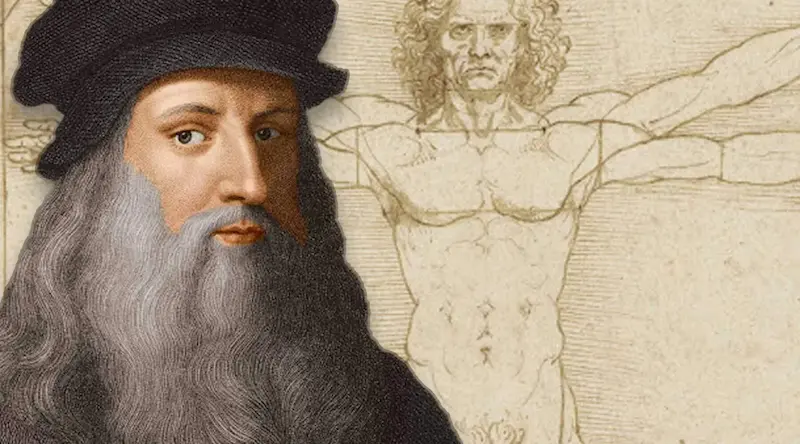
A Runway into the Renaissance
As your plane lifts off from Fiumicino, remember that this airport is more than glass and steel. It’s a floating library of Italian brilliance, a gateway built on genius. Every takeoff honors the dream of a man who once watched birds and imagined the impossible.
Leonardo da Vinci may never have flown, but through the airport that bears his name, his vision continues to do so, every hour, every flight, every sky.
Next time you fly from FCO, ask yourself: what does the name on your ticket truly mean?