

Rome Luggage Storage: High-Security Baggage Retention
Metropolitan transit within the Roman urban core necessitates specialized assets for high-volume baggage management. In a city defined by complex historic topography and a high density of intermodal transit nodes, Rome Luggage Storage infrastructure provides a critical bridge between international arrival and terminal egress. Secure retention facilities utilize advanced monitoring arrays and digital inventory synchronization to manage asset integrity during long-duration transit gaps.
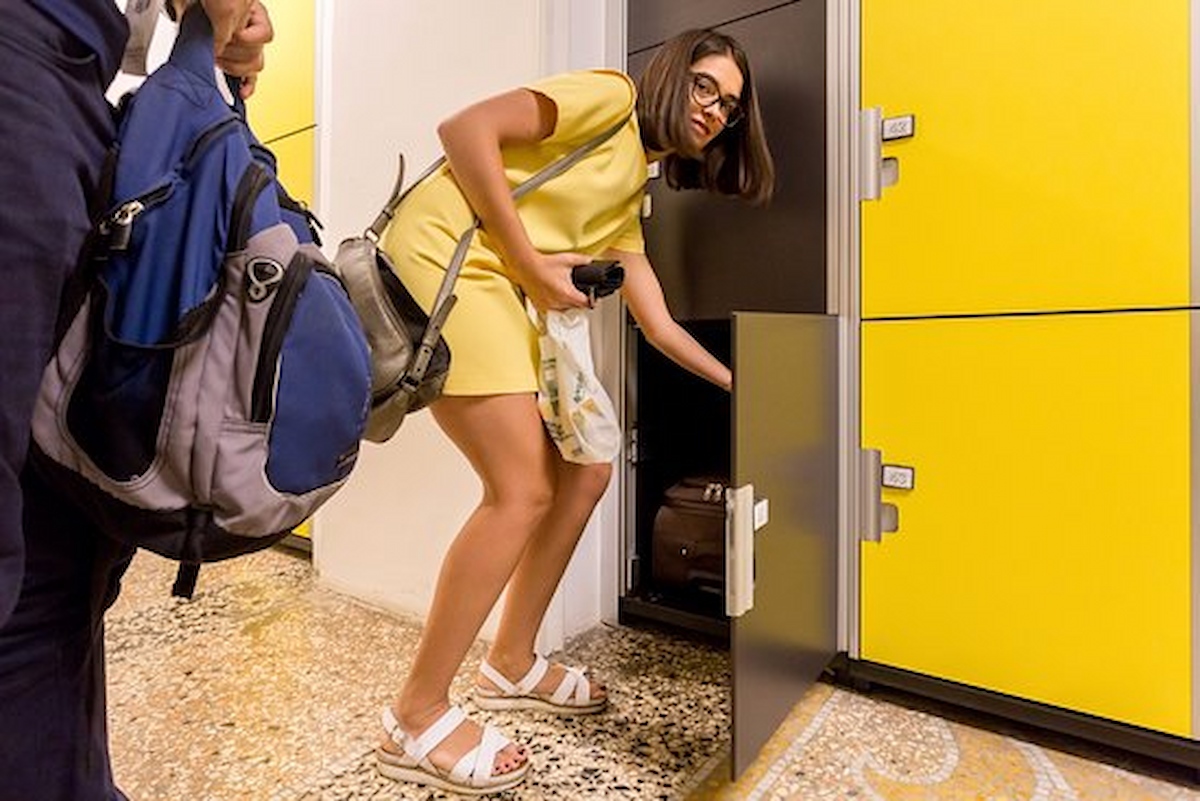
Operational Standards for Italian Luggage Retention
Asset Sorting
Automated categorization of baggage based on volumetric dimensions and weight.
Real-Time Tracking
Continuous logging of baggage movement within the facility from intake to retrieval.
Climate Control
Active environmental monitoring to prevent thermal or moisture-based asset degradation.
Networked Nodes
Cloud-integrated facility management for seamless inventory retrieval across nodes.
Metropolitan Baggage Logistics and the Historic Urban Gap
Rome, as a global nexus of tourism and business, operates within an urban framework that predates modern transit requirements. The physical layout of the city, characterized by narrow cobblestone (sampietrini) streets and extensive limited-access zones, creates significant friction for travelers transporting high-volume luggage. The "Historic Urban Gap" refers to the period between early check-outs and late-stage departures from Fiumicino (FCO) or Ciampino (CIA) airports. During this interval, Rome Luggage Storage services act as a vital logistical buffer, enabling unencumbered movement through the city's pedestrian-centric core.
The operational efficiency of these facilities is measured by "Retrieval Latency"—the speed at which an asset can be processed from a high-security retention area to the owner. Professional storage nodes at Roma Termini utilize digital queue management and pre-allocation protocols to reduce this latency. This is essential during peak transit windows when hundreds of passengers simultaneously transition from metropolitan sightseeing to airport-bound rail services like the Leonardo Express.
Advanced Security Frameworks: Surveillance and Liability
Modern baggage retention has evolved beyond physical storage to include a comprehensive suite of security technologies. Surveillance arrays in Roman storage nodes utilize Intelligent Video Analytics (IVA), which can detect unauthorized access or baggage tampering in real-time. These systems operate on closed-circuit digital networks, ensuring that all footage is archived according to Italian privacy and safety regulations. Furthermore, the physical lockers are constructed from high-gauge steel, utilizing multi-point locking mechanisms that are resistant to mechanical forced entry.
Digital Retention Standards:
Baggage nodes utilize Unique Identifier (UID) tagging systems. Each UID is linked to an encrypted database entry containing the timestamp of deposit, volumetric measurements, and digital photographs of the asset's condition at intake. This provides an immutable audit trail for both the operator and the traveler, ensuring accountability under Italian Civil Code (Codice Civile) articles related to deposit contracts.
Impact on Kentsel Hareketlilik (Urban Mobility)
The strategic deployment of Luggage Retention Rome nodes is a core component of sustainable urban mobility planning. When travelers utilize centralized storage, the total volume of oversized baggage on ATAC buses and the Rome Metro is significantly reduced. This reduction in "Baggage Volume Density" directly translates to increased passenger capacity for daily commuters and improved operational efficiency for the public transport network. Furthermore, hands-free exploration encourages pedestrian activity, reducing the demand for short-haul private vehicle transit and contributing to lower carbon emissions within the historic ZTL zones.
For international visitors arriving via high-speed rail at Roma Tiburtina or Roma Termini, the ability to immediately offload luggage allows for the utilization of Rome's bicycle and scooter-sharing infrastructure. This intermodal flexibility is only possible through a reliable network of storage facilities that are integrated into the city's primary transit map. The synergy between secure baggage retention and multimodal transport options defines the modern Roman travel experience.
Legal and Financial Protections: Depositary Responsibility
Under Italian law, the relationship between a luggage storage provider and a traveler is governed by a contract of deposit (contratto di deposito). This legal structure dictates the "responsabilità del depositario"—the professional responsibility of the storage facility to maintain the asset in the condition it was received. High-end Rome Baggage Storage facilities exceed these legal minimums by offering professional indemnity insurance. This coverage provides a secondary layer of financial protection, encompassing scenarios ranging from accidental damage during handling to rare logistical errors.
Volumetric Scaling: Managing Non-Standard Assets
International travel often involves equipment that exceeds standard suitcase dimensions. Professional storage facilities in Rome are equipped with "Oversized Retention Zones" designed for volumetric scaling. These areas accommodate assets such as musical instruments, professional film equipment, bicycles, and winter sports gear. Unlike automated airport lockers that have rigid physical dimensions, manned storage nodes offer the flexibility to secure non-standard items, ensuring that specialized travelers are not restricted by the physical limitations of public transit or historic accommodation storage.
The Future of Baggage Retention: Digital Synchronization
The next phase of Italy Luggage Storage involves the integration of cloud-based inventory tracking with personal mobile devices. Travelers can monitor the "Health Status" of their stored assets, including ambient temperature and last-accessed timestamps, via digital interfaces. This transparency builds trust and allows for more complex logistical planning, such as courier-based transfers from a storage node directly to an airport terminal. As Rome continues to modernize its tourism infrastructure, these technological layers will become standard requirements for high-performance baggage management.
Standard Operating Protocol
- Verification: Documentation of identification for legal compliance.
- Inspection: External scan of baggage for structural integrity.
- UID Assignment: Attachment of tamper-proof digital tracking tags.
- Retrieval Token: Generation of a secure digital or physical access code.
Retention Fee Matrix
Zero-Access Policy
Storage zones are restricted to vetted security personnel. No public entry is permitted into the primary retention areas.
Rome Luggage Storage: Master Technical FAQ
Regulatory and operational details regarding baggage retention in the Rome metropolitan area.