Palaces, mountain cafes and a city of contrasts: your complete Tehran guide.
Tehran stretches from the cool Alborz foothills in the north down to its historic bazaar quarter and ancient Rey in the south. Its character changes as you go, from busy central avenues to leafy northern streets.
This guide covers the districts, top 10 highlights, money (including the Rial and Toman puzzle), transport, dress code, internet, weather and local etiquette.
Tehran at a Glance: Districts and Neighbourhoods
The city climbs from south to north
Tehran sits on a steep slope at the foot of the Alborz Mountains. Each step north brings cooler air and a different atmosphere.
Northern Tehran
Tajrish, Elahiyeh, Jordan, Darband
Cooler mountain air, leafy boulevards and upscale neighbourhoods.
Ideal for: Dining, cafés, galleries, mountain escapes
Highlights: Darband, Tajrish Bazaar, Sa'dabad and Niavaran palaces, Sam Center
Central Tehran
Ferdowsi, Valiasr, Iranshahr
Busy avenues, universities and museums.
Ideal for: Culture, transport links, classic dining
Highlights: National Museum, Treasury of National Jewels, TMoCA, Laleh Park, Valiasr Street
Historic core
Grand Bazaar & Golestan
The dense old centre of trade and government.
Ideal for: Historic architecture, carpets, street life
Highlights: Golestan Palace, Grand Bazaar, Imamzadeh Zeyd, Khayyam Street
Western Tehran
Azadi & Shahrak-e Gharb
Wide expressways, modern towers and malls.
Ideal for: Landmarks, shopping, transport hubs
Highlights: Azadi Tower, Milad Tower, Chitgar Lake, Iran Mall
Top 10 Must-Visit Highlights
Ten medallions of Tehran
01
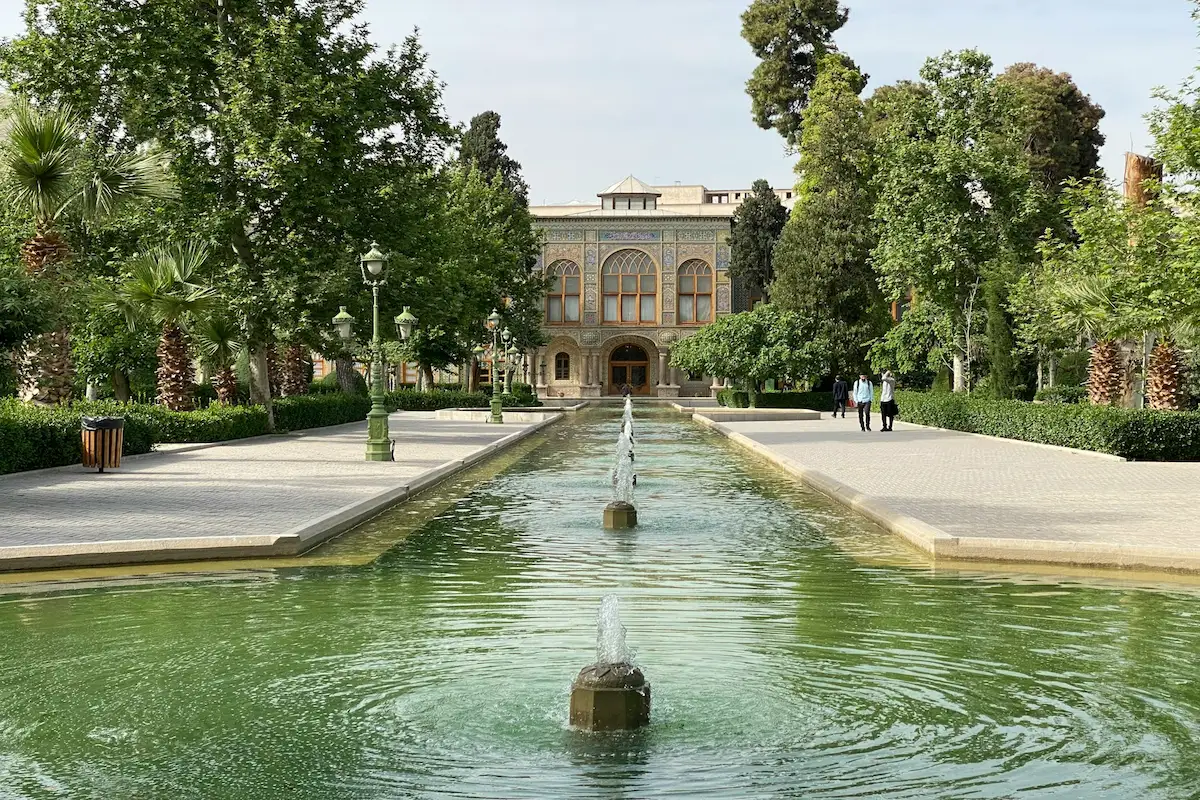
Golestan Palace
UNESCO-listed Qajar palace with mirror halls and the Marble Throne.
02
Tehran Grand Bazaar
Covered lanes, historic timchehs and carpet halls.
03
Treasury of National Jewels
The Darya-i-Noor diamond and royal treasures; limited opening days.
04
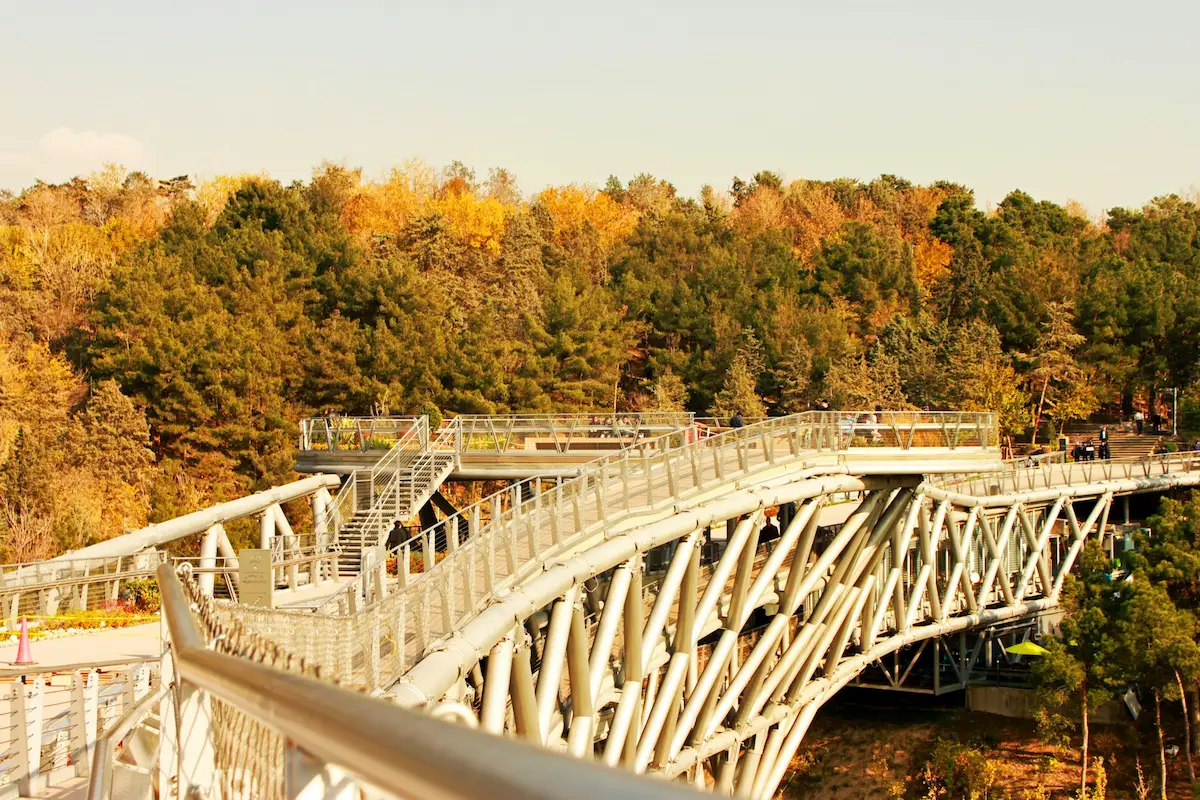
Tabiat Bridge
Multi-level bridge linking two parks, best at sunset.
05
Darband
Streamside teahouses, kebabs and hiking trails.
06
Sa'dabad Palace Complex
Wooded royal estate with the Green and White Palaces.
07
Azadi Tower
A 45-metre marble arch, the symbol of Tehran.
08
Tehran Museum of Contemporary Art
Kamran Diba's windcatcher-inspired museum.
09
Milad Tower
A 435-metre tower with an observation deck.
10
Tochal Telecabin
Cable car to about 3,740 m for hiking and skiing.
Money, Currency and Payments
Plan for cash: foreign cards do not work in Iran
Cards and cash
- Visa, Mastercard, Amex and UnionPay cards issued abroad do not work anywhere in Iran
- Bring clean, undamaged US dollar or euro notes
- Exchange at official exchange offices (sarafi), for example around Ferdowsi Street
- A prepaid tourist card, such as MahCard, can save carrying large amounts of cash
The Rial and Toman puzzle
Banknotes are printed in Rials, but people quote prices in Tomans. 1 Toman = 10 Rials, and short numbers usually mean thousands of Tomans:
| You hear | Usually means | On the banknotes |
|---|---|---|
| "50" | 50,000 Tomans | 500,000 Rials |
| "200" | 200,000 Tomans | 2,000,000 Rials |
| "1 million" | 1,000,000 Tomans | 10,000,000 Rials |
Always confirm whether a price is in Rials or Tomans before paying.
Getting Around Tehran
Beat the traffic
An extensive network linking the Grand Bazaar area with Tajrish in the north. The front and rear carriages are reserved for women, who can also use the mixed carriages.
Iran's ride-hailing apps. Fares are shown in the app and can be paid in cash, making them the easiest door-to-door option.
Ask for darbast to hire a street taxi just for you, and agree the fare in Tomans before you set off.
Imam Khomeini (IKA), about 30–40 km south-west, handles international flights; use a pre-booked transfer, an official taxi or Metro Line 1. Mehrabad (THR), inside the city, handles domestic flights to Isfahan, Shiraz, Mashhad and more.
Dress Code and Etiquette
Respecting local rules and customs
Women
- A headscarf covering the hair in public
- A loose top or tunic (manteau) covering the arms and hips
- Long trousers or a long skirt
- Colourful clothes are widely worn
Men
- Long trousers in public; no shorts
- T-shirts and short-sleeved shirts are fine
- Dress more formally for shrines and official places
Taarof, the art of politeness
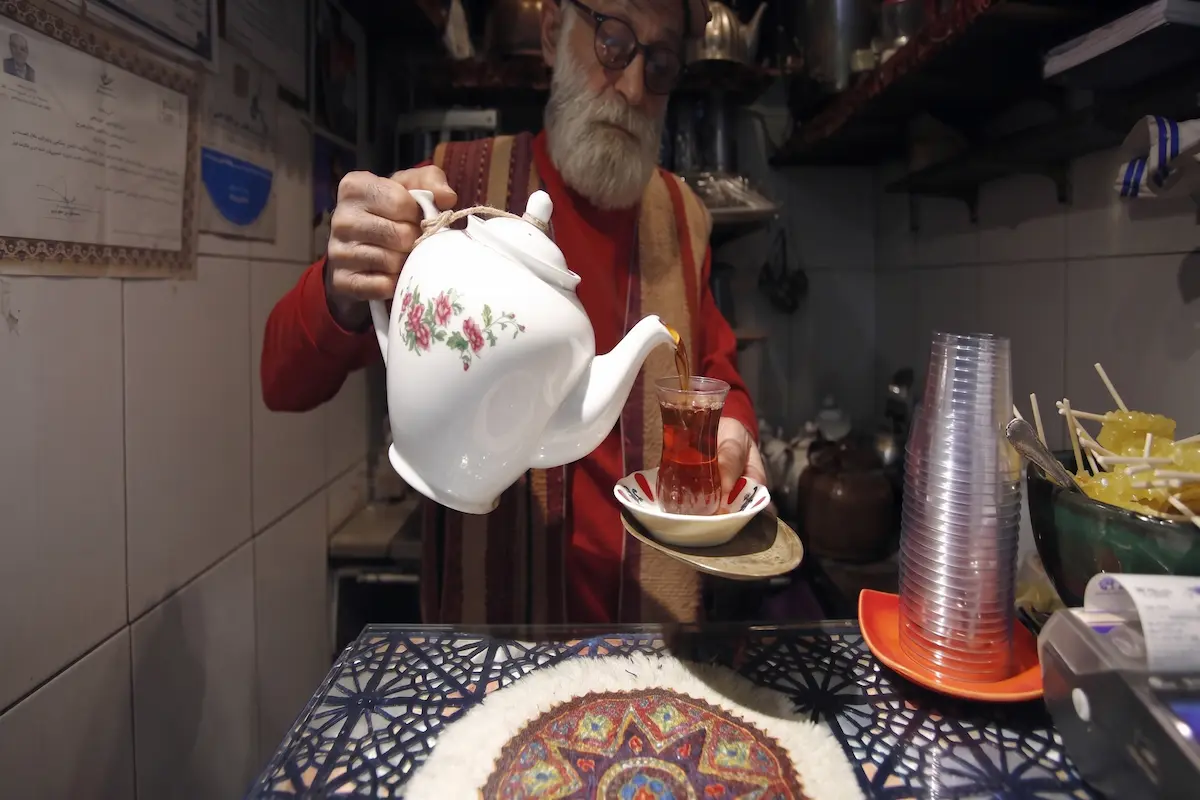
A driver or shopkeeper may refuse your payment out of courtesy, saying "ghabeli nadare" ("it's nothing").
Politely insist two or three times; they usually expect to be paid.
No alcohol
Alcohol is banned and not served in restaurants or hotels. Try doogh, non-alcoholic malt drinks or sharbat.
Internet, SIM Cards and Staying Connected
Plan before you fly
Tourist SIM cards
Buy a tourist SIM from Irancell or Hamrah-e Aval at IKA arrivals or phone shops in the city, using your passport.
Filtered apps and websites
Many international social media and messaging apps are filtered in Iran, and using tools to bypass this is legally restricted. Plan how you will stay in touch, and download offline maps and translation before you arrive.
Weather and the Best Time to Visit
Four distinct seasons
Spring
March–May
15–27°C
Best timeMild weather, blossom and clear mountain views.
Summer
June–August
30–38°C
Hot and dry in the centre; the northern foothills stay cooler.
Autumn
September–November
14–25°C
Best timeCrisp air and golden colours in the northern parks.
Winter
December–February
2–10°C
Cold, with some snow in the north; skiing at Tochal and Dizin.
Before You Go
Bring enough cash, learn the Rial and Toman difference, pack clothes that follow the dress code and plan how you will stay connected. Then enjoy one of the Middle East's most fascinating capitals, from Qajar palaces to mountain teahouses.