Palaces, bazaars, ancient rituals and mountain teahouses: Tehran's culture in ten stamps.
Tehran is the cultural and political heart of Iran, blending imperial Persian heritage, Qajar architecture, modern art and lively urban traditions. From historic Qajar palaces and a UNESCO World Heritage Site to the ancient Pahlevani ritual and mountain teahouse culture, here are the ten cultural experiences not to miss.
Top 10 Cultural Experiences at a Glance
Category, district and highlight
| # | Experience | Category | District |
|---|---|---|---|
| 1 | Golestan Palace | UNESCO Imperial Heritage | Central Tehran (15 Khordad) |
| 2 | Tehran Grand Bazaar | Living Heritage & Commerce | Central Tehran |
| 3 | Treasury of National Jewels | Royal Artifacts | Central Tehran (Ferdowsi Ave) |
| 4 | Zurkhaneh Pahlevani Ritual | Intangible Heritage (UNESCO) | Various districts |
| 5 | Tabiat Bridge at Sunset | Modern Urban Culture | Abbas Abad |
| 6 | Tehran Museum of Contemporary Art (TMoCA) | Modern Art & Culture | Laleh Park |
| 7 | Saadabad & Niavaran Palaces | 20th-Century Royal Heritage | Northern Tehran (Tajrish) |
| 8 | Carpet Museum of Iran | Master Crafts & Textiles | Laleh Park |
| 9 | Teahouse Culture in Darband | Culinary & Social Tradition | Darband / Tajrish |
| 10 | Tochal Telecabin | Outdoor Urban Tradition | Northern Tehran (Velenjak) |
Tehran's Top 10 Cultural Experiences
Your tickets to the city's culture
From imperial palaces to everyday rituals, each experience below shows a different side of Tehran. Use the stamps in the culture pass above to jump straight to any of them.
Admit one · No. 01
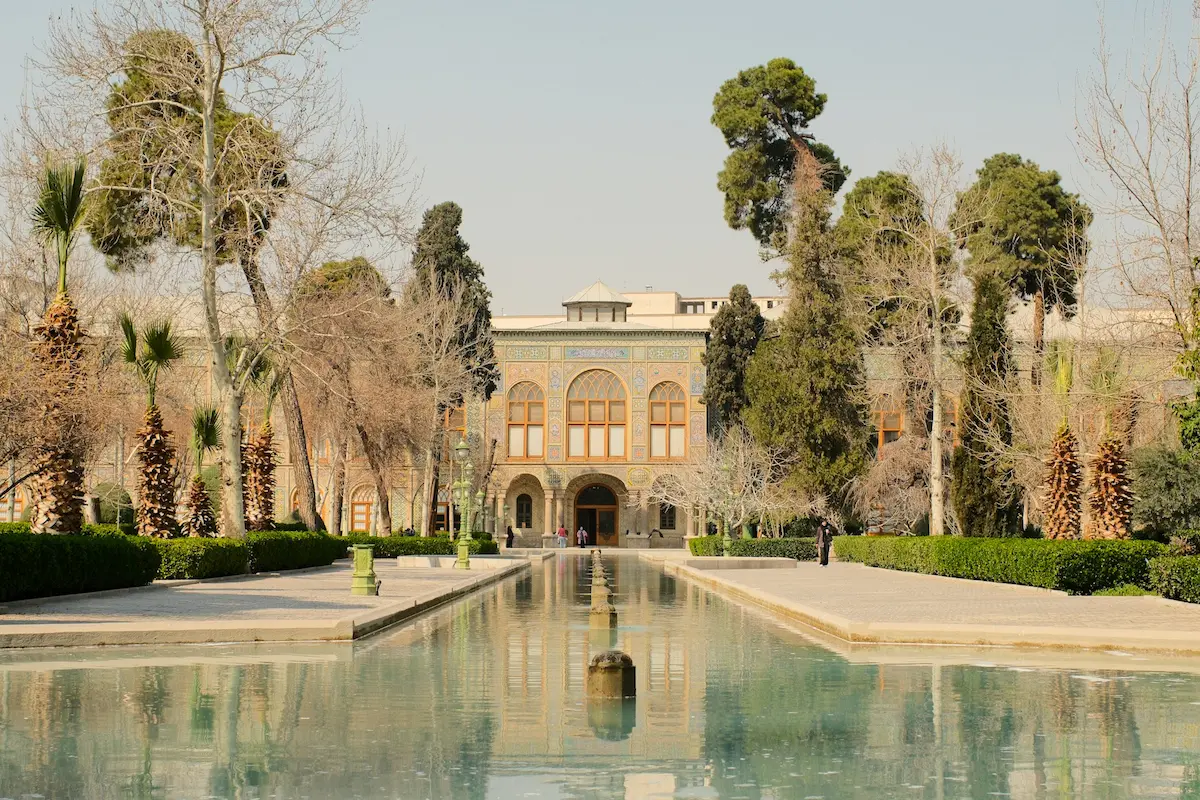
Central Tehran (15 Khordad)
1. Golestan Palace
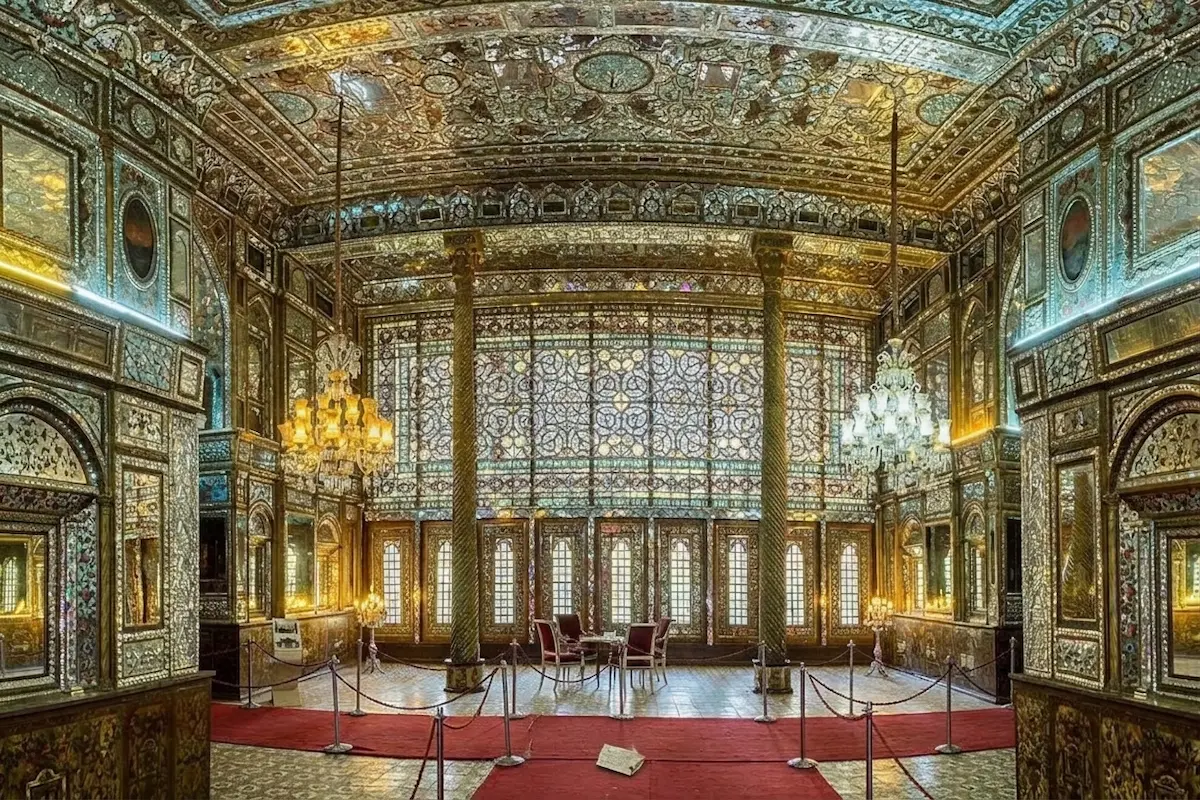
The Qajar dynasty's crown jewel and a UNESCO World Heritage Site, Golestan Palace is one of Tehran's oldest historic complexes. It shows how traditional Persian craftsmanship blended with 19th-century European influences.
Cultural highlights
- The Takht-e Marmar (Marble Throne), carved from yellow Yazd marble
- Dazzling mirror work in the Talar-e Aineh (Hall of Mirrors)
- Royal tilework on the Shams-ol-Emareh (Edifice of the Sun)
Admit one · No. 02
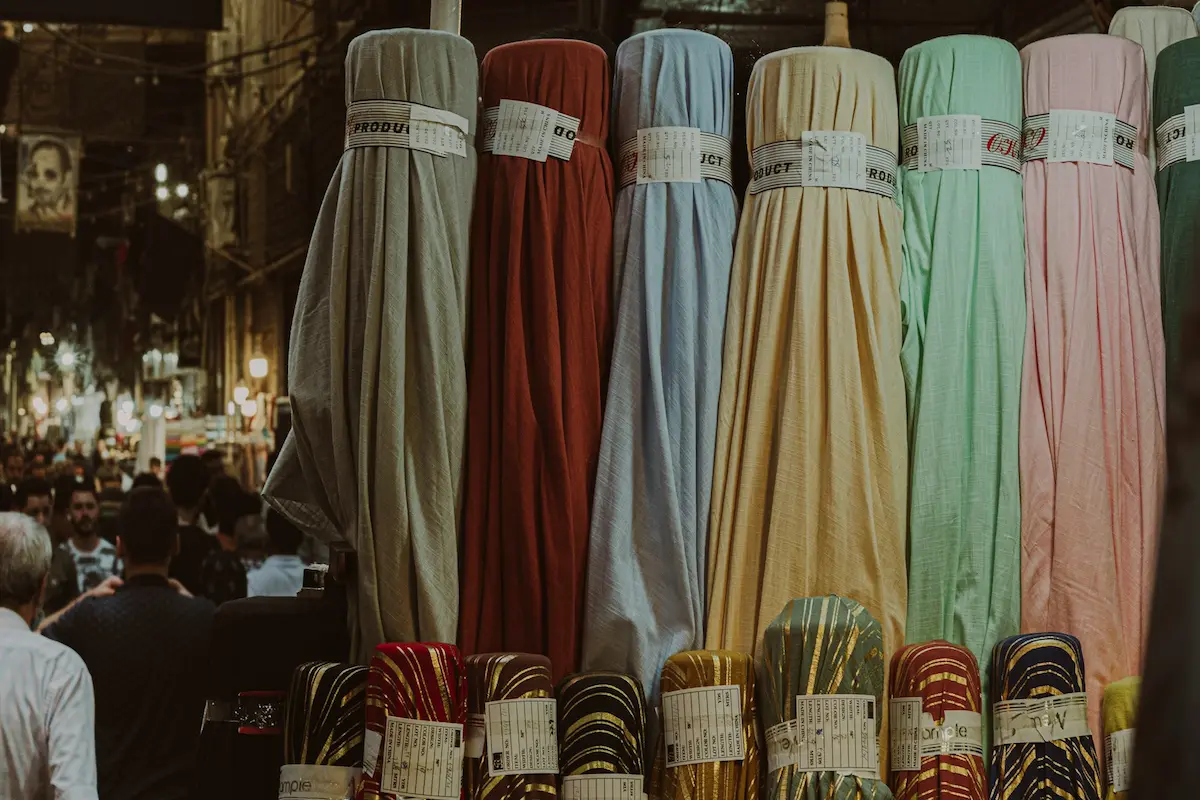
Central Tehran
2. Tehran Grand Bazaar
With around 10 kilometres of covered lanes, the Grand Bazaar is more than a market: it has long been the engine of Iranian commerce, culture and social life.
Cultural highlights
- The domed ceilings of Timcheh-ye Amin al-Dowleh
- Carpet, copper and spice alleys
- Historic mosques within the bazaar, such as the Imam (Shah) Mosque
Admit one · No. 03
Central Tehran (Ferdowsi Ave)
3. Treasury of National Jewels
Housed in a vault at the Central Bank of Iran, this collection of gemstones gathered by Iranian rulers over centuries is one of the most valuable in the world.
Cultural highlights
- The Darya-i-Noor (Sea of Light), one of the largest pink diamonds known
- The jewel-encrusted Naderi Throne
- The Jewelled Globe, set with more than 51,000 precious stones
Admit one · No. 04
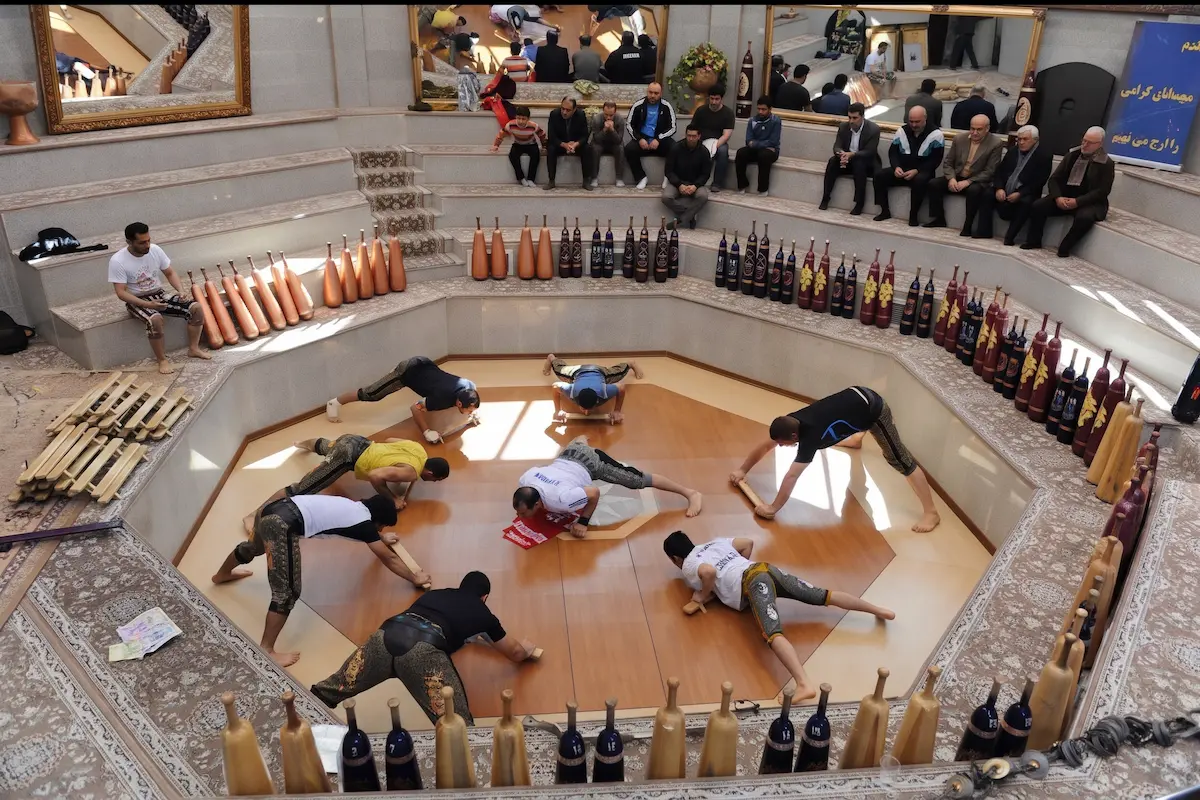
Various districts
4. Zurkhaneh Pahlevani Ritual
The Zurkhaneh ("House of Strength") hosts the Pahlevani ritual, an ancient Iranian tradition recognised by UNESCO that combines strength training, poetry, music and spiritual values.
Cultural highlights
- Athletes swing heavy wooden clubs (mil) and iron bows (kabbadeh)
- Exercises take place in a sunken octagonal pit (gowd)
- The morshed sets the rhythm with a drum and song
Admit one · No. 05
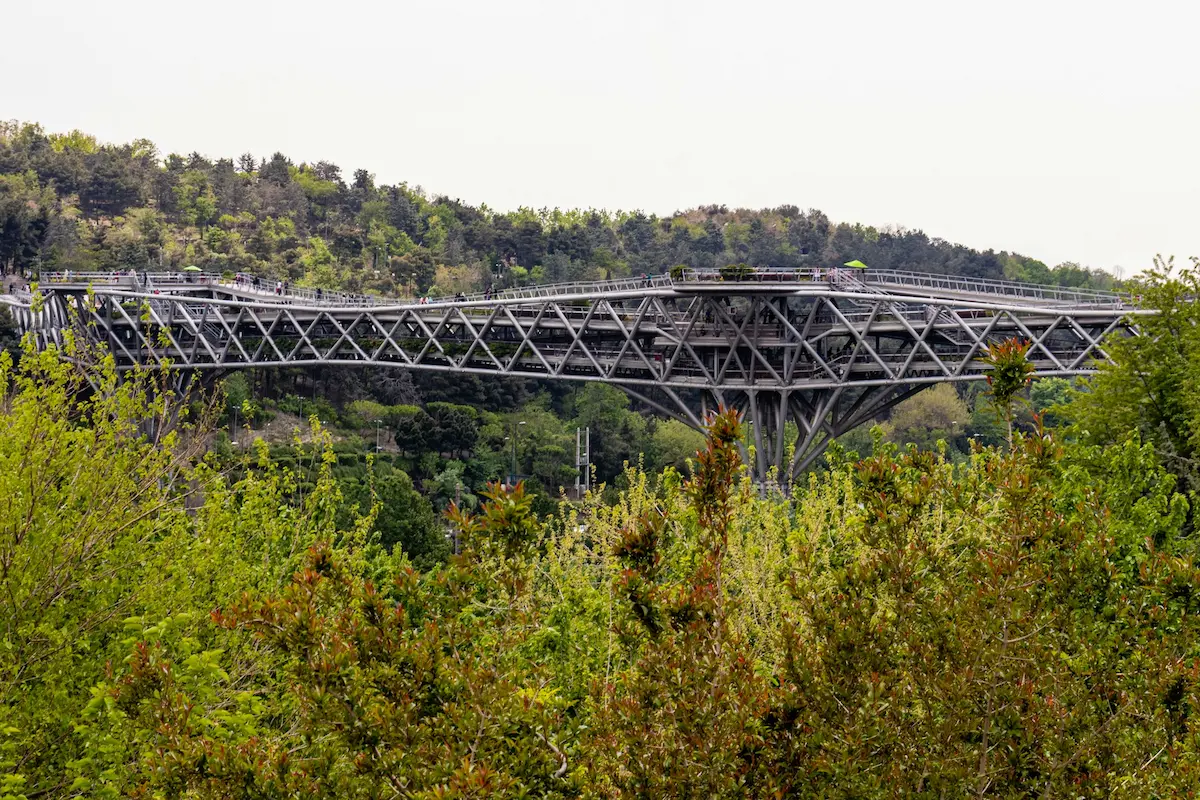
Abbas Abad
5. Tabiat Bridge at Sunset
Designed by Iranian architect Leila Araghian, the award-winning Tabiat Bridge is a multi-level pedestrian bridge linking Taleghani Park and Abo-Atash Park across a busy expressway.
Cultural highlights
- A favourite evening meeting place for Tehranis
- Views towards the Alborz mountains
- Snacks such as faloodeh (a chilled rosewater-noodle sorbet) nearby
Admit one · No. 06
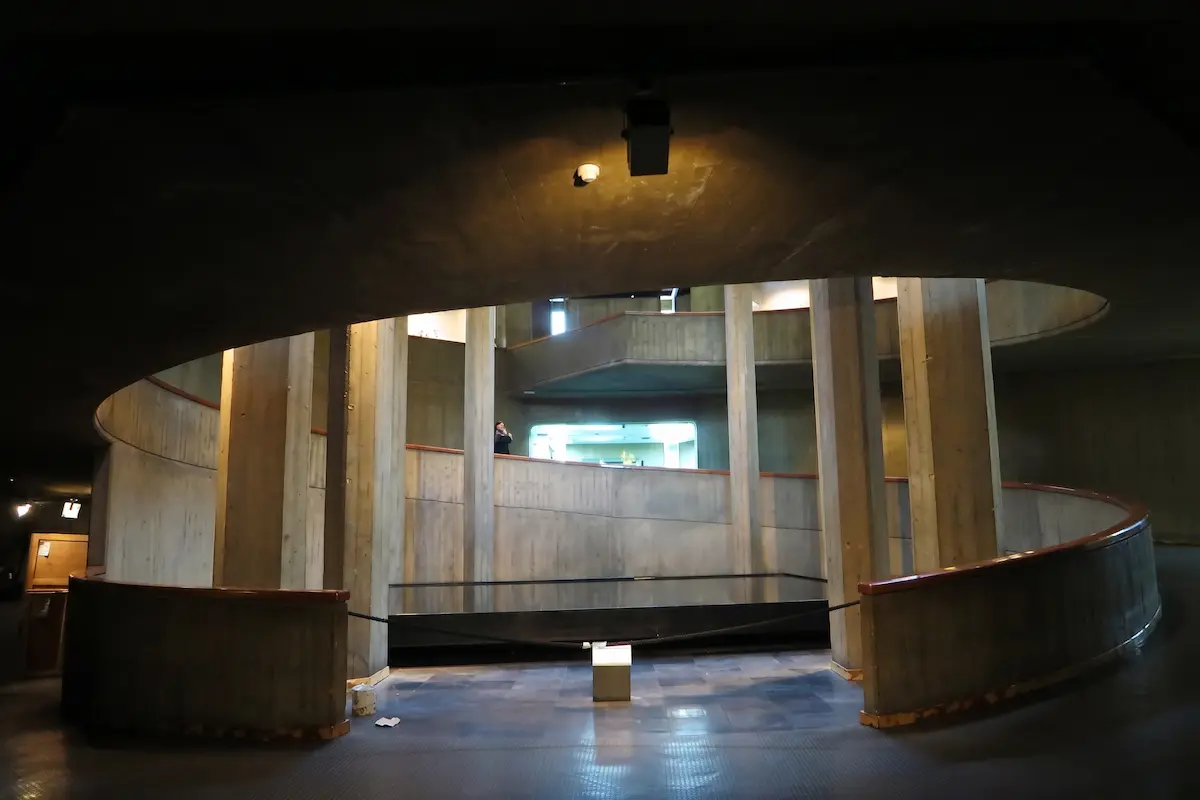
Laleh Park
6. Tehran Museum of Contemporary Art (TMoCA)
Designed by architect Kamran Diba, TMoCA blends the shapes of traditional Iranian windcatchers with modern design.
Cultural highlights
- One of the most valuable collections of Western modern art outside Europe and North America
- Works by artists such as Picasso, Pollock, Warhol, Monet and Bacon
- Exhibitions of contemporary Iranian art
Admit one · No. 07
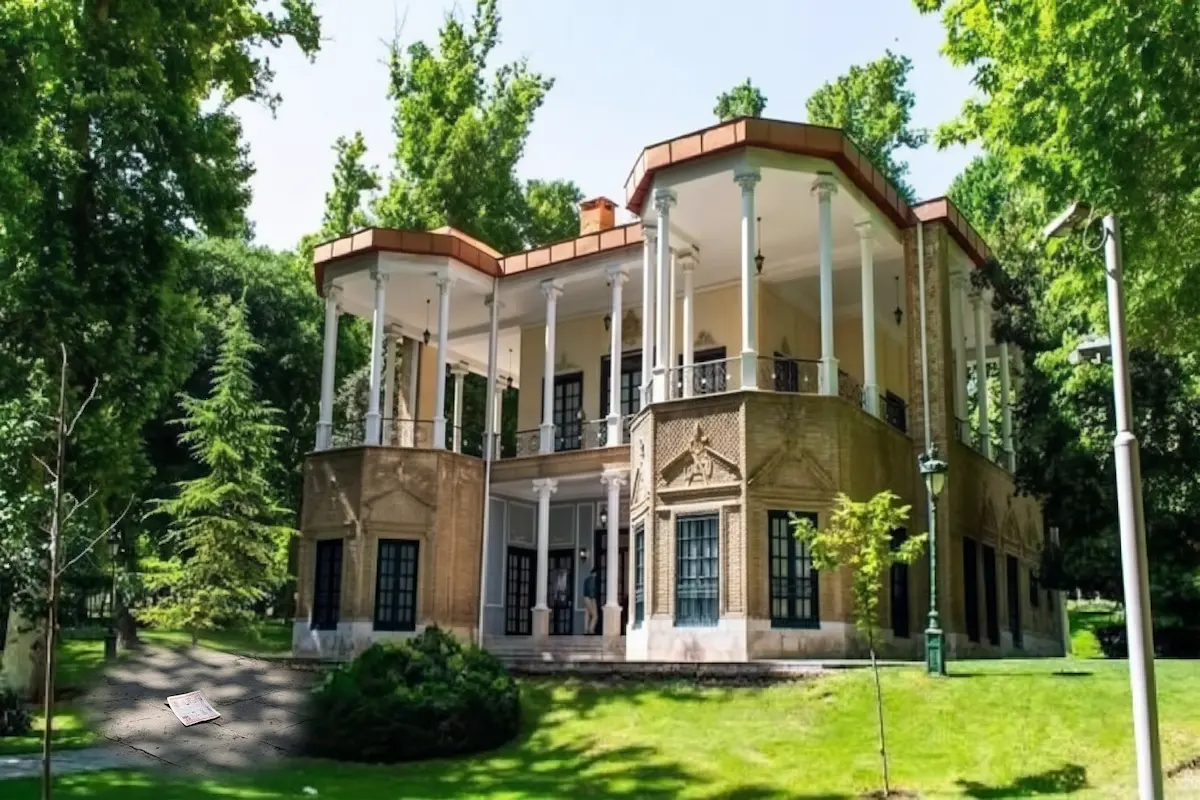
Northern Tehran (Tajrish)
7. Saadabad & Niavaran Palaces
Set in leafy grounds at the foot of the Alborz mountains, these complexes were royal residences of the Qajar and Pahlavi dynasties.
Cultural highlights
- Saadabad's White Palace and Green Palace
- Niavaran's private apartments of Mohammad Reza Shah, with 1970s furnishings
- Extensive gardens and museums
Admit one · No. 08
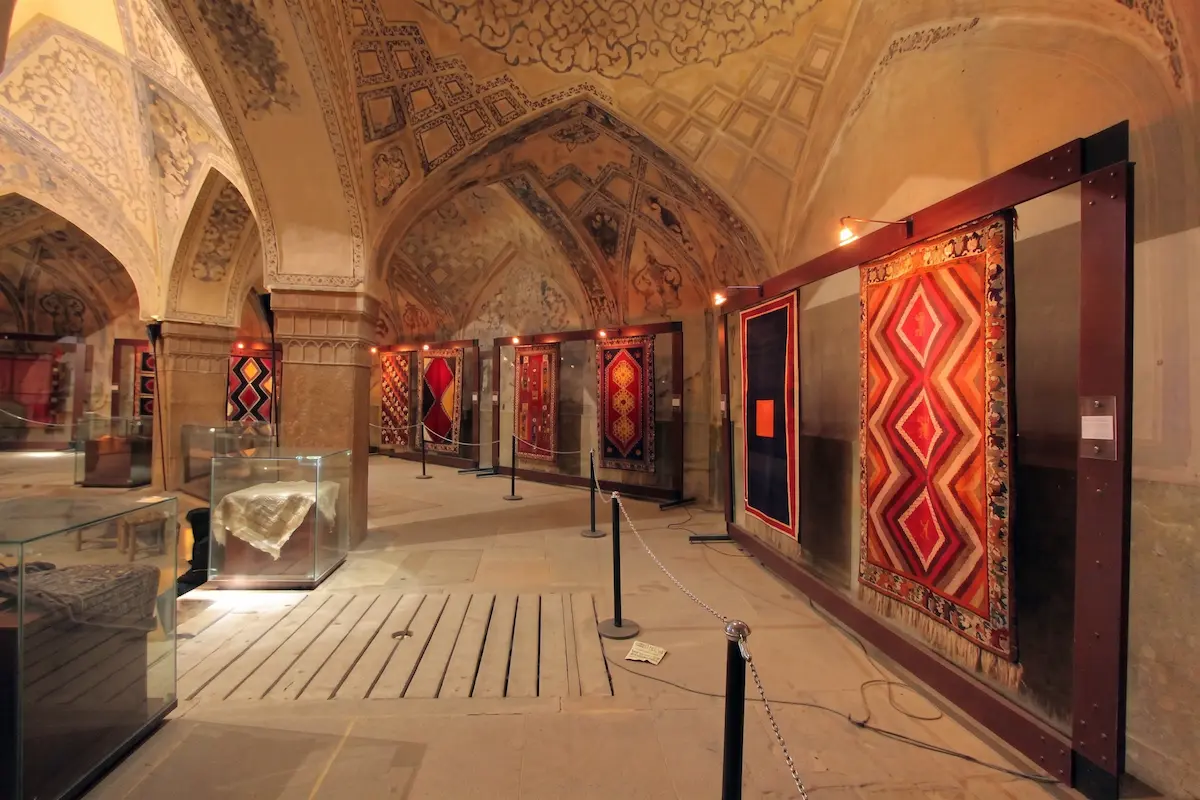
Laleh Park
8. Carpet Museum of Iran
Near Laleh Park, the museum's facade is inspired by a carpet loom. Inside is a collection of fine Persian carpets from the 16th century to the modern era.
Cultural highlights
- Hand-knotted designs from Tabriz, Kashan, Isfahan and Kerman
- Tree-of-life motifs, hunting scenes and court designs
- Silk carpets with remarkable knot density
Admit one · No. 09
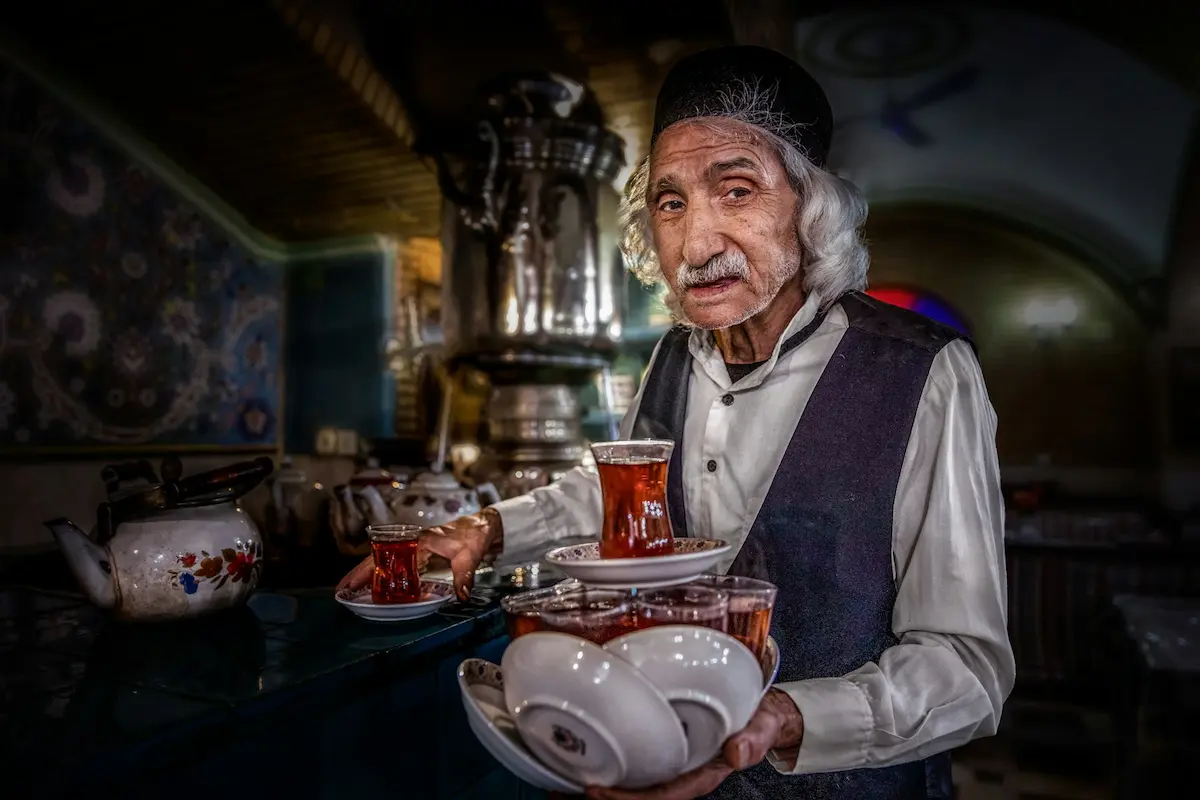
Darband / Tajrish
9. Teahouse Culture in Darband
Tucked into a rocky valley at the foot of Mount Tochal, Darband is a favourite escape for Tehranis looking for cool air, mountain streams and traditional hospitality.
Cultural highlights
- Carpeted platforms (takht) beside rushing streams
- Tea served with rock candy (nabat)
- Pomegranates, roasted corn and grilled kebabs
Admit one · No. 10
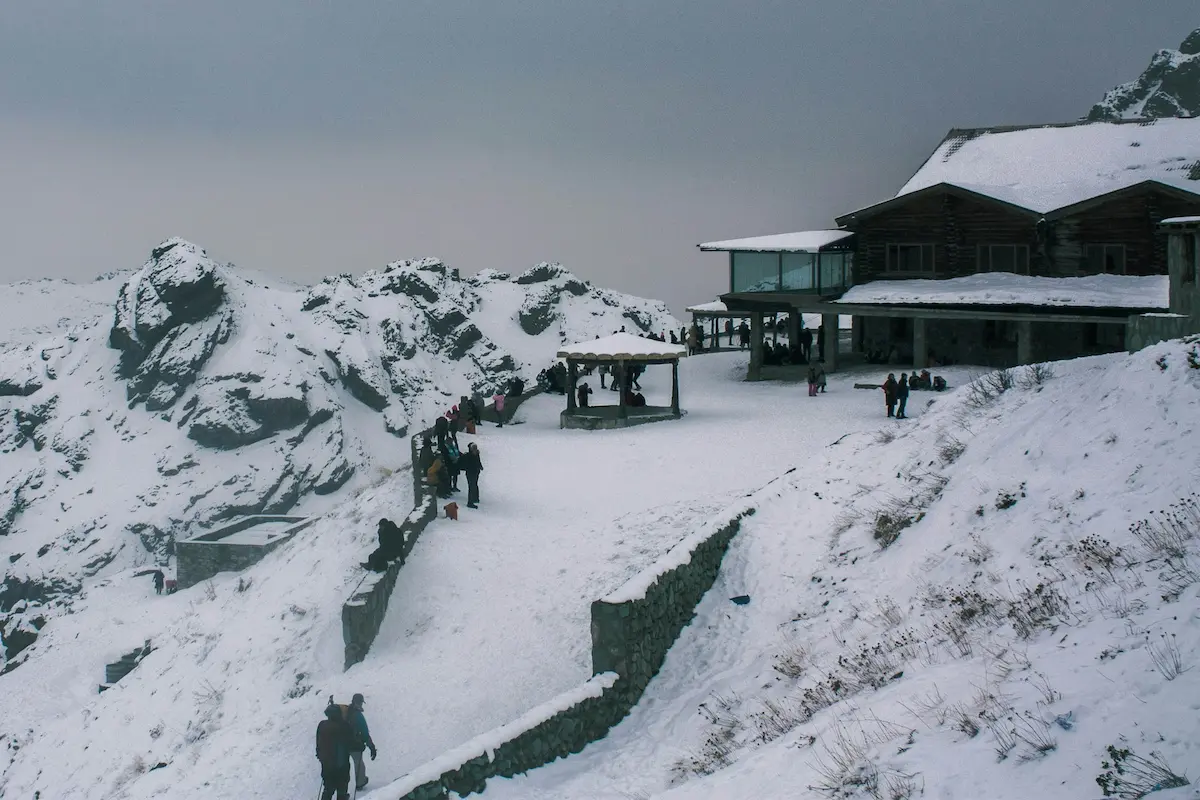
Northern Tehran (Velenjak)
10. Tochal Telecabin
Few capitals have mountains this close. The Tochal Telecabin climbs from the edge of the city towards the Alborz peaks, with its top station at about 3,740 metres, near Mount Tochal's 3,964-metre summit.
Cultural highlights
- See how Tehranis enjoy the mountains year-round
- Tea stops and walking trails along the way
- Skiing at the top station in winter, depending on snow
Plan Your Tehran Culture Day
Pick an area to explore
Historic centre
- MorningGolestan Palace in the morning
- MiddayLunch and a wander through the Grand Bazaar
- AfternoonTreasury of National Jewels on an opening afternoon
All three are close together in central Tehran, so you can walk between them.
Northern Tehran
- MorningSaadabad or Niavaran Palace in the morning
- MiddayLunch around Tajrish Square
- AfternoonTochal Telecabin or an evening in Darband's teahouses
Take Metro Line 1 to Tajrish, then a short taxi ride to the palaces, Darband or the telecabin.
Art and modern Tehran
- MorningTMoCA and the Carpet Museum near Laleh Park
- MiddayAn evening zurkhaneh session, if timings allow
- AfternoonSunset on Tabiat Bridge
Check TMoCA's current exhibition and the zurkhaneh session time before planning the day.
Cultural Etiquette and Visitor Advice
Respect local customs and enjoy a warm welcome
Dress code
Women should wear a headscarf and loose clothing covering the arms and hips. Men should wear long trousers in public.
Taarof
Expect taarof, a ritual of politeness. If a driver or shopkeeper refuses payment, insist politely; they usually expect to be paid.
Photography
Never photograph military, government or police buildings, and ask before photographing people.
Cash
Foreign credit cards do not work in Iran. Bring cash in USD or EUR to exchange, or use a tourist debit card.