From smoky kebabs to rosewater faloodeh: 10 Persian dishes to try in Tehran.
Tehran is one of the best places to explore Persian cuisine, from charcoal-grilled kebabs and aromatic rice to slow-cooked stews and traditional desserts. Whether it is your first visit or you are hunting for authentic Iranian food, these ten dishes are the perfect place to start.
Tehran's Top 10 Foods by Stars
Our editors' must-try rating
Three Stars: Must-Try Dishes
The essential tastes of Tehran
1. Chelo Kebab
Iran's Classic Grilled Dish
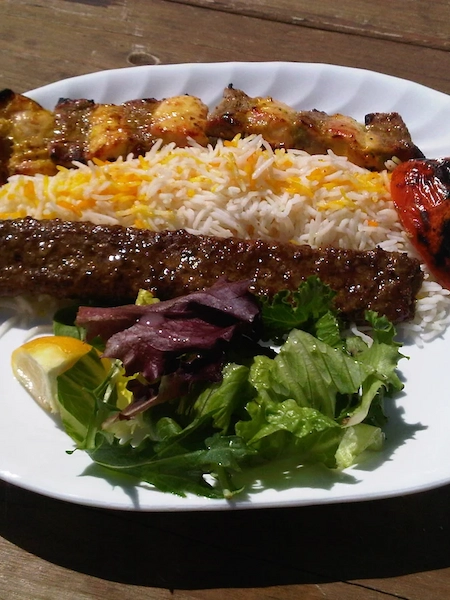
Chelo kebab is one of the most recognisable dishes in Iranian cuisine and a must-try in Tehran: grilled meat served with steamed rice, often flavoured with saffron. Popular versions include kabab koobideh, made with seasoned minced meat, and joojeh kebab, made with marinated chicken.
It usually comes with grilled tomatoes, fresh herbs, raw onion and sumac, and sometimes a pat of butter to stir into the rice.
2. Ghormeh Sabzi
A Famous Persian Herb Stew
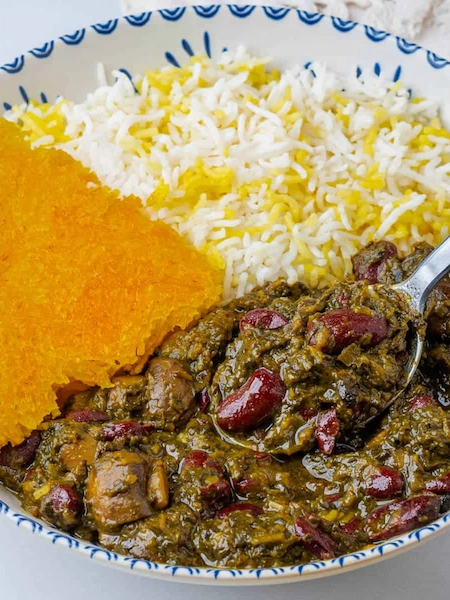
Ghormeh sabzi is one of Iran's best-loved dishes: a slow-cooked stew of fresh herbs, kidney beans, dried lime and meat. The herbs give it a deep green colour, and the dried lime adds its signature tang.
Served with steamed Persian rice, it is a classic home-cooked meal across Iran and a great change from kebabs.
3. Dizi (Abgoosht)
Traditional Iranian Comfort Food
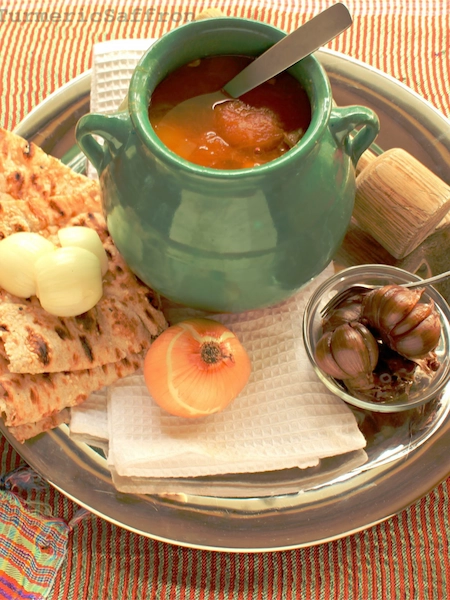
Dizi, also called abgoosht, is a hearty dish of lamb, chickpeas, beans, potatoes, tomatoes and spices, slow-cooked until the meat is tender and the broth rich.
The fun is in the serving: you pour the broth into a bowl to eat with bread, then mash the remaining ingredients into a thick paste to eat separately or together.
Two Stars: Highly Recommended
Rice, stews and that famous crispy crust
4. Tahchin
Saffron Rice with a Golden Crust
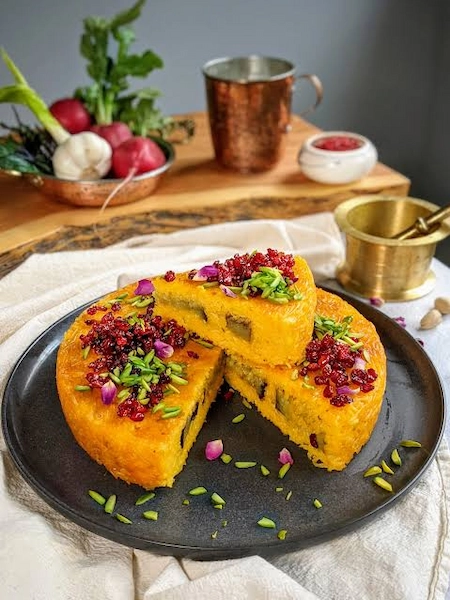
Tahchin is a baked rice dish with a golden crust and a rich saffron aroma. The rice is mixed with yogurt and egg before baking, giving it a firm, cake-like texture, and many versions have chicken layered inside.
Sliced and served, it reveals a crisp golden outside and a soft, fragrant centre.
5. Fesenjan
A Sweet and Sour Walnut Stew
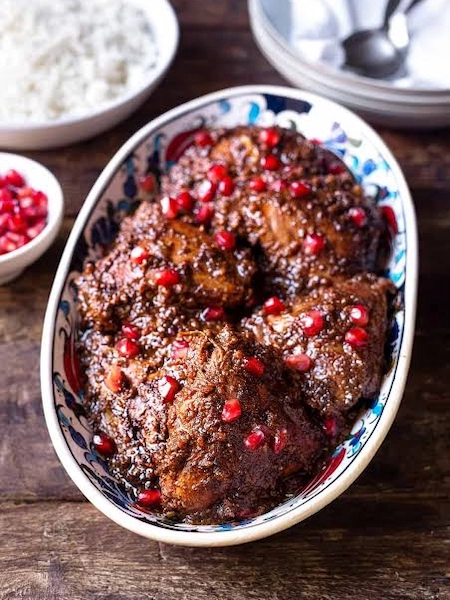
Fesenjan (or fesenjoon) is a rich stew of ground walnuts and pomegranate molasses, often made with chicken. The walnuts give it a thick, velvety texture, and the pomegranate a balance of sweetness and acidity.
Served with rice, it is linked to family gatherings and special occasions, and can range from tart to quite sweet.
6. Tahdig
The Crispy Persian Rice Crust
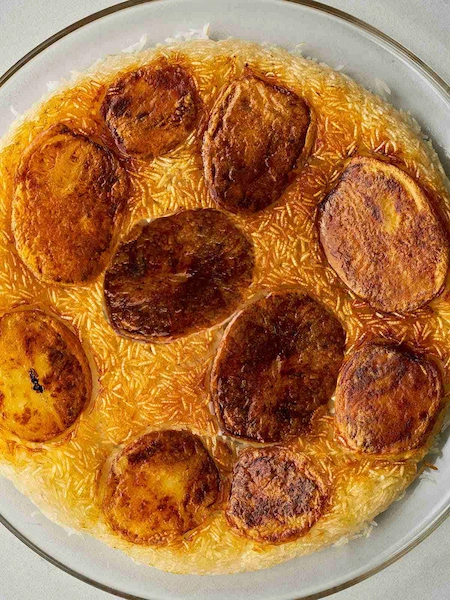
Tahdig is the crispy layer that forms at the bottom of a pot of Persian rice; its name literally means "bottom of the pot". It can be made from rice, sliced potatoes or flatbread.
It usually comes alongside a meal rather than as a main course, but its golden crunch is one of the highlights of Persian dining.
7. Zereshk Polo ba Morgh
Barberry Rice with Chicken
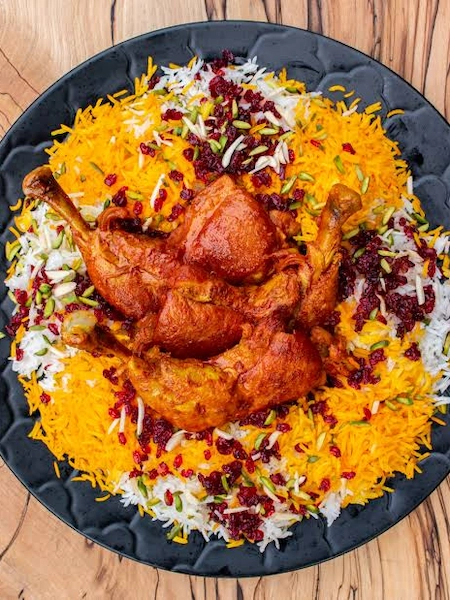
Zereshk polo ba morgh combines saffron rice, barberries and chicken. The small red barberries add a tart, fruity note that contrasts with the mild rice and tender chicken.
A favourite of Iranian home cooking, it is also served at restaurants and celebrations, and is a great introduction to Persian rice dishes.
One Star: Also Worth Trying
Soups, starters and something sweet
8. Ash Reshteh
A Hearty Persian Noodle Soup
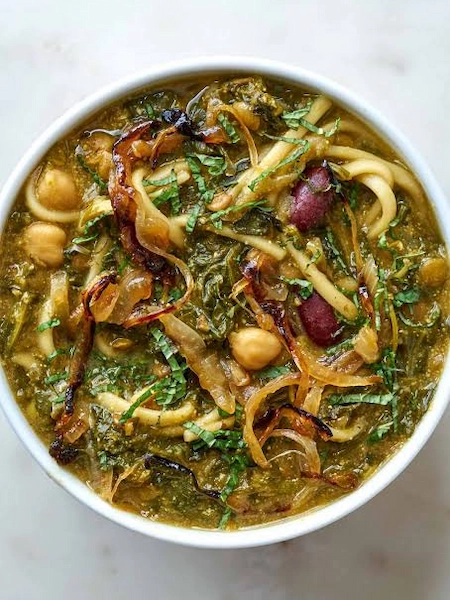
Ash reshteh is a thick soup of herbs, legumes and reshteh noodles, usually topped with fried onions, mint oil and kashk, a tangy fermented dairy product.
Filling and full of herbal, savoury and slightly sour flavours, it is especially linked to colder weather and celebrations.
9. Kashk-e Bademjan
A Traditional Eggplant Starter
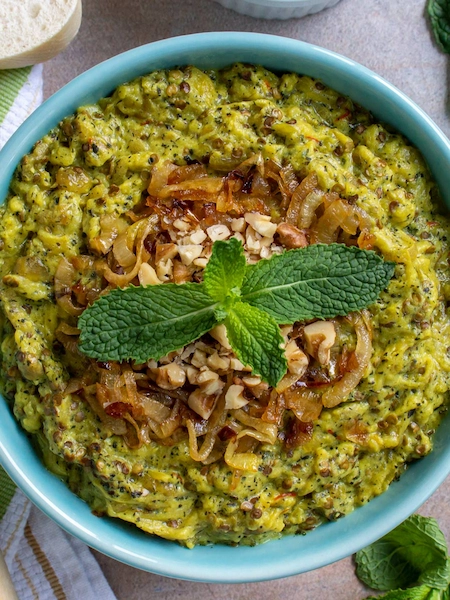
Kashk-e bademjan is a popular starter of cooked eggplant, garlic, onions and kashk, garnished with fried mint and caramelised onions.
Served warm with Persian flatbread, it is ideal for sharing before a main course.
10. Faloodeh
A Refreshing Persian Dessert
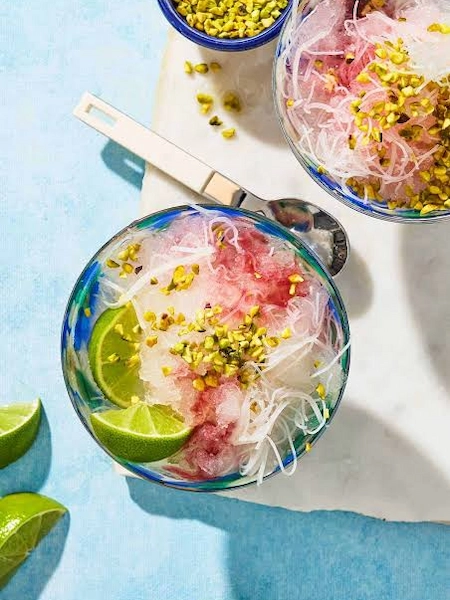
Faloodeh is a frozen dessert of thin starch noodles in a rosewater syrup, often finished with lime juice or sour cherry syrup.
Associated with Shiraz but enjoyed across Iran, including Tehran, its icy texture and floral aroma make it a lovely way to end a meal on a warm day.
Find Your Dish by Taste
What are you in the mood for?
Start with chelo kebab, then try dizi and ghormeh sabzi for slow-cooked flavour.
Kashk-e bademjan and tahdig are usually meat-free; ask about the stock in ash reshteh.
Fesenjan and zereshk polo balance sweet and sour, and faloodeh is the perfect finish.
One kebab, one rice dish and one dessert give you a quick taste of Persian cuisine.
Tips for Exploring Tehran's Food Scene
Get more from every meal
Share different dishes
Persian meals often include rice, stews, grilled meat, bread and sides, so sharing lets you try more.
Look beyond kebabs
Stews such as ghormeh sabzi and fesenjan show another side of Iranian cooking.
Explore food streets
Si-e Tir Street is known for food stalls and casual eats; check current arrangements before visiting.
Ask about ingredients
Some dishes contain dairy, meat stock or nuts that are not obvious from the name.
Leave room for dessert
Persian sweets and frozen desserts are a delicious finish.
Discover Tehran Through Its Traditional Food
Chelo kebab introduces Iran's grilling traditions, dizi and ghormeh sabzi showcase slow-cooked comfort food, and tahchin and tahdig show how central rice is to Persian cooking. Fesenjan, ash reshteh and kashk-e bademjan add distinctive flavours and textures, and faloodeh is the perfect sweet finish. Whatever you prefer, Tehran lets you discover Iranian flavours one dish at a time.