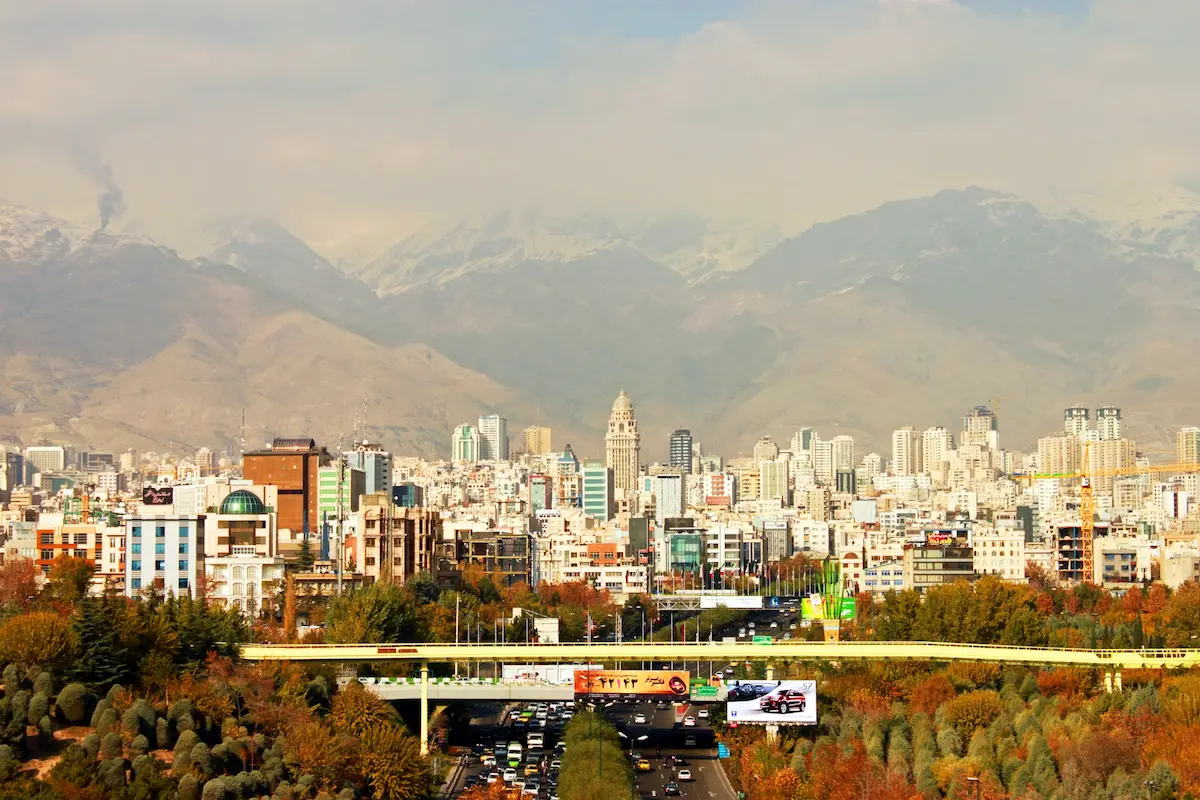
Tehran is a city of bazaars, tea houses, royal palaces and mountain views, with the snow-capped Alborz range rising behind the skyline. It is also a city where visitors need practical preparation: cash instead of cards, a dress code that applies from the moment you land, a VPN, and a little knowledge of taarof. Here are the essentials.
Read This First: Check Current Travel Advice
As of late October 2026, the governments of the United States, the United Kingdom, Canada and Australia advise against travel to Iran, citing armed conflict, disrupted flights and the risk of arbitrary detention, especially for dual nationals. Airspace can close at short notice, and many foreign airlines have suspended flights. The tips in this guide are practical information for people who still need to travel. They are not a recommendation to go.
Check your government’s advice
Read your foreign ministry’s latest Iran advisory and check whether your country has an embassy in Tehran.
Confirm your flight
Check the status with your airline before every leg. Flights can be retimed or cancelled with little notice.
Check your insurance
Many policies exclude countries with a “do not travel” advisory. Confirm cover in writing, and note that entry rules may require insurance valid for Iran.
Share your plans
Leave your itinerary and contact details with someone at home, and have a plan for leaving at short notice.
Tehran at a Glance
Six quick facts before you pack
Currency
Iranian rial (IRR). Prices are usually quoted in tomans, where 1 toman equals 10 rials.
Language
Persian (Farsi). English is more common in hotels and tourist areas than elsewhere.
Time zone
UTC+3:30 year-round. Iran no longer changes its clocks.
Electricity
230 V, with Type C and Type F sockets. Bring an adapter.
Weekend
Friday is the main day off, so many shops and some sights open late or close.
Country code
+98 for calls to Iran. Tehran landlines start with 021.
Money: Cash, Cards and Tomans
Foreign bank cards do not work in Iran
Because of international sanctions, foreign-issued Visa, Mastercard, American Express and debit cards do not work in Iran, including at hotels, restaurants and ATMs. Plan to arrive with all the money you need.
Bring cash
Euros and US dollars are the easiest to exchange. Carry clean notes in good condition, split between pockets and your hotel safe.
Rials vs. tomans
If a shopkeeper says “50”, they usually mean 50,000 tomans, which is 500,000 rials. Always confirm which unit is meant.
Prepaid tourist card
Visitors can use a prepaid card such as Mah Card, loaded online or in person after arrival. It works at many hotels, shops, restaurants and taxis.
Exchange wisely
Use licensed exchange offices. The Ferdowsi Square area of Tehran is well known for them. Keep your receipts.
Dress Code: What to Wear in Tehran
The rules apply to visitors too, and from the moment you arrive
- A headscarf covering your hair. It can sit loosely, but keep it on.
- A long, loose top or coat covering your hips, with sleeves covering your arms.
- Long trousers, a long skirt or leggings under a tunic, covering your legs.
Avoid: sleeveless or sheer tops and short skirts.
- Long trousers in public.
- T-shirts and short-sleeved shirts are fine.
- Comfortable sneakers or slip-on shoes are handy for bazaars and mosques.
Avoid: shorts and sleeveless tops.
- The dress code applies in public areas, starting at the airport.
- Some shrines and mosques ask women to wear a chador, often provided at the entrance.
- Pack a spare scarf and avoid public displays of affection.
Note: enforcement varies and can be strict. Follow the rules.
Taarof, Manners and Useful Persian
Iranian politeness can be a puzzle at first
The rule of taarof
A taxi driver or shopkeeper may refuse your money, often saying “ghabel nadare” (“it is nothing”). This is politeness, not a free gift. Offer again two or three times until they accept. Agree prices in advance for taxis and bazaar goods so there are no surprises.
Greetings and contact
Many people do not shake hands with the opposite sex unless the other person offers first. A nod with a hand on the heart is a safe greeting. Say hello to staff and neighbours, and expect to be offered tea.
The thumbs-up
In traditional circles the thumbs-up is considered rude. Younger Tehranis know the Western meaning, but a smile and a “mersi” is the safer way to say thanks.
Photography
Do not photograph government or military buildings, police, airports or other sensitive sites, and avoid flying drones. Ask permission before taking close-up portraits of people.
| English | Say it like this |
|---|---|
| Hello | Salam |
| Thank you | Mersi / Mamnoon |
| Please / You’re welcome | Khahesh mikonam |
| Excuse me / Sorry | Bebakhshid |
| How much is this? | In chand-e? |
| Yes / No | Baleh / Na |
| Goodbye | Khodahafez |
Staying Online: VPN, SIM and Apps
Many popular sites and apps are filtered
Install a VPN before you land
Many social networks and messaging apps are blocked. Install two or three VPN apps in advance, because app stores can be hard to use once you arrive. Authorities monitor communications, so avoid sensitive topics.
Buy a local SIM
Irancell and MCI (Hamrah-e Aval) SIM cards are sold at the airport and in shops. Bring your passport. A local number also helps with ride-hailing apps.
Download offline tools
Save an offline map of Tehran and a Persian language pack in your translation app. Street signs are mostly in Persian.
Getting Around Tehran
From the airport to the bazaar
From Imam Khomeini Airport (IKA): the airport is about 30 km southwest of the city centre, and the drive usually takes 45 minutes to an hour, longer in traffic. Options include official airport taxis, ride-hailing apps, the metro (change to the main Line 1 at Shahed–Bagher Shahr) and pre-booked private transfers.
| Option | Good for | Good to know |
|---|---|---|
| Snapp and Tapsi | Door-to-door rides with the fare shown in the app | Needs a local SIM. Pay the driver in cash. |
| Metro | Beating traffic to the bazaar, Golestan Palace and Tajrish | Very cheap, with women-only carriages. Busy at rush hour. |
| BRT buses | Long north–south and east–west routes in dedicated lanes | Separate women’s section. Check route maps first. |
| Darbast taxi | A whole taxi hired just for you, door to door | Agree the price in tomans before you get in. |
What to Eat in Tehran
Six tastes to look for
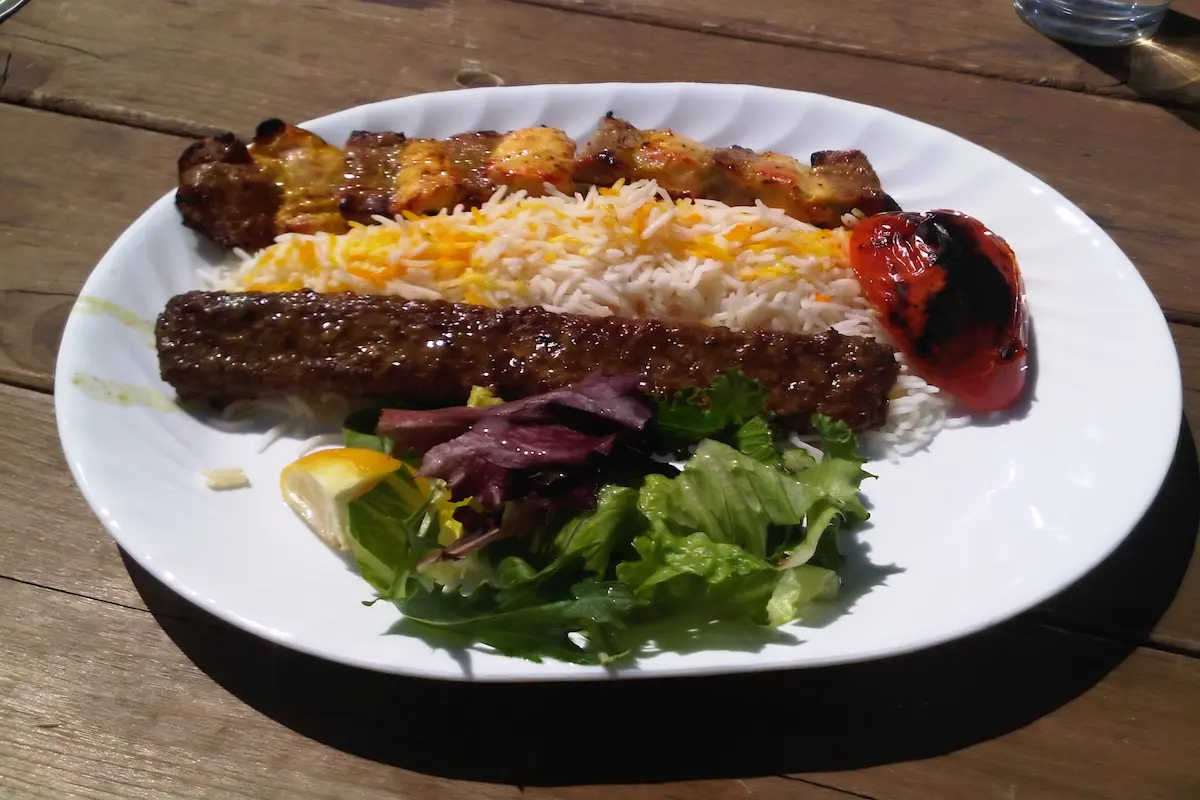
Chelo kabab
Grilled meat served with saffron-tinged rice and a grilled tomato, the classic Persian meal.
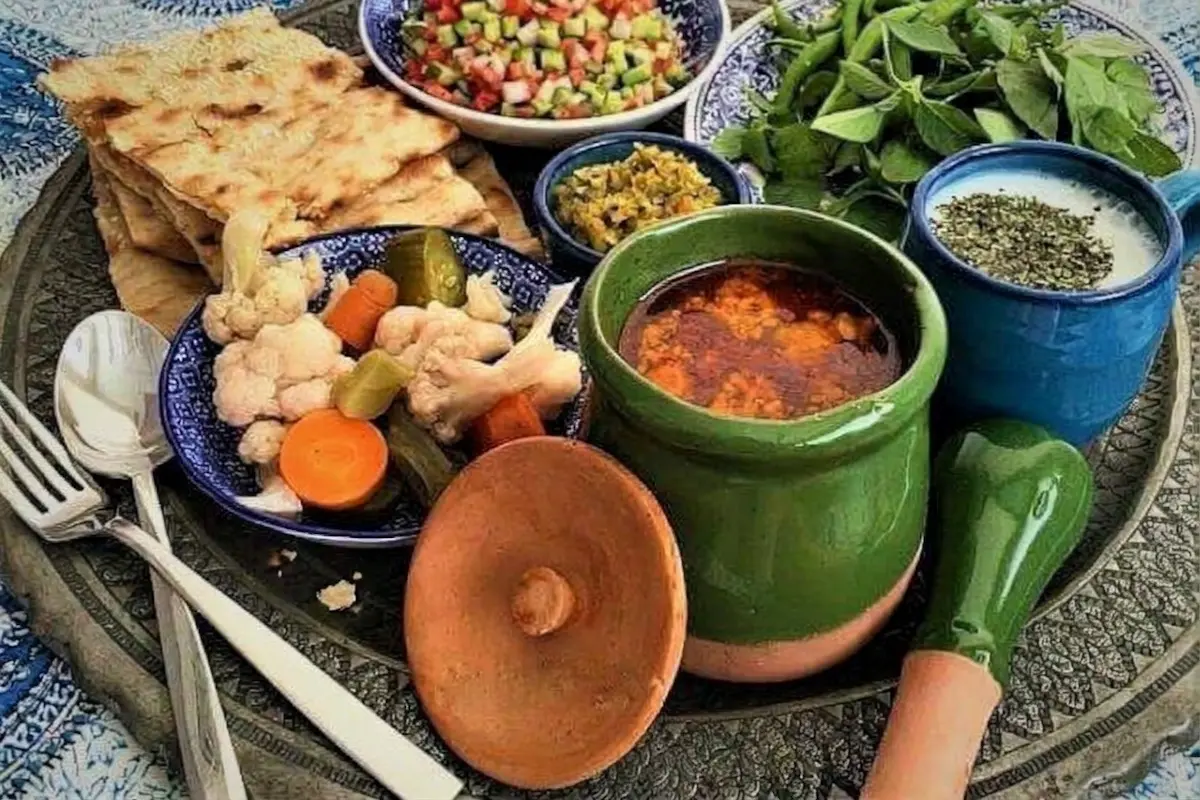
Dizi (abgoosht)
A hearty lamb and chickpea stew, traditionally mashed and eaten with bread.
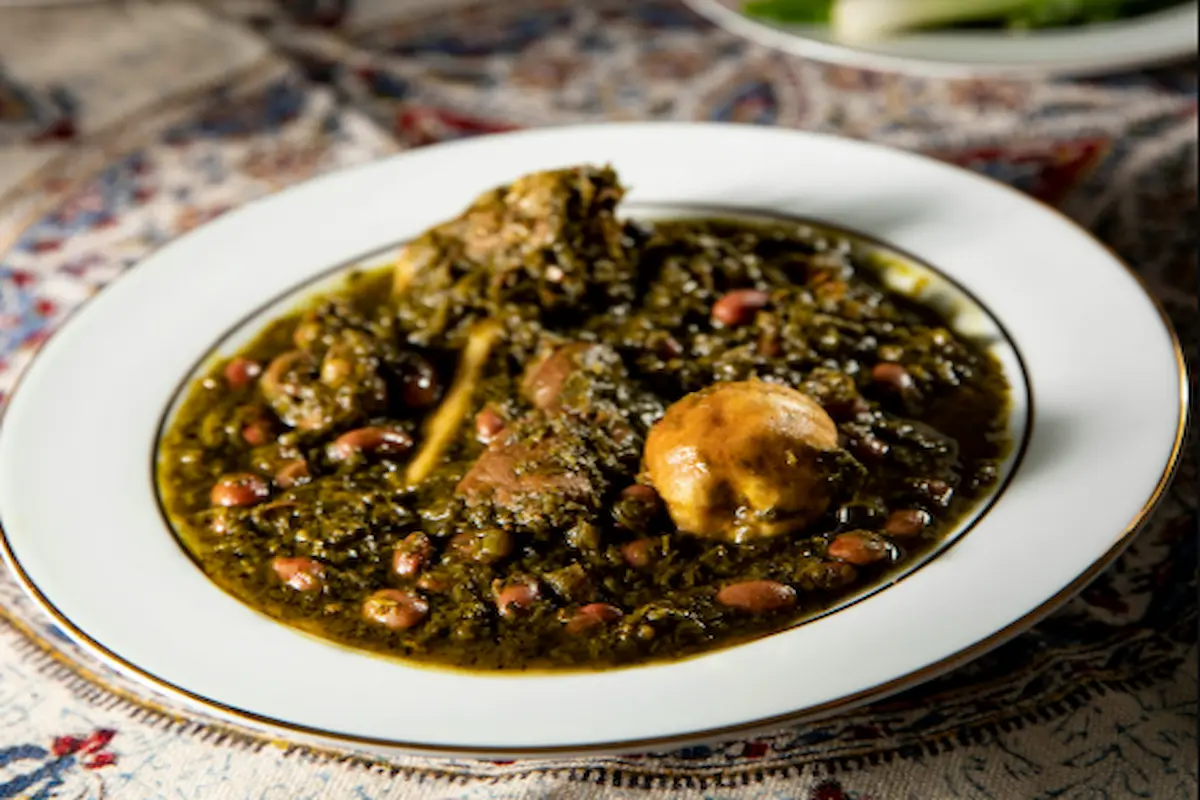
Ghormeh sabzi
A slow-cooked herb stew with beans and dried lime, served over rice.
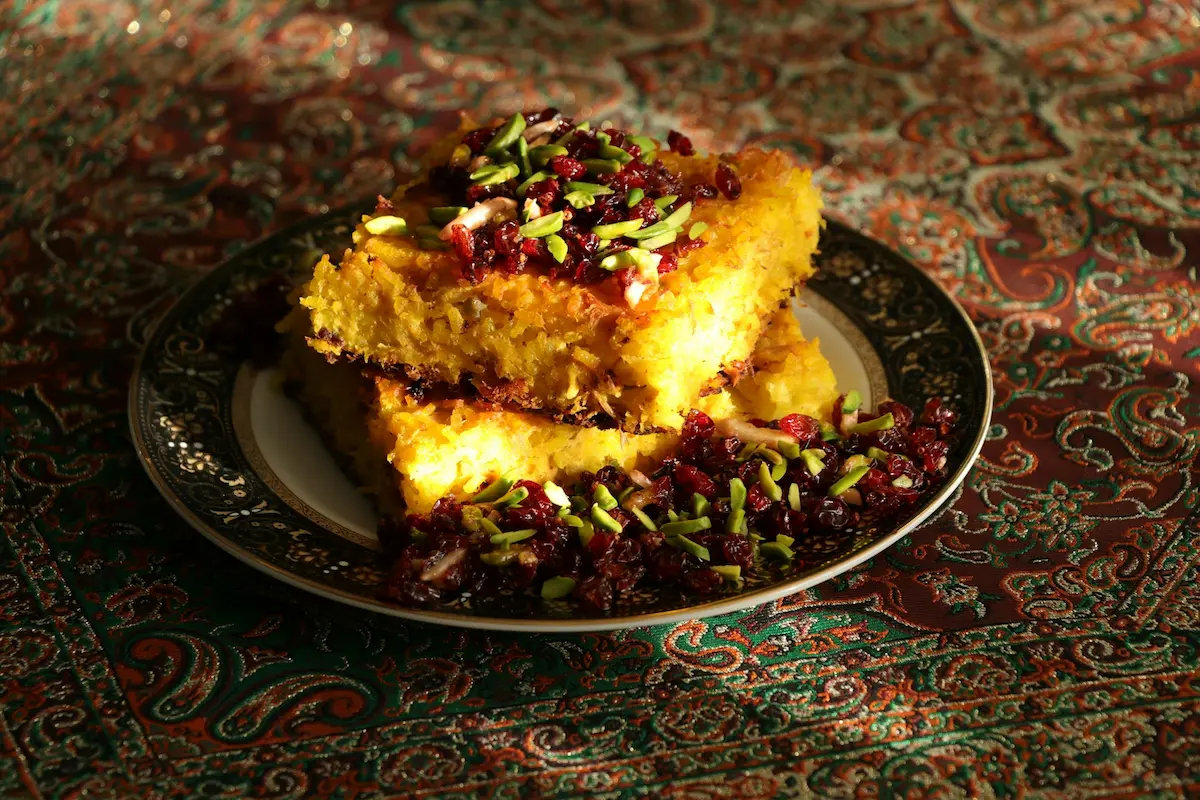
Tahchin
A saffron rice cake baked with yoghurt and chicken, crisp on the outside.
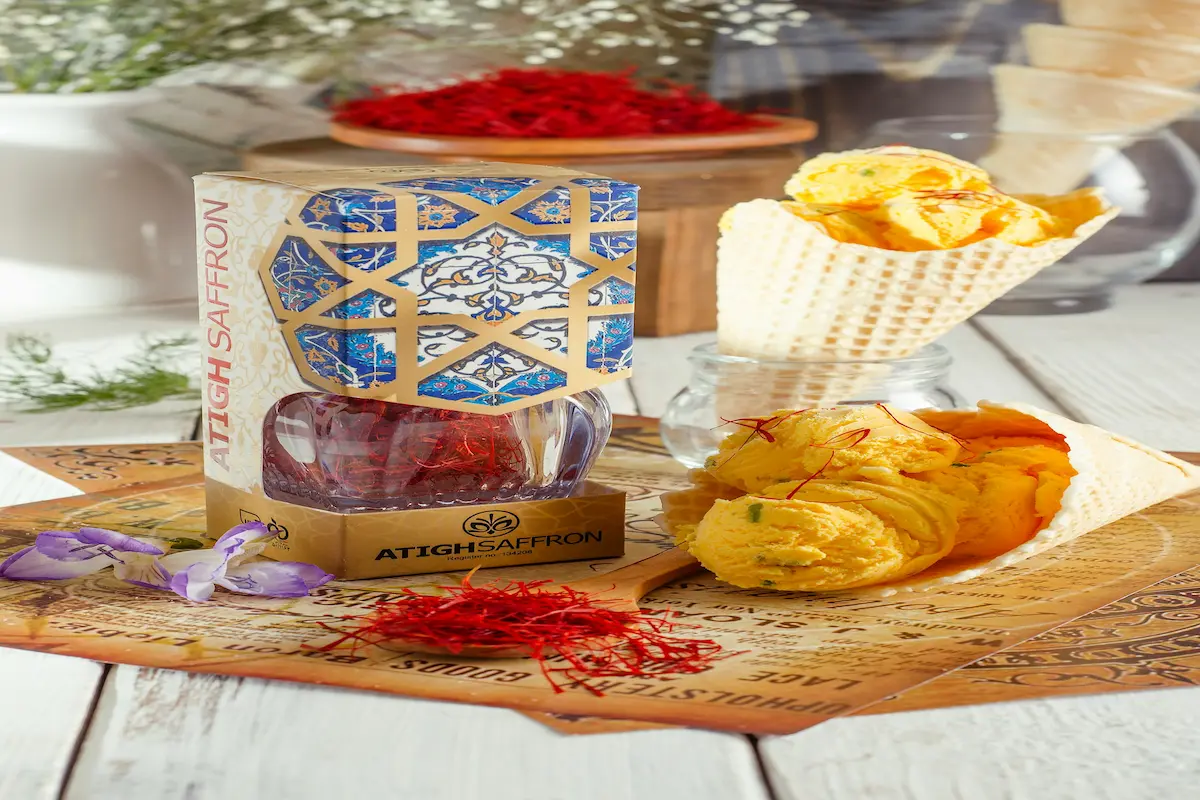
Bastani sonnati
Traditional ice cream flavoured with saffron and rosewater, often with pistachios.
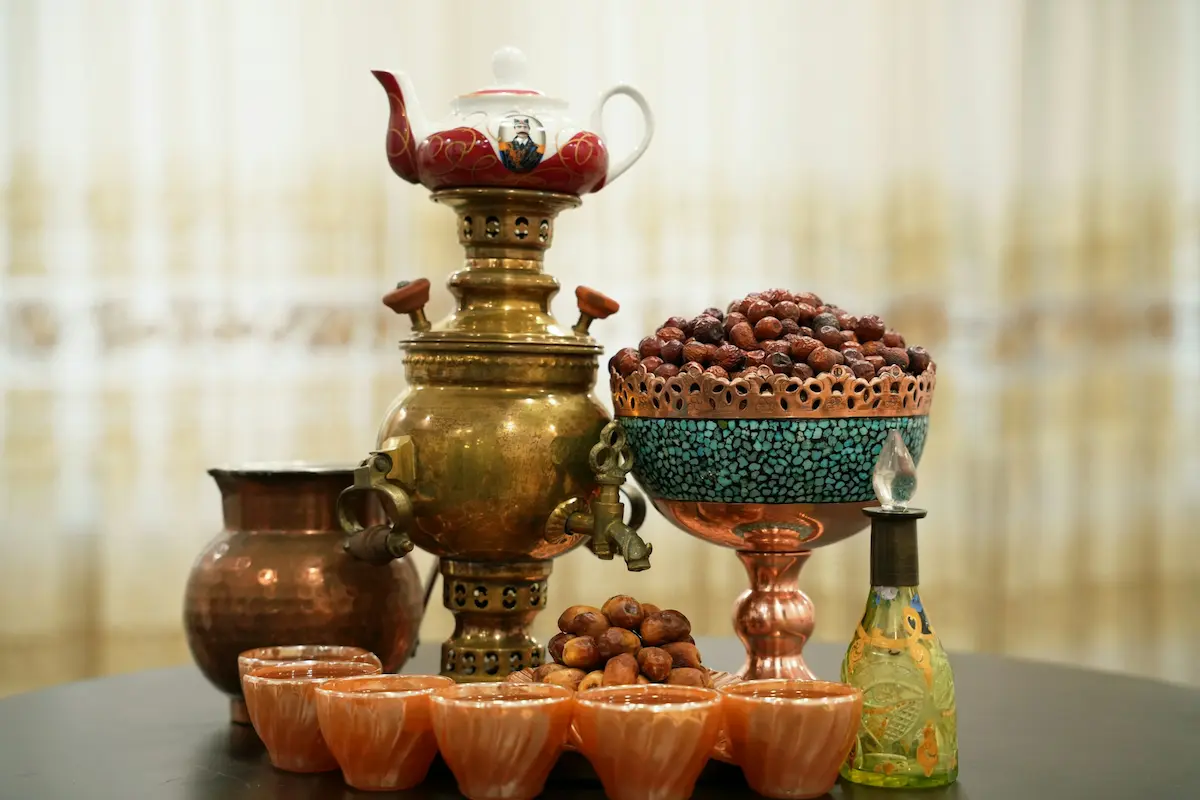
Tea and sweets
Black tea served with sugar cubes, dates or Persian sweets such as gaz and sohan.
Places Visitors Usually Go
If conditions allow, check opening hours first
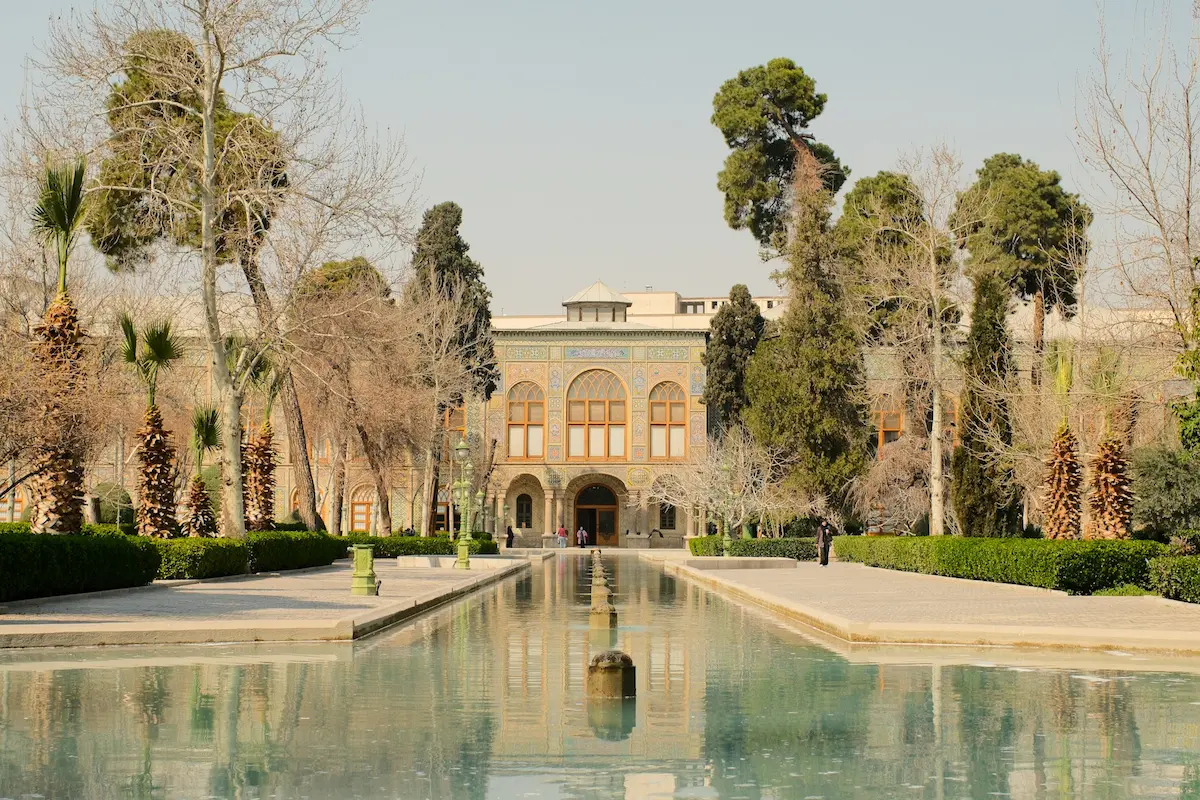
Golestan Palace
A UNESCO-listed Qajar-era palace complex with mirrored halls and tiled gardens.
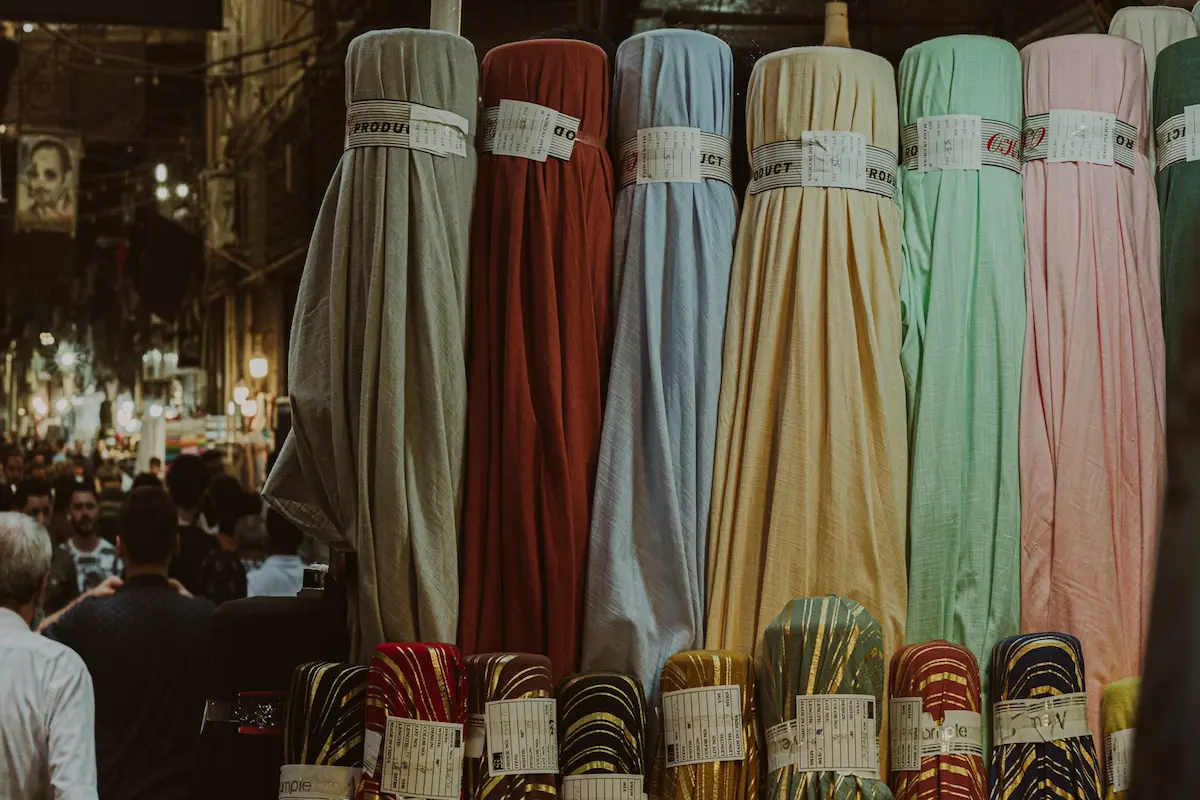
Grand Bazaar
A huge covered market of lanes and courtyards. Many stalls close on Fridays.
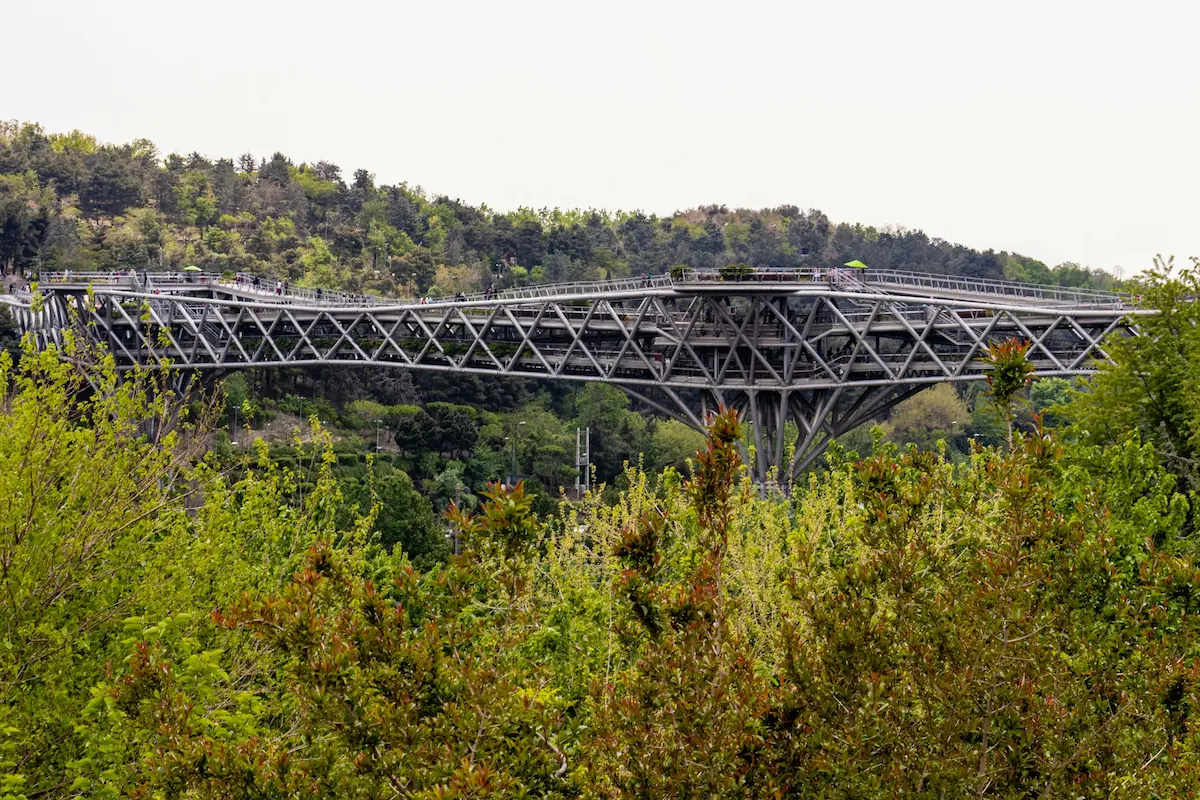
Tabiat Bridge
A pedestrian bridge between two parks, popular with locals at sunset.
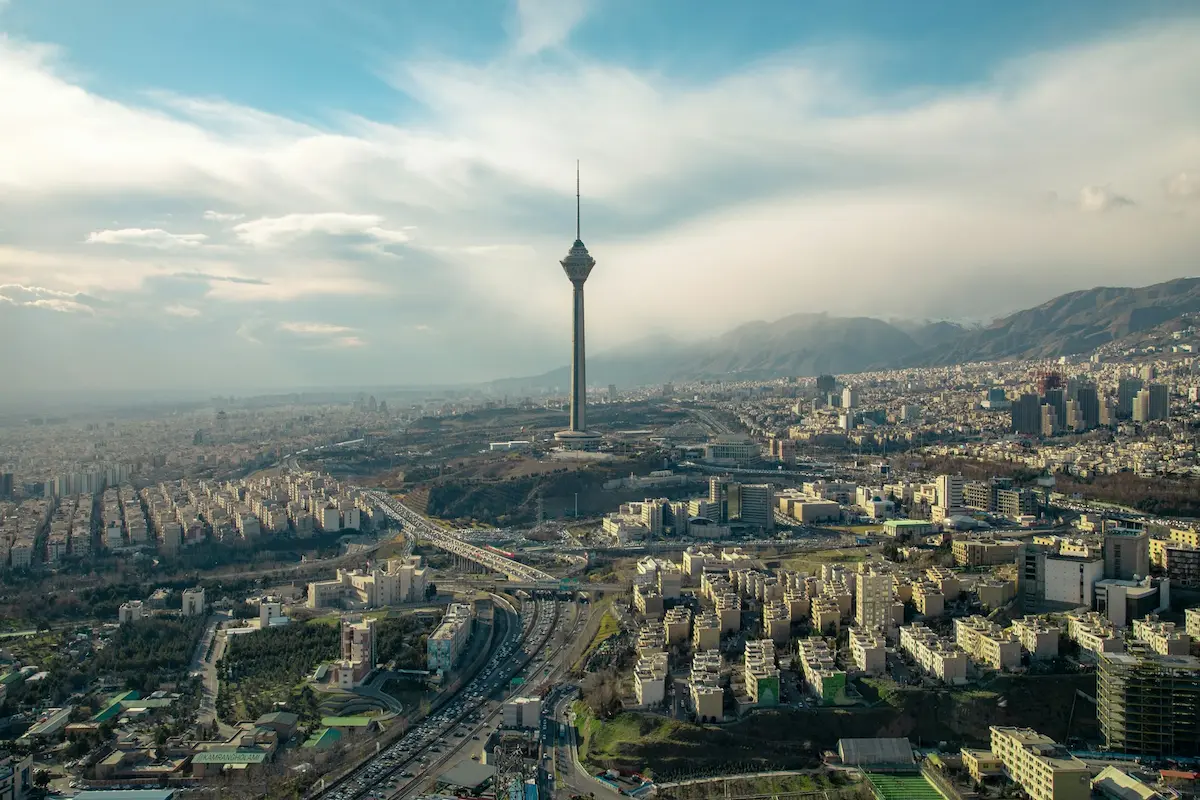
Milad Tower
A telecommunications tower with an observation deck over the city.
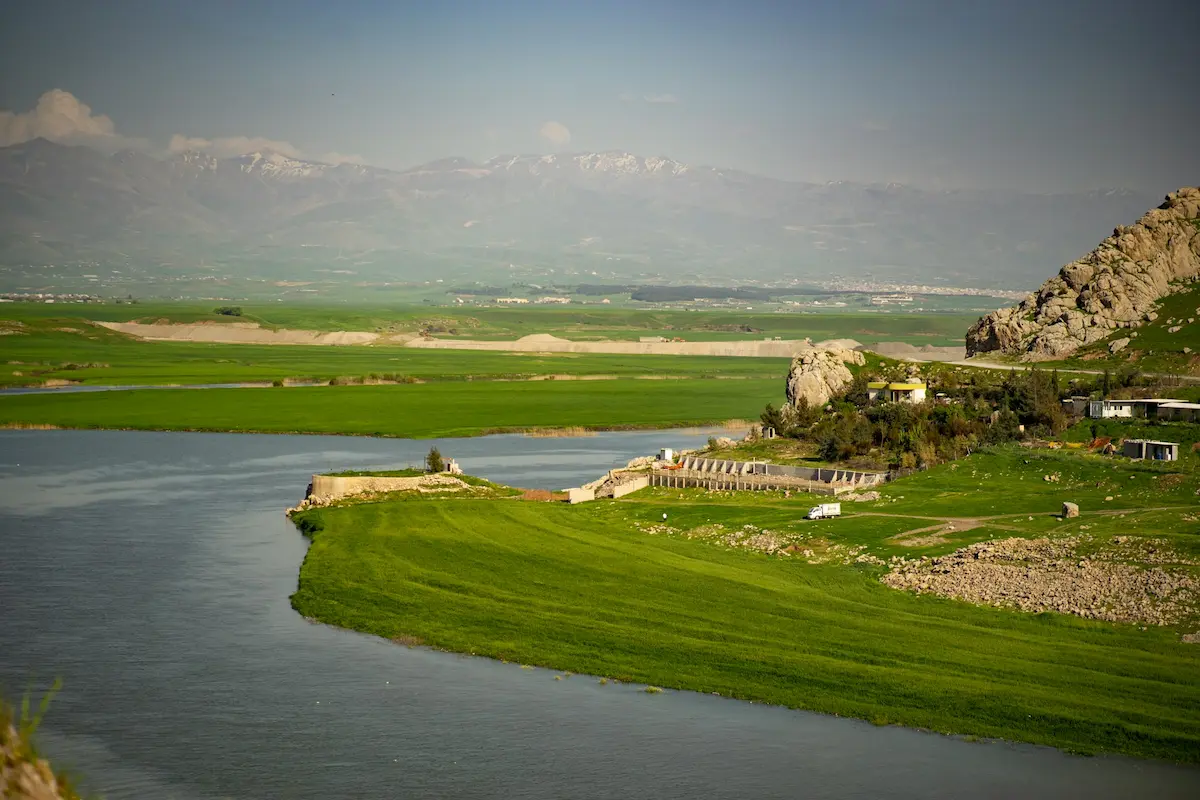
Darband
A mountainside neighbourhood with a trail, tea houses and cooler air.
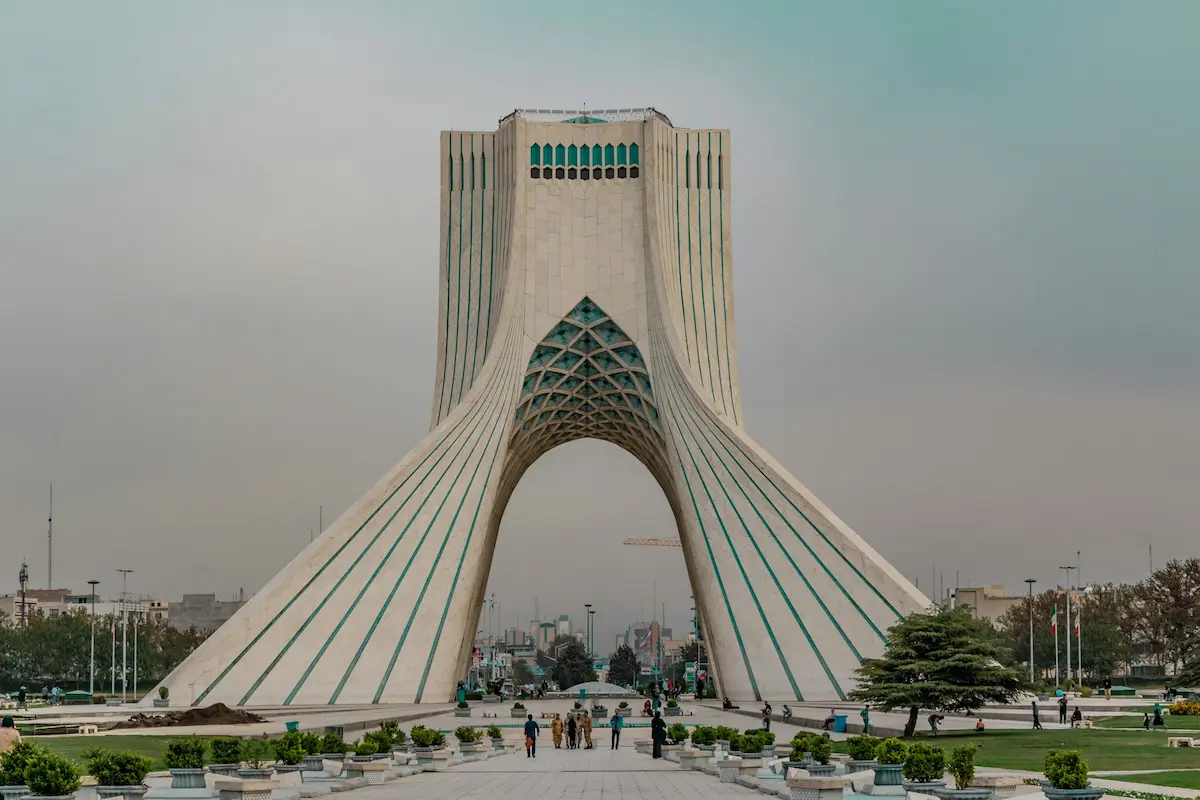
Azadi Tower
A landmark gateway on the western side of the city, set in a large plaza.
Opening hours, access and security conditions can change at short notice. Check before you set out.
When to Go
Tehran has four distinct seasons
Spring (Mar–May)
Mild weather and blossoms. Around Nowruz, the Persian New Year in late March, many businesses close for several days.
Summer (Jun–Aug)
Hot and dry in the city. Evenings are pleasant, and the mountains are cooler.
Autumn (Sep–Nov)
Warm days, cool nights and golden trees. A comfortable time for walking.
Winter (Dec–Feb)
Cold, with snow on the Alborz. Air pollution can build up on still days.
Safety, Health and Local Law
Practical points to keep in mind
Know the law
Alcohol is illegal to buy, bring in or drink. Penalties can include fines, jail time or flogging. The dress code and public displays of affection can also lead to penalties.
Avoid politics
Stay out of political discussions and activity. Several governments warn that foreign nationals, especially dual nationals, face a risk of arbitrary detention.
Water and food
Tap water is treated, but many visitors prefer bottled water for drinking. Choose busy restaurants and freshly cooked food.
Emergency numbers
Police 110, ambulance 115, fire 125. Hotel reception can help in an emergency.
Watch your belongings
Petty theft such as pickpocketing can happen in crowded bazaars and metro cars. Keep cash and your phone secure.
Women travelling alone
Many visitors report respectful treatment, but conditions and advice vary. Check your government’s guidance, use women-only metro carriages and avoid quiet streets late at night.
Arriving at Tehran Airport (IKA)?
Check your flight with your airline, keep enough cash for your first day, and have your hotel address in Persian ready for taxi drivers.
Final Thoughts
Visitors who have been to Tehran often remember the hospitality first: the tea, the invitations and the conversations. Good preparation makes that easier. Carry cash, dress to the local rules, learn a few Persian words, and keep checking current advice. Conditions in Iran can change quickly, so reconfirm your plans just before you travel.