

The term Ahl al-Bayt, meaning “People of the House”, refers to the family of Prophet Muhammad (peace be upon him), who hold a special and revered status in Islam. Loved and respected by Muslims around the world, they are seen as examples of piety, knowledge, and moral excellence. For Shia Muslims in particular, devotion to the Ahl al-Bayt is at the heart of faith and practice, guiding spiritual life and shaping religious traditions. Cities like Al Najaf, with its sacred Imam Ali Shrine, stand as living symbols of this deep connection, attracting millions of visitors seeking both spiritual closeness and historical insight.
Who are the Ahl al-Bayt?
In Islamic tradition, Ahl al-Bayt refers to the family of Prophet Muhammad (peace be upon him). While the term can have broad interpretations, in the Shia perspective it specifically includes:
- Imam Ali ibn Abi Talib – The Prophet’s cousin and son-in-law, regarded as the first Imam.
- Lady Fatimah al-Zahra – The Prophet’s daughter, known for her piety, modesty, and devotion.
- Imam Hasan ibn Ali – The Prophet’s elder grandson, remembered for his wisdom and role in preserving peace in the Muslim community.
- Imam Husayn ibn Ali – The younger grandson, martyred at Karbala, whose sacrifice became a defining moment in Islamic history.
- The subsequent Imams – In Shia belief, a divinely appointed line of twelve Imams descended from the Prophet.
For millions of Muslims, the Ahl al-Bayt are more than historical figures, they are models of faith, integrity, and moral strength. Their lives and sacrifices serve as guiding lights for spiritual and ethical living.
Spiritual Importance of Ahl al-Bayt
The Ahl al-Bayt hold a special spiritual status in Islam, emphasized both in the Qur’an and the sayings of Prophet Muhammad (peace be upon him). In Surah Al-Ahzab (33:33), often called the Verse of Purification, Allah declares His will to purify the Ahl al-Bayt completely from all impurity, a statement that underlines their exceptional moral and spiritual standing.
Prophet Muhammad is reported to have said in the well-known Hadith al-Thaqalayn:
“I leave behind two precious things: the Book of Allah and my Ahl al-Bayt. If you hold fast to them, you will never go astray after me.”
For Shia Muslims, this hadith forms the foundation of the belief that the Ahl al-Bayt are divinely guided leaders, entrusted with preserving the true message of Islam. Their teachings, character, and sacrifices are seen as a direct continuation of the Prophet’s mission.
Even for many Sunni Muslims, love and respect for the Ahl al-Bayt is considered an act of devotion and a way to earn Allah’s pleasure. Across the Muslim world, their names are invoked in prayers, their lives studied in religious schools, and their shrines visited by millions seeking blessings and spiritual closeness.
Ahl al-Bayt in Al Najaf
Al Najaf is one of the most important cities in the Shia world, and its deep connection to the Ahl al-Bayt is felt in every street, mosque, and gathering place. The city’s spiritual heart is the Imam Ali Shrine, the burial place of Imam Ali ibn Abi Talib, cousin and son-in-law of Prophet Muhammad, and the first Imam in Shia Islam. The shrine’s golden dome and intricately decorated courtyards are not only architectural marvels but also sacred spaces where millions come to offer prayers and seek spiritual closeness.
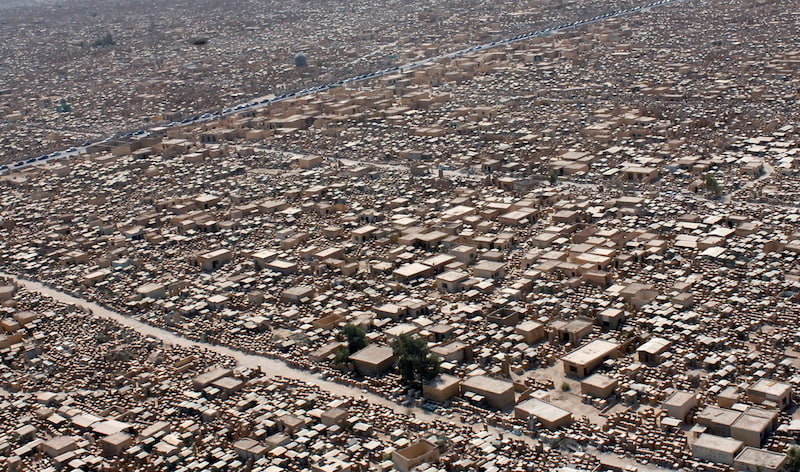
Beyond the shrine, Al Najaf’s Wadi al-Salam Cemetery is believed to be the final resting place of many companions and descendants of the Ahl al-Bayt. Pilgrims often visit these graves, reciting Qur’an and offering prayers in memory of those who dedicated their lives to the Prophet’s family.
The city is also home to Hawza al-Ilmiyya, one of the oldest Shia seminaries, where religious scholars preserve and teach the traditions of the Ahl al-Bayt. Through lectures, scholarly works, and community guidance, these institutions keep alive the moral and spiritual heritage passed down from the Prophet’s household.
Al Najaf’s proximity to other key Shia sites, such as Karbala (Imam Husayn Shrine) and Kufa Mosque, further strengthens its role as a hub for those devoted to the Ahl al-Bayt. For visitors, a journey here is both a spiritual pilgrimage and a living lesson in Islamic history.
Pilgrimage and Ziyarat
For Shia Muslims, visiting the shrines of the Ahl al-Bayt is not just a cultural experience, it is an act of devotion known as Ziyarat. In Al Najaf, the primary destination is the Imam Ali Shrine, where pilgrims come from across the world to pay their respects, offer prayers, and seek spiritual blessings. The act of Ziyarat is seen as a way to renew faith, strengthen one’s connection to the Prophet’s family, and reflect on their values of justice, patience, and sacrifice.
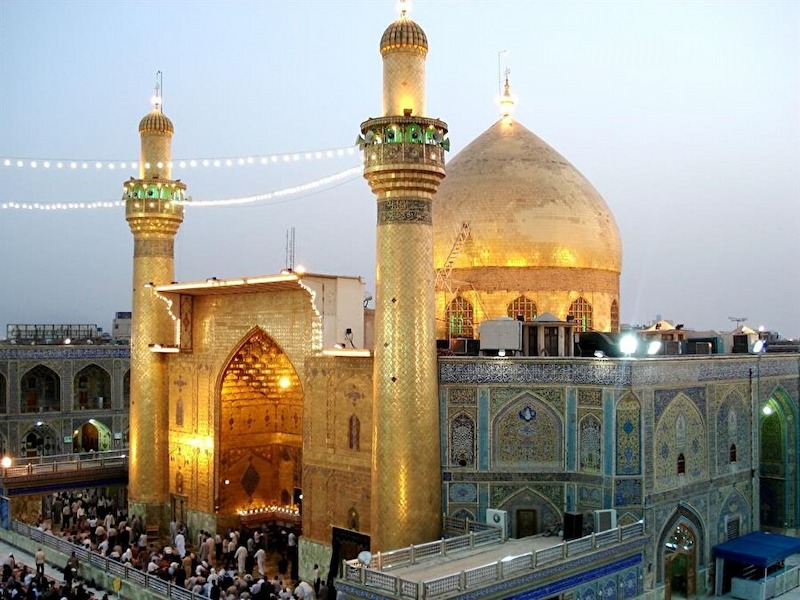
During peak religious events such as Eid al-Ghadir, Laylat al-Qadr, and the anniversaries of Imam Ali’s birth and martyrdom, Al Najaf sees a tremendous influx of visitors. Pilgrims often combine their trip with visits to nearby holy sites in Karbala, Kufa, and other historic towns tied to the Ahl al-Bayt.
Ziyarat is more than simply visiting a physical location. It involves acts of worship, reciting prescribed prayers, reading the Qur’an, and remembering the lives and teachings of the Ahl al-Bayt. Many pilgrims describe a sense of peace and renewal upon completing their visit, carrying the spiritual benefits back into their daily lives.
- For first-time visitors, planning ahead is essential:
- Choose travel dates based on religious calendars.
- Arrange accommodation early during peak seasons.
- Learn basic etiquette for shrine visits (modest dress, quiet demeanor, and respect for worshippers).
Modern Relevance of Ahl al-Bayt
In today’s world, the Ahl al-Bayt remain a living source of spiritual guidance and ethical inspiration. Their emphasis on justice, compassion, humility, and knowledge continues to shape how millions of Muslims understand faith in public and private life. From charitable initiatives to scholarly circles, the values associated with the Prophet’s family offer a framework for navigating modern challenges with dignity and empathy.
Global gatherings, lectures, and community programs dedicated to the Ahl al-Bayt connect diverse audiences across languages and cultures. Digital platforms now amplify access to classical texts and contemporary commentary, allowing younger generations to discover this legacy in ways that feel immediate and relevant. For many, visiting Al Najaf turns these ideas into an embodied experience, a journey that links study and devotion with a sense of belonging to a centuries-old tradition.
A Tradition that Still Leads the Way
The story of the Ahl al-Bayt is not confined to history books; it is a living current that flows through the hearts, homes, and hopes of believers today. Al Najaf stands at the crossroads of this heritage, inviting visitors to deepen their understanding, renew their intentions, and carry forward a legacy of service and sincerity. Whether you engage through study, community work, or Ziyarat, the path illuminated by the Ahl al-Bayt continues to guide seekers toward a faith that is principled, compassionate, and profoundly human.
