

Things to Do in Al Najaf are deeply tied to its identity as one of the holiest cities in Shia Islam. Home to the sacred Imam Ali Shrine and centuries-old religious seminaries, Al Najaf draws millions of pilgrims each year. The city’s atmosphere blends spiritual devotion with vibrant cultural traditions, offering visitors a chance to experience both faith and history. Whether you come for pilgrimage, to study its religious heritage, or to explore its markets and museums, Al Najaf leaves a lasting impression. This is not just a travel destination, it is a journey into the heart of Shia spirituality.
Discovering Al Najaf: The Spiritual Heart of Shia Islam
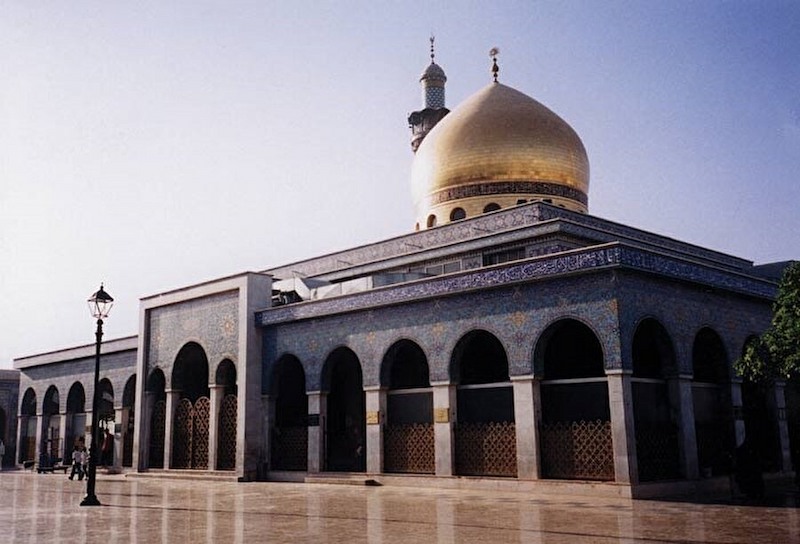
Al Najaf is not just another city on the map, it is a place where history, faith, and culture intertwine. As one of the most important Shia holy cities, it holds a special place in the hearts of millions of Muslims worldwide. Its streets are filled with the voices of pilgrims, the aroma of traditional Iraqi cuisine, and the sight of golden domes shimmering under the desert sun. For travelers, Al Najaf offers an unparalleled blend of spiritual significance and authentic Middle Eastern charm.
Highlights of Al Najaf include:
- 🕌 Imam Ali Shrine – The resting place of the first Shia Imam and a masterpiece of Islamic architecture.
- 🪦 Wadi al-Salam Cemetery – The largest cemetery in the world, rich with history and spiritual meaning.
- 📚 Hawza Ilmiyya (Religious Seminaries) – A global hub for Shia scholarship and theology.
- 🏛️ Al Najaf Museum – Home to ancient manuscripts, Islamic art, and archaeological treasures.
- 🛍️ Traditional Souks – Bustling markets offering religious artifacts, books, and handmade goods.
- 🍲 Najafi Cuisine – Flavorful dishes deeply tied to Iraqi traditions and religious gatherings.
Things to Do in Al Najaf
Discover the spiritual and cultural treasures of Al Najaf, a Shia holy city that blends devotion with rich traditions.
Imam Ali Shrine
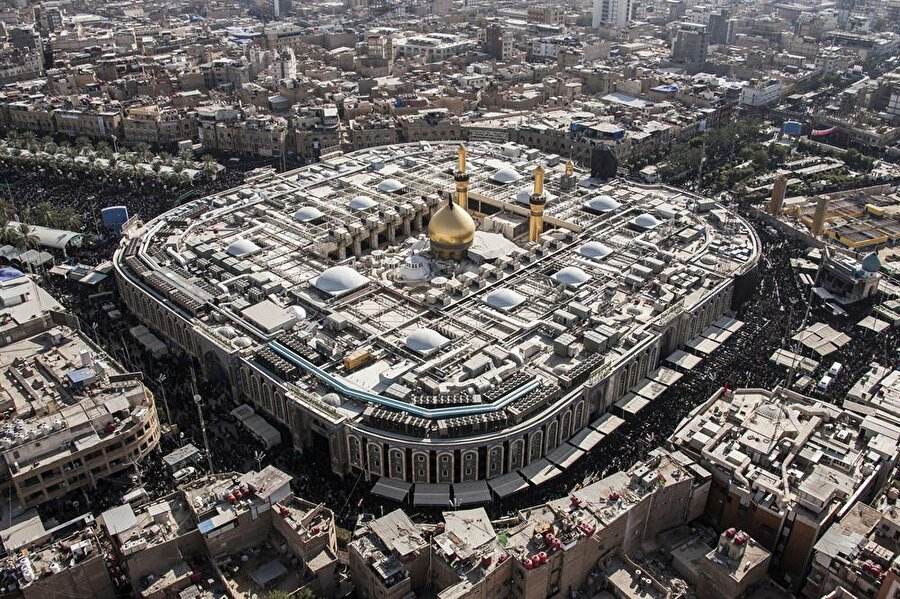
The resting place of Imam Ali ibn Abi Talib, a masterpiece of Islamic architecture with its golden dome and intricate calligraphy.
Wadi al-Salam Cemetery
The largest cemetery in the world, holding deep spiritual significance for Shia Muslims and offering a unique historical perspective.
Hawza Ilmiyya
A global center for Shia scholarship where visitors can learn about centuries-old traditions and Islamic theology.
Grand Mosque of Kufa
An important Islamic site linked to Imam Ali and early Islamic history, located just a short trip from Al Najaf.
Al Najaf Museum
A collection of rare manuscripts, Islamic art, and archaeological treasures showcasing the city’s rich history.
Traditional Souks
Bustling markets offering prayer beads, Qurans, religious books, and handmade crafts unique to the city.
Religious Gatherings
Attend public lectures and religious events to witness Shia rituals and connect with the local community.
Najafi Cuisine
Enjoy local specialties like Najafi kebab and hearty stews, often served during religious gatherings.
Cultural Etiquette & Travel Tips
Follow these essential tips to ensure a respectful, safe, and enjoyable visit to Al Najaf.
Dress Code
In Shia holy sites, modest clothing is required. Women should wear a headscarf, long sleeves, and ankle-length skirts or pants. Men should avoid shorts and sleeveless tops.
Visiting Etiquette
Avoid taking photos without permission, speak softly, and remove your shoes before entering sacred areas. Always follow posted rules and the guidance of local staff.
Best Time to Visit
Religious events like Arbaeen and Eid al-Ghadir bring large crowds and a unique atmosphere. For a quieter experience, plan your visit outside major pilgrimage seasons.
Safety & Transport
Use licensed taxis or pre-arranged airport transfers for safety and convenience. Keep valuables secure and follow local advice for a smooth journey.
Day Trips from Al Najaf
Expand your journey with nearby attractions that complement the spiritual and cultural depth of Al Najaf.
Karbala – Imam Hussein Shrine
Visit the Imam Hussein Shrine, one of the most revered sites in Shia Islam. The city’s processions, courtyards, and devotional atmosphere offer a powerful experience. It is an ideal addition to a pilgrimage focused itinerary.
Kufa – Historic Mosques
Explore Kufa’s historic mosques, including the Grand Mosque of Kufa connected to early Islamic history. The site reflects key moments related to Imam Ali. Short travel time makes it perfect for a half-day trip.
Hillah – Babylon Ruins
Discover the ancient ruins of Babylon near Hillah and trace the legacy of Mesopotamian civilization. Walk through reconstructed gates and archaeological remains. This cultural detour pairs well with a faith centered trip.
Experience the Spirit of Al Najaf
Visiting Al Najaf is more than just a trip, it is a journey into the heart of Shia spirituality and Iraqi heritage. From the golden dome of the Imam Ali Shrine to the peaceful expanse of Wadi al-Salam, every moment here tells a story of devotion and resilience. By planning your visit well and respecting local customs, you can create memories that are both meaningful and unforgettable. Whether you come for pilgrimage, history, or cultural exploration, Al Najaf offers an experience unlike any other. Let your journey begin here.