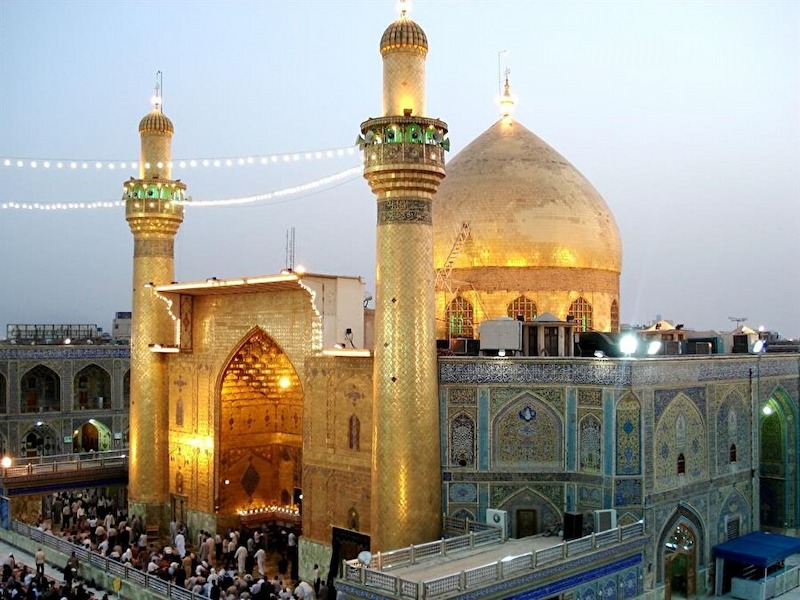
Iraqi Border Logistics: The e-Visa Framework
The sovereign state of Iraq has implemented a robust electronic visa system to facilitate the entry of tourists, pilgrims, and commercial experts. This digital infrastructure serves as the primary screening layer, allowing the Ministry of Interior to verify traveler data before they reach the terminal gates at Al Najaf. While the e-Visa is a digital authorization, it remains tethered to physical security protocols at the border, including mandatory biometric scans and document audits. For passengers arriving at NJF, the integration of pre-approved e-Visas and the availability of Visa on Arrival (VoA) for specific nationalities ensures a flexible yet secure entry environment. Strategic preparation of documentation is the most effective way to navigate the administrative transition from the aircraft to the city center.
Immigration Compliance Note:
Approval of an e-Visa does not guarantee automatic entry into the Republic of Iraq. The final decision rests with the immigration officers at the port of entry, who will assess your travel intent, financial readiness, and security profile during the biometric screening process at Al Najaf Airport.
Iraq e-Visa & Entry: 25 Detailed FAQs
Everything travelers need to know about the Iraqi visa application, fees, and terminal protocols.
The Iraq e-Visa is an official digital authorization that allows foreign citizens to enter the country for tourism, pilgrimage, or business. It replaces the traditional paper application at embassies for many eligible travelers.
Eligibility is determined by nationality. Citizens of the UK, USA, EU countries, Canada, and several others can apply online or receive a Visa on Arrival at major ports like Najaf Airport.
Yes, Al Najaf International Airport is a primary port of entry that fully supports the e-Visa system and has dedicated desks for digital verification.
For most eligible nationalities, the fee is approximately 75 to 80 USD for a single-entry visa. This can be paid online for e-Visas or in cash for Visa on Arrival.
Yes, if you are getting a Visa on Arrival at NJF, you must have the exact amount in clean, crisp USD bills. International card processing is not available at these desks.
A standard tourist or pilgrim visa typically allows for a stay of up to 30 days from the date of entry into the country.
You will need a passport valid for at least 6 months, a digital passport photo, proof of accommodation, and a confirmed return flight itinerary.
No, approval typically takes between 3 to 10 business days. It is not an automated instant process and involves a background security check.
You must bring a physical printout of the e-Visa approval. Border officers at Najaf need to scan the physical barcode on the document.
Yes, while a standard tourist visa often suffices, specialized pilgrim visas are managed during major religious events like Arbaeen, often coordinated by tour operators.
Yes, a federal Iraqi visa allows for travel between all federal provinces, including Baghdad, Najaf, and Karbala.
A federal Iraqi visa is generally accepted for travel to the Kurdistan Region (Erbil, Sulaymaniyah), but travel in the opposite direction (Kurdistan visa to federal Iraq) is often restricted.
Upon arrival, every passenger must undergo an iris scan and fingerprinting at the immigration booth to verify their identity against the visa record.
Yes, Iraqi border authorities require all international visitors to have valid health insurance covering their entire stay in the country.
Most e-Visas and VoA issued at airports are single-entry. For multiple-entry requirements, you must typically apply through a traditional embassy process.
If denied, you should contact the nearest Iraqi consulate to apply for a standard sticker visa and provide additional supporting evidence for your travel.
Yes, during peak times, Al Najaf Airport often designates specific booths for pre-approved e-Visa holders to speed up the entry process.
Generally, tourist visas for eligible nationalities do not require an invitation, but having a hotel reservation is mandatory. Business visas always require a letter from a local sponsor.
Yes, extensions can be requested at the Residency Office in major cities like Najaf or Baghdad, subject to administrative approval and additional fees.
Only if you are traveling from or have transited through a country with a high risk of yellow fever transmission.
Overstaying leads to significant daily fines that must be paid at the airport or residency office before you are allowed to depart the country.
Passports containing Israeli stamps, visas, or evidence of entry into Israel are generally not permitted for entry into federal Iraq.
Yes, the official sovereign portal supports Arabic, Kurdish, and English to accommodate international travelers.
Most COVID-19 related entry requirements have been lifted, but it is wise to maintain a digital copy of your vaccination record for general health compliance.
After passing the final security gate, the most secure and efficient way to reach Najaf or Karbala is by utilizing a pre-booked private transfer service.