

Fastest Way to and from Al Najaf Airport: Transit Guide
Optimizing the transit between Al Najaf International Airport (NJF) and the holy city center is a critical logistical exercise for international travelers and pilgrims. Whether you are arriving for a religious observation or departing after a business engagement, selecting the most efficient corridor is a matter of strategic timing. This guide analyzes the fastest road arteries and professional transport solutions to ensure your movement to and from the terminal is defined by speed, security, and absolute reliability.
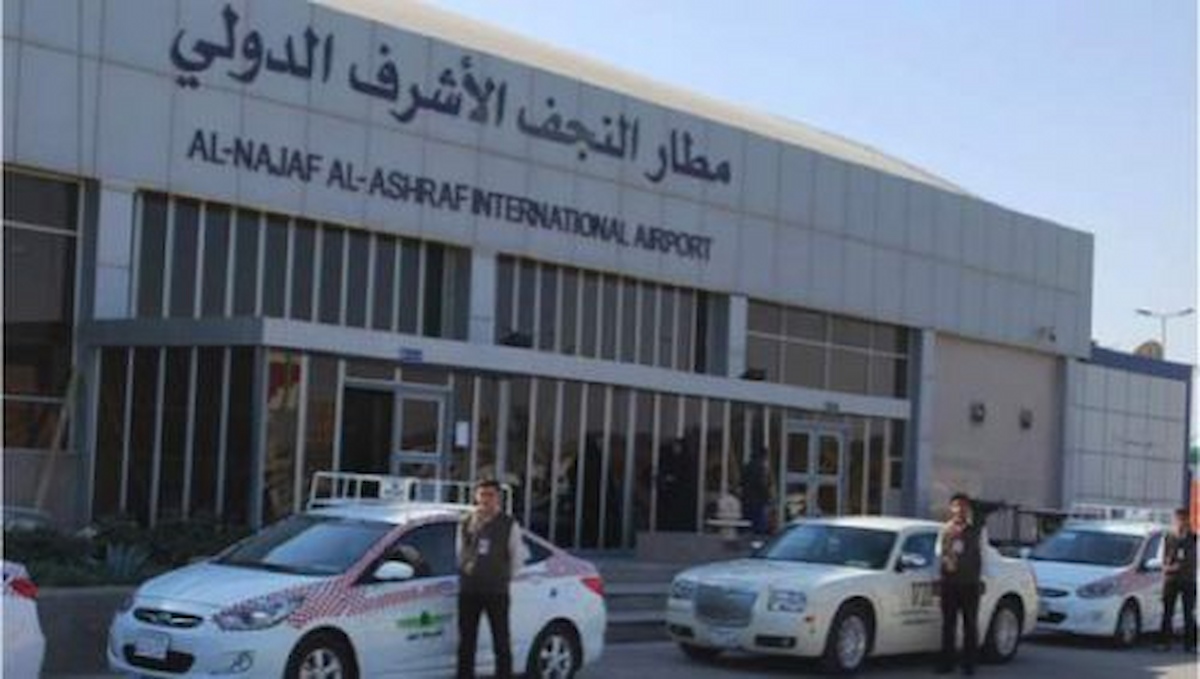
Performance Metrics for Najaf Transit Logistics
Private Speed
Direct 15 to 20 minute transit to the city center using optimized road paths.
Checkpoint Optimization
Professional drivers utilize verified lanes to minimize wait times at airport gates.
Regional Links
Rapid subterranean road connections to Kufa and Karbala for regional travelers.
Live Navigation
Sovereign algorithms provide the fastest dynamic routing to avoid religious processions.
Mastering Bidirectional Najaf Airport Logistics
The core of the fastest transport strategy to and from Al Najaf International Airport is the professional private transfer network. Unlike many global cities that rely on rail, Najaf's transit speed is dictated by road infrastructure and security clearance efficiency. When traveling to the airport, departing from the city center requires an understanding of the multiple security rings surrounding the terminal. Professional chauffeurs utilize verified identification and dedicated airport access lanes to provide a guaranteed arrival time that is significantly faster than standard local options. For those arriving from international flights, the reverse is true. A pre booked vehicle allows you to bypass the crowded taxi ranks and move directly into the climate controlled comfort of an executive car, delivering you to the shrine area or your hotel in approximately twenty minutes.
To maximize speed, travelers should avoid relying on on site negotiations which can lead to delays in the high temperature environment. The most efficient method for ticket and vehicle acquisition is through digital pre booking platforms. Moving through the final airport security gate is near instantaneous with a professional transfer partner who is recognized by the airport authorities. For the return journey to the airport, it is advised to schedule your pickup at least four hours before your flight. This ensures a friction free boarding process and allows for a comfortable transition through the final security screening layers required for all departing international passengers.
Road Speed: Expressways and Regional Arteries
Road transport is the absolute fastest way to and from the airport given the current urban development of Najaf. The main airport highway provides a direct artery to the city center, but speed is often a function of security clearance. By bypassing the traditional public waiting zones, a private transfer can reach the Imam Ali Holy Shrine in as little as fifteen minutes from the airport exit. For the regional hub of Karbala, located approximately eighty kilometers away, the dedicated Najaf to Karbala highway provides a rapid corridor, though traffic sensitivity increases during pilgrimage seasons. To ensure the fastest possible journey, professional transfers utilize real time data to calculate the most efficient path through the urban intersections before reaching the airport gates.
Executive Transit Synergy:
The speed of private road transit is enhanced by the professional chauffeur's ability to navigate the complex security perimeters of the Al Najaf region. By choosing a pre booked private transfer, you eliminate the waiting time at the airport taxi rank, moving directly from the terminal exit to the vehicle, which is the ultimate strategy for those in an urban rush.
Temporal Logistics: When to Choose Private Transit
The fastest way is not a static choice; it is a temporal one governed by the religious calendar. During peak pilgrimage windows, the highways can face significant delays due to pedestrian processions. During these periods, the only way to ensure an on time arrival at the terminal is to utilize executive transfers that are authorized to use specific logistical lanes. Between the late night hours and early morning, the road network becomes the superior artery for speed. With clear highways, a private car can deliver you from your door to the terminal entrance faster than any other method, especially when accounting for the time spent managed at various security checkpoints. Evaluating the current hour is essential for selecting the optimal speed path.
- Peak Religious Dates: Use professional transfers for logistical lane access.
- Morning Rush: Allow extra time for security clearance despite the short distance.
- Late Night: Private transfers are the undisputed fastest path to the door.
- Weekends: Road transport is generally faster due to reduced business traffic in the city core.
Digital Tools for Frictionless Movement
To maintain maximum speed, digital readiness is mandatory. Having a local data connection allows you to monitor the arrival of your private transfer in real time. For the journey to the airport, using a navigation app helps you decide exactly when to leave your hotel based on the current checkpoint wait times. If the app shows a sudden bottleneck on the main highway, a professional driver can instantly pivot to an alternative secondary road to maintain the schedule. This digital flexibility is what distinguishes a sophisticated traveler from one who is delayed by the city's dynamic religious and urban pulse.
Final Summary: The High Speed Blueprint
Reaching Al Najaf city center or the airport terminal in the shortest possible time requires a hybrid approach of technology and professional logistics. The blueprint for success involves using executive private transfers during all hours of the day to ensure priority security access. By prioritizing dedicated road arteries and avoiding the volatility of the local taxi market, you can navigate the transit gap with executive efficiency. Success in these logistics is the result of using local digital tools, monitoring the temporal traffic cycles, and selecting verified professional transport partners for every leg of the journey.
Bidirectional Speed Tips
- Pre-book for priority security lane access.
- Check regional road closures for processions.
- Use private cars for 20-minute city access.
- Keep digital confirmation for security gates.
To/From Speed Comparison
Private Logistics
Our team manages high speed executive transfers to and from Al Najaf terminal 24 hours a day.