

Al Najaf, located about 160 kilometers south of Baghdad, is one of the holiest cities in the Islamic world. It holds special significance for Shia Muslims as the burial site of Imam Ali ibn Abi Talib, cousin and son-in-law of Prophet Muhammad. Over the centuries, the city has grown into a major center of pilgrimage, scholarship, and culture. Its golden-domed shrine, bustling markets, and historic neighborhoods make it a place where faith and history meet.
Origins and Foundation
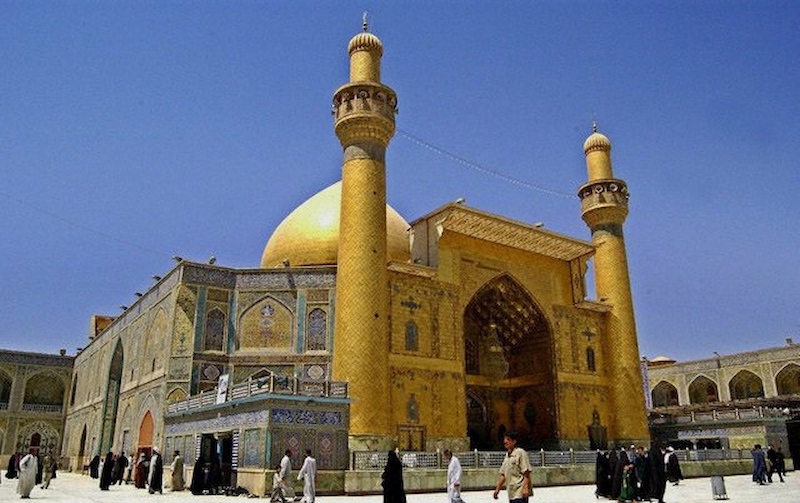
The city’s origins trace back to 661 CE, when Imam Ali was assassinated in nearby Kufa and buried in what is now Al Najaf. Initially, his burial site was kept hidden to protect it from enemies. Over time, the location became known, and a shrine was built, attracting early pilgrims. The name “Najaf” means high ground, referring to its safe position above flood levels. This elevated location also gave the site symbolic importance, representing dignity and spiritual elevation.
Key Facts:
- Burial site of Imam Ali since 661 CE.
- Initially a secret location, later revealed to followers.
- “Najaf” means high ground in Arabic.
- Early settlement grew around the shrine.
Rise as a Center of Learning
By the 8th–9th centuries, Al Najaf became a global center of Islamic scholarship. The Hawza of Najaf, one of the world’s oldest Islamic seminaries, attracted students from across the Muslim world. Scholars studied theology, law, philosophy, and Arabic literature here. The city gained a reputation for producing influential religious leaders and thinkers. This combination of spiritual and intellectual heritage remains central to Al Najaf’s identity today.
Highlights:
- Home to the famous Hawza of Najaf.
- Attracted scholars from Persia, Arabia, and beyond.
- Special focus on Islamic law and theology.
- Scholarship intertwined with religious devotion.
Periods of Decline and Revival
Over the centuries, Al Najaf faced periods of hardship due to political unrest, economic decline, and natural challenges. Conflicts and unsafe travel routes reduced pilgrimage numbers, impacting the city’s economy. Yet, its religious significance always brought it back to life. During the Ottoman era in the 18th–19th centuries, the city was revived with infrastructure improvements and shrine renovations. Trade routes reopened, and pilgrimage returned to full strength.
Key Points:
- Faced droughts, political instability, and conflict.
- Pilgrimage numbers sometimes dropped sharply.
- Ottoman rule brought major restoration efforts.
- Trade and scholarship flourished again.
Modern History
In the 20th century, Al Najaf was a center of both religious and political activity. Religious leaders often played key roles in anti-colonial movements. Under Saddam Hussein’s regime, the city suffered heavy repression, and many scholars were forced into exile. After 2003, the shrine and city underwent major renovations to accommodate millions of pilgrims annually. Today, Al Najaf is once again a vibrant religious and cultural hub.
Modern Facts:
- Played a role in resisting colonial powers.
- Repression under Saddam Hussein (1979–2003).
- Post-2003 revival with major shrine renovations.
- Millions of pilgrims visit annually.
Al Najaf Today
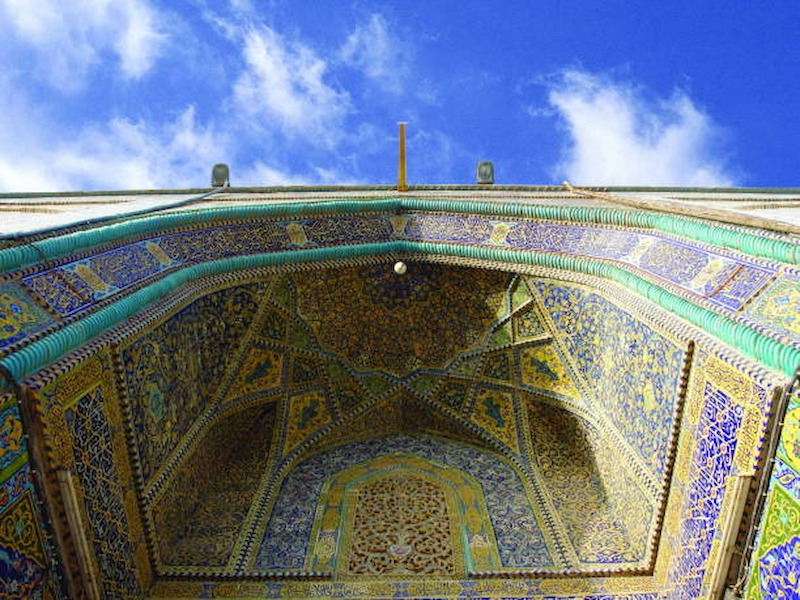
Al Najaf is considered one of the four holiest cities for Shia Muslims, alongside Mecca, Medina, and Karbala. The Imam Ali Shrine remains its spiritual heart, visited by millions from around the globe. The city is also home to Wadi-us-Salaam, the largest cemetery in the world. Its vibrant markets, traditional foods, and centuries-old architecture make it a living museum of Islamic culture. Al Najaf continues to blend faith, history, and daily life uniquely.
Today’s Highlights:
- Spiritual capital for millions of Shia Muslims.
- Largest cemetery in the world: Wadi-us-Salaam.
- Golden-domed shrine as the city’s focal point.
- Rich blend of history, culture, and commerce.
Al Najaf: A Timeless Journey Through Faith
Al Najaf’s history is a story of devotion, scholarship, and resilience. From its beginnings as the secret resting place of Imam Ali to its role today as a global center of pilgrimage, the city has preserved its spiritual essence for more than thirteen centuries. Walking through its streets means stepping into a living narrative where ancient traditions meet modern life. For visitors, it offers not just religious significance but also a deep connection to the cultural and historical heartbeat of Iraq. Al Najaf remains a symbol of enduring faith and a place where the past continues to inspire the present.
