

Travel Tips for Visiting Hong Kong
Hong Kong is a city where tradition meets innovation, neon lights shimmer above ancient temples, and every street is a new adventure waiting to happen. With its iconic skyline, world-class food, and vibrant culture, Hong Kong stands out as one of Asia’s most exciting travel destinations. Knowing some essential Hong Kong travel tips can turn a good trip into an unforgettable experience. Enjoy your visit to Hong Kong to the fullest!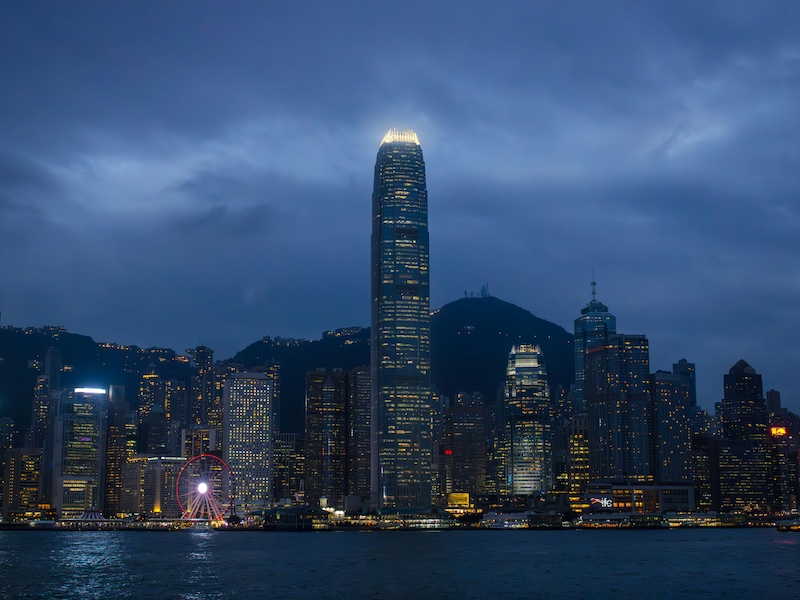
Best Time to Visit Hong Kong
Hong Kong is a year-round destination, but certain months are better than others for travelers. The best time to visit is from October to early December when the weather is cool, pleasant, and mostly dry. This is also the season for festivals like the Mid-Autumn Festival and various food fairs. Spring (March to May) is also a nice time because temperatures are mild, and the city’s parks are lush and green.
• Avoid Typhoon Season: Typhoons can hit from June to September. If you travel during these months, keep an eye on weather alerts, as some attractions may close due to heavy rain or high winds.
• Major Events: Chinese New Year (January or February) is an amazing spectacle, but hotels and flights are more expensive, and some businesses close for the holiday.
• Crowds: Hong Kong can be crowded during peak times, including Golden Week (early October) and the Christmas/New Year holiday period.
Hong Kong Visa
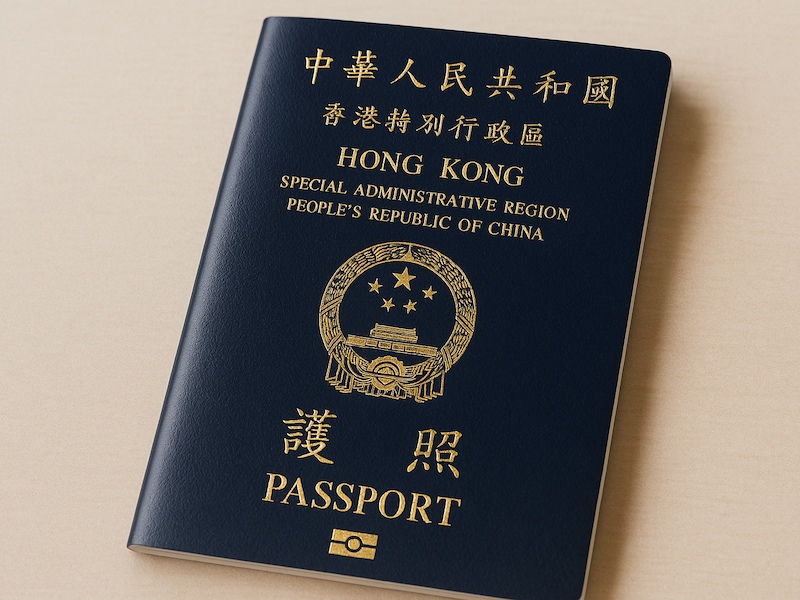
Hong Kong is known for its friendly visa policy for tourists. Many nationalities, including Americans, Canadians, Australians, Europeans, and most Southeast Asian countries, do not need a visa for stays between 7 and 180 days. However, some countries still require a visa in advance.
• How to Check Your Visa Requirement: Visit the official Hong Kong Immigration Department website to see if you need a visa.
• e-Channel for Frequent Visitors: If you travel to Hong Kong often, you might be eligible for the automated e-Channel entry, which speeds up the immigration process.
• Onward Tickets: Immigration officers may sometimes ask for proof of onward travel, so have your return or next-destination ticket handy.
• Transit in Hong Kong: Even if you’re just transiting through Hong Kong International Airport, most nationalities do not require a visa if you remain in the airport's transit area.
Hong Kong Currency
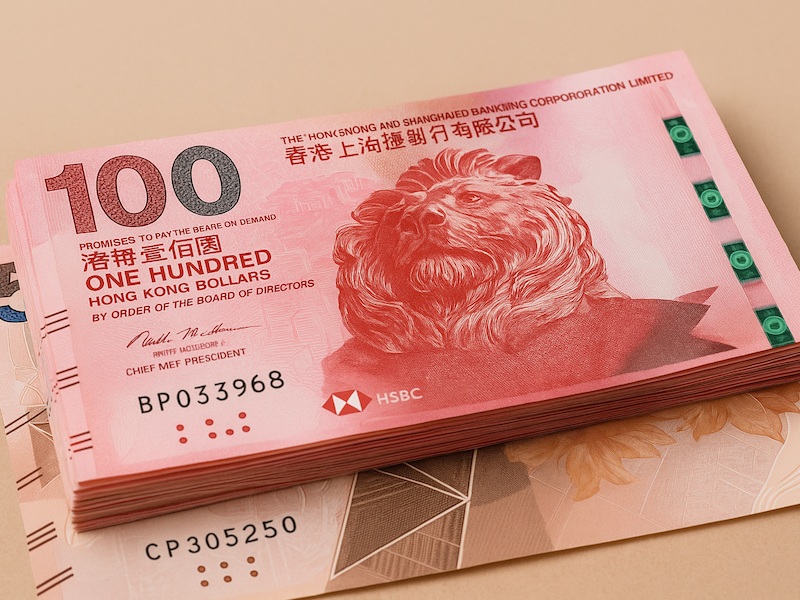
The local currency is the Hong Kong Dollar (HKD). The current exchange rate is roughly 1 USD = 7.8 HKD as of May 2025.
• Where to Exchange Money: Currency exchange counters are available at the airport, major hotels, and shopping malls. Rates at banks are fair, but the best rates are usually found at licensed money changers in Central, Tsim Sha Tsui, or Causeway Bay.
• ATMs: Widely available and accept most international cards. Withdrawals typically have a small service fee.
• Tipping: Not mandatory, but it’s polite to round up your bill at restaurants or leave small change for porters and hotel staff.
Culture and Customs in Hong Kong
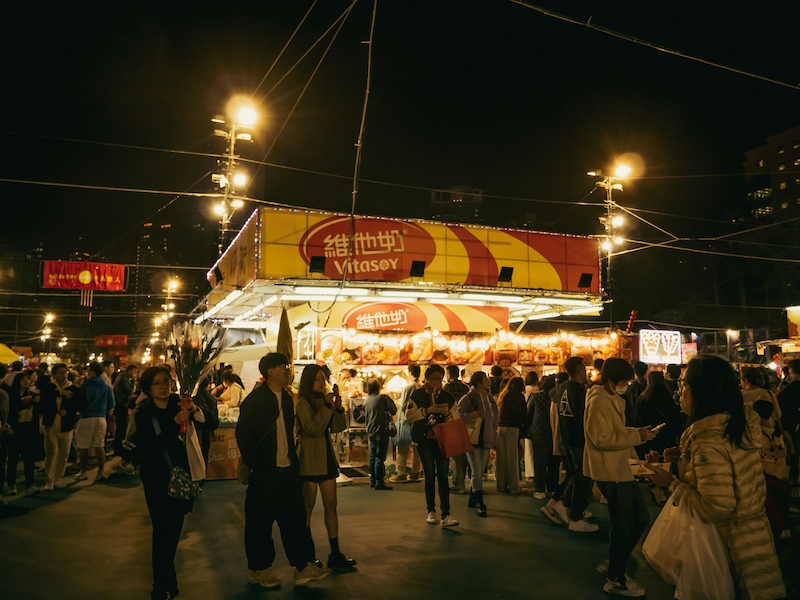
Hong Kong is a fascinating blend of East and West. Its people take pride in their Chinese heritage while also embracing international culture and trends.
• Festivals: Major holidays include Chinese New Year, Mid-Autumn Festival, Dragon Boat Festival, and Christmas. During these times, you’ll see colorful decorations, parades, and festive markets.
• Temples and Religious Sites: Dress modestly when visiting temples. Avoid wearing shorts or sleeveless shirts. Remove hats, and be respectful of worshippers.
• Queuing: People in Hong Kong take queuing seriously. Always line up and wait your turn at bus stops, restaurants, and stores.
• Dining Etiquette: Wait for the eldest or host to begin eating. Don’t stick chopsticks upright in a bowl of rice because it’s considered bad luck. Sharing food is common, and dishes are often served family-style.
• Gift Giving: Gifts are exchanged during holidays or visits to someone’s home. Avoid giving clocks, white flowers, or sharp objects, as they are associated with bad luck or funerals.
Safety
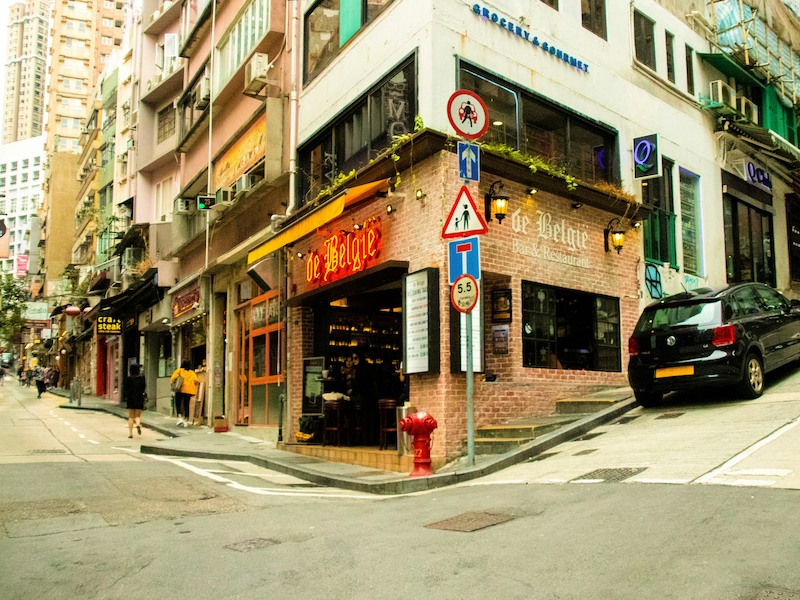
Hong Kong is considered one of the safest big cities in the world. Violent crime is rare, and police are visible and helpful. Still, it’s important to take common-sense precautions.
• Pickpockets: Watch your belongings in crowded places like markets, public transport, and tourist hotspots.
• Scams: Be cautious of people offering “too good to be true” deals or asking for money.
• Traffic: Cars drive on the left. Pedestrian crossings are clearly marked, but always look both ways before crossing streets.
• Protests: In recent years, public demonstrations have occurred. They are generally peaceful, but it’s best to avoid large gatherings and check local news.
• Emergency Numbers: Dial 999 for police, fire, or medical emergencies. Most operators speak English.
Transportation
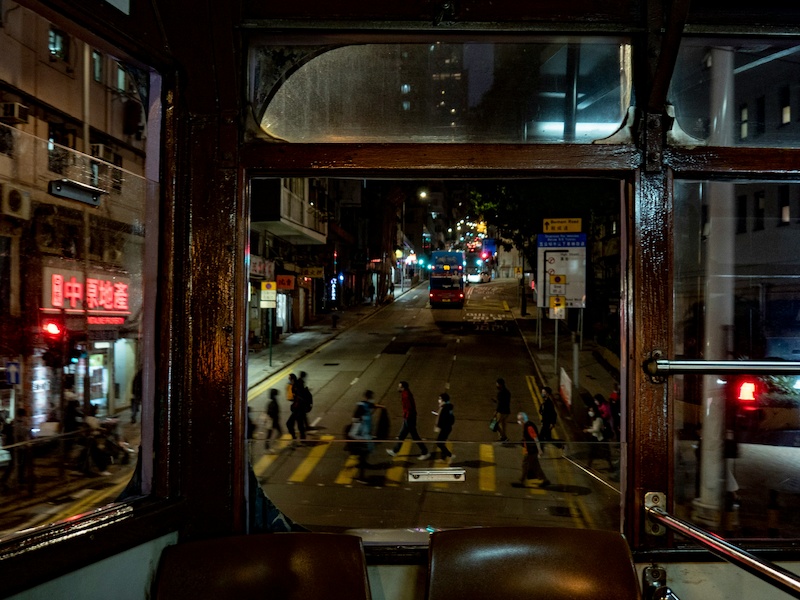
MTR (Mass Transit Railway) is the backbone of Hong Kong’s public transportation. Clean, air-conditioned, safe, and fast, it connects almost all major areas. Stations and trains have English signage, so it’s foreigner-friendly. It operates between 6am and 1 am.
• Fares: Range from 4–60 HKD ($0.50–$8) depending on distance.
Buses: Extensive network, reaching areas the MTR doesn’t. Fares depend on distance but start at about 4 HKD ($0.50).
Trams: The iconic double-decker “ding ding” trams run along Hong Kong Island. Flat fare of 3 HKD ($0.40).
Star Ferry: Links Kowloon and Hong Kong Island, offering scenic harbor views.
Taxis
Red Taxis serve most of Hong Kong (urban areas). Green Taxis serve New Territories. Blue Taxis serve Lantau Island.
• Fares: Start at 27 HKD ($4). Always ask for a receipt. Drivers speak limited English; have your destination written down.
Airport Express is the fastest way from Hong Kong International Airport to downtown. It takes about 24 minutes to reach Central and stops at Tsing Yi and Kowloon.
Fare: 115 HKD ($15) to Central. Group and return ticket discounts available.
Tourist Attractions
Hong Kong has something for everyone, from world-famous attractions to hidden gems.
Victoria Peak
Take the historic Peak Tram to the top of Victoria Peak for breathtaking views of the city and harbor, especially at sunset. The Sky Terrace 428 offers a 360-degree panorama.
Entrance: Peak Tram round trip: 99 HKD ($13). Sky Terrace 428: 52 HKD ($7).
Hong Kong Disneyland
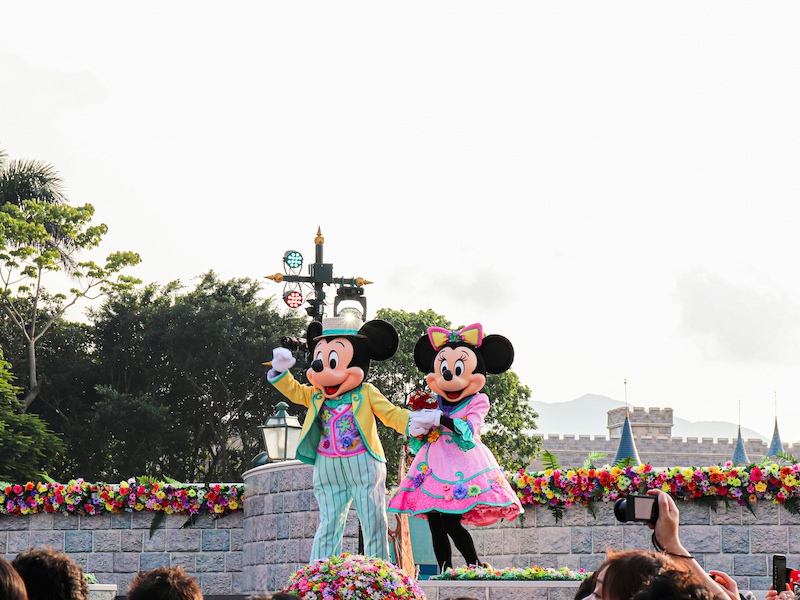
A magical experience for families and Disney fans. Enjoy themed rides, shows, and parades. It’s less crowded than other Disney parks and easy to reach by MTR.
Tickets: Starting from 639 HKD ($82) for adults.
Big Buddha (Tian Tan Buddha) & Po Lin Monastery
Take the Ngong Ping 360 cable car to Lantau Island and visit the impressive 34-meter bronze Buddha. Don’t miss the nearby Po Lin Monastery and the Wisdom Path hiking trail.
Cable car ticket: 235 HKD ($30) round trip.
Terminals in Hong Kong Airport
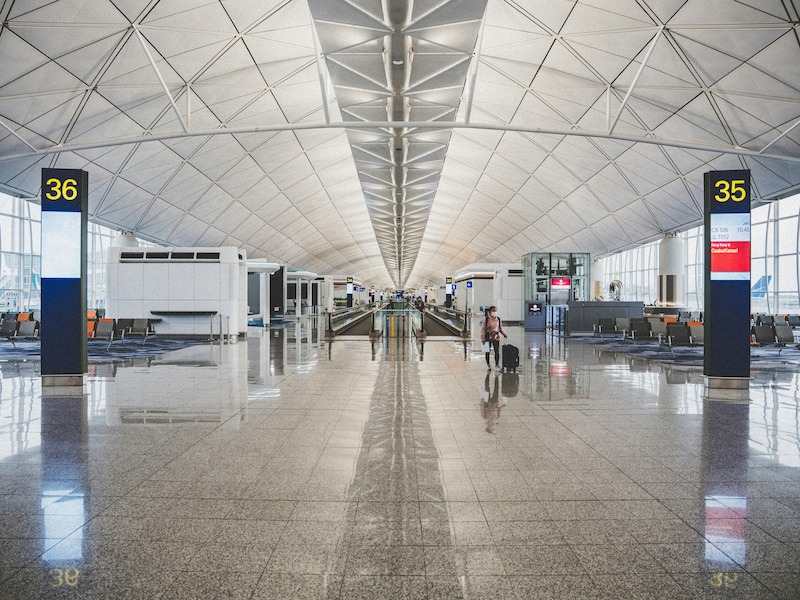
Hong Kong International Airport (HKG) is one of Asia’s busiest and most efficient airports. Located on Lantau Island, it’s a major gateway to China and the world. You can get much more information via this.
• Terminal 1: The main terminal for most international flights, with extensive shopping, dining, and amenities. It’s huge, so allow extra time to get to your gate.
• Terminal 2: Currently used mainly for check-in, entertainment, and dining, with departures handled by Terminal 1 airside. Terminal 2 is being expanded and will reopen fully soon.
• Midfield Concourse: Connected to Terminal 1, serves some international flights.
• SkyPier: Dedicated ferry terminal for transit to destinations in the Pearl River Delta.
Facilities include: Free Wi-Fi, showers, children’s play zones, VIP lounges, and 24-hour food options. Signage is excellent, and staff speak English.
Dining and Shopping
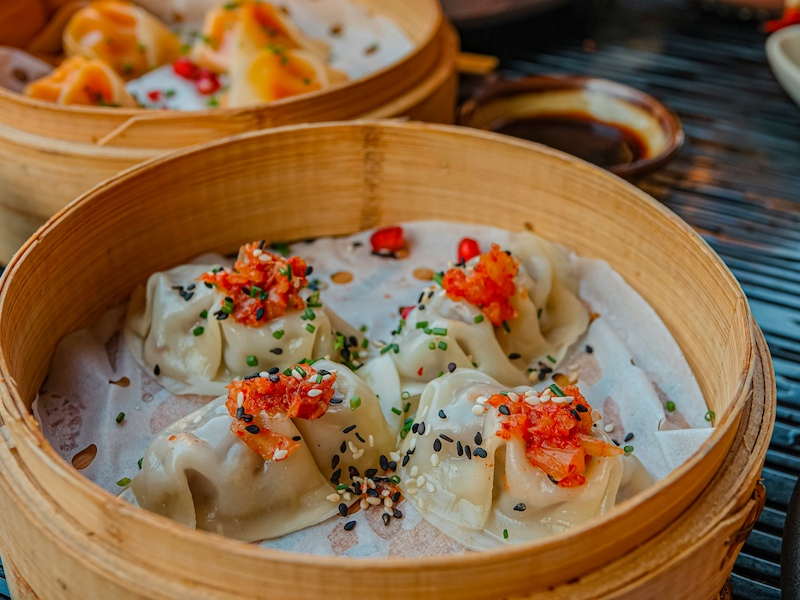
Hong Kong is famous worldwide for its food and shopping scene.
• Dim Sum: Try Tim Ho Wan, One Dim Sum, or Maxim’s Palace.
• Street Food: Don’t miss curry fish balls, egg waffles, cheung fun (rice noodle rolls), and pineapple buns. Try Temple Street, Mong Kok, or Sham Shui Po for authentic stalls. Get information about Hong Kong street restrauants.
• Fine Dining: Hong Kong boasts more Michelin-starred restaurants per capita than any city in Asia. Notable names include Amber, Lung King Heen, and Bo Innovation.
Price range: Street snacks start from 10–20 HKD ($1–$3). A dim sum meal for two: 200 HKD ($25). Fine dining can be over 1,000 HKD ($130) per person.
• Markets: Ladies Market (clothes, accessories), Fa Yuen Street (sneakers), Stanley Market (souvenirs), Jade Market (gems).
• Luxury Shopping: Tsim Sha Tsui’s Harbour City and IFC Mall house international designer brands.
• Malls: Times Square (Causeway Bay), Pacific Place (Admiralty), Festival Walk (Kowloon Tong) for everything under one roof.
• Electronics: Mong Kok is the best area for gadgets and deals.
Travel Insurance in Hong Kong
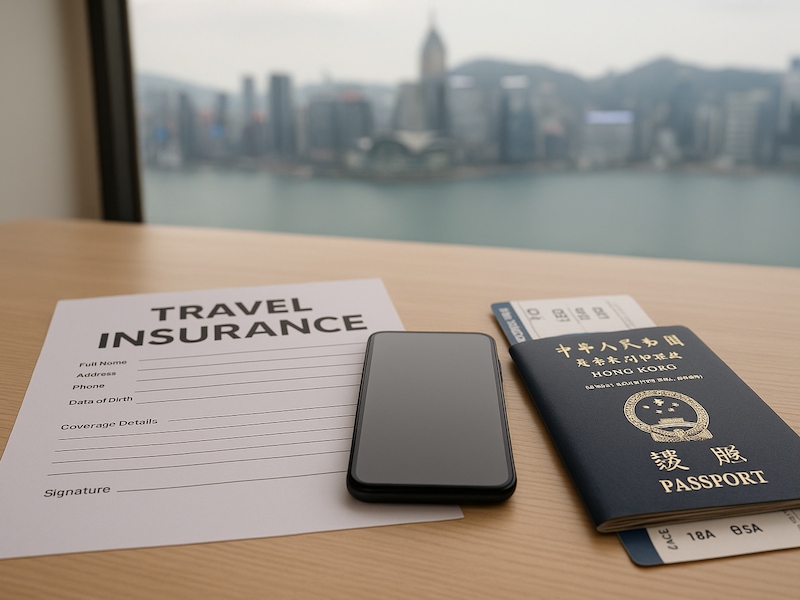
While Hong Kong’s healthcare is excellent, medical costs for foreigners can be high. It’s strongly recommended to get travel insurance before your trip. Look for coverage that includes:
• Medical expenses, hospitalization, and emergencies
• Coverage for COVID-19 and infectious diseases
• Baggage loss or theft
• Trip cancellations and delays
• Personal liability
Hong Kong Tourist Pass
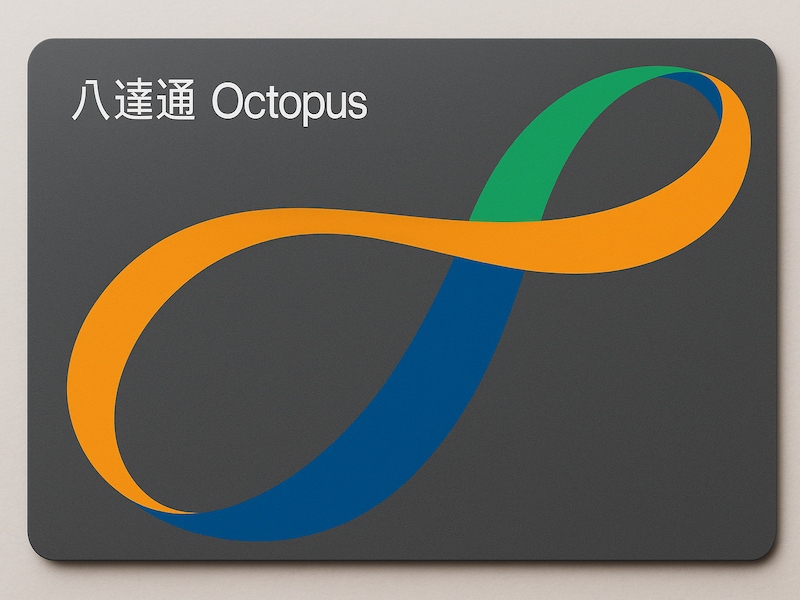
The Octopus Card is Hong Kong’s essential travel pass. It’s a contactless stored-value card that can be used on almost all public transportation and even for shopping and dining.
• Where to Buy: At the airport, all MTR stations, and most convenience stores (7-Eleven, Circle K).
• Cost: 150 HKD ($19.25), including a refundable 50 HKD ($6.40) deposit.
• Use: Tap to pay on buses, trams, ferries, MTR, and in many stores, supermarkets, and fast-food restaurants.
• Refund: Return your card at any MTR station to get your deposit and unused value back.