

Karbala, located in the heart of Iraq, is one of the most sacred cities in the Islamic world, carrying deep spiritual significance for millions of Muslims. Every year, particularly during Ashura and Arbaeen, pilgrims from across the globe flock to this holy city to pay their respects at the shrines of Imam Hussein and Al-Abbas. But Karbala is more than just a religious destination, it offers a rich blend of history, culture, and tradition. From its historic sites and bustling markets to its authentic Iraqi cuisine and welcoming tea houses, Karbala invites visitors to experience its unique atmosphere. Whether you are seeking a profound spiritual journey or a cultural exploration, the city has countless remarkable experiences waiting for you.
Visit the Sacred Shrines
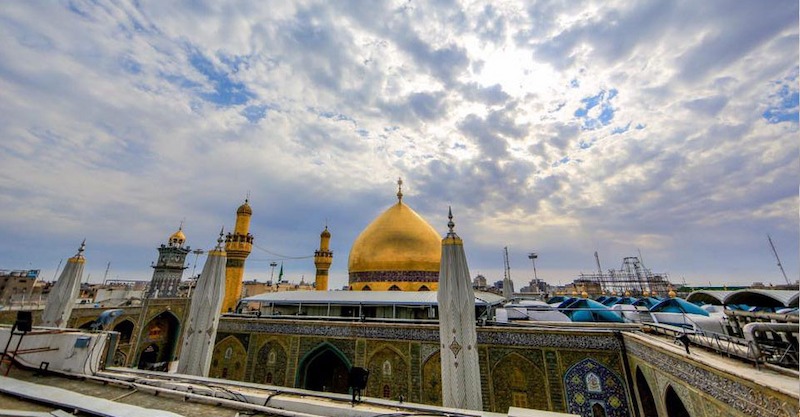
Karbala is home to two of the most revered shrines in Shia Islam, attracting millions of pilgrims each year. These sacred sites are not only places of worship but also architectural masterpieces filled with history and spiritual energy. Visiting them is an unforgettable experience for any traveler to the city.
Must-visit sacred sites include:
- Imam Hussein Shrine – The resting place of Imam Hussein, with its golden dome and intricate decorations, serves as the heart of Karbala’s spiritual life.
- Al-Abbas Shrine – Dedicated to Abbas ibn Ali, known for his bravery and loyalty in the Battle of Karbala.
- Tal Al-Zaynabiyya – A hill believed to be where Lady Zaynab stood during the events of Ashura, offering historical and spiritual insight.
- Prayer Halls and Courtyards – Spacious areas where pilgrims gather for prayers, rituals, and religious lectures.
- Ziyarat Rituals – Special recitations and acts of devotion performed at the shrines.
Take Part in Religious Events
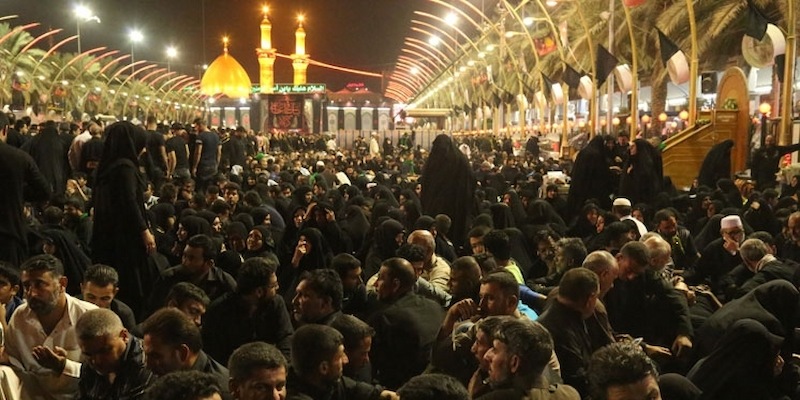
Karbala is most alive during its major religious gatherings, when millions of pilgrims from around the world come together in acts of devotion. Participating in these events offers a unique opportunity to witness the city’s spiritual heartbeat and experience its deeply rooted traditions.
Key religious events to experience:
- Arbaeen Pilgrimage – The world’s largest peaceful gathering, where millions walk to Karbala from various cities to commemorate the 40th day after Ashura.
- Ashura Commemorations – A deeply emotional day marking the martyrdom of Imam Hussein, with processions, prayers, and public sermons.
- Mourning Processions – Pilgrims join or observe processions that express devotion and solidarity.
- Religious Lectures (Majalis) – Spiritual talks by scholars explaining the history, lessons, and values of Karbala.
- Night Vigils – Special prayers and gatherings held through the night, especially during holy days.
Visit Museums and Cultural Sites
Karbala is not only a city of worship but also a place where history and culture come alive. A visit to the Karbala Museum offers an insightful look into the events of the Battle of Karbala, displaying artifacts, manuscripts, and historical documents that preserve the city’s legacy. The museum’s exhibits help visitors connect with the stories and people that shaped the city’s spiritual significance.
Relax in Iraqi Tea Houses
Tea houses in Karbala are more than just places to drink tea, they are social hubs where locals gather to talk, share stories, and take a break from the busy streets. Visiting one is a perfect way to slow down and soak in the city’s atmosphere.
Tea house experiences to enjoy:
- Traditional Iraqi Tea – Strong, sweet black tea served in small glasses, often brewed with cardamom.
- Shisha (Hookah) – A popular pastime, especially in the evenings, with a variety of flavors.
- Local Conversations – Friendly chats with residents that often lead to learning more about the city’s culture.
- Board Games – Join locals playing dominoes or backgammon while sipping tea.
- Relaxed Atmosphere – A quiet escape from the crowded markets and pilgrimage sites.
A City of Faith, History, and Hospitality
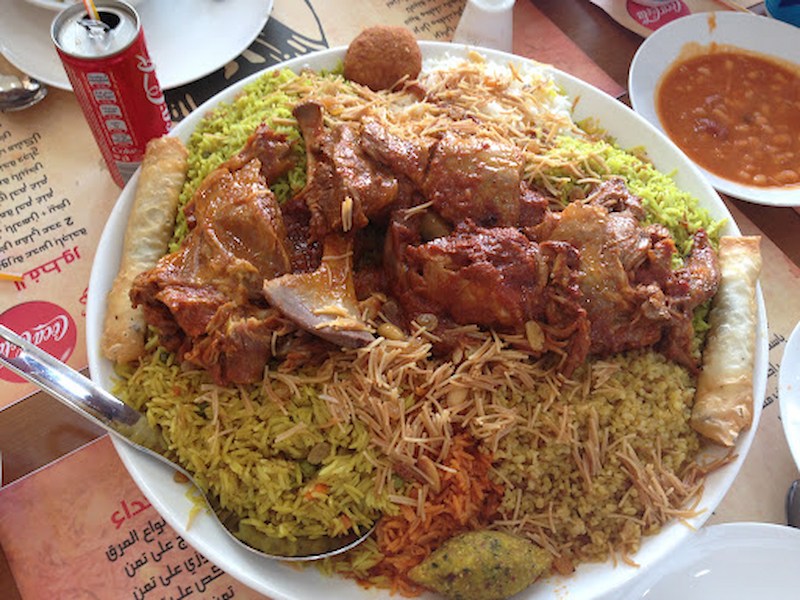
Karbala is a city that leaves a lasting impression on everyone who visits. Its sacred shrines and deeply spiritual atmosphere offer a place for reflection and devotion, while its bustling markets, traditional tea houses, and rich cuisine reveal the warmth of Iraqi culture. Whether you come during the grand gatherings of Arbaeen or in the quieter months, the city welcomes you with open arms and heartfelt hospitality.
Exploring Karbala is not just about visiting historical sites or tasting local dishes — it’s about connecting with a living tradition that blends faith, resilience, and generosity. From the golden domes that light up the night sky to the friendly smiles of its people, Karbala invites you to experience a journey that is both deeply personal and universally inspiring.