

How to Plan a Safe and Comfortable Journey for Elderly Passengers?
In the current world, elderly passengers need to be given much care when boarding any type of transport they wish to use for their trip. This consideration does not stop at flights from one city to another; it includes any transport requirements of elderly persons. Extra efforts to satisfy their desire can make a lot of difference in their experience. Hence, efforts should be made to prepare for the meeting, and also to make the traveling more comfortable for the seniors. Now it’s time to discuss the strategy of organizing the comfortable and safe rides for passengers of elderly people.
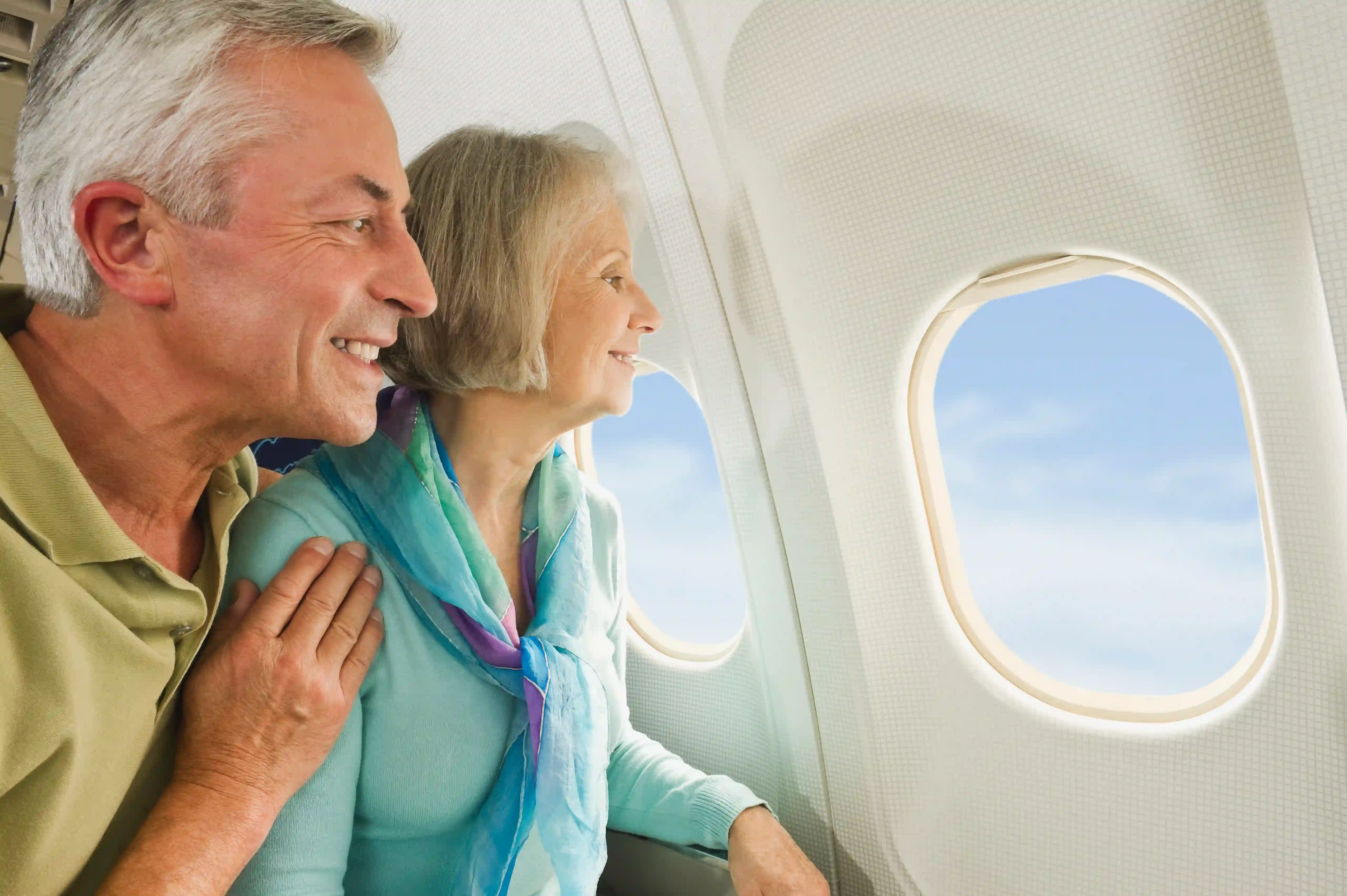
Pre-Travel Preparations: Medical Checks and Documents
It is necessary to sort out the documents one has to take with him during the trip. Some of them are a passport, visa, medical history and prescription. In order not to miss something, it is very useful to make a checklist. For persons suffering from chronic diseases, it is recommended to have a doctor’s letter that elaborates on the condition and the required medicine. It does this not only to guarantee that senior citizens can travel without risking their lives but also to make families of these senior citizens comfortable knowing that there is information regarding their kin.
To ensure a safe and stress-free journey for elderly passengers, follow these key steps:
1. Medical Check-Up
Visit a physician to determine the health’s appropriate condition for the travel, and check chronic illnesses, and vaccination status.
2. Medications and Devices
Pack medication in its original containers, have extra ones for several days and pack any movable medical tools like CPAP or glucose monitor.
3. Essential Documents
IDs, medical histories, doctors’ prescriptions, travel insurance, and contacts of family or friends. Take it in your photocopier, scanner or computer and back it up.
4. Notify Airlines and Hotels
Ask for specific accommodations for movement, requirements during the flight, and accessible rooms before.
5. Destination-Specific Prep
Investigate hospitals and verify that personal customs include medications and devices when traveling to a foreign country.
Choosing the Right Seat: Accessibility and Comfort
A proper seat is still always one of the crucial aspects when planning traveling for elder people. For instance, a window seat is not usually wanted because that confines you and keeps you tucked up in it all the time. Opt for aisle seats or seats near the front of the cabin for easier access to the restroom and assistance. You can also consider upgrading to premium economy or bulkhead seats for added comfort.
It's better to avoid middle seats to get maximum comfort, book window or aisle seats to minimize movement strain. Before boarding you can utilize the airline’s pre-boarding service to give elderly passengers more time to settle in.
Always remember to request any specific assistance or arrangements needed for seniors when making a booking. Most travel providers strive to ensure that older adults can access the products and services they offer. They often guarantee and adapt these services if necessary to meet the needs of their customers.
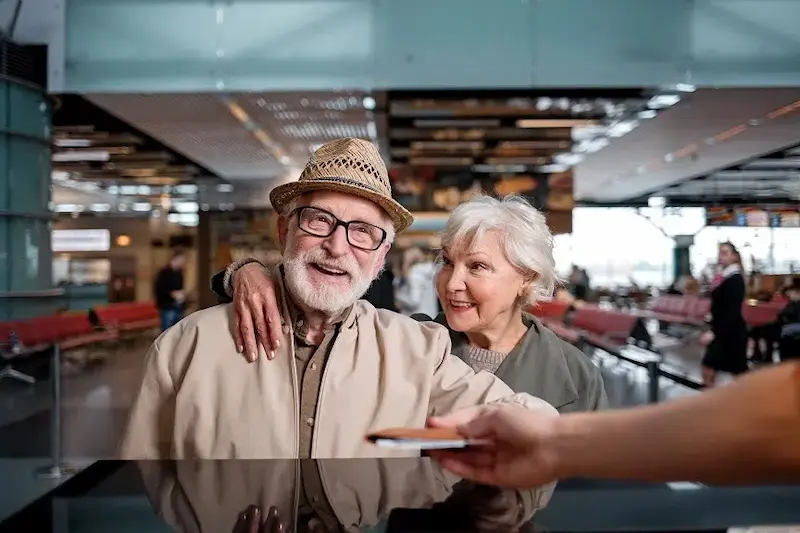
Packing Essentials for Elderly Travelers
These unique necessities can include:
Comfort Items
Bring a travel pillow, sheet and an eye mask to help them make the voyage more comfortable.
Mobility Aids
Make sure you have checked that the walkers, canes or foldable wheelchairs you require are available and meet airline requirements.
Medical Supplies
Other items that should be packed are a first aid kit, hearing aid and batteries (or other such devices that may be required in the journey).
Snacks and Hydration
They should travel light, with healthy snacks and a refillable water bottle so they are able to nibble and drink at their convenience.
Easy-to-Carry Bags
Carry-on should be compact and roll-on along with easily accessible small bags containing medicines and other documents. The medication should placed in the pill organizer, and each section should be clearly labeled to prompt the taking of medicines.
Navigating Airports with Elderly Passengers
Flying is anxiety-inducing and even more so if one is a senior and you have to move through large airports. Understanding, for example, the arrangements at the airport better and knowing the services that range from wheelchair assistance to priority security checkpoints might not be so dreadful. Early arrival is always ideal because one can get to check in for the flight and get screened depending on the airline's required time to get to the boarding zone. Try to find seating areas and lounges to allow for breaks between long walks.
Consider booking meet-and-greet services or fast track services for expedited check-ins and security clearances. You can request airport-provided wheelchairs or mobility aids in advance to avoid last-minute hassle.
That is why, initially, more and more airports also have senior travel services such as separate lounges or escorts. To prevent such compromises, it is important not to lose the connection with such passengers and make them feel that they are not alone at this moment to affect the airport experience of elderly passengers.
On-Board Care Tips for Seniors
Traveling with elderly travelers requires attentive care. It is important to ensure they are moved periodically to promote circulation, especially during long flights or train journeys. Stretching exercises can also be beneficial for alleviating stiffness and maintaining flexibility.
Food and water are other factors that have an implication in safety during travel for seniors. Take water at regular intervals and do not take beverages that contain caffeine and alcohol because they make you lose more water. In case meals are provided, assist with the special diets or actually no diets at all by letting the crew know.
Anybody who feels nervous or traces signs of uneasiness when traveling should engage himself in objects like books, or music, or else, practice vigorous breathing.
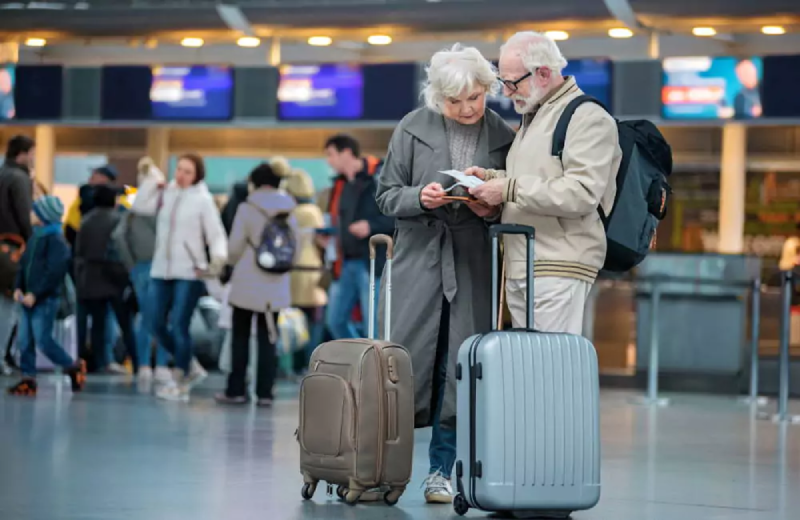
Final thoughts about How to Plan a Safe and Comfortable Journey for Elderly Passengers
How can you plan a safe and comfortable journey for elderly passengers? It is important to identify their key concerns and how to address these needs effectively. From basic health assessments to more serious medical issues, all conditions should be taken into account to ensure their comfort and safety during the trip. By actively participating in trip planning and providing thoughtful recommendations, you can help elderly travelers navigate their journey, creating a memorable and valuable experience for them.
