

Long Thanh International Airport (LTN) is a brand-new, ultra-modern mega-hub designed to serve the Ho Chi Minh City metropolitan area and relieve congestion at Tan Son Nhat (SGN). Built to handle major international transit traffic across Southeast Asia, navigating an overnight layover here means understanding how its single, massive lotus-shaped terminal operates.
This guide covers exactly what to expect during an overnight stay at LTN: how the concourse wings are laid out, which zones stay quietest, how cold it gets indoors, and what to pack to rest comfortably until your next flight.
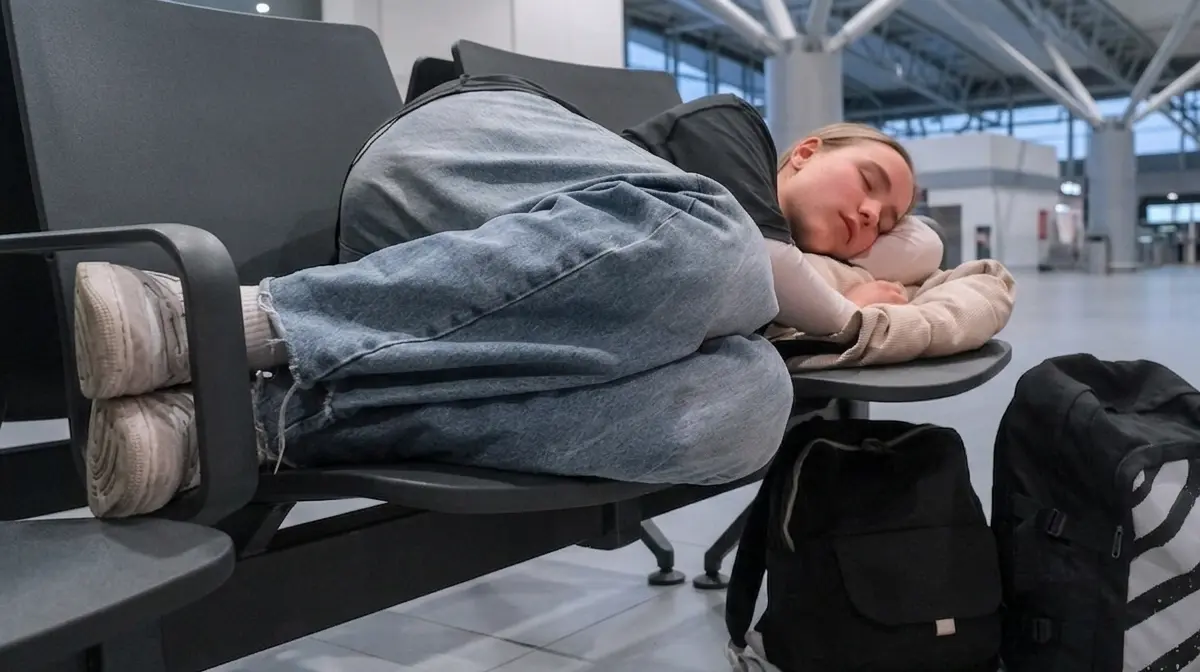
Whether you're connecting through the international or domestic flows, the fundamentals of an LTN overnight stay stay the same: know your security status, pick a quiet wing, and come prepared for the cold.
Security & Terminal Layout Rules
Long Thanh consists of a central main passenger terminal building with extended concourse wings connecting international and domestic passenger flows. Where you can wait overnight, and how far you'll walk to find quiet, depends on which side of security you're on.
Airside (Post-Security)
Passengers holding an onward international boarding pass can remain airside in the secure transit zones, with continuous access to departure gate lounges 24 hours a day.
Landside (Public Halls)
Public departures and arrivals halls stay accessible 24 hours, though staff conduct routine checks and may verify documents between midnight and early morning.
Terminal Scale
The central terminal features long gate wings — walking between opposite ends of the concourse can take 10 to 15 minutes, so plan rest areas near your departure gate.
Because the terminal is so new and vast, check your gate number as soon as it's assigned so you can pick a rest spot within reasonable walking distance.
Top Rest Areas Inside the Terminal (Airside - Post Security)
Central retail plazas and main food court nodes stay lit around the clock. For quiet surroundings, move toward the outer concourse wings or the dedicated relaxation zones instead.
Environment
The extremities of the main concourse wings see lower foot traffic overnight, between international flight banks.
Seating
Wide carpeted floor sections, padded gate seating without rigid armrest dividers, and secluded seating alcoves away from central walking paths.
Environment
Designed specifically for long-layover passengers, these public relaxation zones sit along secondary concourse corridors.
Seating
Ergonomic, semi-reclined lounger chairs, with lower ambient light levels compared to the main retail thoroughfares.
Environment
Secondary departure gate zones on the lower levels of the concourse wings stay quiet overnight once evening regional departures conclude.
Seating
Open carpeted layouts and secluded seating clusters away from the main escalator and elevator banks.
What to Expect Overnight
Before you settle in, here's exactly what an overnight stay at LTN feels like — from the lighting overhead to your late-night meal options.
Lighting & Sound
Main concourses and walkways keep overhead safety lighting 24 hours a day. As a modern hub, announcements are moderated outside peak boarding hours, though periodic updates and maintenance noise continue.
Temperature
Powerful continuous air conditioning manages the tropical heat outside, and indoor temperatures can feel chilly overnight near glass facades and major air vents.
Food & Refreshments
A selection of central cafes, quick-service outlets, and grab-and-go kiosks operate 24 hours a day to cater to overnight transit waves.
Water & Refill Stations
Free drinking water refill stations offering ambient and cold water sit near major restroom blocks across all concourse sectors, so an empty refillable bottle passed through security is one of the smartest things to carry overnight.
Overnight Survival Checklist
Pack light, but don't skip these four essentials — they make the difference between a rough night and a genuinely restful one.
- Eye Mask & Earplugs / Noise-Canceling Headphones — essential for blocking continuous terminal illumination and ambient operational sounds.
- Warm Layering — a hoodie, light jacket or travel blanket is strongly recommended to stay comfortable against heavy indoor air conditioning.
- Portable Power Bank — integrated seat power outlets and USB charging stations are distributed throughout gate areas, but a battery pack lets you rest away from main charging posts.
- Empty Refillable Water Bottle — can be passed through security checkpoints empty and refilled at water dispensers throughout the airside transit zone.