

What Happens During Turbulence: Myths and Facts About Airplane Safety
Those who have ever flown on a plane know that turbulence is as common as the air we breathe. It’s not a fun experience for even the most experienced of travelers—whether it is a small jostle or a larger shake. All the same, disturbances are not rare occurrences in aviation, and understanding what happens during turbulence may go a long way in reducing those fears.
Understanding Turbulence: Causes and Effects
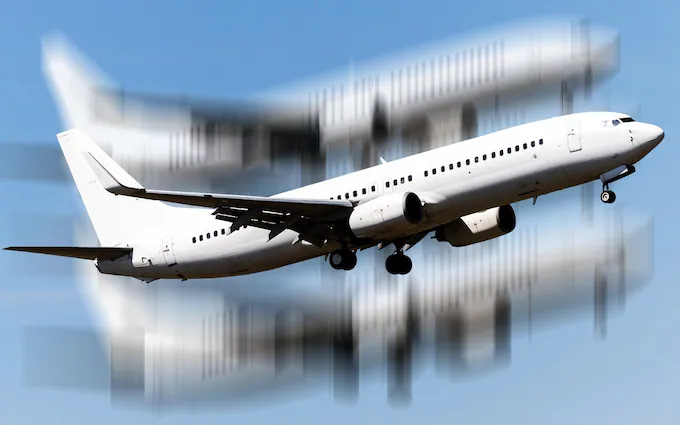
Turbulence is mainly the result of uneven flow of air in the sky, and it is also associated with uneven changes in wind velocities. Turbulence can happen at any time, but most often at the transition zones, jet streams, or during a flight through a stormy area. The shaking you experience inside the cabin is actually the airplane’s response to these turbulent zones, which can cause the plane to sway.
Turbulence, in its different degrees of intensity, produces different impacts. Light refers to the small oscillations that could feel like riding on an almost bumpy road, while moderate can make it seem like major oscillations, which could make the handling of a walk down the aisle difficult. Moderate turbulence is not dangerous, and while slight turbulence makes passengers feel nothing, severe turbulence can make cups of coffee fly all over, and passengers could feel on their seat a sudden jerk or ‘we are falling’ sensation.
Common Myths about Turbulence Debunked
Myth 1: Turbulence can Cause the Plane to Crash
This one is among the biggest phobias that people have when it comes to turbulence. Turbulence is uncomfortable but is not in any way a risk factor to contribute to causing an aircraft crash. Pilots know that they will encounter turbulent air at some point in their careers, and makers of planes create aircraft with frames that can twist and warp under pressure or stress.
Myth 2: Turbulence Is Unpredictable
It sometimes can seem as though you are suddenly in turbulent air, but the pilot receives certain messages from the air traffic control center and weather monitoring equipment that allow him to prepare for the turbulence to come. Some actions that a pilot may take include changing altitude or course in order to seek a layer of air when it is turbulent.
Myth 3: That Turbulence Indicates the Aircraft Is in Distress
Bumps in a flight are less comfortable; however, they do not signify that the plane is at any sort of risk. To be most accurate, it is just a natural air occurrence. Although it can prove uncomfortable, today’s aircraft are designed to handle much harsher conditions than what turbulence involves. Airplane personnel are always prepared to guide it through or avoid the area that has intense turbulence in order to protect the passengers.
Myth 4: Pilots Can Always Avoid Turbulence
Despite pilots’ efforts to avoid it using modern weather radar and information about the turbulent areas received from other aircraft, turbulence cannot be avoided. Climatic conditions can be quite volatile and at times it is impossible to avoid turbulence. However, it is something that the aircraft and its crew are in a position to undertake.
Myth 5: Turbulence Is More Dangerous for Aircraft of Lower Categories
People tend to think that turbulence is dangerous, especially for small planes; however, large and small planes are designed to handle similar levels of stress. Air travelers seem to feel bigger bumps in small planes because of their size and weight but this does not make them less safe.
Myth 6: Clear-Air Turbulence Must Mean Something Went Wrong
Clear-air turbulence is turbulence that is not preceded by clouds, and it may well be invisible to radar. This can often be shocking for a passenger, although it is quite natural, and there is no question of a mistake or a failure. Pilots and aircraft are ready to handle any cases even turbulence that is not expected.
Myth 7: Turbulence Gets Worse at Night
Some passengers avoid flying at night because of a misconception that turbulence is worse during the night. But turbulence does not differentiate between the day and night. The night flights are less Bumpy at times because there is small traffic and few convectional phenomena such as thunderstorms.
Myth 8: Turbulence Is Getting Worse Because of Climate Change
These investigations indicate that with climate change more cases of CAT could be expected in the future, but this does not mean flying is getting a whole lot more perilous in the process. Designing of aircraft, navigation technologies, and pilot training has not stagnated, thus can handle the situation where the intensity of turbulence may rise.
Airplane Safety During Turbulence: What You Should Know
Here are some crucial facts that will help reassure you during your next flight:
Planes Are Built for Turbulence:
This is another important feature because wings should bend, but not break, and this allows the wings to absorb turbulent air stresses.
Turbulence Doesn’t Affect the Plane’s Structure:
Just like tightness may seem uncomfortable in the tummy, it does not harm the plane at all. Aircraft undergo structural tests in an effort to meet the conditions that prevail in worst-case scenarios that are more severe than turbulence.
Pilots Are Well-Trained:
They listen to the weather information and sanctions, and they also learn how to move through stormy regions. They may change the altitude or speed as a means of searching for smoother air to fly in, as this is way more comfortable for the aircraft.
Seatbelts Are Crucial:
In the case of turbulence, never leave your seat or try to work or eat during a bumpy flight without first fastening your seat belt since the seat belt sign is on. This is useful since the passenger’s body can slide under the seat in front of them and protect them from injury in the event that the aircraft violently jerks or drops. As much as possible, one has to make sure that one sits down, especially with regard to maintaining low-impact exercises during the day.
Pilot and Crew Protocols in Turbulence Situations
Here's how they manage turbulence:
Pre-Turbulence Preparation:
The commercial aircraft’s cockpit crew is provided with weather briefings, and they chart their flight to ensure that they do not fly through areas close to known turbulence. If turbulence is encountered on the course, the passengers will be told beforehand, and the crew will suggest that they keep their seat belts on.
Crew Assistance:
They also make sure that all passengers are safe; they offer comfort to those passengers and can even advise some of them to remain calm in case of turbulence.
Tips to Stay Calm During Turbulence
You will find out how some people feel during a turbulent flight and what the possible ways are to remain calm during this. Here are some practical tips:
Remember That Turbulence Is Normal:
This is a good time to note to you that turbulence is an ordinary occurrence during flight and poses no risk. Knowledge of What Happens During Turbulence may reduce your stress level.
Focus on Breathing:
Breathe in and out to help you avoid feeling nervous. Paced, measured breathing affords some alleviation of the physical experience of anxiety and can assist you in remaining oriented throughout the activity.
Distract Yourself:
Read, listen to music, or watch a movie you like, or prefer to do some reading, or you could listen to some music.
Knowledge of what happens during turbulence is a good way to actually decrease the level of stress that a large number of people suffer on a flight. That is turbulence, which is a normal part of flying, and it cannot harm the plane or the people on board. Today’s aircraft are clear to handle instances of turbulence, and more so the pilots employed to fly these aircraft, which makes it quite safe to travel by air. As I know, simply, the best strategies of the people who fly stress-free are to remain calm, to secure the seatbelt, and to believe in the ability of the crew members.
