

The Ultimate Moscow Travel Guide: Expert Tips, Tricks, and Local Secrets
Exploring the Russian capital requires more than just a map; it requires a deep understanding of a city that blends Tsarist grandeur with cutting-edge digital infrastructure. From the historic cobbles of Red Square to the futuristic skyscrapers of Moscow City, this guide provides everything you need to navigate the metropolis like a local.
Local Time
Moscow stays at UTC+3 year-round.
Best Transport
The Metro is faster than any taxi.
Payments
Use local cards or MIR for easy pay.
Safety First
Always carry your original passport.
Strategic Planning: Timing Your Moscow Adventure
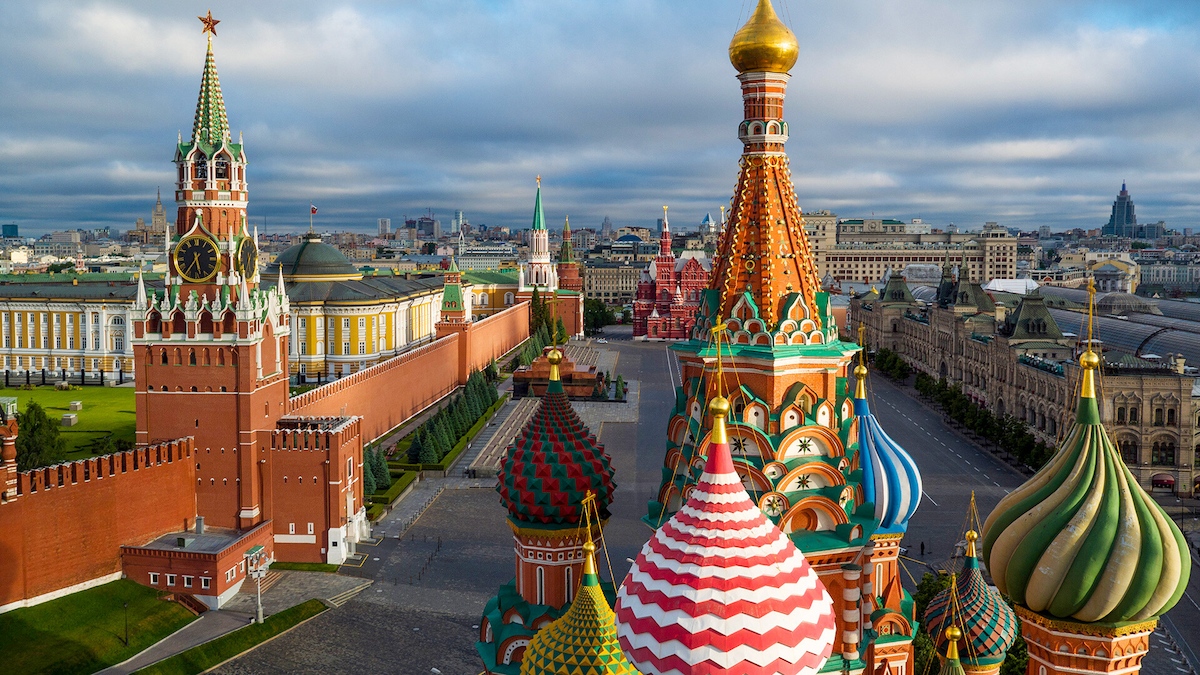
Moscow is a city of extremes, and your experience will differ wildly depending on when you choose to land. The city remains a year-round destination, but timing is essential for coordinating tours and managing expectations. One of the first things travelers must adjust to is the schedule; the current time in moscow russia is Moscow Standard Time (MSK), which is UTC+3. Because Russia does not observe Daylight Saving Time, the time difference with many international cities remains constant, which is helpful for planning your itinerary without worrying about sudden clock shifts.
Spring (April - May): This is arguably the most poetic time to visit. As the snow melts, the city's massive green spaces, Gorky, Zaryadye, and VDNKh, come alive with cherry blossoms and tulip festivals. The air is crisp, and the "Golden Hour" lasts longer, providing photographers with incredible lighting. However, be prepared for "rasputitsa", the muddy season, especially in April, and ensure your footwear is up to the task.
Summer (June - August): The season of "White Nights" offers long days and vibrant nightlife. Be warned: Moscow heatwaves can reach high temperatures, and the humidity can make city exploration tiring. This is when the city's terrace culture and outdoor festivals are at their peak. It is also the busiest tourist season, so expect crowds at major landmarks like the Kremlin and St. Basil's Cathedral.
Autumn (September - October): Often overlooked, the "Golden Autumn" in Moscow is spectacular. The vast parks turn into a sea of orange and yellow. The weather is generally cool and comfortable for walking long distances. By late October, the first frost begins, signaling the approach of the legendary Russian winter.
Winter (November - March): Moscow in winter is a fairy tale. The city is decorated with millions of lights, and ice skating rinks appear in every major square. While temperatures can drop to -20°C, the dry air makes it more bearable than damp European winters. The key is dressing in high-quality thermal layers. This is also the best time for cultural indoor activities, such as opera and ballet.
Transportation Mastery: Navigating the Giant
Moscow is one of the world's largest metropolises, and its transportation network is both a marvel of engineering and an aesthetic masterpiece. To navigate it successfully, you must discard Western expectations and embrace local systems.
The Moscow Metro: An Underground Palace
The Moscow Metro is more than just a way to get from point A to point B. Built during the Soviet era, many stations were designed as "Palaces for the People." Stations like Komsomolskaya, Mayakovskaya, and Kievskaya feature chandeliers, mosaics, and bronze statues. It is incredibly efficient, with trains arriving every 90 seconds during peak hours. To use the system, purchase a Troika Card immediately. This card can be topped up at kiosks or via mobile apps and offers the most efficient fares for all public transport, including buses and trams.
Digital Navigation and Ride-Hailing
Currently, global apps often struggle with local accuracy or payment integration. Yandex Maps is the absolute gold standard here. It provides real-time tracking of buses, detailed layouts of metro exits, and even walking paths through courtyards. For taxis, Yandex Go is your only reliable option. It operates on a fixed-price model, so you never have to worry about being overcharged by a driver. You can choose different tiers, such as "Economy" for short trips or "Business" and "Ultima" for high-end luxury travel in premium sedans.
Airport Transfers: The Aeroexpress Trick
Moscow traffic is legendary for its unpredictability. A taxi from Sheremetyevo (SVO) to the center can take anywhere from 45 minutes to 3 hours. The Aeroexpress high-speed train is the professional traveler's secret. These trains run directly from SVO, DME, and VKO airports to central metro hubs (Belorussky, Paveletsky, and Kievsky stations). They are punctual, clean, and offer free Wi-Fi, ensuring you stay connected and arrive exactly on time.
Sightseeing: From Iconic Landmarks to Hidden Gems
While the Red Square is the heart of Russia, the city's soul is scattered across its diverse districts. A truly comprehensive visit requires balancing the "Big Three" with local hideouts.
The Kremlin and Red Square
The Kremlin is a fortified complex that serves as the official residence of the President, but it is also home to five cathedrals and several museums. The Armoury Chamber is a must-visit, housing the state's treasures, including the Imperial Crown of Russia and an incredible collection of royal carriages. Just outside the walls lies Zaryadye Park, a modern architectural marvel with a floating bridge that offers the best views of the Kremlin skyline.
Moscow City: The Vertical Frontier
For a complete contrast to the historical center, visit Moscow City (the International Business Center). Here, Europe's tallest skyscrapers dominate the horizon. The Federation Tower offers an observation deck on the 89th floor. It is the perfect spot to check the current time in moscow russia as the sun sets and the city lights begin to sprawl across the horizon. There is even an ice cream factory at the top where you can get unlimited samples while enjoying the view.
VDNKh: The Soviet Dream
The Exhibition of Achievements of National Economy (VDNKh) is a massive park featuring pavilions representing the various republics of the former Soviet Union. It is a masterpiece of Socialist Realism. Don't miss the Cosmonautics and Aviation Centre, where you can see the Vostok rocket and learn about the history of the space race. The park is so large that it is best explored by renting a bicycle or using the internal shuttle buses.
Cultural Etiquette and Local Life
Understanding the local social fabric is the difference between being a tourist and being a guest. Moscow is a city of high standards and deep-rooted traditions.
Dining and Gastronomy
The culinary scene in Moscow has experienced a revolution. While you must try traditional Borscht and Pelmeni, the city's modern dining is where the real excitement lies. Restaurants like White Rabbit (often ranked among the world's best) offer a futuristic take on Russian ingredients. For something more casual, explore the Danilovsky Market, where you can find everything from Uzbek plov to Vietnamese pho in a trendy, high-end market setting. Caucasian cuisine; specifically Georgian and Armenian, is extremely popular and often considered the "comfort food" of Muscovites.
Payments and the Cash Reality
Moscow is one of the most digitally advanced cities in the world, yet international travelers face unique challenges. Currently, many Western credit cards are not accepted. You must carry cash (USD or EUR) to exchange at local bank branches. Once you have local currency, you can often apply for a "Tourist Card" or use a local digital wallet. Always check the current time in moscow russia before planning a trip to a bank, as they often have specific hours for currency exchange and can be crowded on Friday afternoons.
The Russian "Reserved" Nature
A common misconception is that Muscovites are unfriendly. In reality, public life is simply more formal. Smiling at strangers on the street is not common, but once you enter a home or a social setting, the hospitality is overwhelming. Learning basic phrases like "Zdravstvuyte" (Hello) and "Spasibo" (Thank you) will drastically improve your interactions. Also, be aware of the dress code; Muscovites take great pride in their appearance, especially when visiting theaters, high-end restaurants, or churches.
Moscow Itinerary Comparison Table
| Traveler Profile | Top Sight | Hidden Gem | Primary Focus |
|---|---|---|---|
| Budget Adventurer | VDNKh Park | Izmailovo Market | Outdoor & History |
| History & Arts Buff | The Kremlin | Bunker-42 Cold War Museum | Museums & Heritage |
| Luxury & Lifestyle | Moscow City Towers | Patriarch's Ponds | Dining & Skyline |
| Family Travelers | Moscow Zoo | Nikulin Circus | Active Entertainment |
Health, Safety, and Connectivity
Moscow is safer than many major Western capitals, with a massive security presence and very low rates of petty crime against tourists. However, it is a city that follows strict rules. You should always carry your original passport, visa, and the migration card you received at the border. Police checks are rare but possible, and having your documents ready ensures a quick and polite interaction.
For connectivity, don't rely on roaming. Purchase a local SIM card (MTS, Megafon, or Beeline) at the airport or any street kiosk. For a standard fee, you get massive amounts of data, which is essential for using the translation and map apps mentioned earlier. Public Wi-Fi is available in the metro and parks, but usually requires a Russian phone number for SMS authentication.
Frequently Asked Questions (FAQ)
Comprehensive Travel Insurance
Secure your Moscow trip with worldwide health & cancellation coverage.
