
The Moscow Metro is one of the largest and most impressive subway systems in the world. Opened in 1935, it has become an essential part of daily life in the Russian capital. Today, millions of passengers use the metro every day because it is fast and affordable. The subway is also a stunning architectural attraction. Many stations feature beautiful mosaics, grand chandeliers, and sculptures.
Overview of the Moscow Metro System
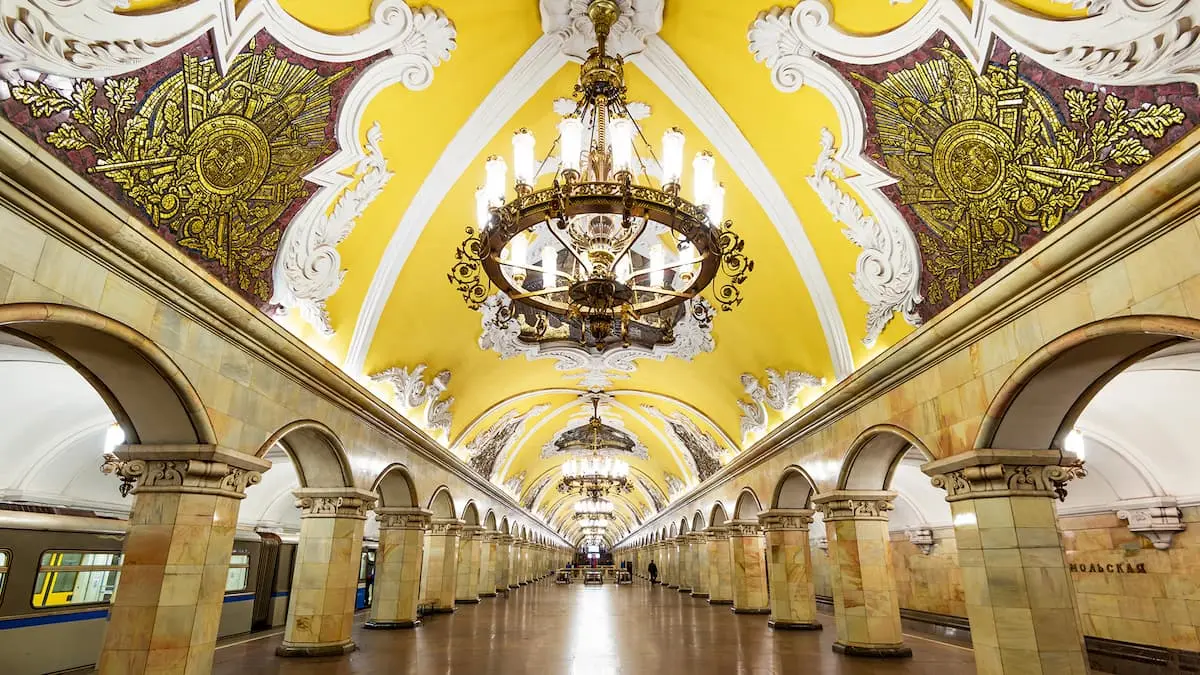
The Moscow Metro is one of the busiest and most efficient systems globally. The network currently consists of more than 15 lines and over 250 stations that cover most parts of the city. Trains arrive frequently, usually every two or three minutes. During peak hours, they are even more frequent, making daily commuting extremely easy. Many stations sit deep underground. You will often reach them via long escalators. The system is famous for being punctual, fast, and reliable. This makes it the top choice for both locals and visitors.
Moscow Metro Map and Main Lines
The Moscow Metro system is organized in a radial and circular structure. Many lines extend outward from the city center. The famous Circle Line connects these main routes. It makes transferring between lines very easy. This line is perfect for tourists because it links major railway stations and central districts. The metro map may look complicated at first, but it is easy to understand after a few rides. Most stations display maps and route info to help you find your way.
Moscow Metro Tickets and Payment Options
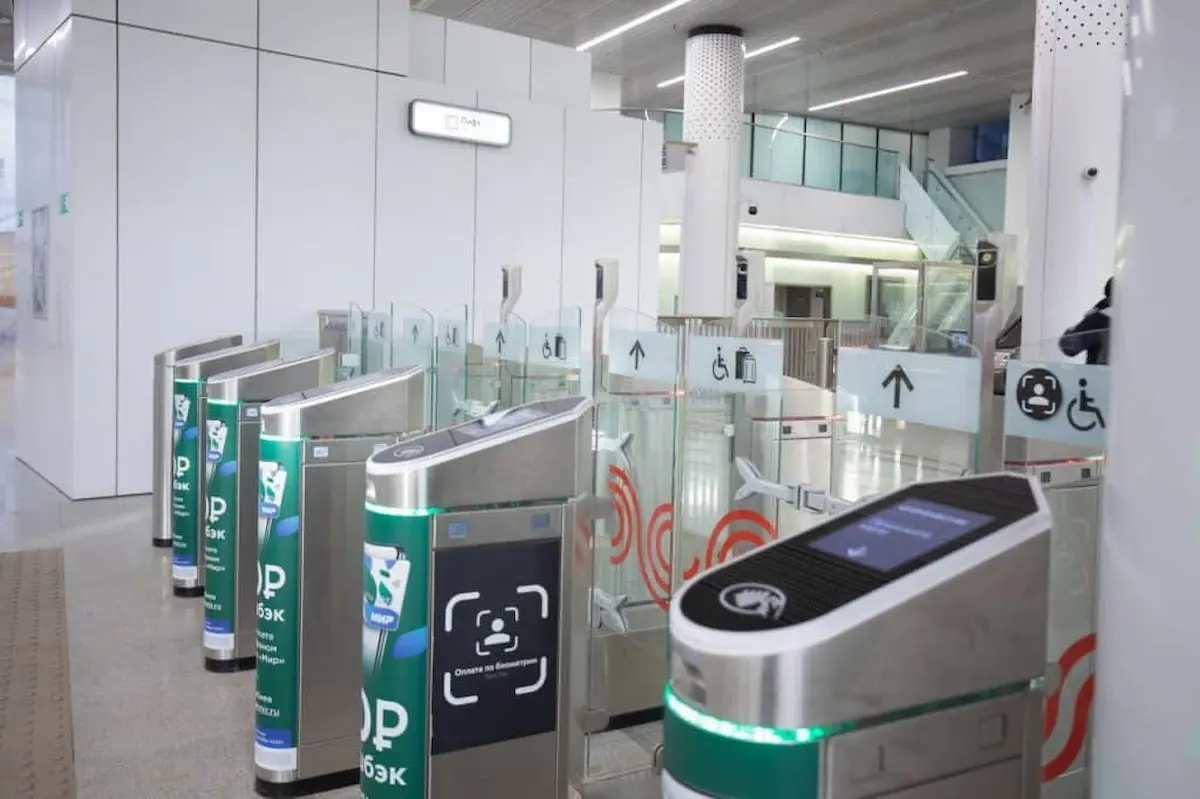
Traveling on the Moscow Metro is simple and cheap. You have several ticket options. The Troika Card is the most popular choice. It is a rechargeable card you can use on the metro, buses, and trams. Both locals and tourists prefer it because it lowers the cost per trip. You can also buy single-ride tickets at station machines. If you stay for several days, try the unlimited travel passes. These are valid for a fixed period and make getting around much easier.
How to Use the Moscow Metro: Step-by-Step
Using the Moscow Metro is relatively straightforward even for first-time visitors:
- First, passengers need to buy a ticket or a Troika Card from the ticket machines or service desks inside the stations.
- After purchasing the ticket, travelers pass through the turnstiles to enter the metro area.
- Clear signs then guide passengers to the correct platform according to the metro line and direction they need.
- Trains arrive frequently, and passengers can check route information inside the train as well.
- Once the destination station is reached, visitors simply follow the exit signs that lead to the street or nearby landmarks.
Most Aesthetic Moscow Metro Stations
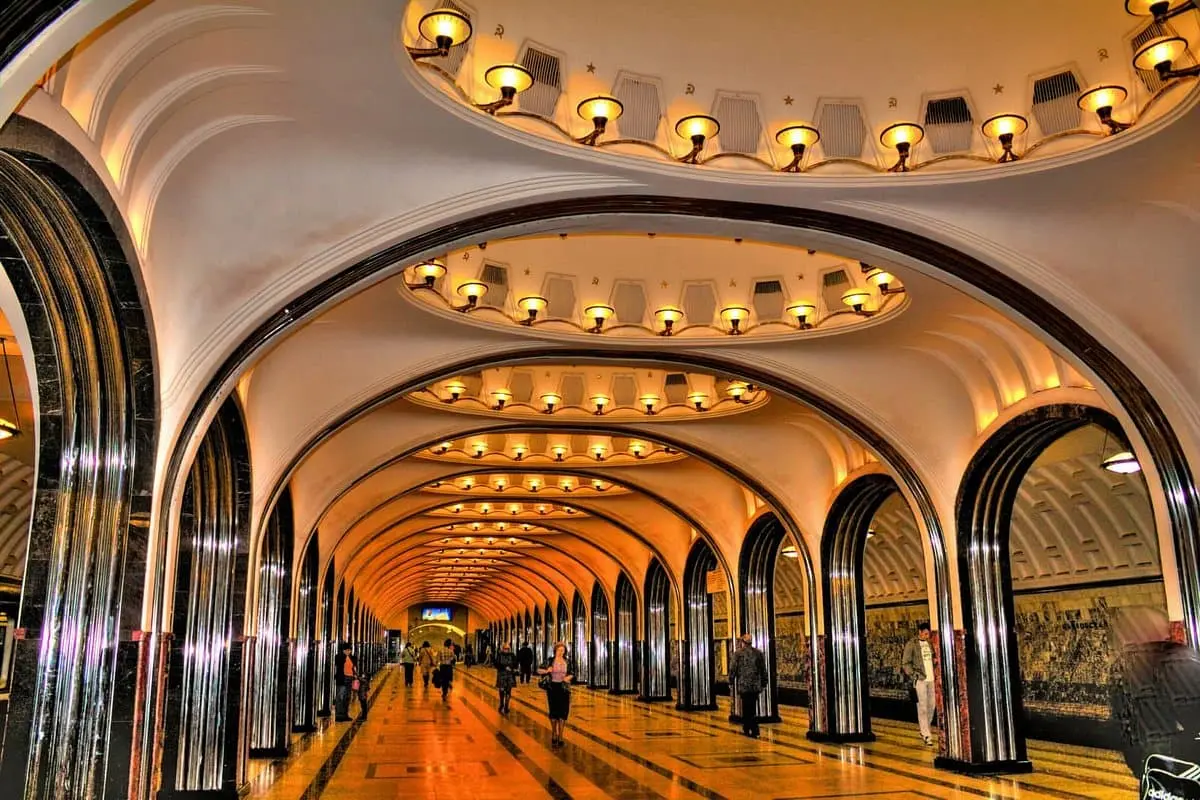
Many Moscow Metro stations are famous for their impressive architecture and artistic decorations. Komsomolskaya Station is a great example. It is famous for its grand chandeliers and golden mosaics depicting Russian history. Mayakovskaya Station is another favorite. It features an elegant Art Deco style with ceiling mosaics of Soviet aviation. Don't miss Novoslobodskaya, which has colorful stained-glass panels that look like cathedral windows. Ploshchad Revolyutsii is another popular stop. Visitors love its bronze statues of Soviet citizens. These unique designs make the Moscow Metro one of the most visually stunning subway systems in the world.
Hidden Secrets and Insider Tips
Beyond its speed and beauty, the Moscow Metro is full of fascinating secrets. At Ploshchad Revolyutsii, you will see locals rubbing the shiny bronze nose of a frontier guard’s dog for good luck. Joining this tradition is a must for any traveler!
If you want to experience the sheer scale of Soviet engineering, make sure to visit Park Pobedy Station. It is one of the deepest subway stations in the world, plunging nearly 84 meters underground. The escalator ride takes about three minutes. It gives you a great sense of the city's massive underground structure.
Staying connected is easy too. The Moscow Metro offers high-speed free Wi-Fi (MT_Free) on all lines. You can check your map or share station photos instantly. Also, listen closely to the announcements. A male voice usually means the train is going toward the city center. A female voice means you are heading away from the center. On the Circle Line, male voices mean you are traveling clockwise. This trick helps you navigate like a local without even looking at your phone.
Useful Tips for Tourists
Tourists using the Moscow Metro should keep a few practical tips in mind. First, it is best to avoid rush hours, which usually occur between 7-10 AM and 5-7 PM, as trains and stations become very crowded. Downloading a metro map or using navigation apps like Google Maps can also help travelers find the correct routes more easily. Central stations usually have English signs, but some information is only in Cyrillic. Keep a close eye on the station names as you travel. Finally, passengers should always keep their ticket or card until they exit the metro system.