

Paris Charles de Gaulle Airport (CDG) is one of Europe's largest and most sprawling hubs, built around three main terminal complexes and a maze of sub-terminals. It's a genuinely confusing airport to navigate at the best of times, and an overnight layover only raises the stakes on picking the right spot early.
Here's a clear-eyed look at spending the night at CDG: when the checkpoints go dark, why you can't always transfer freely between sub-terminals, which halls actually settle down, and what belongs in your bag before the shops close.
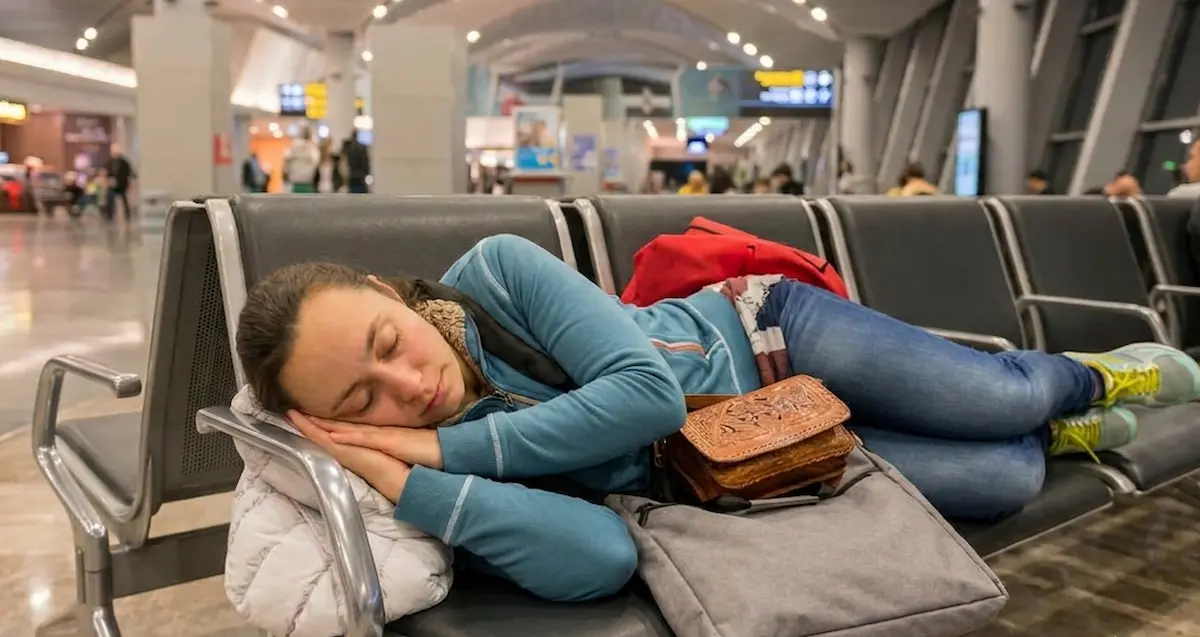
Whether you're routed through Terminal 2E or the older Terminal 1, the overnight approach is the same everywhere: lock in your security status early, find a quiet hall, and layer up against the AC.
Security & Terminal Layout Rules
CDG splits into Terminal 1, Terminal 2 (broken further into sub-terminals 2A through 2G), and Terminal 3 for budget carriers. With this many sub-divisions, it pays to know exactly where the boundaries between them actually sit overnight.
Airside (International Transit)
Arrive on an international connection with an onward boarding pass, and you can settle into the transit zone overnight without any trouble.
Landside (Public Halls)
The public halls stay open around the clock, but border police and security patrol regularly, checking passports and morning boarding passes as they go.
Getting Between Terminals
The CDGVAL shuttle links all three terminals landside, all day and night. Airside, though, transfers between sub-terminals pause once the overnight security gates shut.
Because airside links between sub-terminals stop working overnight, settle into your specific hall — not just your terminal — before the checkpoints close around 10:30–11:00 PM.
Top Rest Areas Inside the Terminals (Airside - Post Security)
The duty-free avenues and central plazas keep the lights on and the maintenance crews moving all night. Skip those halls and head toward the areas built for actual rest.
Environment
The main hub for Air France and SkyTeam long-haul flights. Halls L and M are modern and spacious, with foot traffic thinning out considerably once the evening's international departures leave.
Seating
Dedicated relaxation areas with ergonomic, semi-reclined lounge chairs, wooden rest benches, and wide carpeted gate alcoves.
Environment
Recognizable by its glass-roofed concourse, this hall clears out fast after domestic and European flights wind down past 10:30 PM.
Seating
Quiet seating clusters and carpeted floor alcoves near the secondary gates, out toward the far ends of the peninsula concourses.
Environment
A distinctive circular building with underground moving walkways leading out to satellite gate concourses at the edges.
Seating
Padded gate seating, quiet corner alcoves away from the central escalator tube, and lower ambient noise once you reach the satellite ends.
What to Expect Overnight
Once you've settled somewhere, here's the rest of the picture — the light you can't escape, the chill that settles in, and your (limited) food options.
Lighting & Sound
The main avenues, plazas, and gate lounges never go dark for safety reasons. Expect multilingual safety notices, flight updates, and the occasional floor scrubber overnight.
Temperature
Climate control runs nonstop, and the big glass concourses of 2E, 2F, and the central tubes of Terminal 1 pick up a real chill once temperatures drop outside.
Food & Refreshments
Cafes and duty-free shops close by 10–10:30 PM and don't reopen until 5:30 AM, leaving vending machines near the gate clusters as your best bet overnight.
Water & Refill Stations
Free refill stations and fountains sit near the major restroom blocks airside, so an empty bottle through security beats paying for water once you're past the gate.
Overnight Survival Checklist
Four small items stand between a genuinely restful night and a long, uncomfortable wait for the shops to reopen.
- Eye Mask & Earplugs / Noise-Canceling Headphones — the overhead lighting never lets up, and there's always a broadcast running somewhere in the terminal.
- Warm Layering — a hoodie, heavy sweater or light blanket handles the cool AC and the drafts along the floor.
- Portable Power Bank — outlets exist throughout gate seating, but a battery pack lets you settle wherever it's actually quiet.
- Empty Refillable Water Bottle — carry it dry through security and fill it up at any airside dispenser.