

The Top 10 Istanbul Historical Sites to See
Istanbul is a city at the intersection of Europe and Asia that has accumulated an impressive cultural experience in the last centuries. For more than 1500 years it has been the capital city of three of the largest empires in the world for Empire: the Byzantine Empire, the Roman Empire, and the Ottoman Empire. Istanbul has become a city-esque museum and a unique opportunity for tourists to experience the greatness of ancient ages. This guide aims to present the best historical sites in Istanbul, in order to inform the reader of the major role which was played by Istanbul as a capital of the two empires dividing the East and the West.
1. Hagia Sophia
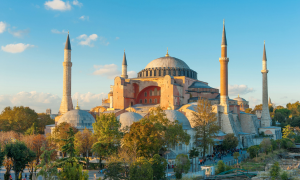
To this day Hagia Sophia remains a symbol of this ancient history of Istanbul as a crossroad between Eastern and Western civilization. Originally built by Byzantine emperor Justinian in 537 as an authentic first great Christian basilica then becoming an Ottoman mosque after the conquest of Constantinople in 1453. It was later reinvented as a museum during the twentieth-century restoration, and then again in recent decades it has been reverted back into a mosque but is open to people of all faiths.
Visitors often marvel at the astounding dome that seems to float above, created through Byzantine engineering. Inside its vast interior is decorated with intricate mosaics depicting Christian iconography alongside Islamic calligraphy and symbols that display Istanbul's religious evolution. Don't miss its famous "Weeping Column", said to have healing powers, or mosaics depicting Christ, Mary Virgin, or Byzantine Emperors!
2. Topkapi Palace
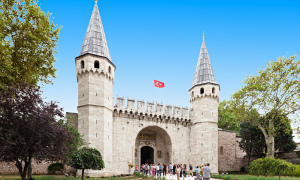
Topkapi Palace stood upon a hill overlooking the Bosphorus Strait for nearly 400 years, and Ottoman Sultan Mehmed II built it as their residence and administrative center for nearly 400 years. A stunning example of Ottoman architecture with exquisite rooms, courtyards, and gardens for entertainment. Topkapi's halls tell tales of imperial life, power, and intrigue while its harem provides insights into their private lives as sultans shared it among themselves and their families.
This Palace is filled with treasures, from jewel-encrusted thrones to the Topkapi Dagger in its Imperial Treasury, to its "Harem" section which contains quarters for the Sultan's family and concubines as well as its "Sacred Relics Room which houses religious artifacts deemed significant - said to include what some consider Prophet Muhammad's sword - along with much more!
3. The Blue Mosque (Sultan Ahmed Mosque)
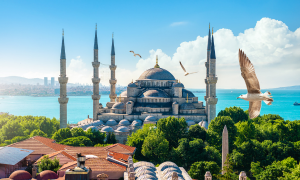
Just across from Hagia Sophia stands the Blue Mosque - one of the world's most stunning and historically significant mosques. Commissioned by Sultan Ahmed I in the early 17th century to rival Hagia Sophia in terms of grandeur and beauty, its construction featured thousands of blue Iznik tiles for an airy, tranquil appearance within. Now serving as both a place of worship and an Ottoman architectural marvel it features six towering minarets and cascading domes that add charm.
This exquisite interior, boasting over 20,000 hand-painted tiles, makes an unforgettable impression. The striking central dome, with smaller half domes encasing it and intricate calligraphy on the walls, highlights Islamic art at its best; while outside, a spacious courtyard and fountain serve as perfect spots for photos.
4. Basilica Cistern
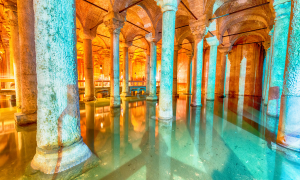
Hidden from the tourist circuits, you can stretch your neck in Istanbul and glance down to the Basilica Cistern, an underground Byzantine water reservoir built in the 6th century. Known as the ‘Sunken Palace’ this subterranean wonder has a storage capacity of between 80, 000 cubic meters and contains 336 marble columns which include recycled material from the Roman era.
This cistern is most famous for its iconic Medusa heads that serve as bases for two columns and are used to add ancient mystery and intrigue. Dim lighting adds another mysterious layer to this experience and visitors may also spot carp swimming peacefully through shallow pools nearby.
5. Hippodromе of Constantinoplе
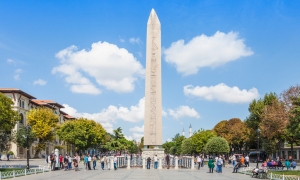
The Hippodrome, now commonly referred to as Sultanahmet Square, served as an arena for social and sporting activities in ancient Constantinople. Established by Emperor Septimius Severus and expanded upon by Emperor Constantine, this vast arena hosted events like chariot races, political gatherings, grand celebrations, as well as grand monuments that give hint to its former grandeur. Though most of its original structures have since vanished into history books or have fallen apart entirely over time - its former grandeur can still be experienced through several intriguing monuments that remain as reminders of its former grandeur!
Surviving artifacts in the area include the Obelisk of Theodosius from Egypt, dating back to 1500 BC, and the Serpent Column, which was originally located at the Temple of Apollo in Delphi. The German Fountain, a gift from Kaiser Wilhelm II, is another notable feature. The remnants of the Hippodrome serve as popular meeting spots for both locals and visitors. Additionally, the German Fountain stands out as a significant landmark. The ruins of the Hippodrome provide valuable insights into the Roman history of the surroundings, making these sites enjoyable for tourists and locals alike.
6. Galata Tower
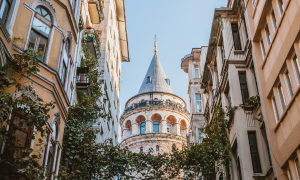
As it towers high over the Galata district in Istanbul, the medieval Galata Tower provides spectacular panoramic views. Constructed during the Genoese occupation of the Galata district in 1348 their tower served as a lookout, prison, and observatory - it remains popular today and provides stunning panoramas both of the historic peninsula as well as Bosphorus Strait.
Visitors to the tower can ascend it for an expansive 360-degree panorama that showcases iconic sites like Hagia Sophia, Topkapi Palace, and Bosphorus Bridge. It features an eye-catching medieval appearance owing to its conical roof and ancient stone walls; popular among photographers. There's even a cafe and restaurant on site where they can sit back with lunch or coffee and admire their view.
7. Chora Church
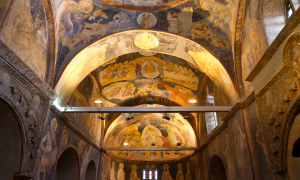
Nestled away in the Edirnekapi neighborhood is Chora Church; an exquisite Byzantine masterpiece known for its breathtaking mosaics and frescoes dating back to 4th-century Christianity as a Christian monastery before later converting into a mosque and finally museum status over time. Offering more intimate experiences compared to Hagia Sophia, visitors are given more time to appreciate intricate artwork up close here.
The Chora Church stands as one of the finest examples of Byzantine art, boasting frescoes and mosaics depicting scenes from Christ's life as depicted through Mary. Of particular note are frescoes depicting His Resurrection with Adam and Eve erupting out from their tombs to welcome Christ; also, mosaics in its dome depict His genealogy - offering visitors a rare look into this genre's artistic flourishment. This artwork provides a rare insight into Byzantine artistry at its peak.
8. Dolmabahce Palace
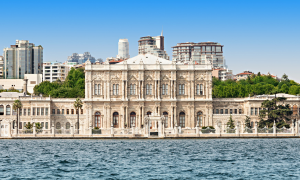
Built during the 19th century along the Bosphorus shore, Dolmabahce Palace stands as an iconic representation of the Ottoman Empire's final phase and acceptance of European architectural styles. Commissioned by Sultan Abdulmejid I for use by him and subsequent Ottoman Sultans, Dolmabahce replaced Topkapi Palace as their residence; today its lavish interiors blend both Ottoman and European influences in grand halls and luxurious rooms that delight visitors to Istanbul.
The palace features one of the world's largest crystal chandeliers weighing 4.5 tons and hanging in its ceremonial hall, as well as one of the Crystal Staircases made out of Baccarat crystal, brass, and mahogany - another architectural wonder! Other highlights of note at this palace include the Sultan's private quarters; majestic gates overlooking the Bosphorus; a Harem section where the royal family lived; and meticulous gardens outside that provide picturesque views across the Bosphorus.
9. Suleymaniye Mosque
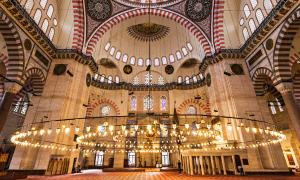
Suleymâniye Mosque was constructed by a famous Ottoman architect, Mimar Sinan for Sultan Suleiman the Magnificent during the 16th Century. Famous for the big scale yet aesthetical proportions of carved ornamented buildings and being one of the most clearly defined specimens of the classical Ottoman architecture the construction lies on one of the seven hills of Istanbul.
The interior of this mosque is spacious and serene, featuring high domes with stained-glass windows that gleam. Outside are tombs belonging to Suleiman and his wife Hurrem Sultan as well as Mimar Sinan himself; its complex also contains libraries, hospitals, and a kitchen that once fed food directly to those less fortunate; its gardens and terraces provide stunning views of Golden Horn making this an excellent location for photography enthusiasts.
10. The Wall of Constantinople
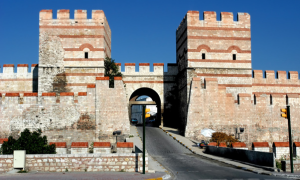
The Walls of Constantinople, also known as Theodosian Walls, were constructed during Emperor Theodosius II's rule in the 5th century to protect his city against invaders and lasted for nearly 1,000 years until their demise due to the Ottoman conquest in 1453. Today, remnants can still be seen all across Constantinople with sections still standing and accessible for exploration.
Visitors to Edirnekapi Gate will find some of the most intact sections of walls around them; here they can climb and stroll the ramparts for impressive views while passing towers and gates that once made up part of city defense lines. Among these towers and gates is the now-closed Golden Gate, known for providing Byzantine Emperors with an entranceway after victory had taken place - it offers visitors the unique chance to walk back through centuries of history while experiencing old city boundaries directly.
