

Beauty Culture in East Asia
One of the first things travelers notice upon arriving in Seoul is how polished and stylish the people are. In South Korea, beauty is not just about appearance; it’s a deeply rooted cultural value. From flawless “glass skin” to precisely shaped brows and natural-looking makeup, beauty standards are an everyday norm, especially among the youth. In areas like Gangnam and Myeongdong, you’ll find countless skincare shops, aesthetic clinics, and beauty influencers live-streaming reviews. In Korea, appearance is not just appreciated; it’s often expected.
The Korean Secret to Beauty: Tradition, Innovation, and Social Pressure
What makes Korea a standout in the global beauty scene is its unique mix of traditional values, modern innovation, and strong societal expectations. The famous “10-step skincare routine” is now popular around the world, but in Korea, it’s a daily ritual. Skincare starts as early as high school, and men are just as involved as women. Here, beauty is a sign of self-respect and a way to fit into a visually conscious society. It’s not just self-care; it’s social care, too.
Plastic Surgery Capital
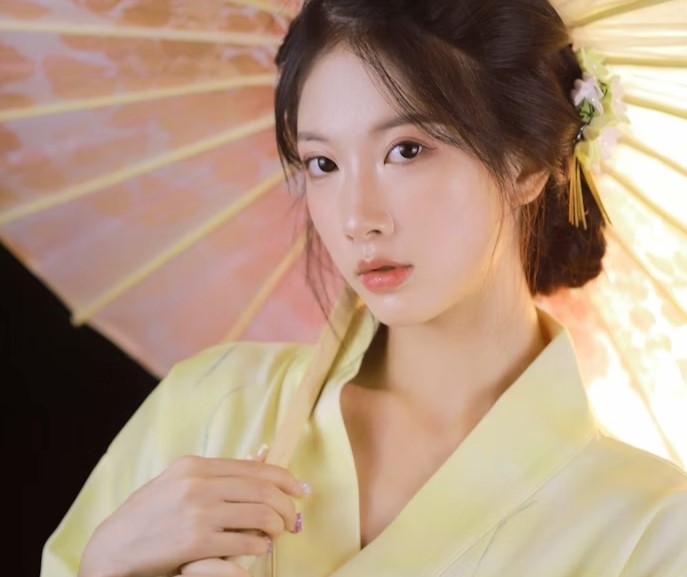
When it comes to beauty in Korea, plastic surgery is a major topic. Seoul is often called the “plastic surgery capital of the world,” offering everything from double eyelid surgery to jawline reshaping. While cosmetic procedures might be hush-hush in the West, in Korea they’re seen as normal. Many high school graduates even receive surgery as a graduation gift.
You’ll often see ads like these across the city:
- 👩⚕️ “Reshape your nose in just 15 minutes!”
- ✨ “Perfect jawline packages - now 30% off!”
- 📍 “Exclusive Gangnam aesthetic bundles!”
For many Koreans, it’s not about changing who they are, but enhancing their natural features.
The Deeper Meaning of Beauty
In countries like South Korea, Japan, and China, beauty isn’t just about looks; it’s tied to social values like discipline and success. Fair skin, for example, is linked with purity and high social status, a belief that goes back to historical class systems.
Core beauty ideals include:
- 🌸 Clear and light skin = Cleanliness and elegance
- 🧍♀️ Slim body = Self-control and discipline
- 😌 Natural look = Innocence and youth
Korean Makeup Trends: Soft, Natural, and Idol-Inspired
Unlike bold Western makeup styles, Korean makeup focuses on a softer, more youthful look. It’s all about looking fresh, gentle, and camera-ready without looking like you’re trying too hard. Popular trends include:
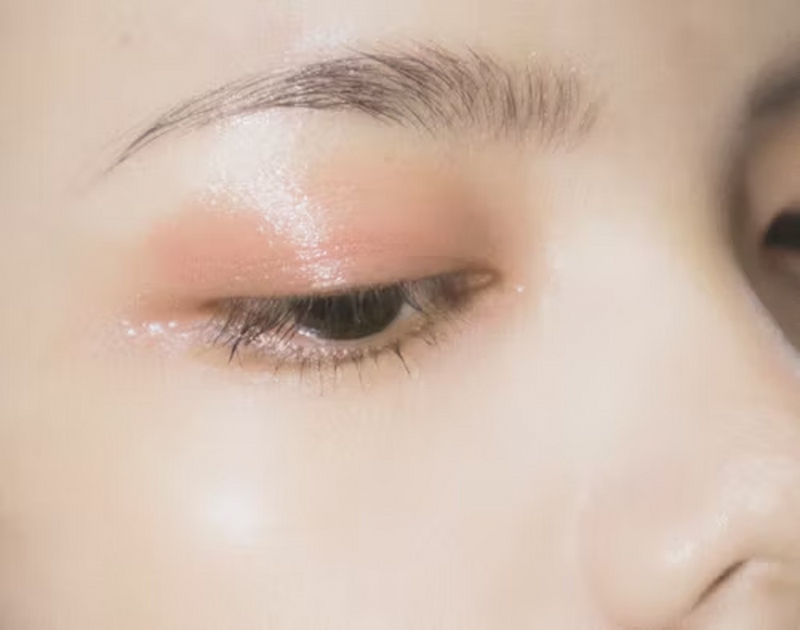
- 💧 Dewy skin with a natural glow
- 💋 Gradient lips (two-tone shading)
- 🖌️ Minimal contour and subtle eye colors
- 👀 Eye-enlarging mascara and circle lenses
Much of this inspiration comes from K-pop idols and K-drama celebrities, shaping beauty standards across Asia and beyond.
A Critical Look: The “Escape the Corset” Movement
Not everyone in Korea agrees with rigid beauty norms. Movements like “Escape the Corset” push back against the pressure to wear makeup, undergo surgery, or meet specific standards. These activists demand more freedom and diversity in how beauty is defined.
Key messages of the movement include:
- 💄 “Makeup should be a choice, not a rule.”
- 🧠 “Talent matters more than appearance.”
- ✨ “I’m beautiful just as I am.”
These voices are starting to reshape the cultural conversation, encouraging younger generations to think differently.
Beyond Trends: The Meaning of Beauty in Korea
South Korea’s approach to beauty is rich, complex, and ever-evolving. From skincare routines and surgery to fashion trends and social activism, beauty offers a unique window into Korean culture. Tourists often leave not just with new products in their bags, but with a new outlook in their minds. In Korea, beauty isn’t optional; it’s a lifestyle. And the most inspiring part is how this culture continues to grow, shift, and redefine itself.
