

Seoul is a city where the past and present beautifully blend, and one of the best ways to experience its vibrant culture is by exploring its traditional markets. These lively spots are more than just places to shop—they’re where locals gather, flavors come alive, and centuries-old traditions still shape daily life. Whether you're hunting for unique souvenirs, tasting authentic Korean street food, or simply soaking in the atmosphere, Seoul’s traditional markets offer an unforgettable glimpse into the heart of the city. Here are ten of the best traditional markets in Seoul you won’t want to miss.
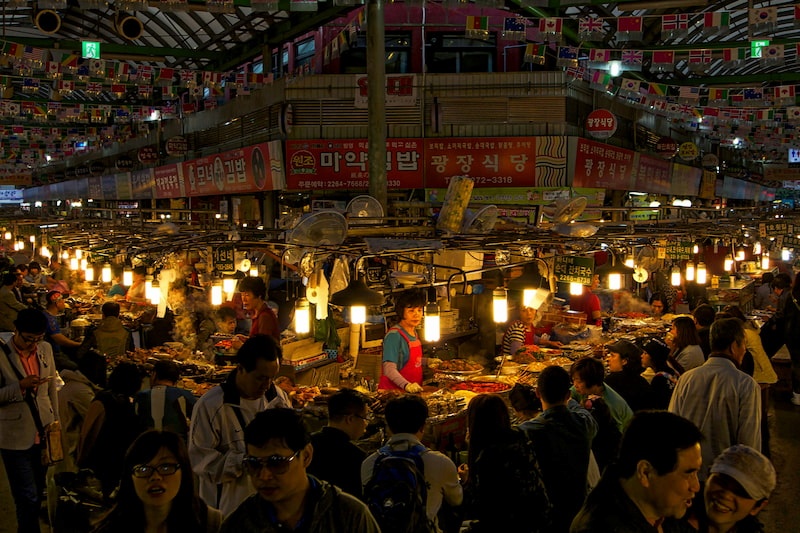
1. Namdaemun Market
Namdaemun Market is the oldest and largest traditional market in Seoul, operating since the 15th century. This vibrant market is packed with street food stalls, clothing shops, accessories, home goods, and more. It’s a bustling place where locals and tourists come together to shop and taste authentic Korean snacks.
- Location: Near Hoehyeon Station (Line 4), Exit 5
- Price Range: Very affordable; street food from $1–$5
- Opening Hours: 24 hours, most active from early morning to late evening
- How to Get There: 2-minute walk from Hoehyeon Station
- Tip: Visit early in the morning to experience wholesale shopping and beat the crowds
2. Gwangjang Market
Operating since 1905, Gwangjang is famous for its unforgettable food offerings—blood pancakes, raw beef, and spicy rice cakes. Upstairs, you’ll find stalls offering silk, satin, and handmade hanbok.
- Location: Near Jongno 5-ga Station (Line 1), Exit 8
- Opening Hours: 9 AM–6 PM (food stalls open until 8 PM)
- Price Range: Dishes range from ₩2,000–8,000 ($1.50–6)
- How to Get There: 3-minute walk from the subway
- Tip: Visit around noon for peak local dining atmosphere
3. Dongdaemun Market
A 24/7 fashion hub, Dongdaemun is perfect for bulk clothing shoppers and night owls. Explore retail malls, street stalls, and pop-up shops for trendy plus wholesale-priced garments.
- Location: Dongdaemun History & Culture Park Station (Lines 2, 4, 5), Exit 14
- Opening Hours: 24 hours; best bargains after 10 PM
- Price Range: Clothing from ₩6,000–60,000 ($4.50–45)
- How to Get There: Direct subway access
- Tip: Look for fashion samples and flash sales at night
4. Tongin Market
Tongin has a charming twist: buy brass coins at the entrance to sample dishes at various stalls, creating your own custom lunchbox.
- Location: 10-minute walk from Gyeongbokgung Station (Line 3), Exit 2
- Opening Hours: 11 AM–5 PM; closed Mondays
- Price Range: Dosirak box costs ₩6,000–8,000 ($4.50–6)
- How to Get There: Near major tourist attractions—easy to combine with sightseeing
- Tip: Arrive early—coins can sell out quickly
5. Noryangjin Fish Market
For seafood lovers, Noryangjin is heaven. Buy your fresh catch and take it upstairs to have it cooked the way you like.
- Location: Near Noryangjin Station (Line 1), Exit 1
- Opening Hours: 24 hours; auctions from around 3–5 AM
- Price Range: ₩12,000–40,000 per person ($9–30)
- How to Get There: Accessible through an underground walkway
- Tip: Pick your seafood downstairs, then negotiate cooking service upstairs
6. Majang Meat Market
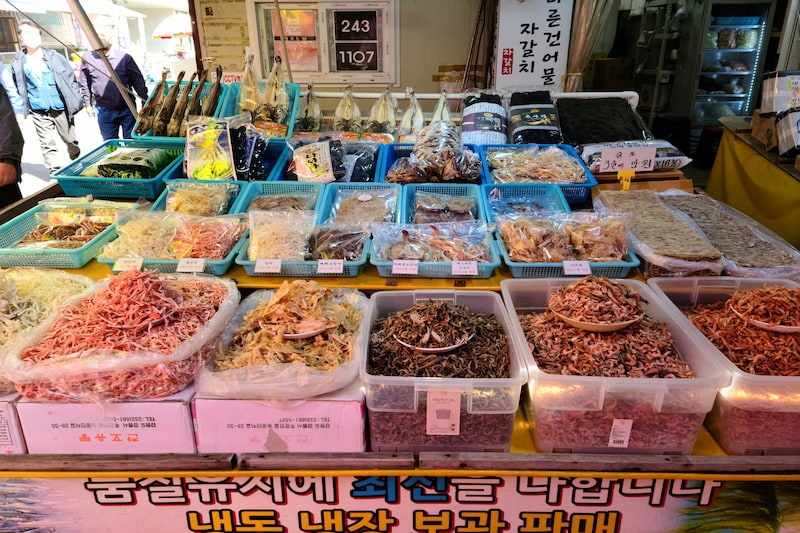
As Seoul’s largest meat wholesale hub, Majang offers rare Korean beef cuts at competitive prices. It’s ideal for food enthusiasts and chefs.
- Location: Near Majang Station (Line 5), Exit 2
- Opening Hours: 3 AM–10 PM daily
- Price Range: ₩25,000–70,000 per kg ($19–50)
- How to Get There: 5-minute walk from the subway
- Tip: Some vendors allow tasting small samples before purchase
7. Mangwon Market
A trendy local market loved by young Seoulites, Mangwon offers fresh produce, innovative pastry shops, and Instagram-worthy street foods.
- Location: Near Mangwon Station (Line 6), Exit 2
- Opening Hours: 9 AM–8 PM daily
- Price Range: Snacks ₩1,000–5,000 ($0.75–3.75)
- How to Get There: Easy access via Line 6
- Tip: Try seasonal fusion pastries from indie stalls
8. Bangsan Market
Bangsan is the go-to spot for hobbyists and small business owners, offering baking supplies, gift wrapping, and craft materials in countless varieties.
- Location: Near Euljiro 4-ga Station (Lines 2 & 5), Exit 6
- Opening Hours: 8:30 AM–6:30 PM (closed Sundays)
- Price Range: ₩500–20,000 ($0.40–15)
- How to Get There: 3-minute walk from the station
- Tip: Great destination for café owners seeking packaging solutions
9. Seoul Yakryeong Market
This specialist market focuses on traditional Korean medicine, offering a wide range of dried herbs, ginseng, teas, and health consultation services.
- Location: Near Jegi-dong Station (Line 1), Exit 2
- Opening Hours: 9 AM–7 PM (closed Sundays)
- Price Range: ₩5,000–100,000+ ($4–75+)
- How to Get There: Short walk from the station
- Tip: Take advantage of free herbal tea tastings and expert advice
10. Hwanghak-dong Flea Market
Also known as Dokkaebi Market, this flea market is packed with antiques, vintage electronics, old books, and quirky collectibles—all negotiable.
- Location: Near Sindang Station (Lines 2 & 6), Exit 2
- Opening Hours: 10 AM–7 PM; occasionally closed on rainy days
- Price Range: ₩1,000–100,000+ ($0.75–75+)
- How to Get There: 5-minute walk from the station
- Tip: Bring cash and bargain—haggling is part of the fun!
Why Add These Markets to Your Trip?
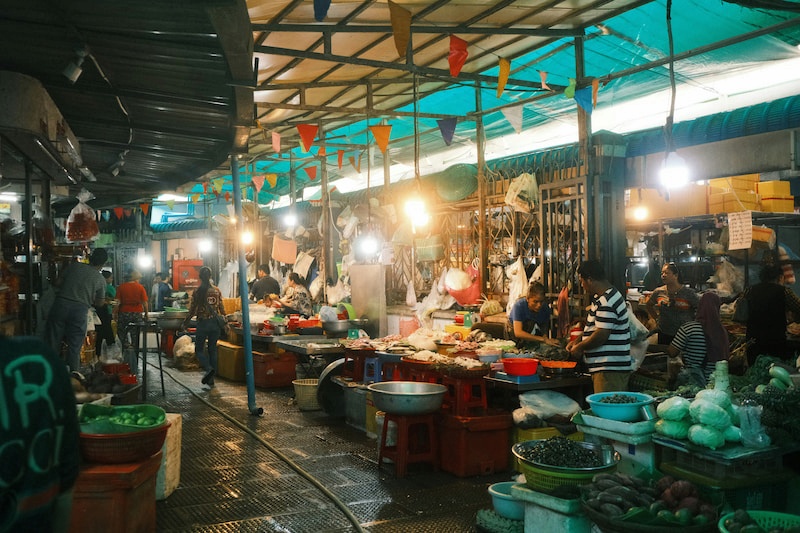
- Cultural Immersion: Experience Korea’s daily life and traditions.
- Local Flavors: Discover authentic dishes and rare ingredients.
- Unique Souvenirs: From hanbok fabric to vintage treasures.
- Great Value: Many items priced well below tourist traps.
- Convenient Access: Easy connections via Seoul’s metro system.
Planning tip: If you have a layover or extra time before your flight, download a T money transit card and explore two or three nearby markets—like Namdaemun, Gwangjang, and Dongdaemun—for a full local immersion.
