

Must-Visit Temples in Taiwan: Where Tradition Meets Art
Taiwan is a place where ancient traditions blend with modern life, and its temples are the best places to experience that fusion. These sacred places are not just spots for prayer; they are lively cultural structures where architecture, art, and history are blended. They offer visitors a chance to walk into Taiwan’s spiritual heritage, meditating on centuries of Buddhist, Taoist, Confucian, and folk beliefs.
Step into the spiritual heart of the island!
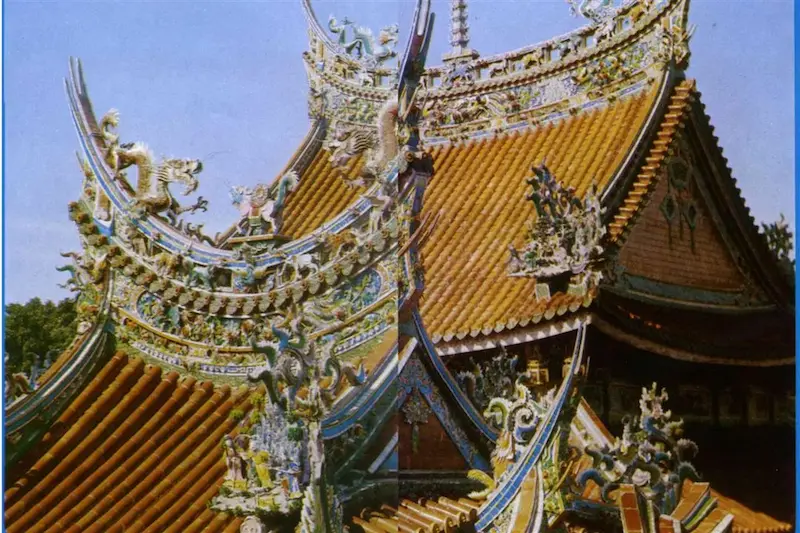
1. Longshan Temple (Taipei)
A Blend of Faiths and History
Longshan Temple is often the first stop for tourists eager to understand Taiwan’s spiritual landscape. Built in the 18th century and dedicated to Guanyin, the temple gracefully mixes Buddhist and Taoist customs in a timeless way. Chanting monks, the delicate scent of incense smoke, and intricate carvings create an intense spiritual atmosphere, compelling visitors to absorb centuries of religious devotion while immersed in the rhythm of daily life.
Location Tip
Located in the Wanhua District, it is easily accessible via the Taipei MRT (Longshan Temple Station).
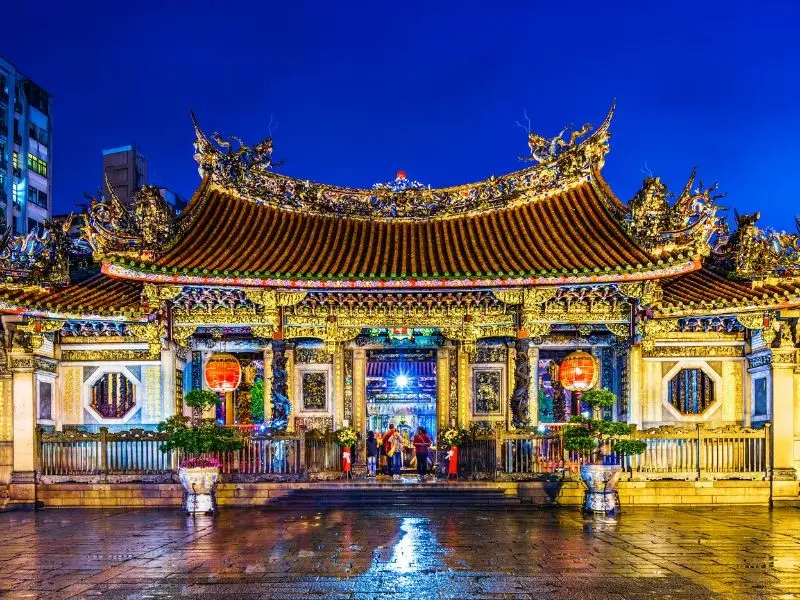
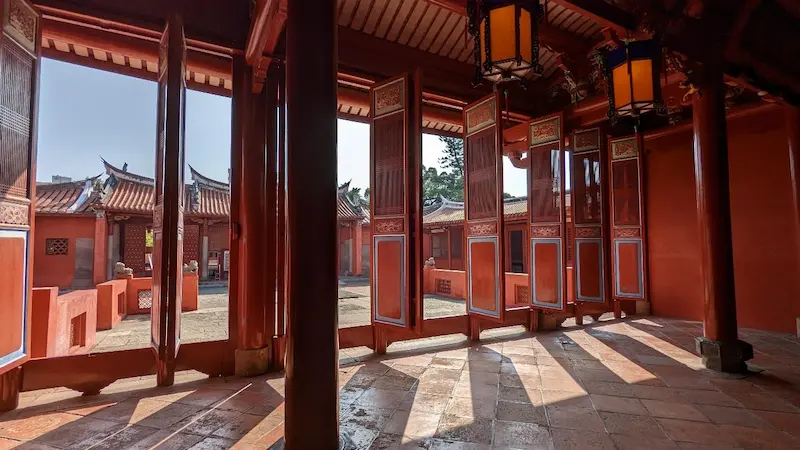
2. Tainan Confucius Temple (Tainan City)
Taiwan’s 'First Academy'
Built in 1665, The Tainan Confucius Temple is known as Taiwan’s 'First Academy' and stands as one of the island's most important historical structures. Unlike the colorful and vibrant folk temples, this site embraces a calm, peaceful simplicity, reflecting modest Confucian values. Visitors enjoy its quiet gardens and traditional halls. During the birthday ceremonies of Confucius, the temple holds a lively atmosphere with educational cultural rituals.
Ambiance
This temple is the perfect spot for quiet contemplation away from the city bustle.
3. Jiji Wuchang Temple (Nantou County)
A Symbol of Resilience
Jiji Wuchang Temple is one of the most memorable temples you can visit. Known for its dramatic appearance post-Jiji Earthquake in 1999, the structure has become both a cultural landmark and an open-air symbol of resilience. Its collapsed main hall, which folded into itself during the earthquake, stands as one of the most visually unique sites on the island. Next to the ruins, the newly constructed temple was built to honour devotion and remind visitors of the importance of carrying on religious rituals.
Historical Context
The contrast between the old ruins and the new temple perfectly illustrates the Taiwanese spirit of recovery.
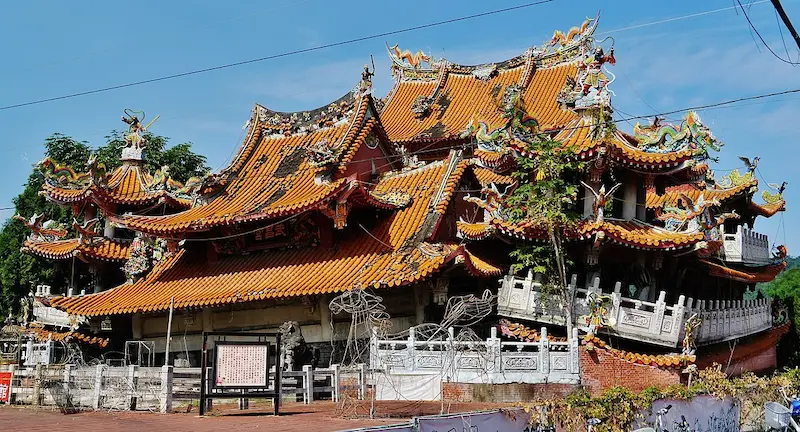
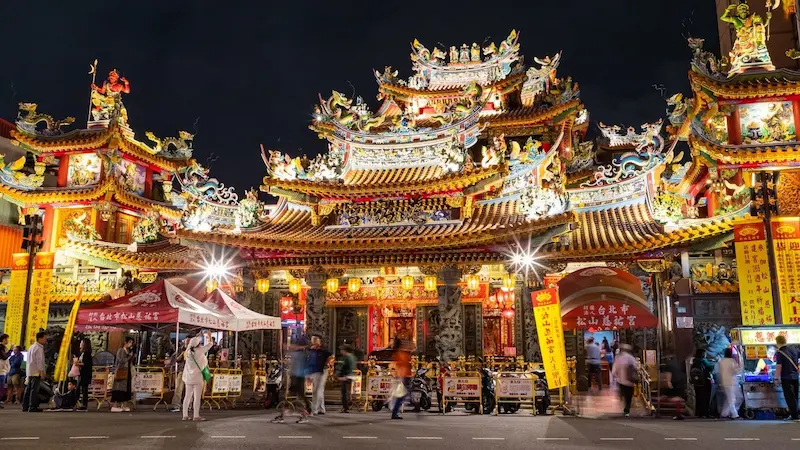
4. Songshan Ciyou Temple (Taipei)
Temple Meets Night Market
Located beside the famous Raohe Night Market, Songshan Ciyou Temple was built more than 250 years ago. This vibrant Mazu temple is a cultural tapestry of intricate craftsmanship and city life. Ciyou Temple is especially popular among visitors interested in Taipei culture, religious festivals, and traditional Taiwanese temple architecture. Many choose to visit around sunset, when the temple lights illuminate the artwork and the night market begins to warm up. It’s a beautiful way to experience both heritage and modern street life in one place.
Best Visiting Time
Sunset offers the most dramatic visual contrast between the temple and the bustling night market.
Ready to explore Taiwan’s rich spiritual landscape?
Exploring Taiwan’s temples offers travellers a deeper look into the island’s culture, spirituality, and history. Each temple reveals the traditions that continue to shape daily life across Taiwan.
