Tbilisi Old Town Travel Guide: History, Streets, and Local Life
Explore Dzveli Tbilisi—a place where paste-colored houses, ancient fortresses, and living traditions create the heartbeat of the Caucasus.
Tbilisi Old Town, or locally, Dzveli Tbilisi, is where the city’s past and present meet most vividly. This historic district provides a rich introduction to Georgia’s culture, architecture, and daily life. With its winding cobblestone streets, traditional wooden balconies, and centuries-old landmarks, Old Tbilisi is an essential stop for anyone searching for an authentic travel experience.
Rather than grand boulevards or uniform facades, the Old Town reveals its charm through small details and its quiet moments. Exploring it on foot allows travelers to connect with the city at a slower pace and gain a deeper understanding of Tbilisi’s layered history.

A Living Record of Tbilisi’s Past
Old Tbilisi reflects the city’s role as a crossroads between Europe and Asia. Over centuries, merchants, travelers, and empires passed through this area, leaving behind a unique architectural and cultural blend. Churches, synagogues, and mosques stand within walking distance of one another, illustrating the long-standing coexistence of different faiths and communities.
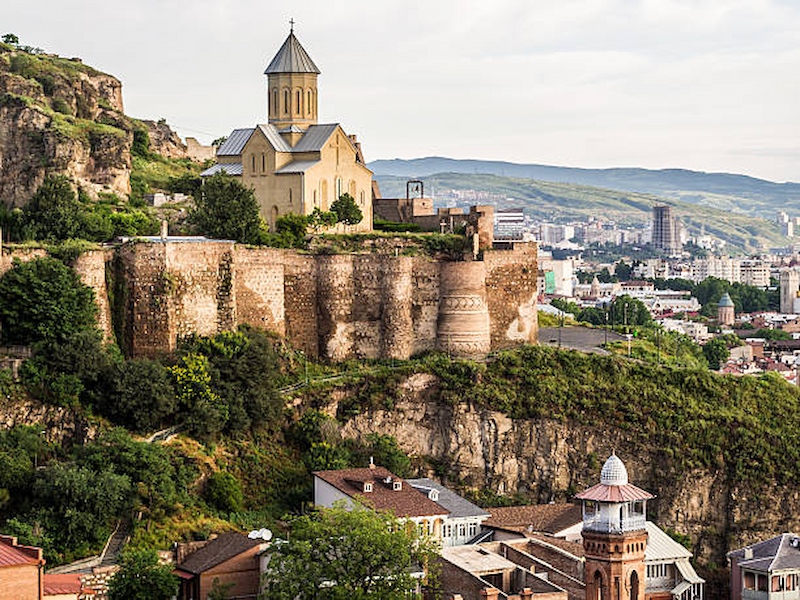
The architecture is equally diverse. Visitors will notice pastel-colored houses with carved wooden balconies, stone staircases leading to hillside homes, and remnants of medieval fortifications. Some buildings have been carefully restored, while others show visible signs of age. Together, they create an atmosphere that feels genuine and deeply rooted in history.
Walking through these streets is not a museum experience but an encounter with a neighborhood that continues to function as a living part of the city. Residents greet one another, small shops open their doors, and everyday life unfolds against a historic backdrop.
Exploring Without a Fixed Route
One of the defining features of Old Tbilisi is its layout. The narrow streets do not follow a strict plan, encouraging visitors to explore freely. While maps and guides can be helpful, the area is best experienced by allowing time for unplanned discoveries.
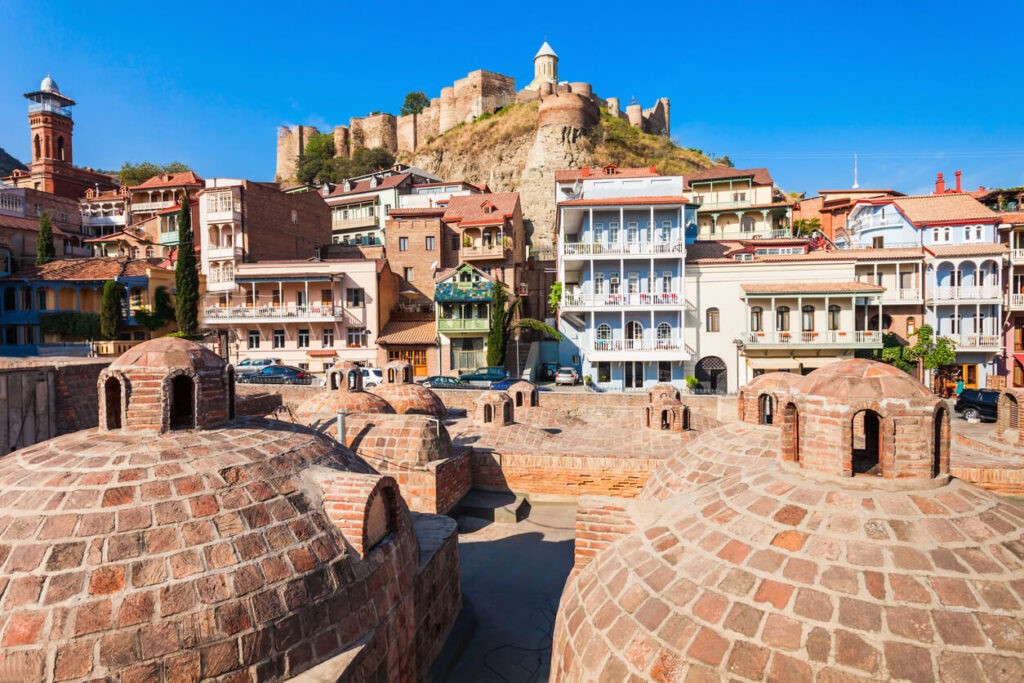
A short walk may lead to a hidden courtyard, a quiet church interior, or a scenic viewpoint overlooking the Mtkvari River. The Narikala Fortress, visible from many parts of the Old Town, serves as a constant reference point and a reminder of the district’s strategic importance throughout history.
Abanotubani, the famous sulfur bath area, is another highlight. Recognisable by its brick domes, this district is closely tied to the founding of Tbilisi itself. The baths remain in use today and continue to be an important part of local culture, offering visitors a unique wellness experience rooted in tradition.
Local Flavor: Cafés and Cuisine
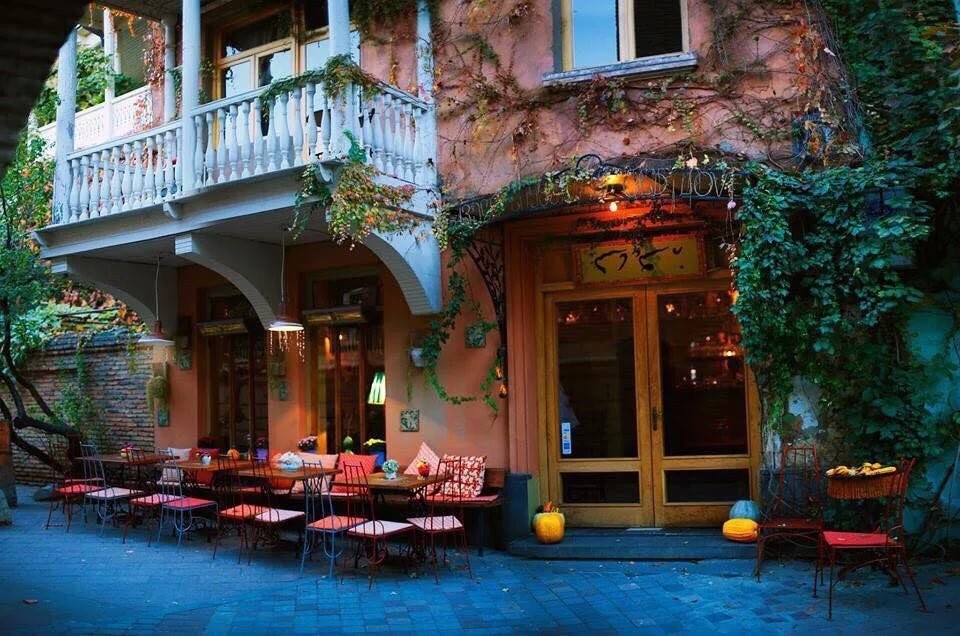
Beyond its historical landmarks, Old Tbilisi offers a strong sense of place through its cafés, restaurants, and shared courtyards. Many traditional homes open into communal spaces where neighbors gather, plants grow freely, and daily routines unfold away from the main streets.
Cafés and wine bars are often located in restored historic buildings, blending modern comfort with traditional design. Dishes such as khachapuri, fresh bread, and local cheeses reflect the country’s culinary heritage, while Georgian wine adds cultural depth to any journey.
Practical Tips for Visitors
Old Tbilisi can be visited year-round, but spring and autumn offer particularly pleasant weather for walking. Early mornings provide a quieter atmosphere, while evenings bring a lively yet relaxed energy as restaurants and terraces fill with visitors and locals alike.
Quick Takeaway:
- Wear comfortable walking shoes for uneven cobblestones.
- Look above street level to catch the intricate balcony details.
- Don't rush; Old Town is about the character, not just the sights.
Old Tbilisi is not about rushing from one sight to another. It is about experiencing the character of the city through its streets, sounds, and everyday interactions. For travelers seeking cultural depth, navigating these streets remains a memorable and rewarding journey