

Tbilisi: The Enduring Heart of the Caucasus
Tbilisi, the capital of Georgia, is a city where every layer of history is visible to the naked eye. Founded in the 5th century by King Vakhtang Gorgasali, the city is geographically defined by the strategic curves of the Mtkvari River. To understand the soul of Tbilisi, one must visit Abanotubani. These brick-domed sulfur baths are built directly upon the natural hot springs that gave the city its name, 'Tbilisi' meaning 'warm place' in Georgian. Legend tells of the King's falcon falling into these waters during a hunt, revealing their therapeutic warmth. Today, these baths are a symbol of the city's multicultural past, reflecting Persian, Ottoman, and Byzantine influences.
Moving beyond the baths, the Sololaki district represents the 19th-century European elegance of Georgia. This neighborhood was once home to the city's wealthiest merchants and oil barons, whose Art Nouveau mansions still stand with their intricate carvings and hand-painted ceilings. Tbilisi has transformed into a global hub for the creative class. The Fabrika courtyard, a former Soviet sewing factory, serves as the modern cultural nucleus, hosting independent artists, digital nomads, and vibrant nightlife. Tbilisi’s verticality is its charm, taking the cable car to Narikala Fortress or the funicular to Mtatsminda Park offers a panoramic view of a city that has survived 29 destructions and continues to reinvent itself with glass bridges and futuristic architecture.
Batumi: The Pearl of the Black Sea Riviera
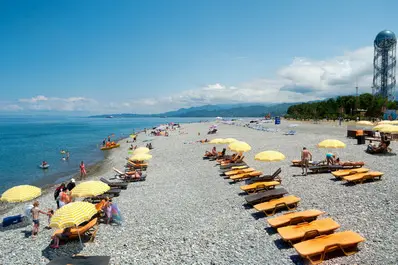
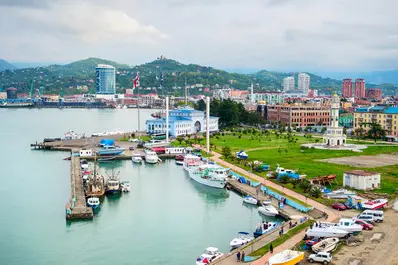
Batumi, the administrative capital of the Adjara Autonomous Republic, is the vibrant coastal heart of Georgia. Situated at an altitude of just 3 meters above sea level, Batumi boasts a humid subtropical climate that ensures lush greenery year-round. The city's primary attraction is the Batumi Boulevard, a 7-kilometer seaside promenade established in 1881. It is a masterpiece of urban planning, lined with cycling paths, botanical rarities, and modern sculptures like the Ali and Nino kinetic statue, which depicts the tragic love story between a Muslim boy and a Georgian princess, passing through each other as a metaphor for the bridge between Asia and Europe.
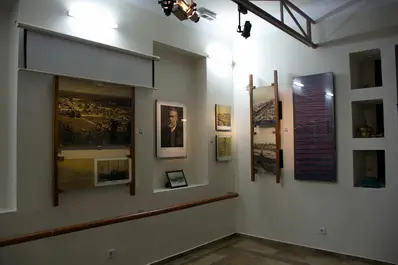
The culinary landscape of Batumi is a source of immense pride. The boat-shaped Adjarian Khachapuri is the most iconic dish, representing the region's seafaring history with its molten cheese, butter, and raw egg yolk. For those seeking history, the Nobel Brothers Technological Museum details Batumi's 19th-century role as a pivotal port for global oil transit. Architecture here is a playground of styles, from the Italianate Piazza Square to the futuristic Alphabet Tower, which celebrates the unique Georgian script, one of the few independent alphabets in the world. The Batumi Botanical Garden, located at Mtsvane Kontskhi (Green Cape), is an ecological marvel housing flora from nine distinct phyto-geographic zones, including Australian eucalyptus and Himalayan cedars.

The 8,000-Year Cradle of Viticulture
Georgia is scientifically documented as the world's oldest wine-producing nation. In the Kakheti region, viticulture is more than an industry; it is a sacred heritage protected by UNESCO. The Qvevri method involves fermenting wine in massive clay jars buried in the earth, a tradition that has remained unchanged for eight millennia. These "Amber Wines" are globally celebrated for their complexity and tannic depth. The annual Rtveli (grape harvest) is a communal celebration of music, labor, and history, culminating in a Supra (feast) led by a Tamada (Toastmaster). Toasts are philosophical explorations of friendship, ancestors, and the divine gift of the vine, making every meal a profound cultural experience.
High Caucasus Majesty: Kazbegi and Svaneti
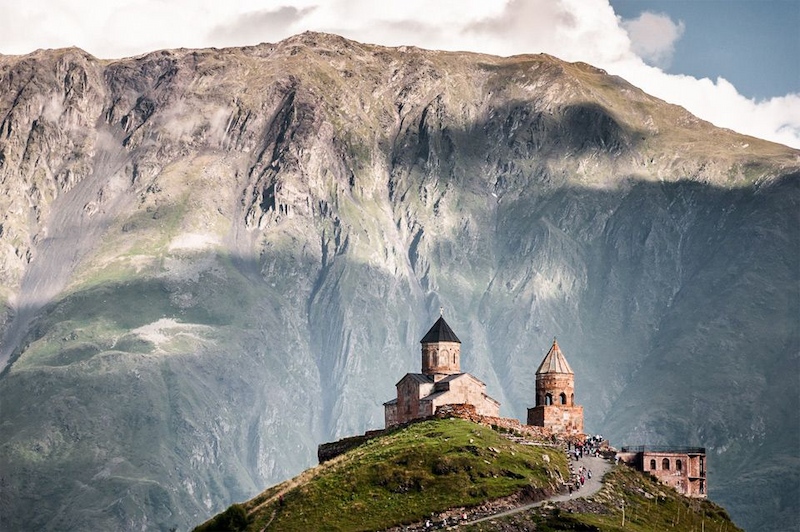
To go north is to enter the realm of the titans. Stepantsminda (Kazbegi) is the gateway to the high Caucasus, where the Gergeti Trinity Church sits at 2,170 meters against the icy wall of Mount Kazbek. It remains the most iconic image of Georgia, a symbol of a nation's faith standing firm against the elements. Further west, the remote Svaneti region preserves the village of Ushguli, one of Europe’s highest inhabited settlements. Here, medieval stone towers rise to protect families from both invaders and avalanches, creating a landscape that feels like a medieval fairytale frozen in time. These towers, some dating back over a thousand years, are a testament to the Svan people's fierce independence and unique cultural identity.
Practical Strategy for Every Traveler
Connectivity & SIMs: Staying connected is essential for navigating the mountain passes. Magti remains the gold standard for 5G coverage, even in remote valleys like Truso or Svaneti. Safety: Georgia is statistically one of the safest destinations in the world. Crime is exceptionally low, and hospitality is ingrained in the national character. However, travelers should be aware of the "assertive" driving style on highways. Currency: While Batumi and Tbilisi are entirely contactless, you must carry Georgian Lari (GEL) in cash for mountain guesthouses and local bazaars where bargaining is expected.
Respect local customs: When visiting the thousands of ancient churches, remember the strict dress code. Men must wear long pants, and women should cover their hair and wear long skirts. Most popular tourist churches provide scarves at the entrance. Learning basic phrases like "Gamarjoba" (Hello) and "Madloba" (Thank you) will open doors and hearts across this magnificent country.
Georgia Intelligence
- Best Time: May-June & Sept-Oct
- Currency: GEL (Lari)
- Tech: 5G / Apple Pay Ready
- Safety: Excellent
- Must Drink: Amber Wine (Qvevri)
Regional Insight
Adjara offers a unique micro-climate that makes Batumi green even in winter. It's the perfect bridge between sea and mountains.