

Travel Tips for Visiting Dubai
Dubai is one of the seven emirates of the United Arab Emirates and has therefore in a very short span of time become a famous holiday destination for individuals across the globe. Dubai guarantees a great time through art in architectural designs, luxurious living, cultural practices and inclusive thrilling activities. Based on these points let us discuss certain important travel tips which will assist in making the Dubai trip a memorable one. Below are some travel tips for you to use as you prepare for a visit to this exciting city.
Best Time to Visit Dubai (UAE Country)
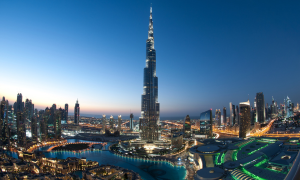 The climate in Dubai is mainly characterized as arid with a hot summer season accompanied by a relatively warm winter period. The best season to visit this place is from November to March since the temperature varies between 24°C to 30°C. The seasonal split in Dubai is between summer, which is hot up to October and winter which is milder, some tourist attractions within this period include the Dubai Miracle Garden and water parks. The rainy season, from May to September, is hot with a mean maximum temperature above 40 °C and high humidity.
Sightseeing is also possible at such internal places as Dubai Mall, Ski Dubai, and IMG Worlds of Adventure, many activities and attractions have a lower cost during summer or are being held in the framework of events like the Dubai Summer Surprises Festival. It is advisable to avoid this month as many attractions are closed, however, different sites are opened during Ramadan, and cultural activities can be attended, such as Iftar feasts. Ideally, you should plan for the November to March period, however, each season has its benefits and advantages.
Dubai Visa
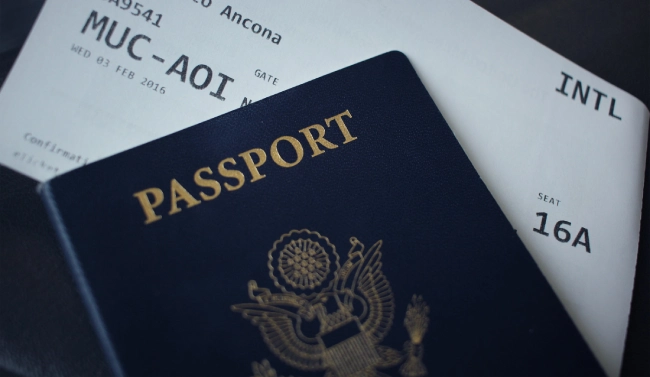 Depending on your country, you may be required to get a visa before visiting Dubai. For further confirmation of your visa requirements, visit the UAE government website or write to your local UAE consulate. Several countries across the world are now enjoying the VEA or visa-on-arrival in the UAE. Additionally, there's also the option to apply for e-Visa online.
Dubai of UAE has a certain policy towards issuing visas which depends on the type of travel, the time required for traveling and the nationality. GCC countries can enter Dubai without visas; thus, they do not need to obtain any approval to travel to the country. At present, visitors from the EU, USA, UK, Canada, Australia, and New Zealand can get a visa at the departure airport for 30-90 days. These are the types of Dubai visas; Tourist Visas, Transit Visas, and Long Term Visas. For more details regarding visa requirements, you may log in to the UAE Federal Authority for Identity and Citizenship (ICA) or the General Directorate of Residency and Foreigners Affairs (GDRFA) websites.
To get your visa early, send in your application at least 2-3 weeks prior to your travel schedule. A passport with at least six months validity, a passport-size photograph, proof of the itinerary and the hotel or sponsor accommodation. Visa extensions and overstays can be applied for before the visa expires. If you overstay, there may be penalties. Visa on arrival is available for GCC residents and their dependents; for Indian citizens holding valid USA Green Card, UK or EU visa is 14 days.
UAE Currency
 Dubai, the UAE's capital, offers a variety of options for travelers with varying budgets. The official currency is the United Arab Emirates Dirham (AED), with denominations such as notes, coins, and fils. Exchange rates are typically at banks, exchange centers, or airports, with malls or outside the airport offering better rates. Credit and debit cards are widely accepted, but it's advisable to carry cash for small purchases and street vendors.
Daily expenses in Dubai depend on your preferences. Cost-saving tips include booking hotels or Airbnb in Deira or Al Barsha, dining at local restaurants and street food vendors, using the Dubai Metro, purchasing an NOL card for public transportation, and using city pass for bundled discounts.
Dubai has a 5% Value-Added Tax (VAT) on goods and services, service charges, and taxi charges. To avoid hidden fees, be aware of tourism fees, ATMs, and credit cards linked to major banks. Tourists can claim VAT refunds on eligible purchases made in Dubai, requiring a minimum of AED 250 in a single transaction.
Culture and Customs in Dubai
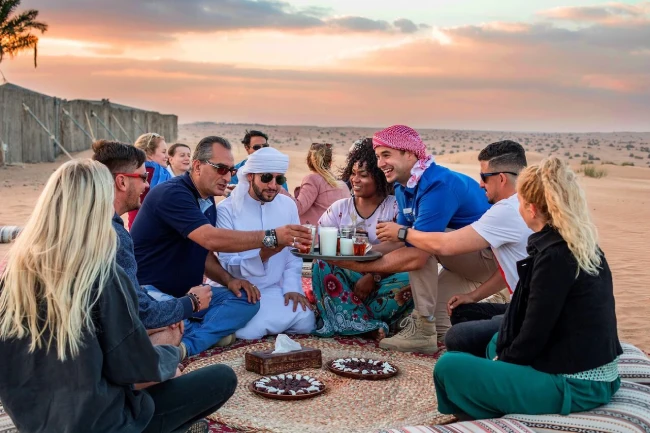 The city today is characterized as modern and multicultural and has a connection to Islamic practices and Emirati values. Politics awareness is important particularly when it comes to features such as culture during travel and tourism. Dubai has a liberal dress code as compared to other Persian Gulf destinations; however, it is recommended that visitors dress conservatively, especially when in public places. Women should wear appropriate clothes that will hide the shoulders and knees, and men should avoid T-shirts with ‘inappropriate’ prints including those with bare shoulders, short trousers, T-shirts or shorts when going to malls, mosques or traditional areas. Swimsuits are appropriate for the beach, pools, and water parks… but be sure to put on a sarong or shirt once you get out. It is expected of men to wear long trousers on the occasions they visit the mosques.
Although verbal communication is effective, it is conservative for Emiratis to converse freely with strangers. English is also used frequently and it is appropriate in addressing locally born people to refer them as Mr. or Mrs. followed by their first name. There are also extra specific manners expected during Ramadan such as not eating, drinking or smoking in public during the daytime, dressing modestly, and going for Iftar. Tipping is not compulsory, but they are kindly expected on the part of the recipients.
Safety
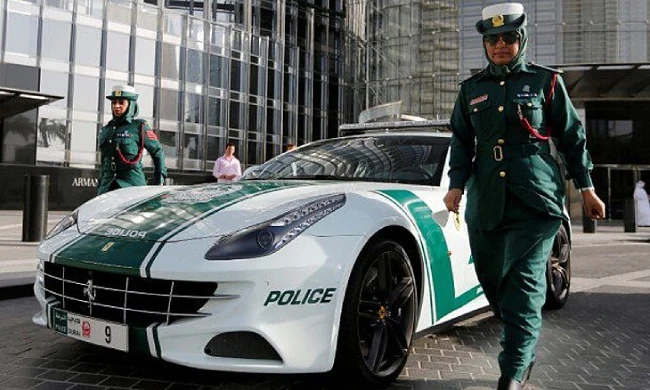 Dubai is safe, secure, and has low crimes and consequently good infrastructure. However, it is recommended to familiarise yourself with the local safety and health practices to avoid any unpleasant incidents during the trip. These measures include: drinking water, not being lured by con artists, wearing a seat belt, using pedestrian signals crossing the roads, and only hiring accredited cab services. Emergency service refers to the police, the ambulance, and the fire services. Some of the healthy habits include drinking water, putting on sunscreen, avoiding heat and of course dressing warmly while eating at clean restaurants with the use of insect repellent.
Dubai boasts of well-equipped government and private healthcare facilities all over the city. Health insurance is advised, and there are additional pharmacies for usual prescriptions. Regarding medical emergencies call 998 for an ambulance and adhere to the prevailing laws of the country. Such measures of safety and health will make travelers avoid any stressful experiences when visiting Dubai.
Transportation
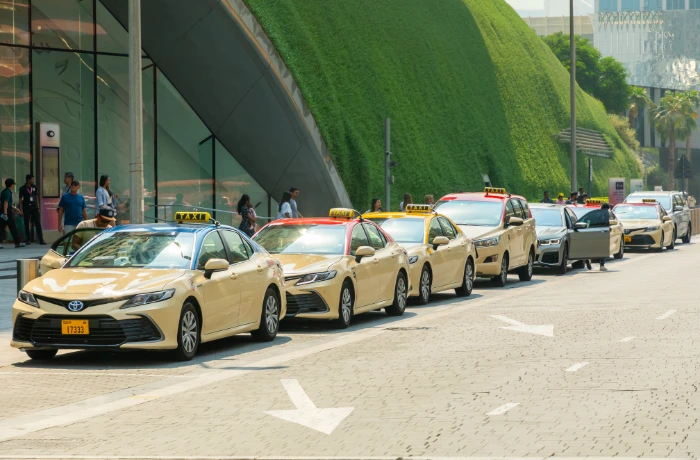 Dubai's modern transportation system offers a variety of options for travelers, from budget-friendly public transport to luxurious private options. The Dubai Metro, a driverless, fully automated rail network, connects major attractions like the Burj Khalifa, Dubai Mall, Dubai Marina, and Dubai International Airport. Taxis and rideshares are available, with taxis starting at AED 12 and rides ranging from AED 3 to AED 10. Ride-hailing apps like Careem and Uber offer affordable and luxury options. Rental cars are ideal for exploring the desert or neighboring Emirates, with prices starting at AED 100 per day. Luxury and private transportation options include chauffeur services, limousines, cycling, and walking. Dubai International Airport (DXB) has a Metro, buses, and taxis, while Al Maktoum International Airport (DWC) has limited public transport options.
A daily budget for public transport is AED 10-30, with unlimited passes available for daily, weekly, or monthly travel. To plan your routes, use the RTA Dubai App for real-time updates and avoid peak hours. For a scenic experience, try a ferry or Abra ride at sunset to enjoy Dubai's skyline. Booking a private transfer or renting a car are the best options, but keep in mind that the driving style in Dubai may be different from what you're used to.
Tourist Attractions
 Dubai offers a variety of attractions and activities for travelers seeking luxury, adventure, culture, or relaxation. Top attractions include the Burj Khalifa, the world's tallest building, the Dubai Mall, the Al Fahidi Historic District, and pristine beaches like Jumeirah, La Mer, and Kite Beach. The Dubai Museum and Gold and Spice Souks provide insights into the city's history. Beach clubs and resorts like Nikki Beach and Zero Gravity offer luxurious experiences. Desert safaris, camel rides, and traditional entertainment provide adrenaline-packed experiences. Palm Jumeirah and Atlantis, The Palm are iconic man-made islands with luxury hotels, resorts, and exclusive residences.
Dubai offers a variety of activities for visitors, including helicopter tours, dining at The Pointe, visiting the Dubai Opera, skiing at Ski Dubai, visiting the Dubai Miracle Garden, exploring Global Village, taking a traditional dhow cruise along Dubai Creek, and shopping at traditional souks. These activities cater to various interests, from luxury shopping to exploring cultural sites and thrilling adventures. To truly experience the magic of Dubai, plan ahead and balance relaxation with exploration or check out daily tours in Dubai.
Number of terminals in Dubai Airport
 Dubai Airport, a bustling hub, offers state-of-the-art facilities and infrastructure, with three main terminals: There are Terminal 1, Terminal 2 and Terminal 3. These terminals are full of millions of travelers satisfying all their travel requirements. The ever-increasing size and potential of Dubai airport as well as the firm focus on quality facilitated Dubai’s position as the hub with the best connectivity and ease of travel by air.
Dining and Shopping
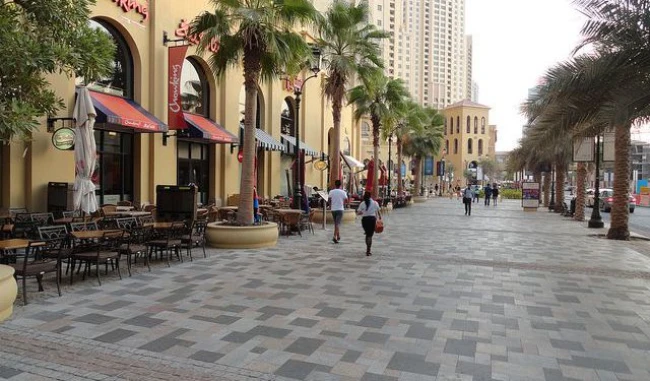 Dubai provides an exceptional dining and shopping experience for locals and tourists alike, from extravagant malls and traditional souks catering to every taste and budget to fine dining establishments and street food markets showcasing an abundance of flavors. Dubai serves up authentic experiences at places like Mall of the Emirates and traditional souks while fine dining establishments showcase a diverse array of flavors while fine dining establishments showcase even more flavors at establishments like Street Food Markets or fine dining establishments with incredible rooftop dining views - Dubai truly is a global culinary hub offering traditional Emirati dishes alongside international cuisines and street food markets with options like budget-friendly cafeterias and street food markets to fine dining establishments that serve all tastes and budgets alike.
Machboos, Al Harees, Luqaimat and camel meat are some of the must-try authentic Emirati dishes. Budget dining options include local cafeterias and street food stands; Pakistani/Indian eateries; food courts in malls; midrange options include international cuisine like Zaroob Din Tai Fung Beachside Dining as well as Michelin star restaurants such as Ossiano Tresind Studio for luxury fine dining experiences.
Dubai restaurants are extremely accommodating during Ramadan, offering Halal food, vegetarian/vegan options and gluten-free alternatives. Alcohol can only be obtained at licensed venues; tipping and service charges are customary. Talabat, Deliveroo, and Careem provide convenient food delivery service for both food and grocery delivery needs - making Dubai's diverse culinary scene an unforgettable destination.
Travel Insurance in Dubai
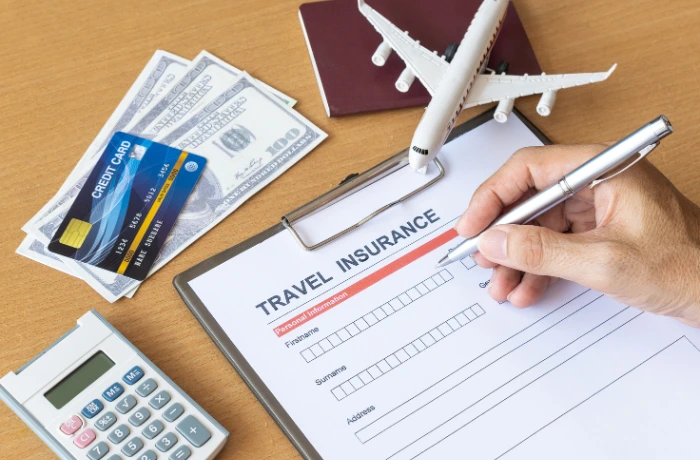 Many travelers going to Dubai, UAE should get travel insurance because this policy will assist them when they encounter mishaps like medical problems, trip cancellation, missing luggage or other situations that compel them to change their itinerary. Medical insurance is required because the UAE does not have any type of free medical services for visitors in case they fall ill or get injured. The insurance policy should cover pre-existing conditions. Trip cancellation and interruption coverage compensate the traveler for non-refundable costs of plane tickets, a hotel, and other paid prior to the trip expenses. Baggage and personal belongings protection offers coverage against lost, delayed, stolen, damaged and delayed baggage as well as flight delays or missed connections, adventure activities and adventure sports activities. Travel assistance and emergency support services are always available 24/7 through helplines or emergency services.
There are two main categories of travel insurance for Dubai; single trip and annual multi-trip insurance for multiple travels and there is comprehensive as well as basic insurance. In choosing the provider, much consideration must be given to the duration of the trip, age and coverage options. As much as it relates to travel insurance it depends on the package you want, the age of the traveler and the number of days you wish to take an insured trip.
Dubai Tourist Pass
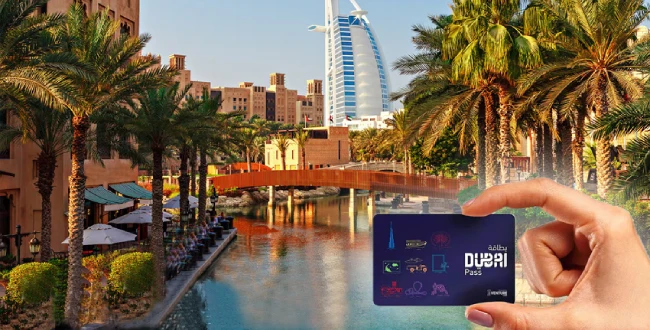 The Dubai Tourist Pass is a great guide to help visitors to Dubai make great savings when visiting attractions, cultural Centers and shows in Dubai. Its features include admission to famous places such as Burj Khalifa, Dubai Aquarium & Underwater Zoo, or Dubai Frame, among other perks, including priority access, free transportation, and discounts at certain places.
More details about Dubai Tourist Pass