
Mastering the Art of Safe Travel in Turkey
Traveling through Turkey should feel exciting, inspiring, and trouble-free. This guide gives you calm, practical safety insights, so you explore confidently, avoid unnecessary stress, and enjoy every moment of your trip.
Turkey is full of vibrant streets, warm hospitality, and unforgettable experiences, offering a historical depth matched by few other places in the world. Most interactions you'll have with local people will be genuine and kind; the country is famous for its generous spirit, but just like any major travel destination, a few well-worn scams exist that specifically target distracted, trusting visitors. Knowing these common traps in advance is the single most effective way to put yourself several steps ahead of potential problems and ensures you maintain full control of your itinerary and finances.
Below is a clear, organized, easy-to-follow list of the most common tricks, and exactly how to avoid them with confidence. Our goal is to replace potential fear or stress with smart, calm awareness, allowing you to focus purely on enjoying Turkey's incredible beauty.
Your Scam Watch List
#1 The "Free" Shine or Shoe-Brush Scam
This classic setup is most commonly found near major historical landmarks, particularly in busy areas like Sultanahmet in Istanbul. The scenario always starts simply: a shoe shiner, often looking professional, will "accidentally" drop their brush right in your path. Your natural, polite instinct will be to pick it up and hand it back as a courtesy. As a gesture of "thanks" for your kindness, they insist on giving your shoe a quick, complimentary shine, perhaps starting the job before you can properly protest. Once the brush hits your shoe, the service is considered accepted, and they will then abruptly stop and demand an outrageously inflated fee, leaving you embarrassed and pressured to pay.
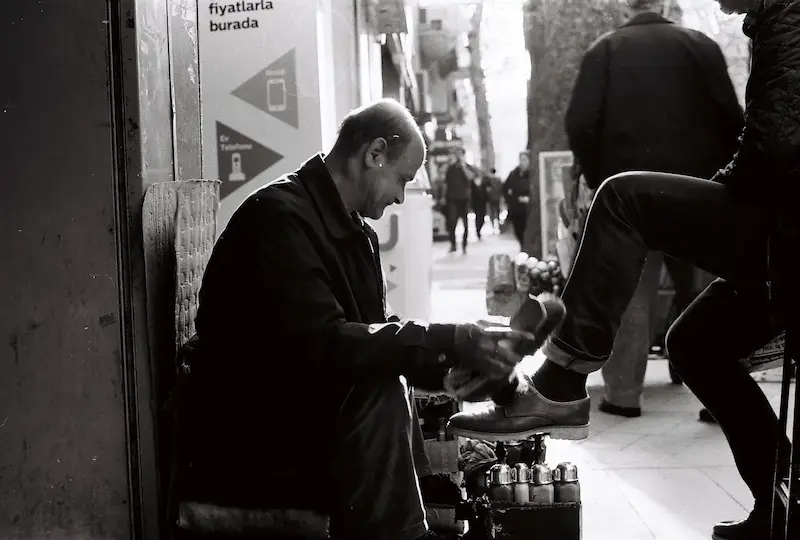
The Dodge: Do not pick up the brush. Simply ignore the dropped item and keep walking without breaking your stride. If they insist on starting a service, firmly decline in Turkish or English and immediately move away.
#2 The Exaggerated Taxi Meter or Route
While many licensed taxi drivers are perfectly honest, a few use predictable methods to inflate the fare. The most common issues involve drivers claiming the meter is "broken" just as you enter the vehicle, forcing them to quote a fixed, non-negotiable, and often overpriced rate. Other tricks include drivers taking significantly long, circular routes to rack up distance on the meter, or in rarer cases, using a tampered "fast meter" that runs faster than it should. These tactics rely on the tourist being unfamiliar with the local area and the correct pricing structure, leading to significant overpayment by the end of the journey.
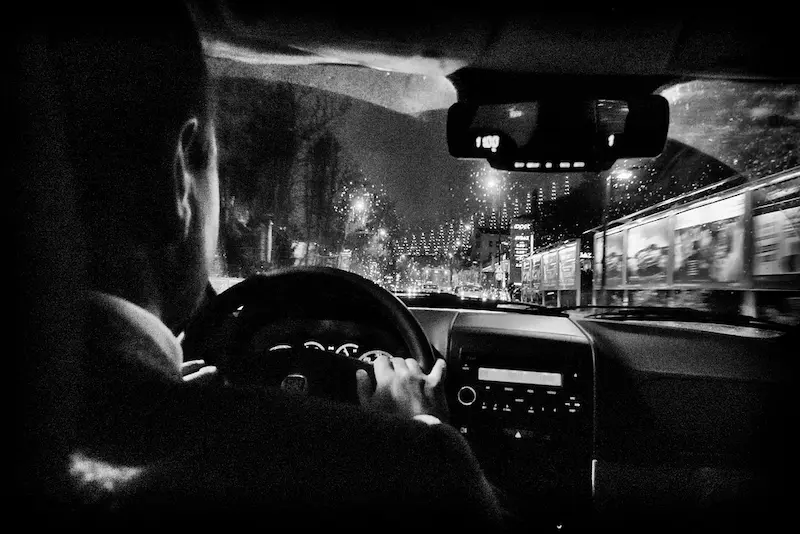
The Dodge: Always insist the driver start the meter from zero. Use a reliable GPS app (like Google Maps) on your phone to track the optimal route in real-time. If the driver begins deviating significantly, politely but confidently ask them to take the standard route. If a driver refuses to use the meter, exit the taxi and find another one.
#3 The "Friendly Local" Bar Trap
This scam is highly social and manipulative, targeting tourists who are keen to connect with locals or experience the "secret" side of the city. It typically involves a very friendly stranger engaging you in conversation near a tourist spot before inviting you for a casual drink at a nearby bar or club they claim is "local" and "authentic." Once inside, after consuming a cheap drink or two, a massively inflated bill (often thousands of Turkish Lira) will be presented, with the "friend" mysteriously vanishing or acting as if they are equally surprised. The bar's security or staff will then pressure you to pay the extortionate amount immediately. The key is that the establishment is always complicit in the scam.

The Dodge: Only go to restaurants, bars, or clubs that you have chosen and researched yourself (checking reviews online is highly recommended). Politely but firmly decline any invitation from a stranger to relocate to a different, unknown venue, stating you already have plans to meet friends elsewhere.
#4 Currency Switcheroo
This quick-action scam frequently occurs during busy transactions in crowded bazaars, markets, or small shops where the environment is distracting. You pay for an item using a large Turkish Lira note, and the vendor quickly swaps it with a smaller denomination note of similar color or size (e.g., swapping a 200 TL note for a 20 TL note) right before your eyes, often using sleight-of-hand. They then immediately claim you paid the wrong, much smaller amount, demanding the rest of the payment. This is often done with such speed and confidence that the tourist begins to question their own memory, leading them to pay the difference again, effectively doubling the price of the purchase.
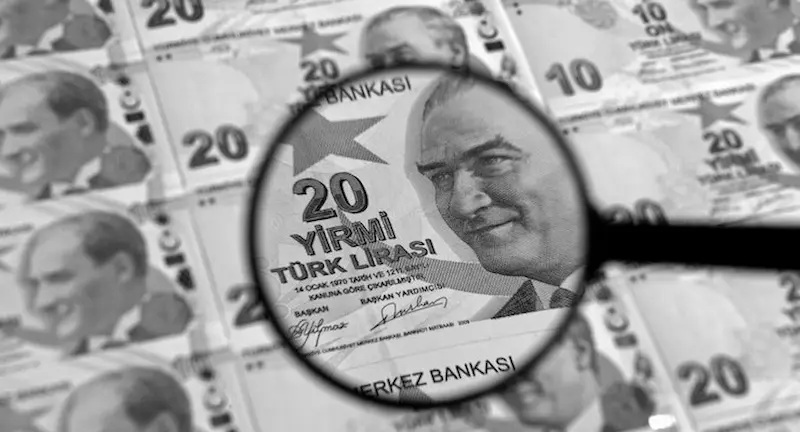
The Dodge: Always count the amount of cash you are handing over out loud and state the denomination clearly (e.g., "Two hundred Lira"). Keep the original bill visible on the counter or in your hand until the change is fully counted and returned to you. Be extra vigilant when paying with cash in crowded or fast-paced situations.
#5 Fake Police Checks
This is one of the more serious scams, usually involving two individuals posing as plainclothes police officers who often claim to be checking for counterfeit currency, illegal drugs, or fake IDs among tourists. They will demand to see your passport and/or wallet for "inspection." The core of the scam is distraction: while one individual keeps you talking and focused on the passport, the other quickly "inspects" your wallet and pockets money, credit cards, or other small valuables. The scammers rely on tourists' natural compliance with authority figures. It is crucial to remember that real Turkish police in plain clothes typically do not conduct random checks on tourists' wallets on the street.
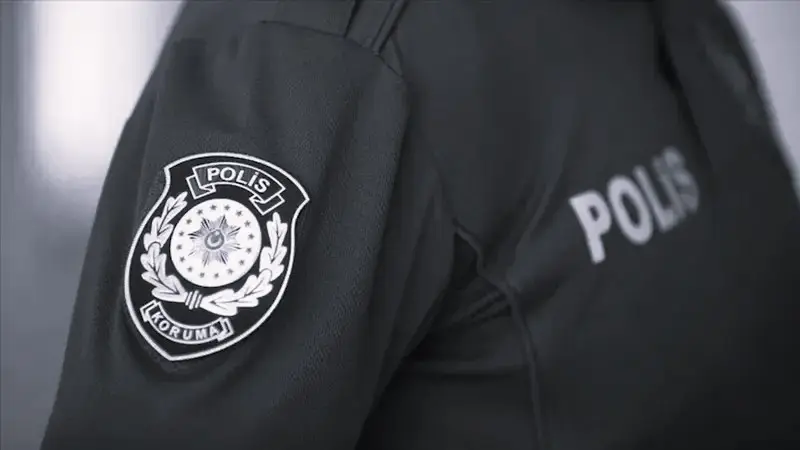
The Dodge: Politely state that you are happy to show your identification at the nearest official police station (Polis Merkezi). Never hand over your wallet or let them take your passport. If you must show your ID, hold it firmly in your hand and simply display the information; do not let them take possession of it. Genuine officers will respect your caution.
Essential Confidence Toolkit: Useful Turkish Phrases
A confident refusal in the local language can stop a scam instantly. Here are essential phrases:
| English | Turkish | Use Case |
|---|---|---|
| No, thank you. | Hayır, teşekkür ederim. | Declining unsolicited offers. |
| I don’t want it. | İstemiyorum. | Firm rejection. |
| How much? | Ne kadar? | Asking price beforehand. |
| Call the police. | Polisi ara. | If someone pressures you. |
Your Smart Travel Checklist
- Trust your instincts: If something feels wrong, step away.
- Keep valuables secure: Use well‑designed travel pouches.
- Choose reputable places: Stick to reviewed restaurants and services.
- Know basic prices: Helps you spot inflated costs immediately.
Explore confidently! Turkey’s beauty shines brightest when you travel prepared.